
Articles tagged with 2025 - Page 2

Septic replacement expenses in 2025 fluctuate by state due to soil variations, rules, and workforce costs. This resource details cost components, regional averages, overlooked charges, and funding strategies. Gain insights on contractor selection, contract pitfalls, and investment safeguards via informed planning.
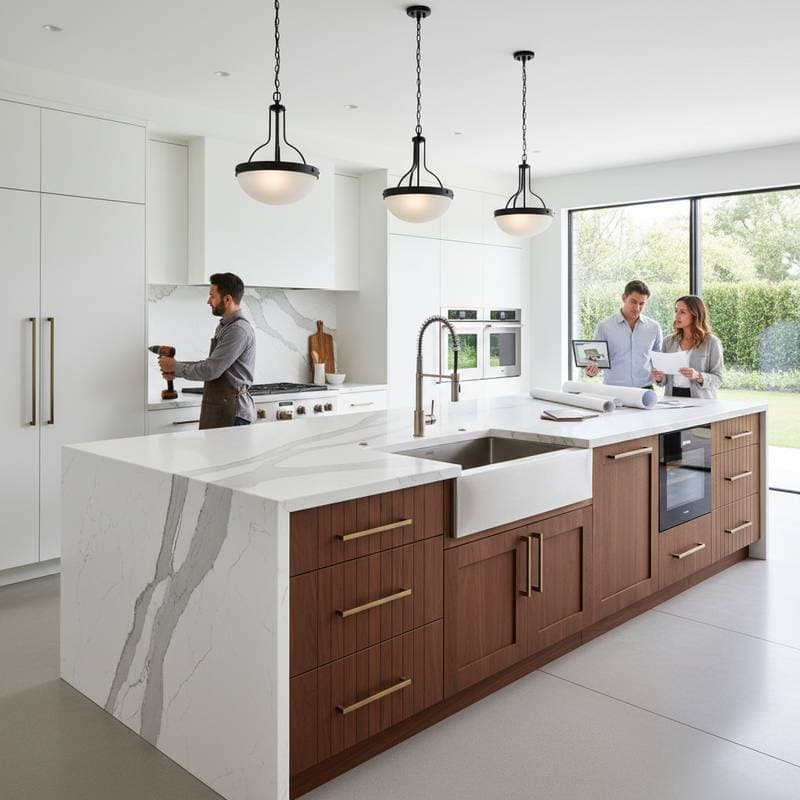
In 2025, kitchen islands rival cabinetry in expense due to surging material costs, skilled labor demands, and bespoke features like integrated sinks and appliances. This guide breaks down the drivers and offers strategies to optimize your remodel for performance and affordability.
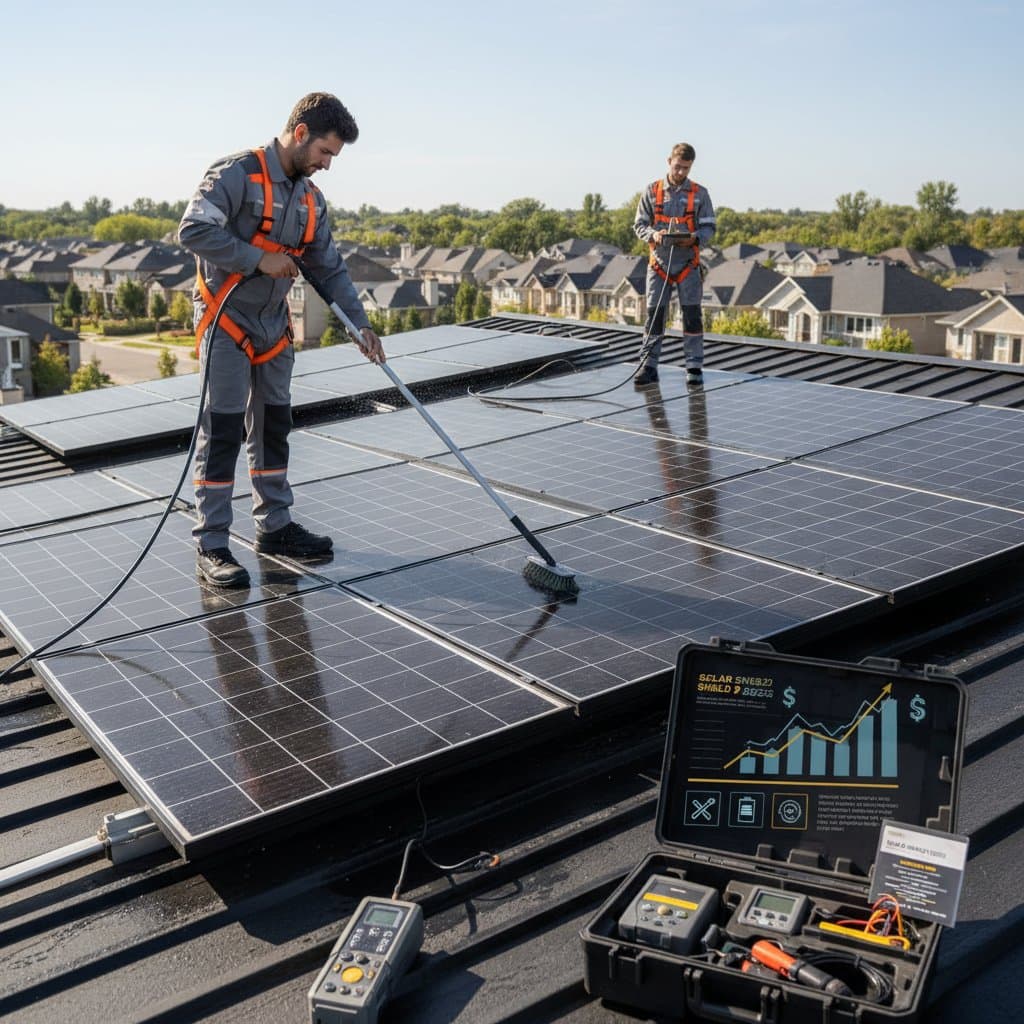
While solar panels deliver years of renewable energy, 2025 maintenance demands reveal unexpected costs for homeowners. This overview covers essential inspections, cleanings, inverter issues, and warranty details, plus tips on DIY versus professional care to optimize efficiency and protect your investment.

Home warranties offer protection for major repairs, yet concealed charges frequently erode their value. Service fees, code upgrades, and refrigerant costs can significantly increase expenses.
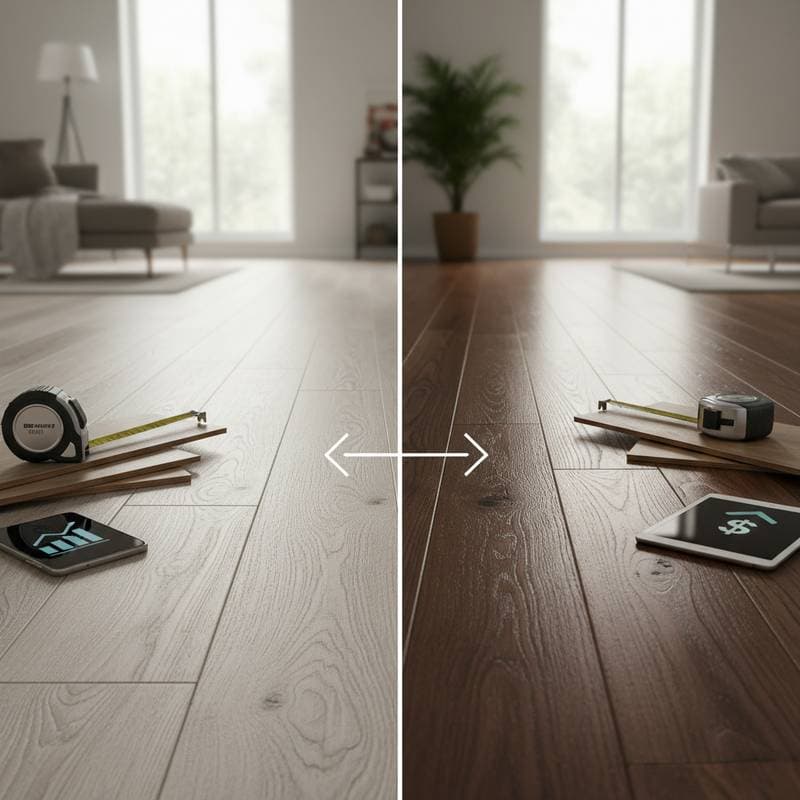
In 2025, LVP vs hardwood flooring decisions balance affordability and durability. LVP installs at about $8 per square foot, hardwood at $14, influenced by region, quality, and setup. Uncover how to optimize costs, compare ROI, and select the ideal flooring for lasting value.

Home warranties offer protection for major repairs, yet they often conceal steep service call fees that reach $800 per visit. This guide reveals how these charges work, strategies to detect them in your policy, and practical steps to decide if a warranty truly saves money or creates financial pitfalls.

Home office conversions face a projected 35% cost increase in 2025, pushing national averages to around $22,000. Factors such as escalating labor rates, premium material demands, and the persistence of hybrid work arrangements fuel this rise. This guide details key cost drivers, DIY opportunities versus professional needs, and proven tactics to control expenses while enhancing comfort and property value.
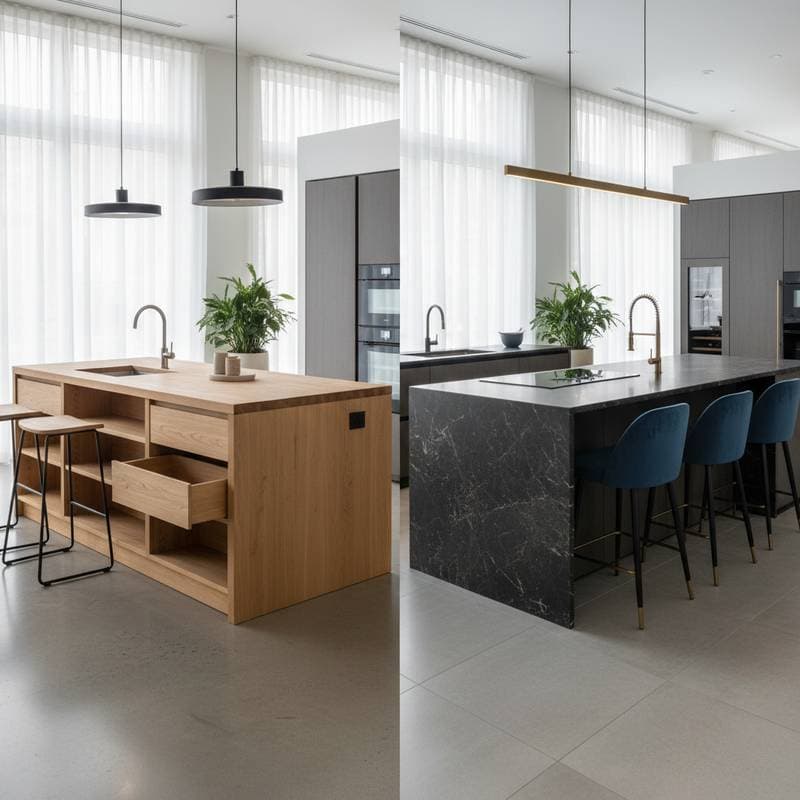
In 2025, kitchen islands continue to rank among the most popular home upgrades, offering enhanced functionality, stylish appeal, and strong return on investment up to 80 percent. Typical mid-range projects cost between $3,000 and $8,000, influenced by materials, utilities, and custom features. This guide details pricing factors, design considerations, and strategies for maximizing durability, sustainability, and resale value through DIY or professional approaches.
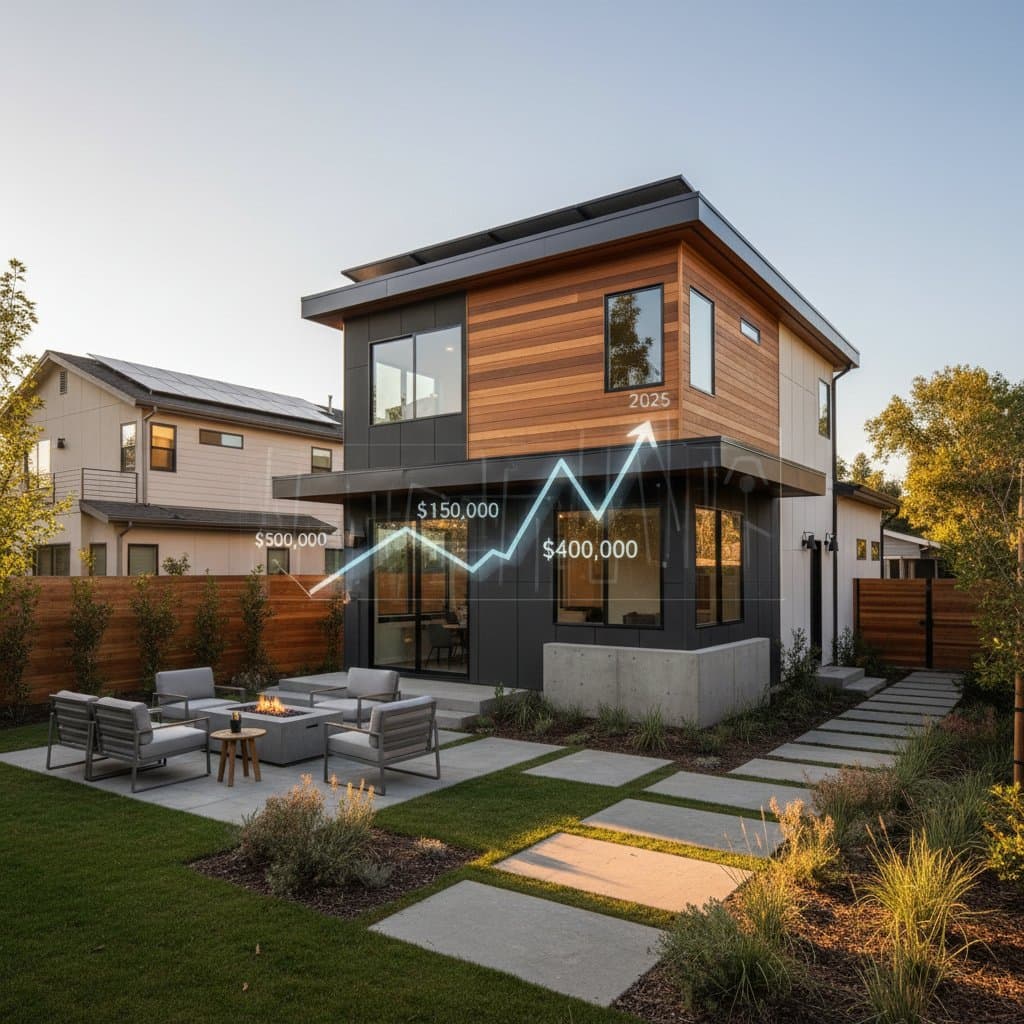
Constructing an accessory dwelling unit in 2025 enhances property value and provides rental income potential, yet expenses vary from $150,000 to $400,000 according to unit size, construction type, and material selections. This guide examines cost components, project timelines, geographic influences, funding approaches, and layout options to equip homeowners with strategies for effective planning, risk avoidance, and informed decisions on proceeding or postponing.

Home warranties offer apparent protection for major repairs, yet exclusions for pre-existing conditions, inadequate maintenance, and code compliance issues frequently result in denied claims. Homeowners face surprise bills despite premiums paid. Grasping the nuances of coverage limits, concealed fees, and upkeep obligations proves vital prior to committing to any plan touted for its reliability.

In 2025, flooring replacement costs have increased by 35%, reaching an average of $7,800 nationwide. Variations depend on material choices, project scale, and installation details, with hardwood and tile commanding higher prices. Opt for professional installation to improve longevity, boost resale value, and achieve returns up to 80%. This guide covers detailed pricing, DIY options, and effective ways to cut costs while preserving long-term benefits.

A projected 35% increase in building permit fees by 2025 will affect renovation budgets nationwide, fueled by higher administrative costs and code updates. Master valuation pricing, regional variations, and expert management techniques to prevent overruns, delays, and compliance issues in your projects.
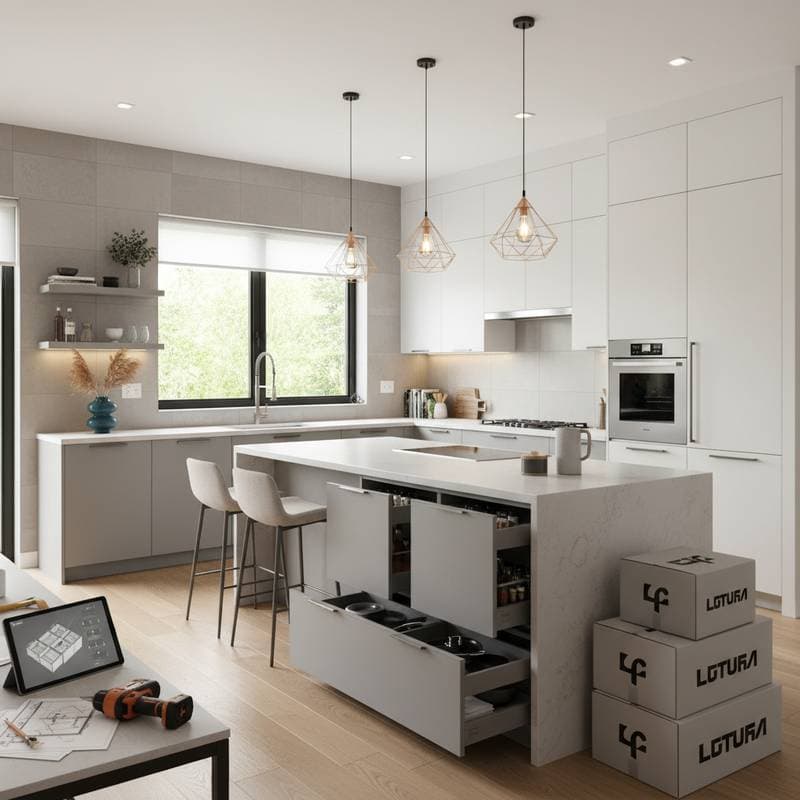
Modular kitchens in 2025 streamline remodeling with faster installation, reduced waste, and costs averaging $15,000. This guide covers components, step-by-step processes, DIY versus professional options, and essential maintenance for lasting durability and style.
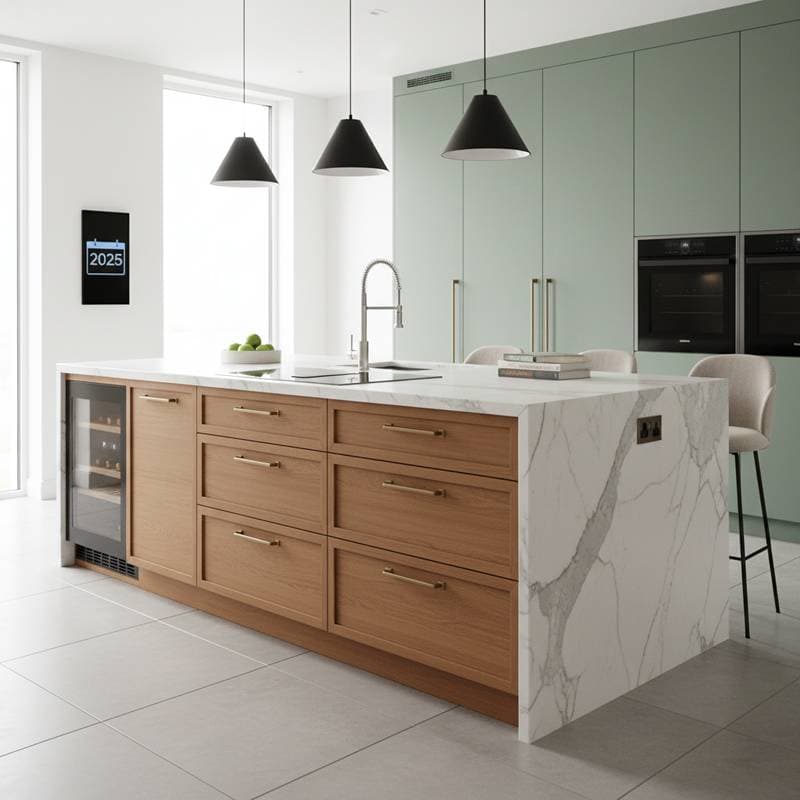
Installing a kitchen island in 2025 enhances functionality, aesthetics, and resale potential. Costs range from $3,500 to $9,000, with an average return on investment of 60 to 80 percent. Effective planning, including optimal sizing, material choices, and integrated features, ensures maximum benefits. This guide provides detailed cost analyses, project timelines, and professional advice for achieving enduring value through prefabricated or custom options.
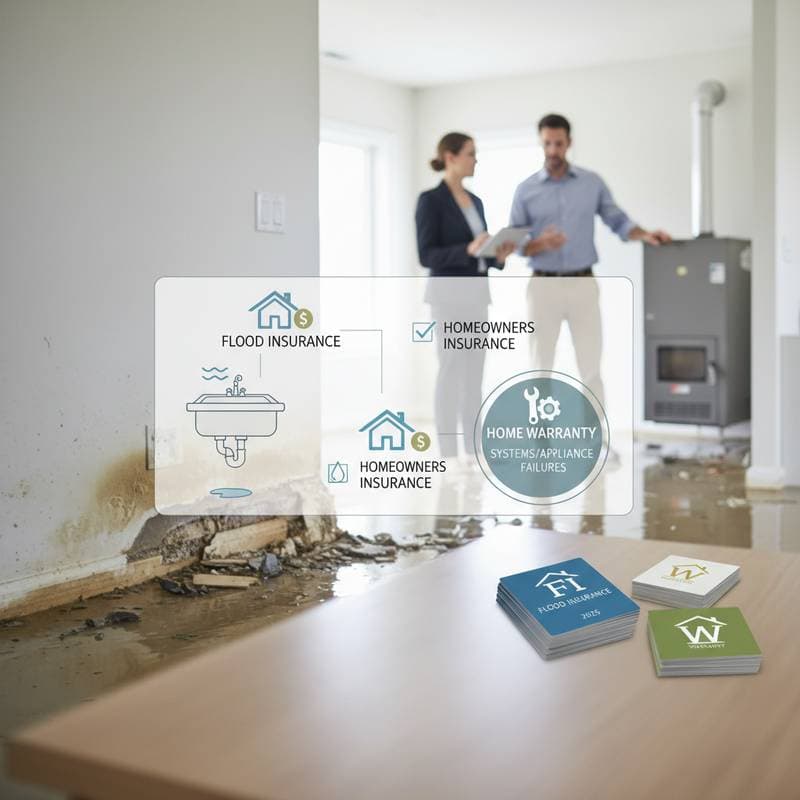
Navigating flood versus water damage can determine if repairs are covered or out-of-pocket. This guide details insurance options, costs, professional hiring, and maintenance to safeguard your home from water disasters.
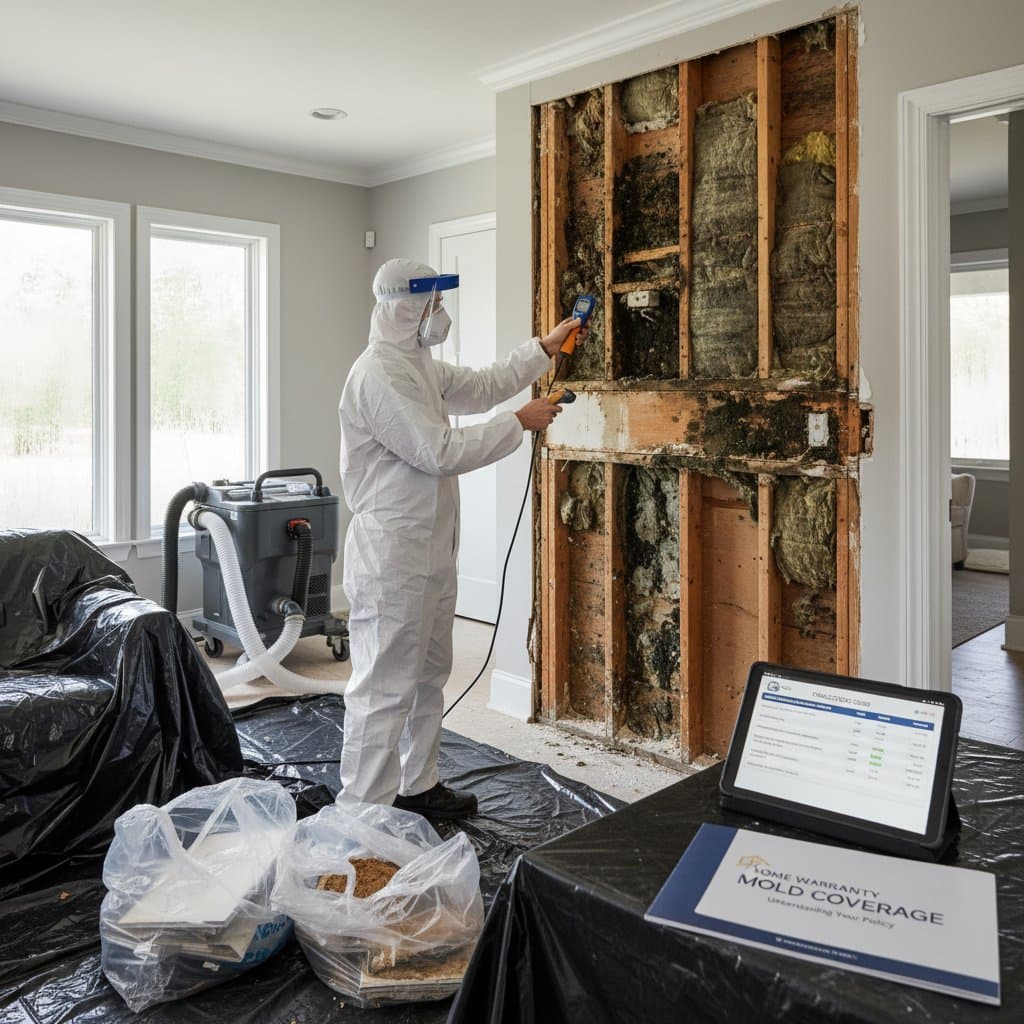
In humid areas, mold remediation expenses can climb 35% higher for homeowners, driven by extended drying periods, challenging moisture management, and frequent material replacements.

Replacing a malfunctioning septic system protects property value and prevents environmental contamination, yet expenses range from $8,000 to $25,000 based on system design, soil conditions, and regulatory requirements. This guide details cost drivers, the necessity of professional services, maintenance strategies for extended durability, and insights into warranties and insurance protections during system failures.
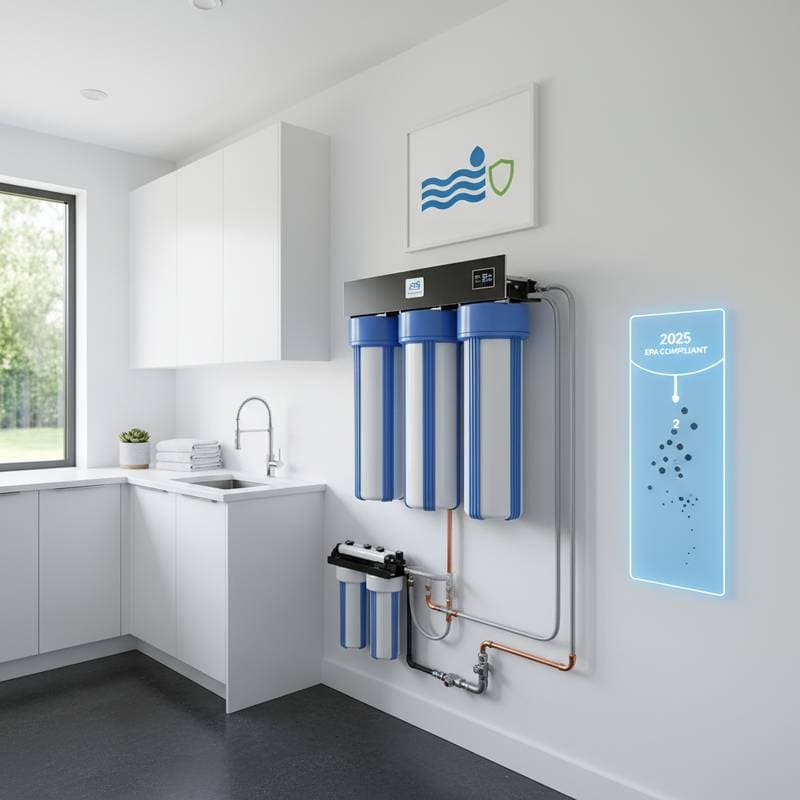
New 2025 EPA standards prompt homeowners to adopt advanced water filtration systems targeting lead, PFAS, and contaminants. Installation costs span $900 to $4,200, averaging $2,300 for whole-home setups. These investments promote compliance, enhance water quality, extend appliance life, and safeguard plumbing and family health.

Home warranties offer protection against repair costs, yet hidden fees can quickly diminish their benefits. Explore common unexpected charges like service fees, exclusions, and upgrade requirements, plus practical advice to navigate contracts effectively in 2025.
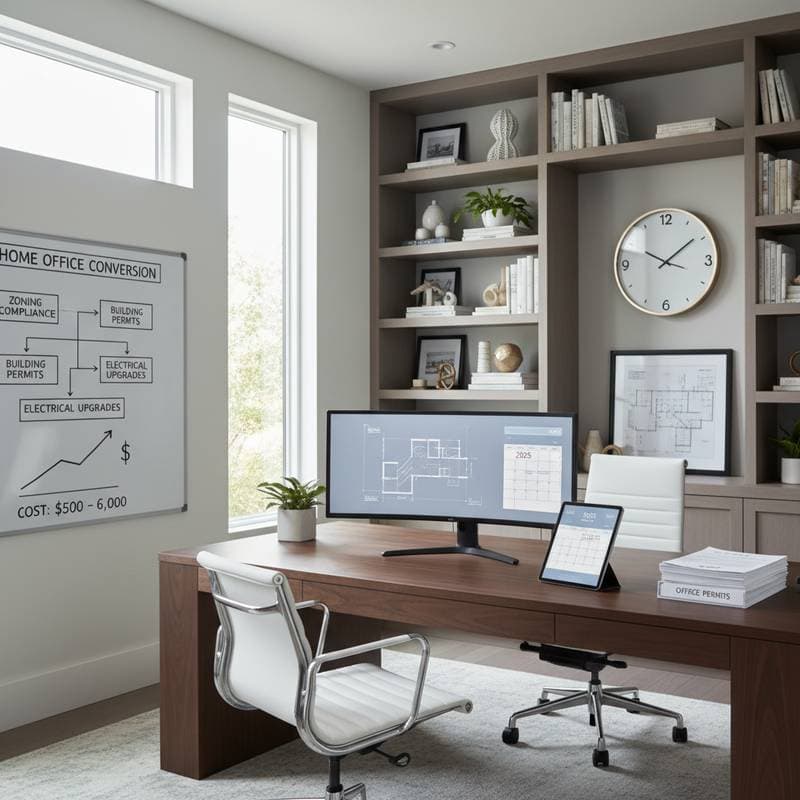
Legal home office setups in 2025 range from $500 to $6,000, averaging $2,800 for zoning, electrical permits, and inspections. Compliance protects insurance, increases resale value by up to 8 percent, and unlocks tax benefits. Discover ways to cut costs through professional help, bundling, and strategic planning for a valuable workspace.