Flood vs Water Damage: Who Actually Pays for Repairs
Homeowners often face unexpected water-related disasters that can lead to costly repairs. Distinguishing between flood damage and general water damage is crucial for determining coverage options. This article explores the differences, insurance implications, and practical steps to protect your property.
Understanding Flood Damage
Flood damage occurs when water from external sources, such as rivers, streams, or heavy rainfall, overflows and inundates a property. The National Flood Insurance Program defines a flood as an overflow of inland or tidal waters that affects two or more acres of land or two or more properties. This type of damage typically requires specialized flood insurance, as standard homeowners policies exclude it.
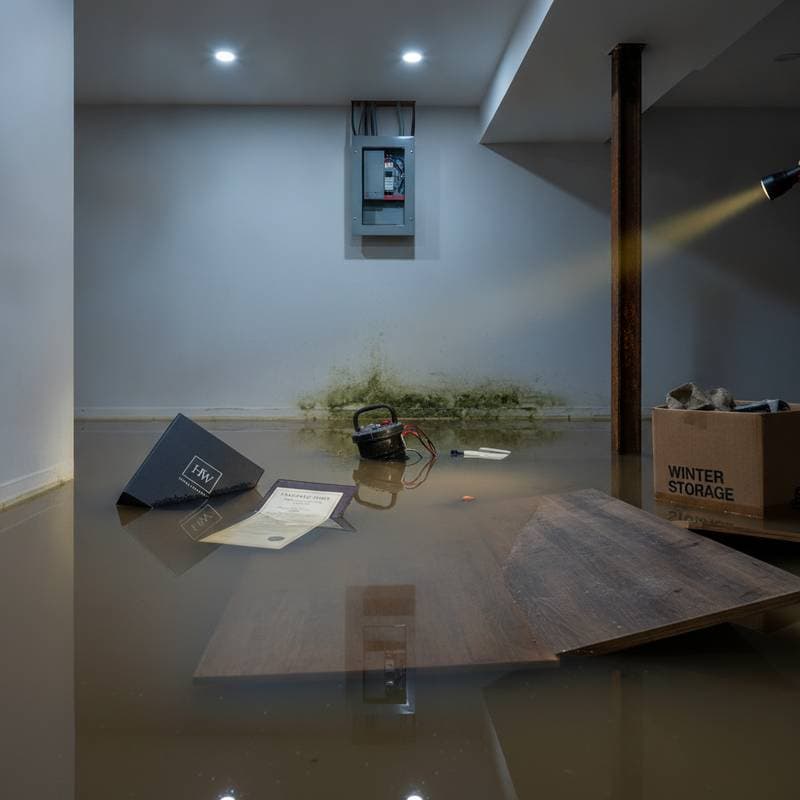
Examples include basements filled with stormwater during a hurricane or ground-level flooding from a nearby creek. Unlike other water issues, flood damage often affects the entire structure and contents simultaneously. Homeowners in flood-prone areas should assess their risk using FEMA flood maps to decide on necessary coverage.
Defining Water Damage
Water damage generally refers to harm caused by leaks, bursts, or plumbing failures within the home. This includes issues like a ruptured pipe, overflowing toilet, or malfunctioning appliance. Homeowners insurance usually covers these incidents, provided they result from sudden and accidental events.
For instance, if a washing machine hose breaks and floods the laundry room, the policy may cover cleanup and repairs up to the policy limits. However, gradual leaks, such as from poor maintenance, often fall under exclusions. Distinguishing these from floods helps in filing the correct claim promptly.
Coverage Under Homeowners Insurance
Standard homeowners insurance protects against many forms of water damage but not floods. Policies typically include coverage for sudden water events, with deductibles ranging from 1% to 5% of the home's value. Payouts cover structural repairs, temporary living expenses, and personal property replacement.
Exclusions apply to events like sewer backups or sump pump failures, which may require separate endorsements. Review your policy declarations page to confirm specifics. Consulting an insurance agent ensures you understand limits, such as the 5% cap on mold remediation in some policies.
The Role of Flood Insurance
Flood insurance, often purchased through the National Flood Insurance Program or private insurers, covers damage from overflowing bodies of water. It includes building coverage for foundations and walls, plus contents coverage for belongings. Average annual premiums range from $500 to $1,500, depending on location and elevation.
This policy pays for debris removal, electrical system repairs, and furnace replacement after a flood. Unlike homeowners insurance, it has a 30-day waiting period before coverage activates. Residents in high-risk zones, designated as Special Flood Hazard Areas, must carry it for federally backed mortgages.
Home Warranties and Their Limitations
Home warranties provide coverage for repairs to major systems and appliances, including some water-related issues like leaky pipes. These plans cost $300 to $600 annually and cover service calls up to a set limit, often $1,500 per item. They differ from insurance by focusing on functionality rather than disaster recovery.
For example, a warranty might pay for fixing a burst water heater but not flood cleanup. Combine warranties with insurance for comprehensive protection. Evaluate providers based on service fees, typically $75 to $125 per claim, and exclusion lists.
Comparing Costs and Coverage Gaps
Homeowners insurance averages $1,200 per year nationally, while flood insurance adds $700 on average. Water damage claims average $10,000, compared to $40,000 for floods, according to industry data. Gaps arise when damage blurs lines, such as sump pump overflow during a storm.
To bridge these, consider adding water backup coverage for $50 to $100 annually. Calculate total exposure by appraising your home's replacement cost. This prevents out-of-pocket expenses that can exceed $50,000 in severe cases.
When to Hire Professionals
Assess damage immediately after an incident to mitigate further harm. Hire licensed water restoration experts for extraction, drying, and mold prevention within 48 hours. Costs range from $1,500 for minor leaks to $20,000 for extensive flooding.
Professionals use industrial dehumidifiers and antimicrobial treatments to restore safety. Document everything with photos and receipts for claims. Avoid DIY repairs on electrical or structural elements to prevent liability issues.
Essential Maintenance Steps
Prevent water issues through routine inspections. Clean gutters twice yearly to avoid roof overflows, and ensure downspouts direct water at least five feet from foundations. Install sump pumps with battery backups in basements.
Test plumbing annually for leaks and elevate appliances in flood zones. Seal cracks in walls and maintain landscaping slopes away from the home. These measures reduce claim frequency and lower premiums over time.
Securing Your Financial Protection
Review policies annually to match your property's value and risks. Bundle flood and homeowners coverage for discounts up to 15%. Build an emergency fund covering your deductible to handle immediate costs.
Consult local experts for personalized advice. By understanding these distinctions, homeowners gain peace of mind and financial security against water threats.