Understanding What Solar Panel Home Warranties Cover
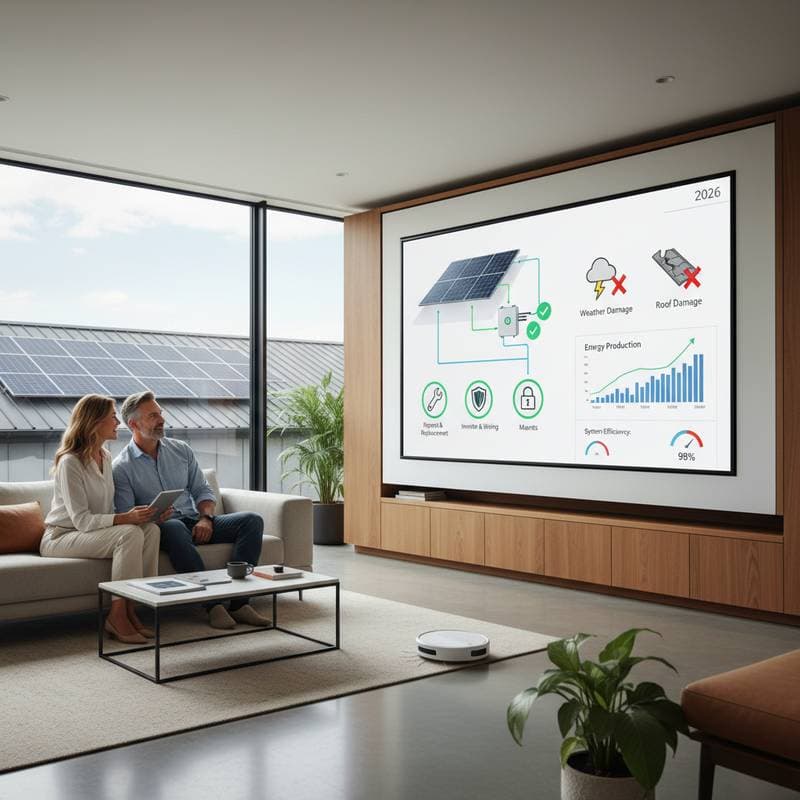
Home warranties for solar panels provide essential protection by covering the repair or replacement of critical system components that fail from normal wear and tear. These plans step in after the manufacturer's warranty expires, typically after 10 to 25 years depending on the part. However, coverage does not extend to damage resulting from severe weather events, improper installation, or structural issues such as roof leaks.
Solar panel systems represent a significant investment, often costing tens of thousands of dollars. A reliable home warranty ensures that unexpected failures do not lead to prohibitive repair bills. Homeowners benefit from peace of mind, knowing that essential functionality remains intact without interrupting energy production or increasing utility costs.
Summary Box
- Definition: A service agreement that covers repair or replacement costs for solar panel system components beyond the original manufacturer warranty period.
- Importance: Shields against substantial repair expenses, which can exceed $1,000 for inverters alone, and maintains consistent energy output.
- Average Premium: $30 to $75 monthly as an add-on to a standard home warranty, equating to $360 to $900 annually.
- Professional Intervention Needed: For tasks involving roof access, electrical connections to the home panel, or inverter diagnostics.
- Processing Timeline: Claims receive approval within 1 to 3 business days; repairs complete in 1 to 2 weeks under normal circumstances.
- Recommended Upkeep Schedule: Perform cleaning and visual inspections every 6 to 12 months to optimize performance and extend component life.
How Solar Warranty Coverage Operates
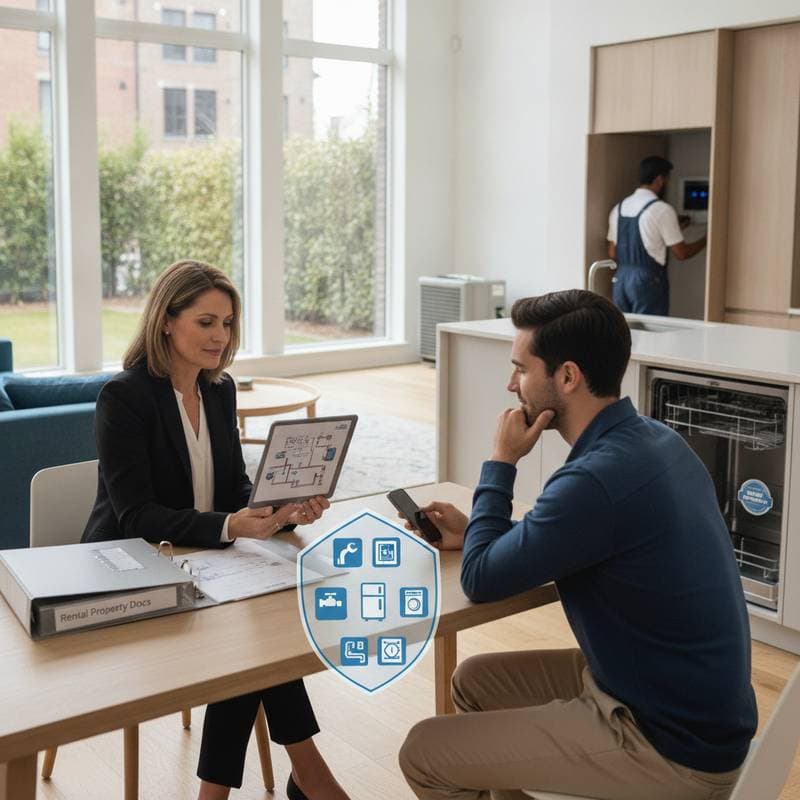
Home warranty providers partner with networks of certified technicians and contractors to manage solar-related claims efficiently. When a component malfunctions, the homeowner submits a claim through the company's designated channels. The provider dispatches a qualified professional to assess the issue, covers the costs of approved parts and labor, and requires the homeowner to cover a service call fee, generally ranging from $75 to $125 per visit.
Key components often included in coverage encompass those central to system operation. Inverters, which transform direct current from panels into usable alternating current for the home, qualify for repair if they degrade from age or operational stress. Monitoring systems, including sensors and digital interfaces that oversee energy production and system health, receive protection against hardware failures.
Wiring and connectors, vital for transmitting power from panels to junction boxes and the main electrical panel, fall under coverage for wear-induced breaks or shorts. Mounting hardware, such as racking systems and brackets that secure panels to roofs or ground mounts, benefits from repairs due to corrosion or loosening over time.
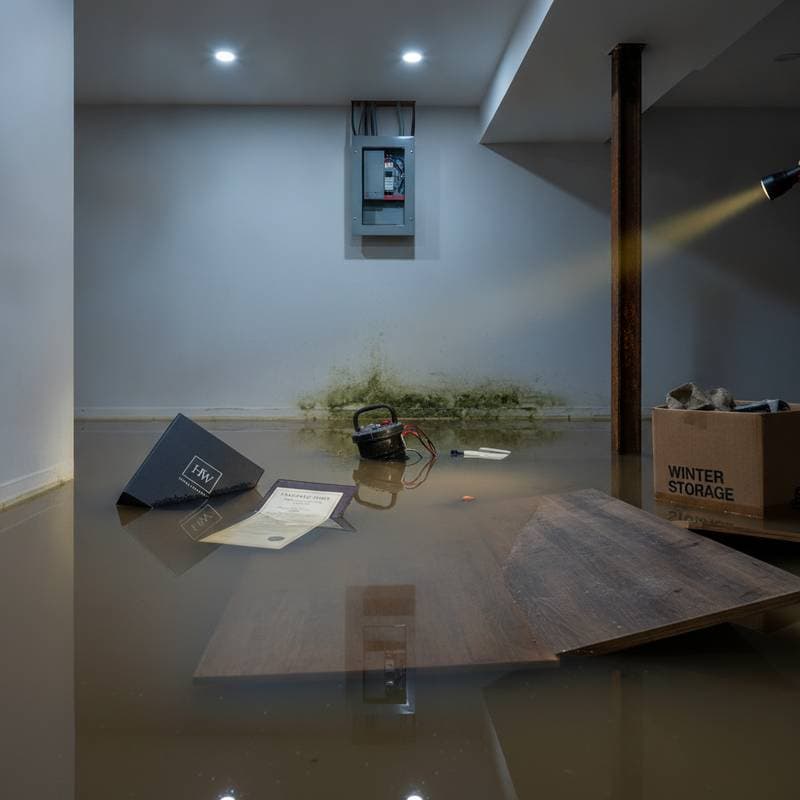
Exclusions remain consistent across most plans to manage risk. Providers do not cover damage from natural disasters like hail, high winds, or lightning strikes. Corrosion from environmental exposure, failures due to neglected maintenance, or alterations by unqualified individuals also fall outside standard terms. Homeowners must review policy fine print to understand these boundaries fully.
Step-by-Step Guide to Filing a Solar Home Warranty Claim
Navigating a claim process requires preparation to ensure smooth resolution. Begin by verifying that the affected component appears in your policy's coverage list, often detailed in an addendum for renewable energy systems.
Next, initiate the claim promptly by contacting the warranty provider via telephone, mobile app, or online portal. Provide a clear description of the problem, such as reduced output from an inverter or visible damage to wiring, along with your policy number and contact details.
The company then arranges for a technician's site visit, usually within 48 to 72 hours. During inspection, the professional diagnoses the root cause using specialized tools like multimeters for electrical testing or thermal imaging for hot spots.
Upon confirmation of a covered issue, the provider authorizes the necessary repairs or replacements. The contractor performs the work, and the company reimburses eligible expenses directly or through billing. At the appointment, the homeowner settles the service fee, which applies regardless of claim approval.
Documenting the incident strengthens your case. Capture photographs of the malfunctioning part, record system performance data from monitoring apps, and note any error codes displayed on inverters. These elements assist in expediting approval and preventing disputes over coverage eligibility.
DIY Maintenance Versus Professional Services
Homeowners face choices between self-managed upkeep and expert assistance, each with distinct advantages and limitations. The table below compares key aspects to guide decisions.
| Factor | DIY Approach | Professional Service |
|---|---|---|
| Required Expertise | Limited to basic visual checks and surface cleaning | Certified electrician or solar specialist with NABCEP certification |
| Safety Concerns | Elevated risks from heights, live wires, and falls | Controlled through safety gear, insurance, and protocols |
| Necessary Tools | Basic items like ladders, soft brushes, and voltmeters | Advanced equipment including lifts, diagnostic scanners, and calibration devices |
| Regulatory Requirements | None for non-invasive tasks like debris removal | Mandatory permits and inspections for electrical modifications |
| Time Investment | 1 to 2 hours per session for routine cleaning | 1 to 2 weeks total for assessment, approval, and execution |
| Effect on Warranty | No impact if limited to approved maintenance | Preserves coverage only if performed by licensed providers |
Limit DIY efforts to safe, superficial activities such as washing panels with deionized water and gentle brushes to remove dust or pollen. Avoid any manipulation of electrical components, roof penetrations, or software resets, as these demand professional oversight to comply with safety codes and avoid voiding warranties.
Essential Maintenance Practices and Expected Lifespan
Proper care significantly influences the durability of solar installations. Photovoltaic panels endure 25 to 30 years or longer under optimal conditions, retaining at least 80 percent efficiency throughout. Schedule biannual cleanings using non-abrasive methods to prevent shading from accumulated grime, which can reduce output by up to 20 percent.
Annual inspections should focus on mounting integrity, checking for loose bolts or rust on rails. Examine wiring for insulation cracks or rodent damage, and ensure connections remain secure. In areas with heavy vegetation, trim overhanging branches to avoid shading and physical contact with panels.
Inverters typically operate for 10 to 15 years before efficiency drops below viable levels. Monitoring hardware varies, with sensors lasting 5 to 10 years depending on exposure. Home warranties often operate on annual renewal cycles, so evaluate policy updates each year to confirm alignment with evolving system needs and provider terms.
Neglecting maintenance accelerates wear, potentially leading to premature failures and denied claims. Proactive habits not only extend lifespan but also maximize return on investment through sustained energy savings.
Regional and Environmental Considerations
Coverage effectiveness depends on local conditions, requiring tailored plan selection. In regions with harsh winters, prioritize warranties that address snow accumulation loads on panels or freeze-thaw cycles affecting mounts. Providers may specify minimum structural ratings for covered hardware in these areas.
Arid, high-temperature climates accelerate inverter degradation through thermal cycling. Seek explicit inclusion for heat-related failures, as ambient temperatures above 104 degrees Fahrenheit can shorten operational life by 25 percent.
Coastal or humid environments introduce challenges from salt spray and moisture, which corrode connectors and frames. Opt for policies covering marine-grade components, or ensure panels carry appropriate corrosion-resistant certifications.
High-risk storm areas face frequent exclusions for wind, hail, or flooding damage. Integrate solar-specific riders with homeowners insurance to bridge these gaps, providing comprehensive protection against acts of nature.
Regulatory landscapes vary by jurisdiction. Certain states mandate that all solar electrical work occurs under licensed installers, with utility companies requiring post-repair inspections before grid reconnection. Familiarize yourself with local building codes to avoid compliance issues during claims.
Securing Long-Term Solar System Protection
Selecting and maintaining a home warranty demands careful evaluation of providers' reputations, network coverage in your area, and explicit solar endorsements. Compare quotes from multiple companies, focusing on those with strong customer service ratings and flexible claim processes.
Integrate warranty protection with routine professional audits, ideally every two years, to identify potential issues early. This combination minimizes disruptions, optimizes energy production, and preserves the financial benefits of solar adoption. By staying informed and diligent, homeowners ensure their systems deliver reliable, cost-effective power for decades.