How Much Does Solar Roof Integration Cost? 2025 Pricing Guide
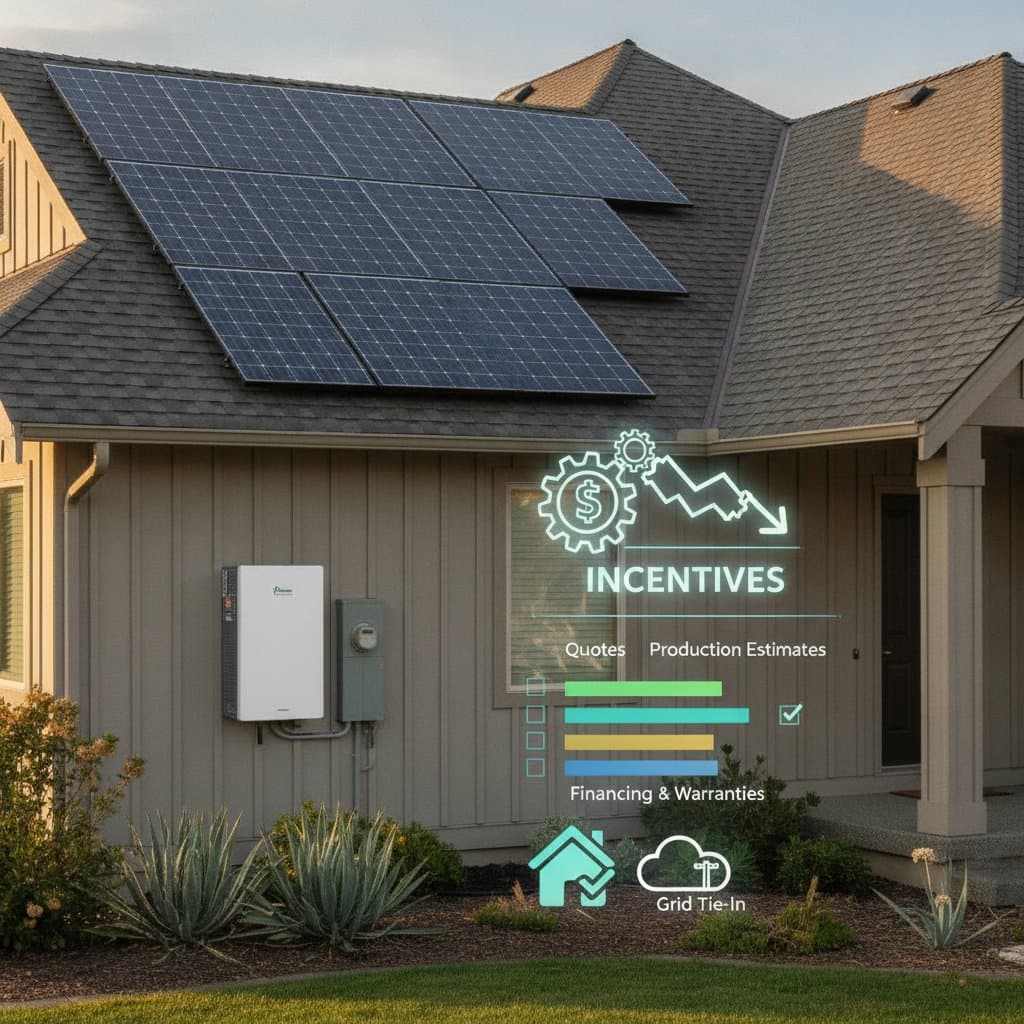
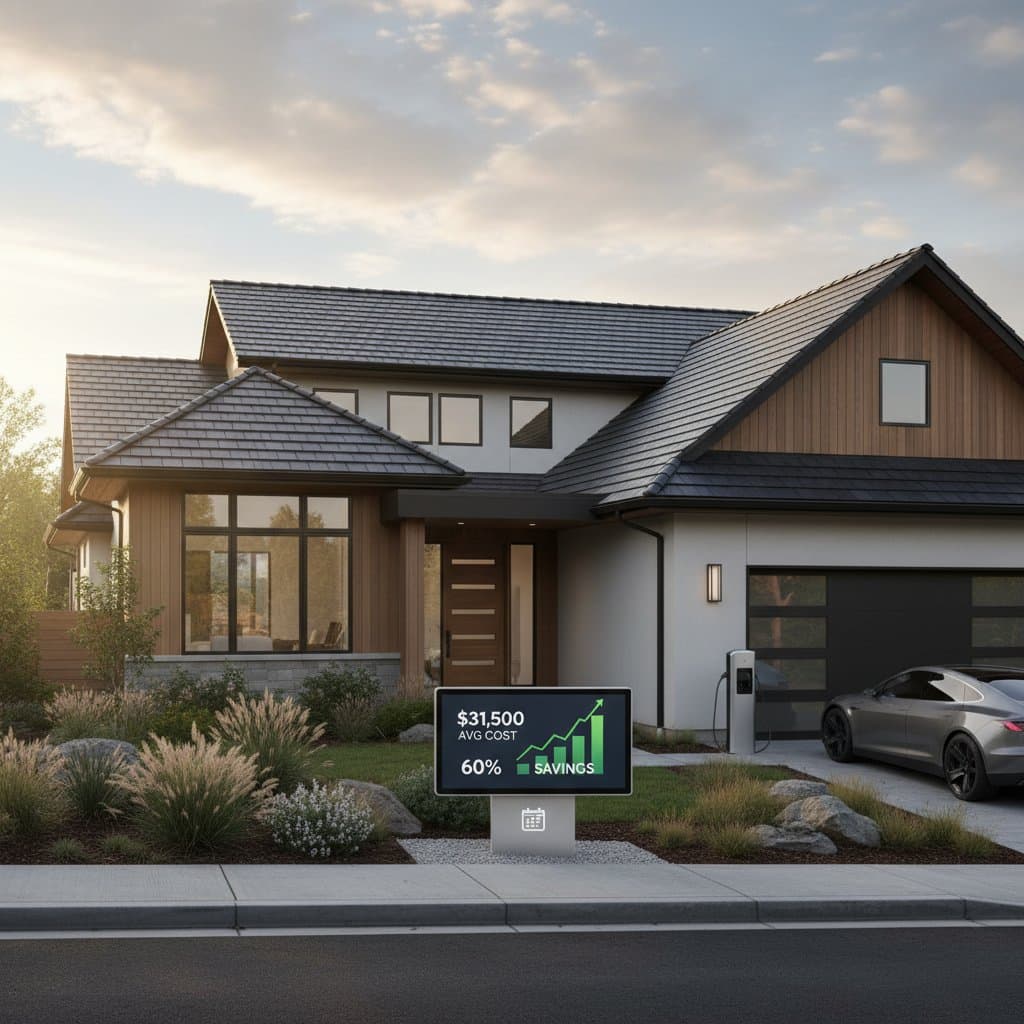
Solar roof integration converts a conventional roof into an energy-producing structure that lowers utility bills and enhances property value. The cost for professional installation ranges from $18,000 to $55,000, with the average for a typical home at $31,500.
Three primary factors shape the total expense: system size and energy output, roof material and installation complexity, and equipment brand or technology. Regional labor rates and available incentives further affect pricing. Effective solar integration reduces household electricity expenses by up to 60 percent, based on data from the Solar Energy Industries Association. This investment promotes energy independence, elevates home value over time, and decreases ongoing utility payments.
Detailed Cost Breakdown
Pricing for solar roof integration varies with system capacity, expressed in kilowatts (kW), and the installation approach. A compact 4 kW system typically costs $12,000 to $18,000. Medium 6 kW systems fall between $20,000 and $30,000, whereas larger 10 kW systems extend to $45,000 to $55,000. Many installers impose a minimum fee of about $3,000 to handle design, permitting, and initial labor.
At the 25th percentile, expenses average $20,000. The national median sits at $31,500, and the 75th percentile climbs to $45,000. These amounts cover the full installed system, including panels, inverters, mounting components, and electrical connections.
Size and Scope Considerations
Each additional kilowatt of capacity increases the total by approximately $3,000 to $3,800. For instance, expanding from a 5 kW to an 8 kW system adds about $9,000. Residences with expansive roofs or substantial energy demands necessitate more panels, wiring, and inverter capacity. Reports from EnergySage indicate that each square foot of solar tile integration averages $22 to $28, influenced by roof pitch and access ease.
Material and Quality Options
Entry-level systems employ polycrystalline panels at $2.50 to $3.00 per watt, achieving 15 percent efficiency over a 20-year period.
Mid-range options incorporate monocrystalline panels from manufacturers such as Q CELLS or Canadian Solar, priced at $3.50 to $4.25 per watt, with a service life of around 25 years.
Premium systems, including Tesla Solar Roof or CertainTeed Apollo II, blend seamlessly with roofing for aesthetic appeal and durability. These command $5.50 to $7.00 per watt, yet provide 25-year warranties and can increase resale value by up to 4 percent, per Zillow housing analysis.
Complexity Influences
Elements like roof pitch, necessary structural supports, and electrical modifications can elevate costs by 10 to 25 percent. Tile or metal roofs demand more labor than asphalt shingle surfaces. In urban settings, labor rates exceed national averages by 15 percent in locations such as San Francisco or New York. Compliance with local regulations, conduit installation, and attic access also impact estimates. Installers often highlight these as key variables in bids discussed on forums like Reddit's r/solar and in YouTube installation videos.
Service Types and Pricing Details
Basic Integration Package
A fundamental package encompasses:
- System design and permitting
- Panel or tile mounting
- Inverter linkage
- Electrical evaluation
This option ranges from $18,000 to $28,000 for standard homes and requires four to six days. It fits properties with straightforward roof designs and average energy consumption, delivering dependable results without bespoke elements.
Premium Integration Package
Advanced packages feature energy storage solutions like Tesla Powerwall or Enphase IQ Battery, sophisticated monitoring tools, and superior roofing. Storage addition raises costs by $10,000 to $16,000, supporting off-grid capability and greater autonomy. Overall, premium setups cost $35,000 to $55,000, yielding substantial savings via minimized grid dependence.
Add-On Services
| Add-On Service | Average Cost | Savings When Bundled |
|---|---|---|
| Roof replacement prior to install | $8,000 to $12,000 | 10% discount |
| Smart home energy monitor | $600 to $1,200 | 5% efficiency gain |
| Power optimizer upgrade | $1,000 to $2,000 | 3% output improvement |
| Cleaning and maintenance plan | $200 to $400 per year | 10% extended panel life |
Combining roof repairs with solar work minimizes duplicated efforts and broadens warranty protections.
Professional Installation Versus DIY
DIY Cost Overview
Certain homeowners consider DIY kits from suppliers like Renogy or Grape Solar. A 6 kW kit materials cost $9,000 to $11,000. Essential tools, such as inverters, safety gear, mounts, drills, and wiring, add $500 to $1,000. Effort spans 40 to 60 hours, excluding inspection waits. Unforeseen expenses like permits, insurance, and possible roof harm push the full DIY total to $13,000 to $15,000.
Benefits of Professional Services
Engaging certified experts increases initial outlay by 25 to 35 percent, but guarantees regulatory adherence, warranty validity, and peak performance. Professionals offer liability insurance valued in thousands and utilize advanced tools like thermal scanners and precision torque devices. Most owners recover this premium within five to seven years via enhanced efficiency and assured durability.
Strategies to Reduce Costs
Schedule installations in off-peak periods, such as early spring or late fall, to cut labor by 5 to 10 percent and improve contractor availability. Obtain at least three estimates via services like EnergySage or Thumbtack to potentially decrease costs by 15 percent. Opt for cash payments or targeted financing to access vendor incentives.
Realizing Long-Term Benefits
Solar roof integration secures financial returns through bill reductions and property appreciation. Homeowners achieve energy resilience against rising rates and contribute to sustainable practices. Evaluate your roof's suitability and consult local experts to initiate this upgrade, ensuring alignment with your household needs and budget goals.