Understanding Mold Coverage in Home Warranties for 2026
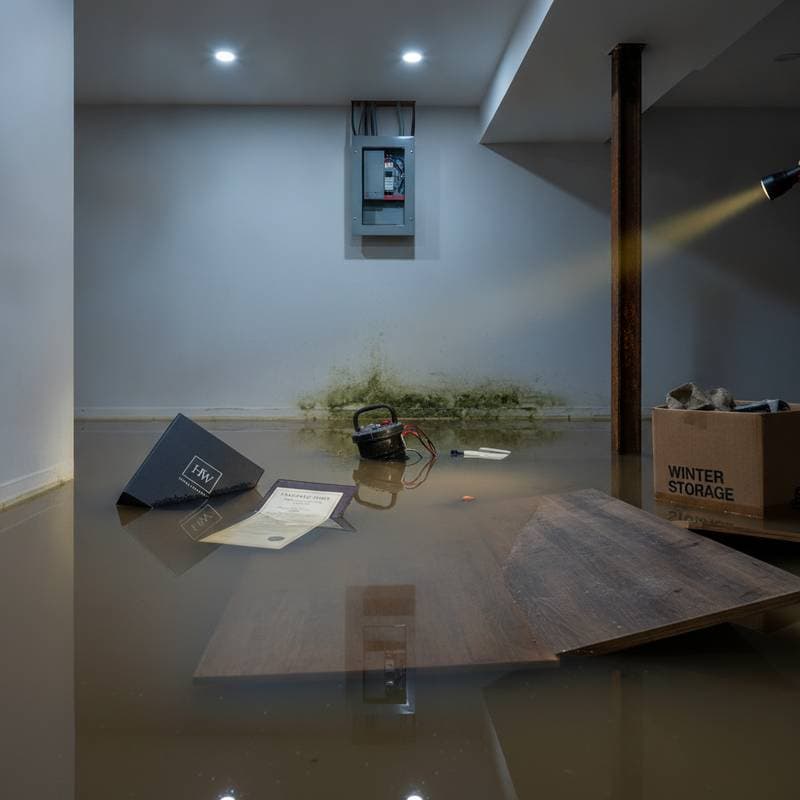
Mold represents a common yet perplexing challenge within home warranty policies. Homeowners frequently expect comprehensive support for mold issues, but contracts reveal numerous limitations. A thorough examination of policy language, expense breakdowns, and provider definitions clarifies these boundaries. While warranties address mechanical breakdowns, mold typically qualifies as an environmental concern, leading to frequent exclusions and conditional approvals.
Core Components of Home Warranty Protection
Home warranties focus on repairs for mechanical systems and appliances that experience failure during ordinary operation. Standard inclusions encompass HVAC systems, water heaters, plumbing fixtures, and electrical components. The emphasis remains on "mechanical failure," which distinguishes these from environmental hazards like mold.
Most policies explicitly exclude mold remediation, cleanup, or associated structural fixes. Certain providers extend optional riders for basic mold services, yet these carry rigid constraints. For instance, coverage might extend to $500 for mold tied to a verified plumbing leak, but exclude instances stemming from inadequate ventilation, roof breaches, or water intrusion. Homeowners must parse these distinctions within the policy details to gauge true applicability.
Breaking Down Costs and Potential Outlays
Evaluating mold-related protection involves analyzing initial fees alongside unforeseen expenses. Standard plans feature monthly premiums combined with service call fees ranging from $75 to $125. Even with partial mold inclusion, maximum reimbursements often prove insufficient, as professional remediation frequently surpasses $2,000.
Policies may enforce overall limits on categories of claims. Consider a $2,000 annual cap for plumbing matters; repairs to pipes could exhaust this, leaving no funds for subsequent mold treatment from the identical incident. Homeowners gain clarity by mapping how per-claim, category, and yearly limits intersect, thereby anticipating coverage shortfalls.
Navigating the Claims Procedure
Familiarity with the claims workflow equips homeowners to identify potential obstacles for mold submissions. The process unfolds in these stages:
- Filing the claim: Submit details via the provider's online system or phone support.
- On-site evaluation: A licensed technician examines the site to assess the root cause.
- Review and decision: The provider analyzes the findings to confirm eligibility under the policy.
- Execution of services: Approved mechanical repairs proceed, with mold work included only if directly linked.
- Post-service obligations: Document preventive measures, such as sealing leaks or enhancing airflow, to support future claims.
Providers may contest the origin of mold growth, resulting in delays or segmented approvals that cover only system fixes while denying environmental cleanup. This separation often shifts substantial costs to the homeowner.
Key Restrictions and Common Rejection Reasons
Policy sections on mold outline precise exclusions that trigger denials. Frequent bases for rejection encompass:
- Growth from roof leaks, floods, or soil moisture infiltration
- Development due to neglected upkeep, like unresolved drips
- Presence in zones unrelated to protected appliances or systems
- Conditions existing prior to policy activation
- Issues arising from faulty setup or building code infractions
Providers often demand proof of routine maintenance, including logs of checks and fixes. Absence of such evidence allows denial under terms of owner oversight.
Assessing the Economic Scope of Mold Protection
Financially, home warranty mold provisions offer limited shielding rather than full indemnity. Modest reimbursement ceilings and stringent criteria position them as auxiliary measures. When selecting plans, compare these constraints to alternatives like dedicated savings for repairs.
Residents in moisture-prone areas or with aging homes find greater returns in proactive steps: superior ventilation setups, scheduled professional assessments, and humidity management tools. Broader safeguards often reside in specialized insurance add-ons or environmental policies that extend beyond warranty scopes.
Steps to Secure Your Home Effectively
- Obtain and review complete policy documents prior to commitment
- Scrutinize clauses on water damage, leaks, and ecological hazards
- Seek documented explanations of limits and processing protocols
- Maintain detailed files of upkeep activities and evaluations
- Align warranty benefits with homeowner's insurance for comprehensive overlap
Integrating mold awareness into a holistic property care plan empowers informed choices. Prioritize policy comprehension, record-keeping, and early intervention on dampness to minimize claim dependencies and preserve financial stability.