New Safety and Warranty Standards for Solar Batteries
The solar energy sector faces significant updates with the introduction of 2026 standards for battery systems. These regulations establish stricter guidelines for safety, warranties, and grid integration. Homeowners and installers alike must adapt to ensure systems remain reliable and eligible for incentives.
These changes stem from a need to address risks such as overheating and electrical faults in lithium-ion batteries commonly used in solar setups. Authorities aim to enhance fire prevention and system durability. As a result, all new installations after 2026 require certified components and documented compliance.
For existing systems, retrofitting may become necessary to maintain warranty coverage. Manufacturers update policies to align with these rules, often extending warranties only to compliant setups. This shift influences costs, with initial expenses rising by up to 15 percent due to enhanced materials and inspections.
Understanding the Core Requirements
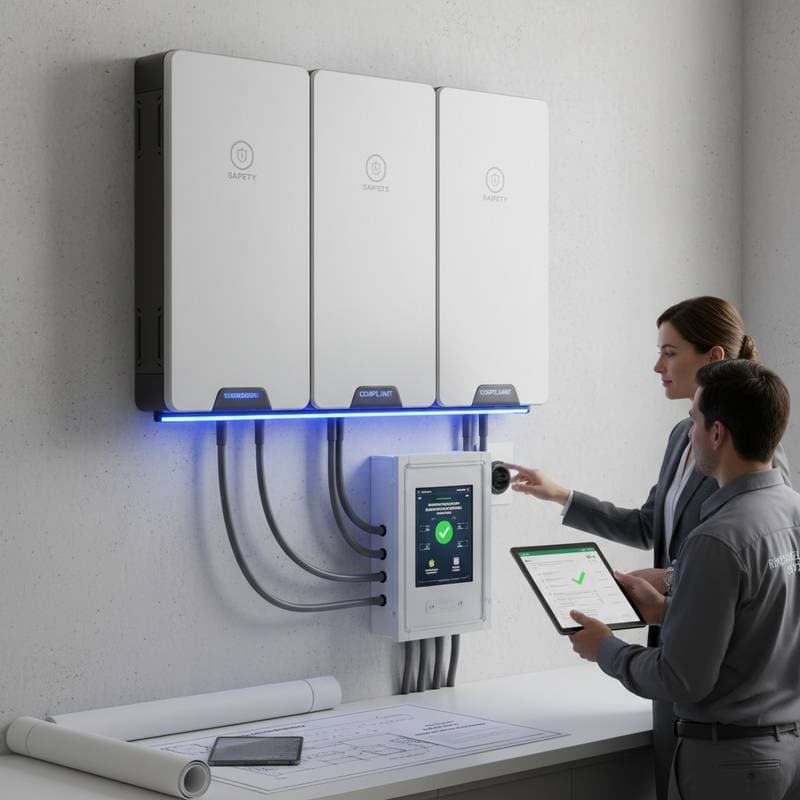
Safety forms the foundation of the 2026 standards. Batteries must undergo rigorous testing for thermal runaway prevention, including built-in cooling mechanisms and automatic shutoff features. Labeling requirements now mandate clear warnings on hazards and emergency procedures.
Warranty standards introduce minimum durations of 10 years for performance guarantees, with prorated coverage based on capacity retention. Systems failing to meet grid compliance face voided warranties. Compliance involves third-party certifications from recognized bodies, ensuring interoperability with utility networks.
Grid integration rules require batteries to support demand response programs, allowing utilities to manage peak loads. This feature promotes energy efficiency but demands compatible inverters and software updates. Non-compliant systems risk disconnection during high-demand periods.
Impacts on Homeowners and Installations
Homeowners encounter higher upfront costs for certified batteries, yet long-term savings emerge through extended warranties and reduced maintenance. DIY installations face limitations, as standards prohibit self-certification for systems over 10 kilowatt-hours. Professional oversight becomes mandatory to validate safety measures.
Insurance providers adjust policies to favor compliant setups, offering premium discounts for verified installations. Resale value increases for homes with documented solar batteries, appealing to eco-conscious buyers. However, delays in permitting could extend project timelines by several weeks.
Businesses in the solar industry must retrain staff on new protocols, impacting service availability. Suppliers stockpile certified inventory to meet demand, potentially causing short-term shortages. Overall, these standards elevate industry reliability while challenging short-term operations.
Actionable Steps for Compliance
Begin by assessing your current solar battery system. Review manufacturer documentation to identify certification status and warranty terms. Contact the installer or supplier for an audit if the setup predates 2026.
Gather essential records, including permits, inspection reports, and maintenance logs. Digital storage facilitates easy access during annual reviews. Schedule a professional inspection within the next six months to benchmark against upcoming rules.
For new installations, select batteries from the approved list published by regulatory agencies. Verify inverter compatibility early to avoid rework. Budget for additional safety features, such as fire-rated enclosures, which add protection without excessive cost.
Preparation Checklist for Installation
- Safety Gear: Equip with insulated gloves rated for high voltage, safety glasses to shield against sparks, and a ventilation fan for indoor work to disperse fumes.
- Permits Needed: Obtain electrical permits for wiring connections and building permits for structural mounting to ensure code adherence.
- Prep Tasks: Clear the mounting wall of obstructions, verify breaker panel capacity exceeds system requirements, and confirm strong Wi-Fi signal strength for remote monitoring.
- Weather or Site Constraints: Schedule installation during mild conditions, avoiding heavy rain that could compromise electrical work or extreme cold below 40 degrees Fahrenheit, as adhesives and sealants require stable temperatures for proper curing.
Follow these steps sequentially to minimize errors. Professional installers often provide compliance checklists tailored to local variations.
Installation Best Practices Under New Rules
Site selection plays a critical role in compliance. Position batteries in well-ventilated areas away from flammable materials, adhering to minimum clearance distances outlined in standards. Ground mounting options suit larger systems, while wall mounts demand reinforced supports.
During wiring, use color-coded cables and secure connections with torque specifications to prevent loosening. Integrate monitoring software that alerts for anomalies like temperature spikes. Test the full system post-installation, simulating grid outages to confirm backup functionality.
Annual maintenance includes visual inspections for corrosion and software updates for firmware. Document each service to support warranty claims. These practices not only meet standards but also optimize performance, extending battery life beyond the minimum warranty period.
Protecting Your Solar Investment
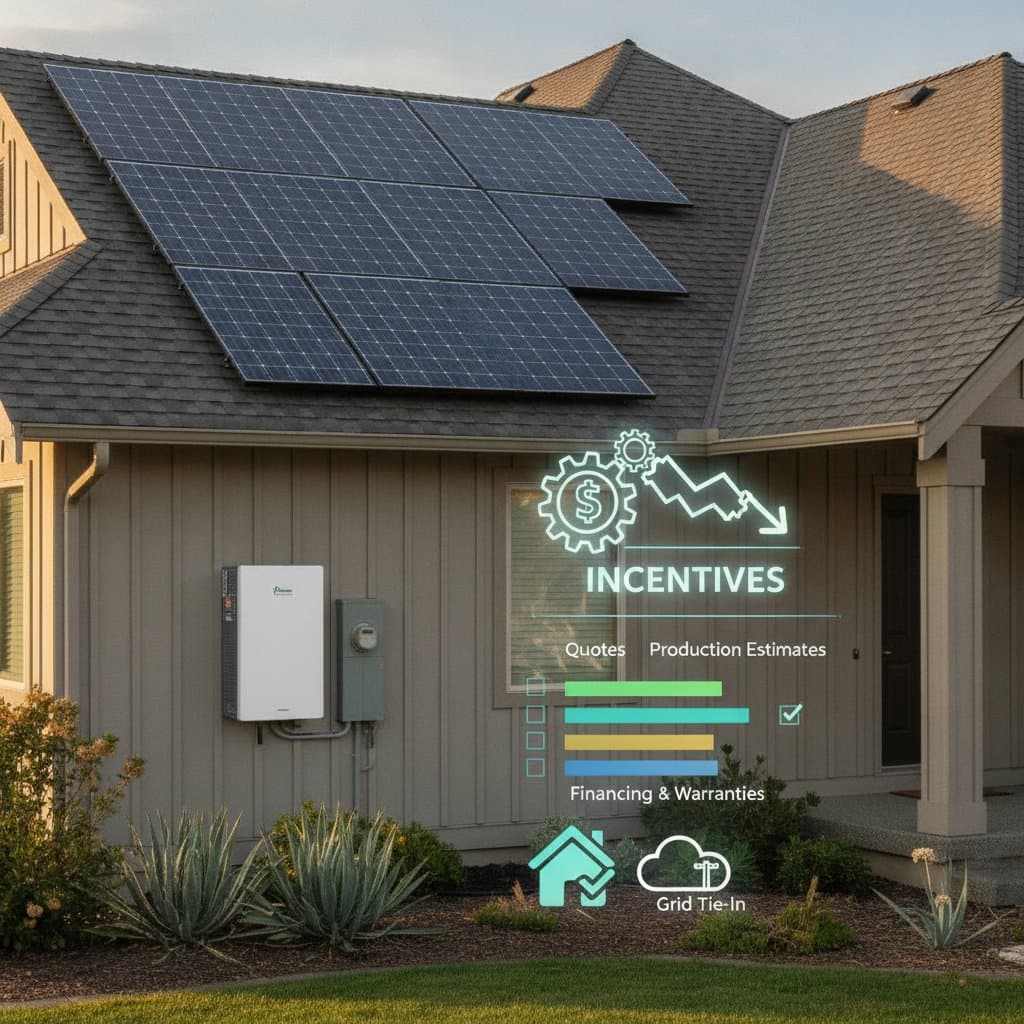
Adopting these standards secures your home's energy independence. Compliant systems access federal tax credits and state rebates, offsetting initial investments. Reliable performance during outages provides peace of mind and potential savings on utility bills.
Review your setup today and consult local experts for personalized guidance. Proactive compliance transforms regulatory changes into opportunities for enhanced efficiency and value. Your solar battery system stands ready to power a sustainable future.