Are HVAC Filter Subscriptions Worth It in 2025? A Cost Comparison with DIY Options
Quick Facts on HVAC Filter Costs and Maintenance
National average cost: 120 to 240 dollars per year for subscriptions
Typical range: 100 to 300 dollars per year, depending on filter type and delivery frequency
Low end and high end: 60 dollars for basic DIY bulk packs; up to 400 dollars for premium subscription plans with custom features
Time required per change: 10 to 20 minutes for most homeowners
Recommended approach: DIY for standard systems; professional assistance for complex setups
Potential benefits: Clean filters reduce energy consumption by up to 10 percent and prevent premature system failures, indirectly boosting resale value
Last updated: March 2025
Homeowners often seek ways to maintain heating, ventilation, and air conditioning systems efficiently. In 2025, filter subscriptions offer scheduled deliveries and reminders, yet they frequently double the expense of do-it-yourself replacements. This guide examines costs, factors influencing expenses, and strategies to minimize spending while ensuring optimal air quality and system performance.
Understanding Cost Factors for HVAC Filters
Several elements determine the overall expense of maintaining HVAC filters. These include the scale of the system, filter specifications, installation challenges, and external influences like labor and location.
System Scope and Size
A typical single-family home with a central HVAC unit requires 6 to 12 filters annually, based on monthly or bimonthly changes. Larger properties or those with multiple zones, such as vacation homes, can demand twice as many replacements. Subscriptions often scale pricing to match this usage, but bulk DIY purchases provide flexibility without commitment.
Filter Material and Quality
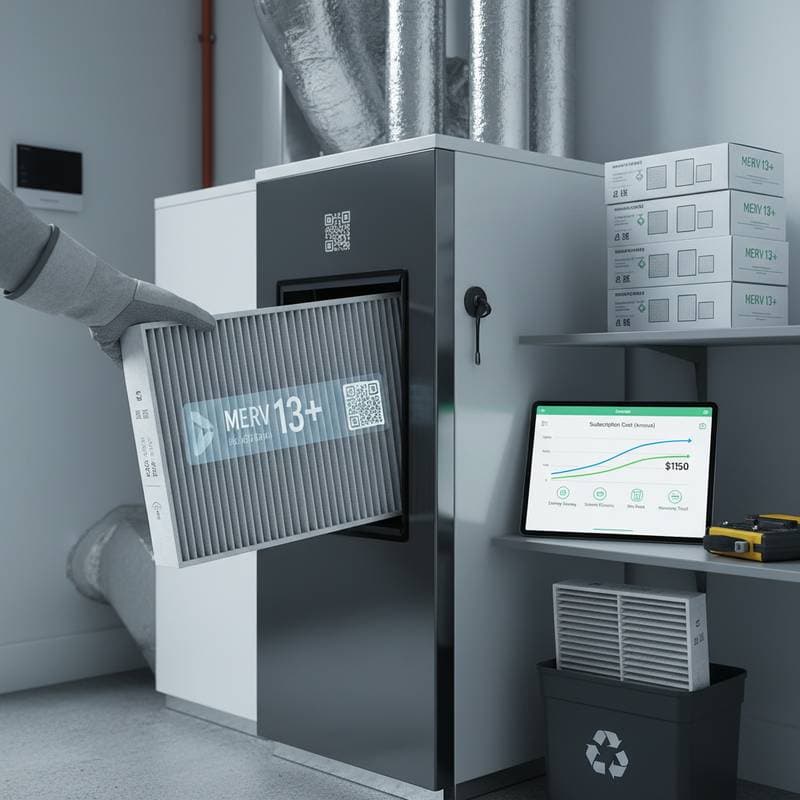
Filters vary by Minimum Efficiency Reporting Value, or MERV, ratings from 1 to 16. Basic filters with low MERV ratings capture larger particles like dust and pet hair at a lower cost, typically under 10 dollars each. Higher-rated options, such as MERV 13 or above, trap finer allergens and pollutants but increase prices to 20 dollars or more per unit. Systems must accommodate high-MERV filters to avoid reduced airflow, which strains components and raises energy bills.
Accessibility and Site Conditions
Filter locations affect replacement ease. Units in accessible spots, like return air vents in basements, allow quick swaps. However, those in attics, crawl spaces, or behind furniture extend the process, potentially adding 10 minutes or more. Inaccessible setups may lead to skipped changes, accumulating debris that elevates operating costs by 5 to 15 percent through decreased efficiency.
Labor and Seasonal Influences
Most replacements suit DIY efforts, requiring only basic tools like a screwdriver. Hiring professionals during peak seasons, such as summer air conditioning surges, incurs labor fees of 50 to 100 dollars per visit. Subscriptions sometimes include technician services, but these inflate annual totals beyond simple DIY methods.
Customization and Additional Fees
Non-standard systems, including those with unique filter dimensions or multi-stage filtration, necessitate custom orders. Subscriptions may charge setup fees of 20 to 50 dollars for tailored plans. Change orders, like upgrading MERV levels mid-year, further adjust costs, emphasizing the need for upfront planning.
Strategies to Reduce Costs Effectively
Homeowners can achieve savings without compromising system health by adopting targeted approaches. Focus on self-management, informed selections, and thorough comparisons to align maintenance with budget goals.
-
Purchase in Bulk for Self-Managed Schedules
Bulk packs of 6 to 12 filters reduce per-unit costs by 20 to 30 percent compared to individual buys. Store extras in a cool, dry area to preserve integrity. Track replacement dates using calendar apps or thermostat alerts to maintain consistency. -
Select Appropriate MERV Ratings
Residential systems generally perform best with MERV 8 to 11 filters, balancing particle capture and airflow. Consult your unit's manual or manufacturer specifications before selecting higher ratings, as mismatches can increase energy use by 5 percent or shorten motor life. -
Leverage Free Reminders Over Paid Services
Smart thermostats and maintenance apps provide automated notifications at no extra cost. If your routine already includes quarterly checks, subscriptions add unnecessary expense. Reserve them for forgetful households or rental properties. -
Evaluate Multiple Options Thoroughly
Review at least three providers, noting delivery schedules, shipping fees, and compatibility. Odd-sized filters often incur surcharges of 10 to 20 dollars. Prioritize plans with flexible pausing or cancellation to avoid locked-in commitments.
Essential Comparison Checklist
- Confirm itemized details on filter quantity and specifications
- Verify exact size and MERV rating matches
- Include all shipping and handling charges
- Review policies for cancellation, skipping deliveries, or refunds
- Check for warranties covering filter performance or satisfaction guarantees
- Ensure payment aligns with actual delivery intervals
- Integrate with Broader Maintenance Packages
Pair filter needs with energy audits or duct cleanings offered by HVAC firms. Membership programs might bundle deliveries for 10 to 20 percent less than standalone subscriptions. Calculate long-term value, including potential rebates for efficiency improvements.
Scheduling and Implementation Timeline
Efficient planning ensures timely replacements without disruptions. Subscriptions streamline logistics, but DIY methods offer control over pacing.
Material Delivery Times
Standard subscription services dispatch orders within 3 to 7 days, aligning with reminder schedules. Custom or specialty filters extend lead times to 2 to 3 weeks, so anticipate needs during off-peak periods to avoid delays.
On-Site Replacement Duration
DIY changes take 10 to 20 minutes, involving shutting off the system, removing the old filter, inserting the new one, and restarting. Professional visits, often part of tune-ups, last 15 to 30 minutes per unit, including basic inspections.
Key Inspection Opportunities
Incorporate filter checks during biannual maintenance. Technicians assess airflow restrictions, coil cleanliness, and plenum mold, validating the effectiveness of regular swaps. Early detection prevents issues like 20 percent efficiency losses from clogged filters.
Regional Considerations for Filter Maintenance
Local environments influence replacement frequency and type. Adjust strategies to match climate and surroundings for optimal results.
In humid areas, such as coastal regions, moisture accelerates mold growth, necessitating changes every 4 to 6 weeks. Dust-heavy locales, including those near construction or rural roads, may require biweekly swaps to maintain air purity. Cold climates extend heating cycles, halving filter life through prolonged operation; opt for durable, high-capacity options.
Optimizing Your HVAC Maintenance Routine
Regular filter care extends system longevity by 5 to 10 years and cuts energy costs. By weighing subscription convenience against DIY savings, homeowners secure clean air and reliable performance. Start with a system assessment, select cost-effective supplies, and monitor usage to refine your approach over time. This proactive stance not only preserves budgets but also enhances indoor comfort year-round.