Solar Panels: What Fails First and Warranty Realities
Solar panel installations represent a strategic home improvement that generates long-term financial returns. Owners benefit from reduced electricity expenses, enhanced property values, and diminished environmental impact. However, the overall system's reliability hinges on the resilience of its most vulnerable elements. A thorough grasp of initial failure points, warranty mechanics, and available safeguards equips owners to sidestep substantial unforeseen expenditures.
Essential Considerations Before Installation
Prior to committing to a solar agreement or approving a proposed configuration, evaluate these critical aspects to build a robust foundation:
- Component Quality: Solar panels, inverters, mounting racks, and electrical wiring degrade at varying rates based on material specifications and manufacturing standards.
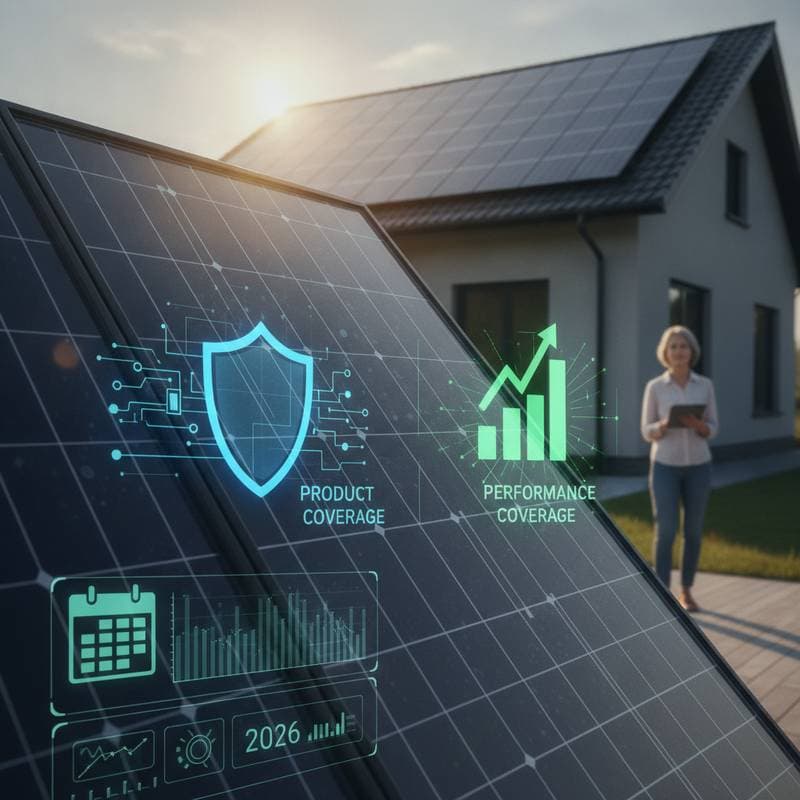
- Warranty Categories: Distinct warranties address manufacturing defects, energy production guarantees, and installation quality, each with unique terms and durations.
- Provider Longevity: The value of any warranty depends on the issuing company's financial health and commitment to claims fulfillment.
- Installer Expertise: Substandard installation practices frequently lead to premature breakdowns that fall outside manufacturer warranty protections.
- Upkeep Strategy: Scheduled cleaning and inspections prolong component life while upholding warranty eligibility.
- Environmental Influences: Exposure to extreme temperatures, moisture, precipitation, or coastal corrosion impacts parts unevenly.
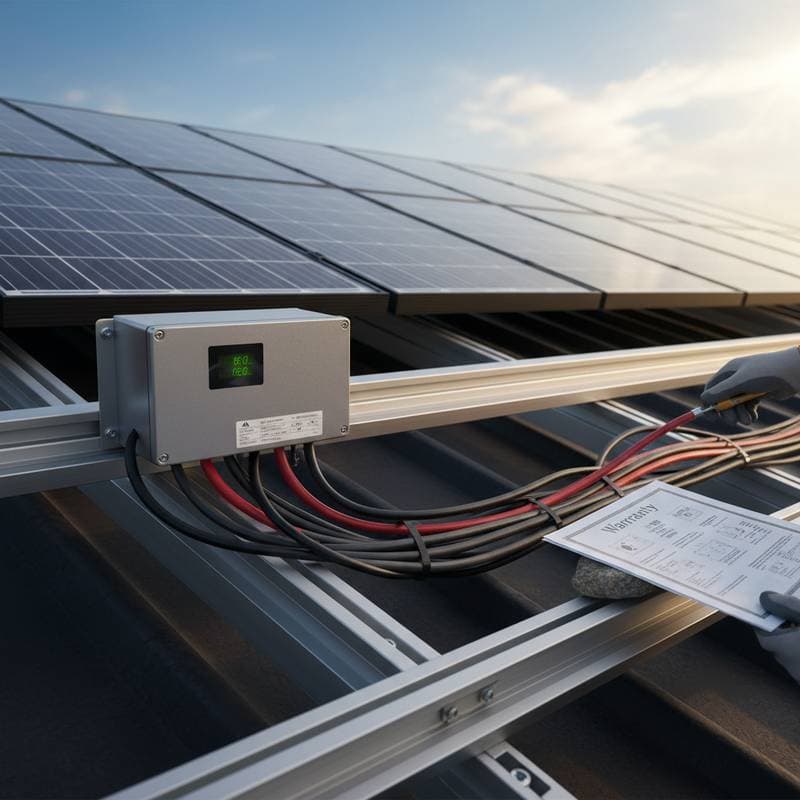
- Record Management: Securely store equipment serial numbers, purchase receipts, and warranty documents for swift claim processing.
Decoding Warranty Categories
Warranties form the backbone of solar system protection, yet their specifics vary widely. The table below outlines common types, their standard provisions, protections, and exclusions to guide informed decisions.
| Warranty Type | Typical Duration | Coverage Details | Key Limitations |
|---|---|---|---|
| Product Warranty | 10 to 25 years | Defects arising from materials or manufacturing flaws | Excludes labor costs and damages from improper installation |
| Performance Warranty | 25 years | Assured minimum power output as a percentage of original capacity over time | Prorated compensation; omits losses from shading, debris, or soiling |
| Inverter Warranty | 10 to 15 years | Repair or full replacement of malfunctioning inverters | Labor charges typically excluded beyond the initial warranty phase |
| Workmanship Warranty | 1 to 10 years | Errors in installation, including roof penetration leaks | Provided by the installer, independent of manufacturer support |
| Racking Warranty | 10 to 20 years | Protection against corrosion or structural breakdowns in mounting systems | Often requires documented proof of regular maintenance |
These warranties interact in complex ways. For instance, a product defect might trigger manufacturer intervention, while installation flaws shift responsibility to the contractor.
System Lifecycle and Failure Response Protocol
The journey from concept to operational solar system follows a structured sequence. Familiarity with each phase highlights potential vulnerabilities and maintenance triggers.
- Design and Permitting Phase: The installer engineers the layout for optimal efficiency and navigates local regulatory approvals, which can span weeks.
- Physical Installation: Secure mounting of panels, precise wiring connections, and inverter integration typically require two to five days, influenced by roof complexity and weather.
- Verification and Grid Connection: Authorities conduct safety inspections, followed by utility approval to synchronize with the power grid.
- Performance Monitoring Integration: Link the system to a digital dashboard for real-time data on energy generation, consumption, and alerts.
- Ongoing Maintenance Routine: Establish yearly evaluations of electrical joints, weatherproofing seals, and output metrics to detect issues early.
When a failure occurs, contact the original installer immediately. They assess whether the problem stems from a product flaw or installation oversight, then coordinate with manufacturers if applicable. Document everything with timestamped photographs, performance logs, and error codes to strengthen claims.
Homeowner Maintenance Essentials
Proactive care empowers owners to extend system performance without professional intervention. Assemble these tools and follow safety protocols for effective inspections.
- Soft-bristled brush or gentle low-pressure water source for panel surface cleaning
- Mild, non-abrasive cleaner formulated for glass to remove contaminants without scratching
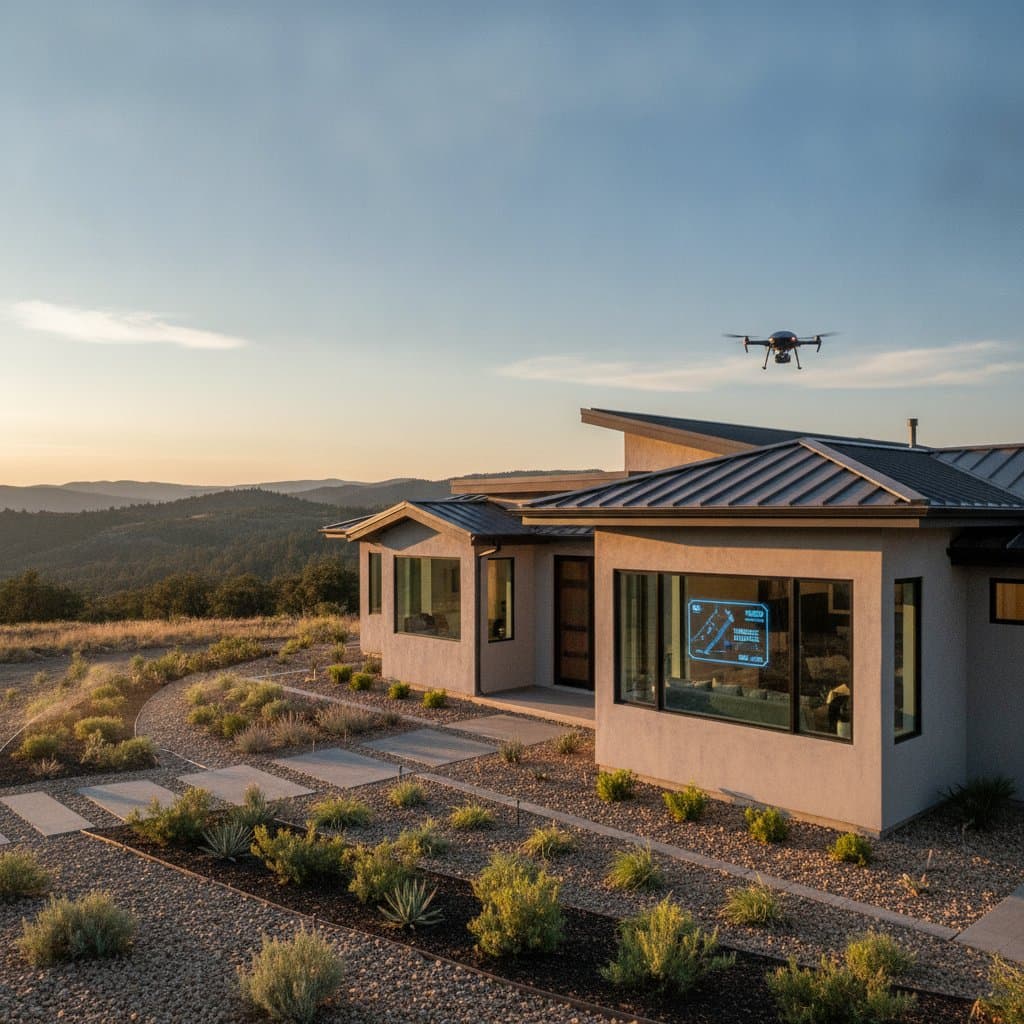
- Binoculars or a stabilized camera-equipped drone for remote roof assessments
- Sturdy ladder paired with a secure harness to ensure safe elevated access
- Calibrated torque wrench for verifying bolt tightness, reserved for those with relevant training
- Digital multimeter for basic voltage and continuity testing, used only by qualified individuals
- Durable gloves and safety eyewear to protect against debris and electrical hazards
Perform cleaning tasks during cooler parts of the day to minimize thermal stress on panels. Select residue-free solutions and rinse thoroughly to preserve optical clarity and efficiency.
Adapting to Local Conditions
Geographic and weather patterns dictate component selection and care intensity. Tailor your setup to regional challenges for optimal durability.
- High-Temperature Zones: Elevated heat hastens inverter degradation; opt for shaded placements or incorporate cooling fans to regulate temperatures.
- Coastal Environments: Airborne salt accelerates rust on metallic elements; specify corrosion-resistant options like marine-grade stainless steel or powder-coated aluminum.
- Winter-Prone Areas: Accumulated ice and snow impose heavy loads on mounts; install snow retention devices and opt for heavy-duty, reinforced framing.
- Dry, Particle-Heavy Regions: Dust buildup reduces efficiency and risks surface damage; prioritize frequent rinses to eliminate abrasive particles and sustain peak output.
Consult local specialists who understand prevalent conditions; they recommend field-tested materials that withstand specific stressors.
Common Questions Addressed
What level of efficiency decline is typical annually?
Systems experience approximately 0.5 percent degradation each year. A panel at full capacity initially might retain about 87 percent after 25 years, sufficient to meet ongoing energy needs for most households.
Do performance warranties extend to inverter malfunctions?
Performance guarantees focus solely on panel energy production. Separate product warranties govern inverter repairs or replacements.
How are claims handled if the manufacturer ceases operations?
Forward-thinking installers provide options like insured warranties or independent third-party guarantees. Verify these arrangements during contract review to secure long-term recourse.
Securing Long-Term Solar Success
Integrate warranty evaluation into the core of your solar planning process rather than treating it as a secondary detail. Select reputable manufacturers with straightforward, comprehensive policies, and align them with proven installation teams. Maintain meticulous records of all system-related paperwork to facilitate seamless support.
While solar panels themselves prove remarkably durable, supporting infrastructure such as inverters, cabling, and mounts demands vigilant oversight. By pinpointing early failure risks and mastering warranty intricacies, owners safeguard their financial gains and operational reliability for the system's full lifespan.