What Home Warranties Cover for Solar Panels in 2025
Summary Box
National average cost: $350 to $700 per year
Typical range: $300 to $900
Low end and high end: $250 for basic coverage, up to $1,200 with full equipment and roof protection
Time to complete: Setup within one week following inspection
DIY or Pro: Purchase available to homeowners, but professional installation required for eligible systems
ROI or resale impact: Provides moderate value by increasing buyer assurance, though direct resale benefits remain limited
Updated: March 2025
Cost Breakdown
| Item | Unit cost | Typical quantity | Line total | Notes |
|---|---|---|---|---|
| Solar warranty plan | $350 to $700 per year | 1 | $350 to $700 | Includes protection for inverters, panels, and monitoring equipment |
| Roof penetration coverage add-on | $100 to $250 | 1 | $100 to $250 | Optional add-on that safeguards sealants and mounting hardware |
| Labor service call fee | $75 to $125 | per visit | $75 to $125 | Applies each time a technician visits the site |
| Extended inverter protection | $100 to $200 | 1 | $100 to $200 | Extends beyond standard manufacturer timelines |
| Disposal or replacement fee | $0 to $150 | per claim | $0 to $150 | Frequently waived under comprehensive service agreements |
Add-ons and Allowances:
Extended options for battery storage, power optimizers, and monitoring software typically add $150 to $400 annually per feature. Systems with attic wiring or roof-integrated panels may incur initial inspection and sealing verification fees prior to approval.
Permits and Disposal Fees:
Home warranties exclude municipal permits and recycling expenses. Homeowners bear these costs during panel removals for replacements or roof repairs.
Cost Factors
Several elements influence the price of solar panel warranties. System size plays a key role, as larger arrays with additional panels and inverters elevate potential labor and replacement expenses. Equipment from premium brands often comes with extended manufacturer guarantees, which can lower reliance on supplemental home warranty coverage.
Installer expertise matters greatly. Systems installed by certified professionals qualify more readily for comprehensive protection. Regional climate and roof configuration also factor in, with severe weather or complex rooflines driving up repair estimates and premium rates.
Local labor availability affects service call charges, particularly in regions short on solar specialists. Custom integrations, such as battery systems or electric vehicle chargers, introduce higher risks and thus increase coverage costs.
DIY vs Pro
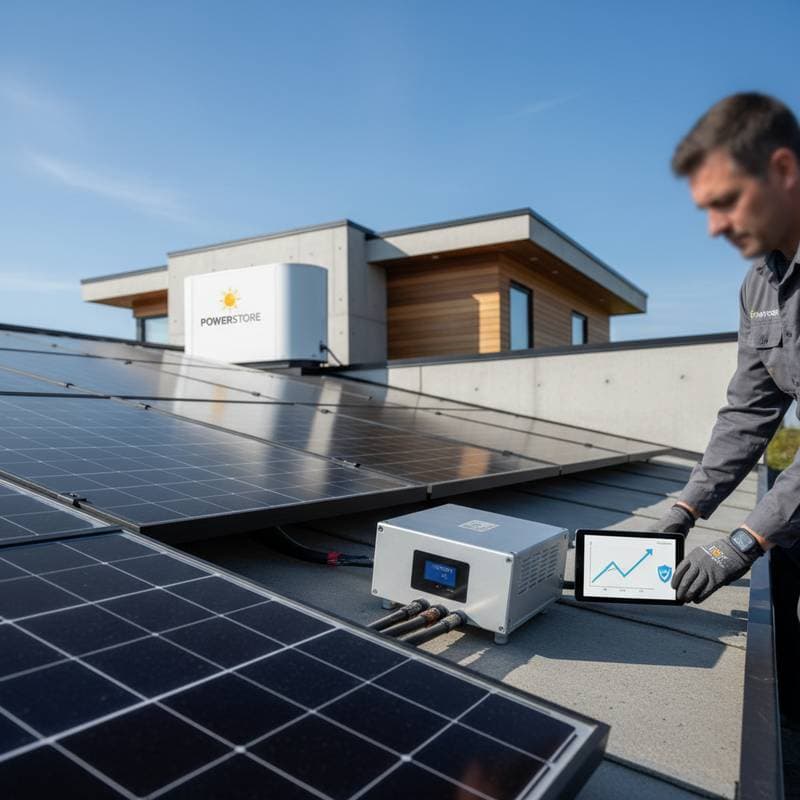
Homeowners cannot install solar systems under warranty terms, though they handle registration, inspections, and routine checks independently. Capable individuals perform basic upkeep to maintain system health.
What a capable DIYer can do:
- Examine panels for accumulated dirt, cracks, or unsecured wiring.
- Record performance metrics using the system's monitoring application.
- Clean surfaces with gentle brushes and hose attachments, avoiding abrasive materials.
Tasks that require a licensed pro:
- Electrical fixes or full inverter swaps.
- Resealing roof flashings or repositioning panels.
- Conducting battery assessments or rewiring components.
Safety risks and code issues:
High-voltage elements and elevated work surfaces pose electrocution and fall dangers. Technicians must handle inverter enclosures and connection points to comply with electrical codes. Unauthorized modifications often lead to claim denials.
Warranty impacts:
Routine visual checks and cleaning preserve eligibility, but structural changes or wiring adjustments without provider consent typically void protection.
How To Save Without Regret
Bundling solar coverage with existing home warranty plans for HVAC or electrical systems reduces overall expenses. Leverage manufacturer warranties first, as many panels offer 20- to 25-year performance assurances that address output degradation, though they exclude labor fees.
Regular preventive maintenance, including yearly cleanings and inspections, lowers claim occurrences and qualifies for potential premium reductions. When evaluating providers, prioritize those offering clear inverter and roof sealing inclusions.
Verify technician response times and coverage for panel removal during roof projects. Use this checklist to compare quotes effectively:
- Itemized coverage scope
- Specified materials and component quality
- Transparent service call fees
- Explicit roof and wiring protections
- Defined claim limits and maximum payouts
- Straightforward renewal conditions
Step By Step: Filing a Solar Warranty Claim
- Document the issue. Capture images of error messages or apparent damage for records.
- Check your monitoring app. Verify any performance declines to support the claim.
- Contact the warranty provider. Supply the system identification number and original installation details.
- Schedule inspection. Allow a certified technician to assess coverage eligibility.
- Approve service call. Cover the deductible if applicable before work proceeds.
- Repair or replacement. Receive equivalent components to restore functionality.
- Confirm restoration. Test output levels and update warranty documentation.
Timeline and Scheduling
Claims typically see inspection scheduling within 3 to 5 business days. Inverter or wiring repairs conclude in 1 to 2 days under normal conditions. Coordinate roof-related services to minimize repeated panel handling.
Conduct annual coverage reviews to adjust limits and ensure timely renewals. Proactive scheduling prevents lapses during peak usage seasons.
Maintenance and Lifespan
Proper upkeep extends solar system durability beyond 25 years. Perform quarterly visual inspections to spot early wear on panels and mounts. Annual professional tune-ups address inverter efficiency and wiring integrity, preventing minor issues from escalating.
Avoid shading from nearby growth and clear debris promptly to sustain optimal output. Tracking energy production via apps helps identify trends, allowing timely interventions. Consistent maintenance not only prolongs equipment life but also upholds warranty validity.
Securing Your Solar Investment
Selecting the right home warranty fortifies your solar setup against unexpected failures, ensuring reliable energy production. By aligning coverage with system specifics and maintenance routines, homeowners safeguard returns on their renewable investment. This approach enhances long-term savings and supports sustainable homeownership goals.