Why Rental Property Owners Choose Home Warranties
Rental property ownership offers strong potential for income, yet it involves ongoing maintenance challenges and unexpected expenses. A major appliance failure or plumbing emergency can erase an entire month's rent. For this reason, numerous landlords turn to home warranties as a safeguard for their investments. These plans typically range from $450 to $900 annually, with standard coverage averaging $600. Such policies cover critical systems including heating, ventilation, and air conditioning units, water heaters, and essential kitchen appliances.
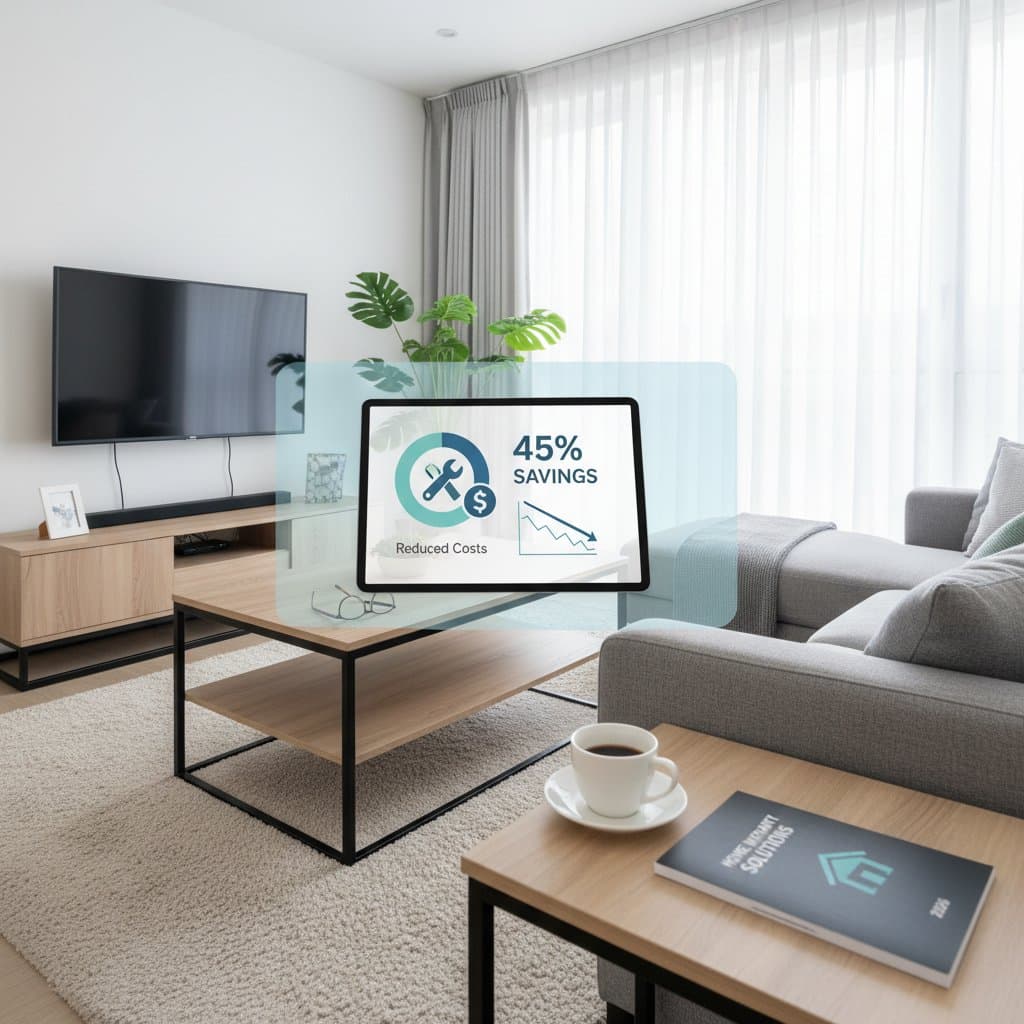
Several elements determine the overall expense: the size of the property, the condition of existing systems, and the extent of selected coverage. In regions with elevated labor costs, premiums may increase by up to 20 percent. Data from the Service Contract Industry Council indicates that effective warranty plans can lower direct maintenance outlays by as much as 45 percent annually. Property managers overseeing several units benefit from consistent budgeting and prompt service, which supports steady revenue streams.
Understanding the Cost Structure
Home warranty plans for rentals operate on a per-property basis. Fundamental options average $45 to $75 monthly, whereas advanced packages span $80 to $120 monthly. Providers generally impose a service fee of $75 to $125 for each technician visit. Statistics reveal that 25 percent of policyholders spend less than $500 yearly, 50 percent allocate approximately $600, and 75 percent invest near $800 for thorough protection.
Impact of Property Size and System Age
Compact rentals, like one-bedroom apartments, align with the lower pricing spectrum. Every additional 500 square feet may raise the annual premium by $50 to $70. Properties with outdated plumbing or heating systems often necessitate upgraded policies, increasing costs by 15 to 25 percent. Consider a historic duplex from the early 1900s; it might require a $750 plan to address recurrent breakdowns effectively.
Coverage Levels and Provider Options
Basic policies protect core elements such as electrical wiring, pipes, and standard kitchen devices. Intermediate selections from providers like American Home Shield or Choice Home Warranty extend to laundry machines and cooling systems. Top-tier options, available through Select Home Warranty, incorporate roof leak repairs and luxury appliance safeguards. These elevated plans command about 30 percent more in fees but prevent substantial repair bills over the years.
Regional and Property-Specific Factors
Urban rentals in areas with scarce contractor resources may incur extra charges. Structures featuring hard-to-reach attics or elevated mechanical units could add $50 to $100 annually to the policy. Compliance with local regulations and mandatory inspections also shapes choices, particularly for apartment complexes or converted buildings.
Exploring Coverage Packages and Services
Standard rental warranties encompass plumbing repairs, electrical work, water heater fixes, and appliance servicing. Technician visits typically last two to three hours, varying by problem complexity. Annual fees for these plans fall between $450 and $650, suiting modern or routinely serviced properties.
Premium packages provide expanded safeguards, including device replacements and roofing protections. Yearly costs range from $700 to $900, representing a 35 percent increase over basics. Owners of aging structures find these options yield superior returns by minimizing urgent fixes and tenant interruptions.
Optional enhancements, such as pool machinery or septic safeguards, add $100 to $200 apiece. Combining them into a comprehensive policy often yields 10 to 15 percent discounts and streamlines administration.
Weighing Professional Warranties Against DIY Approaches
Many landlords initially consider handling repairs themselves to avoid warranty fees. DIY methods suit minor issues like unclogging drains or replacing simple filters, potentially saving $100 to $300 per incident. However, larger problems demand specialized tools and expertise, where errors can escalate expenses by 50 percent or more through improper fixes.
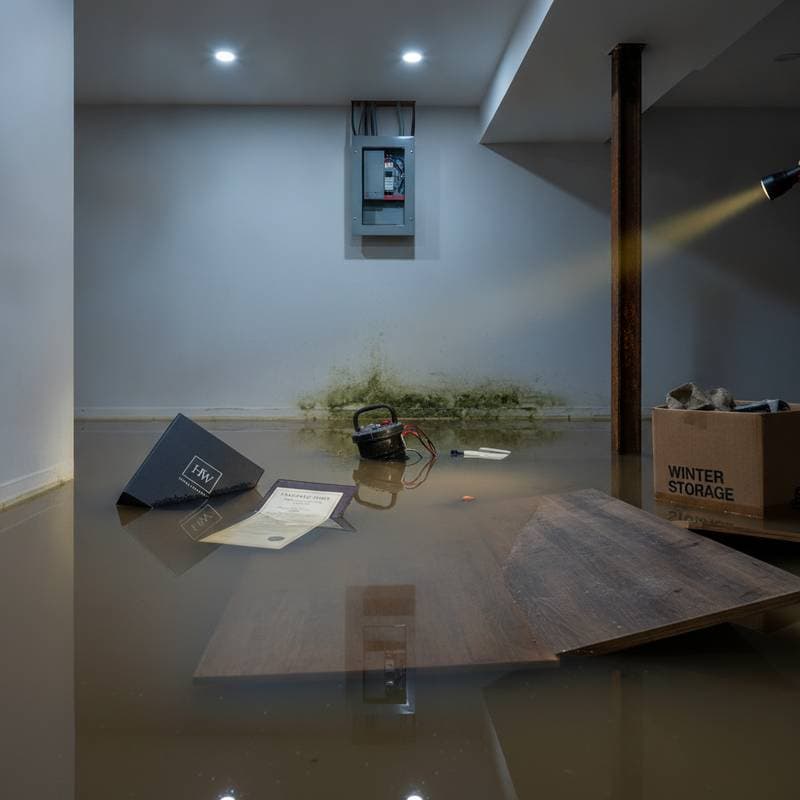
Professional warranties ensure certified technicians arrive quickly, often within 48 hours, reducing vacancy periods. For multi-unit portfolios, the reliability outweighs sporadic savings from self-repairs. Over time, warranties prevent cascading failures, such as a neglected leak damaging floors, which could cost thousands in remediation.
Steps to Select and Optimize Your Warranty
Landlords achieve maximum benefits by obtaining quotes from at least three providers, scrutinizing exclusion clauses, and verifying service guarantees. Align coverage with property vulnerabilities, such as prioritizing HVAC in hot climates. Renewals during quieter months secure better rates and uninterrupted protection.
Regular policy reviews, conducted annually, adapt to changes like new appliances or renovations. This proactive strategy not only caps costs but also enhances tenant satisfaction through swift resolutions. Ultimately, home warranties transform maintenance from a liability into a controlled aspect of successful property management.