The Basics of Home Warranties and Solar Systems
Home warranties provide protection for major household systems and appliances against unexpected breakdowns. These plans typically cover items such as heating, ventilation, air conditioning units, plumbing, and electrical components. However, solar panel systems present unique challenges due to their specialized nature and integration with renewable energy technology.
Solar installations involve photovoltaic panels, inverters, batteries, and mounting hardware, all of which require specific expertise for maintenance and repair. Standard home warranty policies often overlook these elements, leaving homeowners vulnerable to high repair costs. Understanding these limitations helps in making informed decisions about protection options.
Common Exclusions in Home Warranty Policies
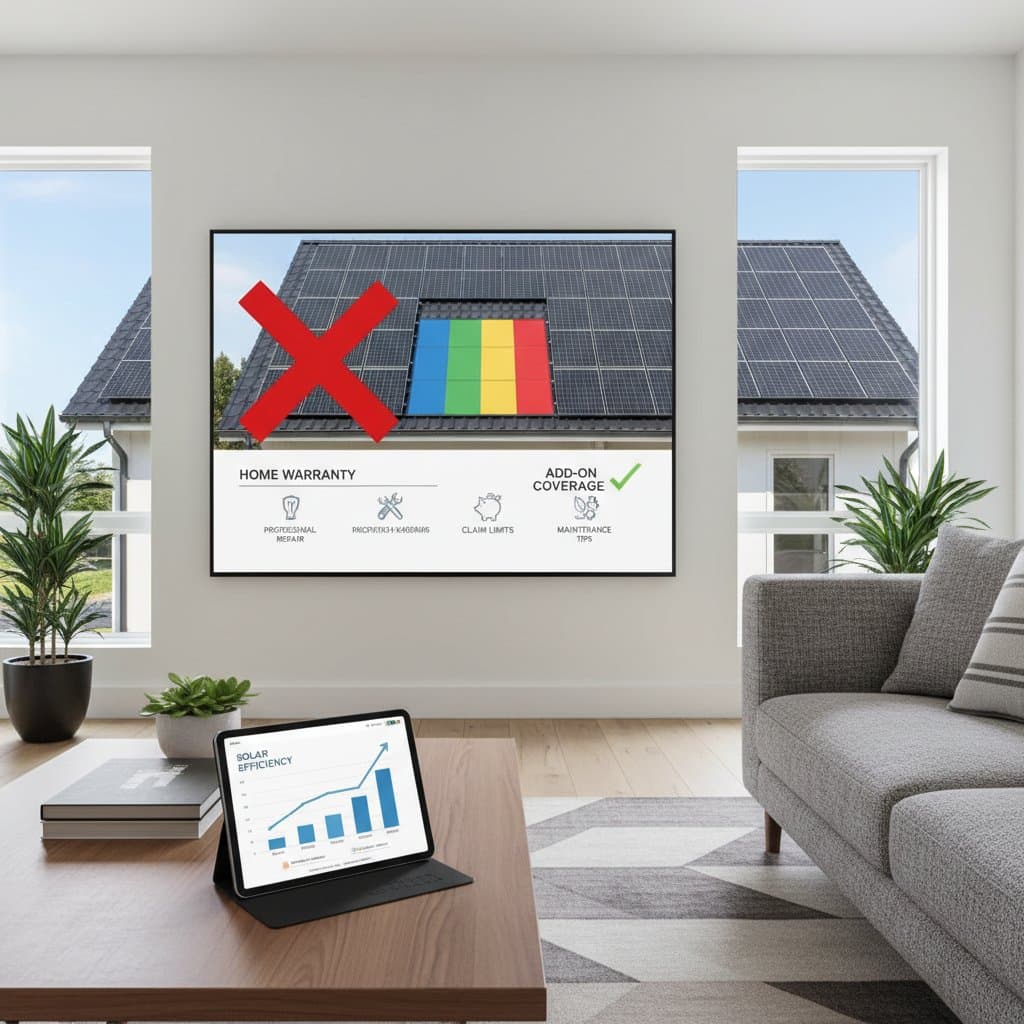
Most home warranties explicitly exclude solar panels from standard coverage. Providers classify solar systems as optional or specialized equipment, similar to pools or security systems. This exclusion stems from the complexity of solar technology, which demands certified technicians and proprietary parts.
In 2025, policies from major providers like American Home Shield or Choice Home Warranty list solar components under non-covered items. Inverters, a critical part that converts solar energy to usable electricity, rarely qualify for repair or replacement under basic plans. Mounting structures and wiring connected to the roof also fall outside typical scopes.
Even when coverage appears available, limitations apply. Policies may cap payouts at low amounts, such as $500 per incident, while actual repairs can exceed $2,000. Pre-existing conditions or installations older than five years often trigger denials, emphasizing the need for clear policy reviews before purchase.
Add-On Coverage Options and Their Costs
Some warranty providers offer add-ons specifically for renewable energy systems. These endorsements extend protection to solar panels, inverters, and related components, but they come at an additional premium. Expect to pay $10 to $25 monthly for such coverage, depending on the provider and system size.
For instance, Select Home Warranty includes a green energy add-on that covers up to $1,500 annually for solar repairs. This option requires proof of professional installation and regular maintenance records. Without these, claims face rejection, underscoring the importance of documentation.
Compare multiple providers to find the best fit. Factor in service call fees, typically $75 to $125 per visit, and aggregate limits that may not exceed $3,000 yearly. These add-ons bridge gaps but do not fully replicate comprehensive insurance, so evaluate total value against potential risks.
Evaluating Add-On Value
- Review the policy's exact coverage terms for solar-specific items.
- Check claim payout caps and frequency restrictions.
- Confirm eligibility for your system's age and installation type.
- Calculate premiums against average repair costs in your area.
- Consult provider customer service for clarification on exclusions.
Real Costs of Solar Panel Repairs Without Coverage
Repairing solar panels without warranty support can strain budgets significantly. A faulty inverter replacement averages $1,000 to $3,000, including labor from certified electricians. Panel damage from weather events, such as hail or wind, may cost $500 to $2,000 per unit, depending on size and severity.
Battery storage systems, increasingly common in modern setups, add further expense. Replacing a lithium-ion battery pack runs $5,000 to $15,000, with installation fees pushing totals higher. These figures highlight why uncovered breakdowns disrupt not only finances but also energy independence.
Professional repairs mandate licensed solar technicians to maintain warranties from manufacturers like Tesla or SunPower. Attempting DIY fixes voids these protections and risks safety hazards, such as electrical fires. Homeowners must budget for these realities when assessing warranty needs.
Maintenance Strategies to Prevent Costly Issues
Proactive maintenance extends solar system lifespan and reduces breakdown likelihood. Schedule annual inspections by certified professionals to check for panel degradation, inverter efficiency, and connection integrity. Cleaning panels twice yearly removes dust and debris that can lower output by up to 20 percent.
Monitor system performance through apps provided by manufacturers. These tools alert to drops in energy production, enabling early intervention. Ground-mounted systems require vegetation control to avoid shading, while roof installations need secure mounting checks after storms.
Invest in surge protectors and grounding equipment to shield against electrical surges. These measures, costing $200 to $500 initially, prevent damage from grid fluctuations. Consistent upkeep not only preserves efficiency but also strengthens future warranty claims by demonstrating due diligence.
Essential Maintenance Checklist
- Inspect panels for cracks or discoloration every six months.
- Test inverter functionality and clean vents quarterly.
- Verify battery charge cycles and replace as recommended by the manufacturer.
- Ensure all wiring remains intact and free from corrosion.
- Document all service records for warranty purposes.
- Calibrate monitoring software for accurate performance tracking.
Navigating Claims and Professional Requirements
Filing a claim for solar-related issues demands precise steps. Contact your warranty provider within 24 to 48 hours of detecting a problem, providing detailed descriptions and photos. Providers dispatch approved contractors, but solar repairs often require specialists not on standard lists.
Expect scrutiny during claims processing. Insurers verify that issues arise from normal wear, not neglect or improper installation. Professional repairs must comply with local codes and manufacturer guidelines, adding layers to the process.
If a claim denies coverage, appeal with supporting evidence like maintenance logs. Persistence pays off, as some providers reconsider initial decisions. This process teaches the value of selecting warranties with robust solar endorsements from the outset.
Securing Comprehensive Protection for Your Solar Investment
To fully protect solar panels, combine home warranties with manufacturer guarantees and homeowner's insurance riders. Extended warranties from installers cover defects for 10 to 25 years, complementing shorter home plans. Insurance add-ons handle weather damage, filling gaps left by warranties.
Budget for a dedicated solar maintenance fund, setting aside 1 to 2 percent of installation costs annually. This approach ensures funds for unforeseen repairs without relying solely on insurance. Regular policy reviews keep coverage aligned with evolving technology and home needs.
Ultimately, informed choices safeguard your renewable energy investment. By addressing coverage gaps early, homeowners enjoy reliable performance and peace of mind. These steps maximize returns on solar adoption while minimizing financial surprises.