Does Insurance Cover Home Office Electrical Upgrades?
Understanding Costs and Coverage Basics
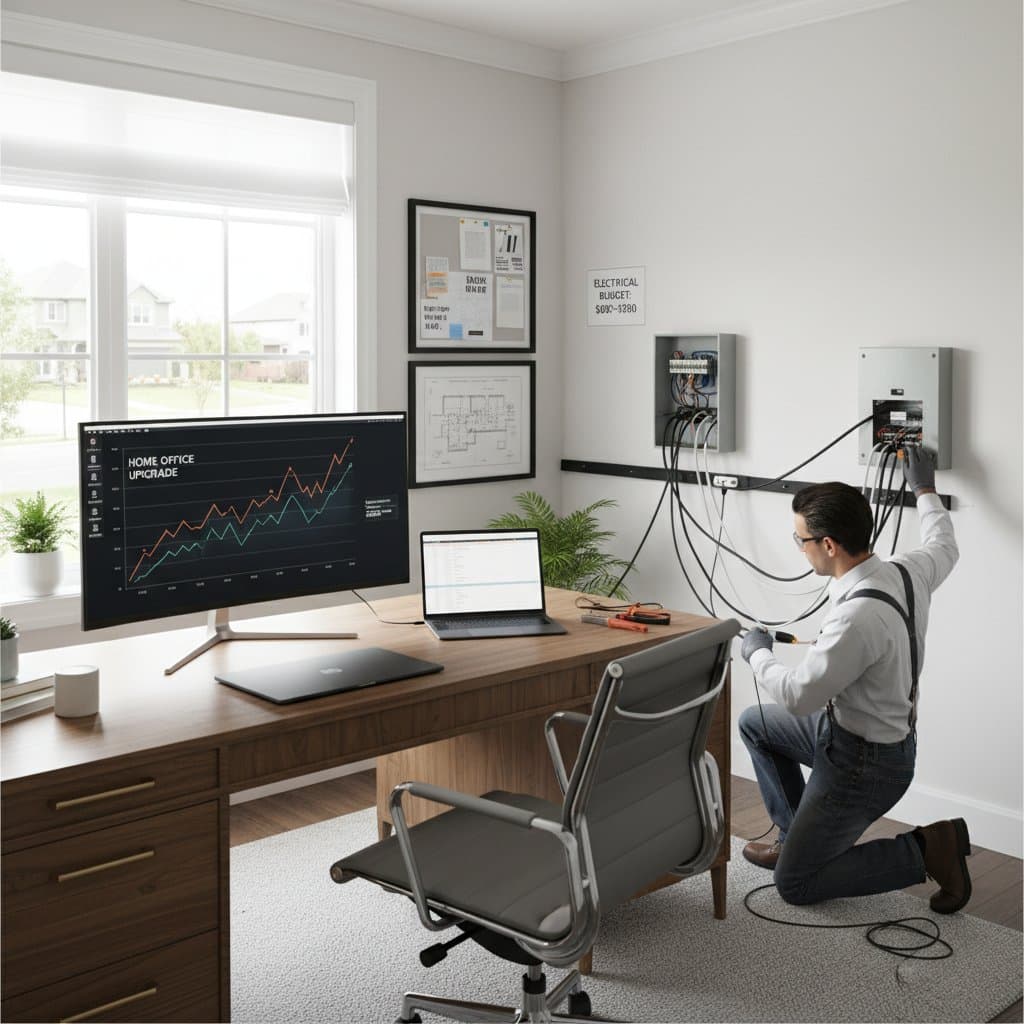
Upgrading the electrical system in your home office enhances safety, boosts efficiency, and adds long-term value to your workspace. Professional installations range from $800 to $3,500, with a national average of $1,900 for projects that feature dedicated circuits, additional outlets, and surge protection. Key factors shaping these expenses include the project's scope, your electrical panel's capacity, and the extent of insurance coverage.
Regional labor rates and local building codes also influence pricing. Data from industry sources indicate that well-executed wiring and circuit improvements can raise workspace efficiency by up to 20 percent and lower fire risks by approximately 15 percent. As remote work solidifies in daily routines, prioritizing a reliable electrical setup becomes crucial, and knowing insurance boundaries aids in effective financial planning.
Breaking Down the Costs
Core Pricing Elements
Electricians charge $50 to $120 per hour for their services. Simple tasks, such as installing a single outlet, begin at $200, while comprehensive rewiring with panel enhancements can exceed $3,500. Across the nation, costs fall at the 25th percentile around $750, the median at $1,900, and the 75th percentile near $3,200.
Service calls carry minimum fees of $150 to $250, regardless of the job's simplicity. Urban locations often see prices 15 percent above average because of higher overhead and permitting expenses.
Impact of Workspace Size and Equipment Needs
Larger offices or those supporting heavy devices demand more investment. A dedicated 20-amp circuit for computers costs $250 to $400 to install. Upgrading a subpanel adds $600 to $1,200 to the bill.
For every additional 100 square feet of wiring, expect an increase of about $150. Homeowners frequently report spending around $2,000 on full upgrades that incorporate new wiring, LED fixtures, and surge safeguards, based on community discussions among improvement enthusiasts. Experts advise allocating funds for code compliance, particularly in homes with electrical systems predating recent renovations.
Material Options and Quality Levels
Basic materials like standard copper wiring and simple outlets run about $1.50 per foot and provide durable performance with little upkeep. Mid-tier selections feature tamper-resistant outlets, USB-integrated ports, and intelligent switches from established brands, which raise costs by 15 to 25 percent.
High-end options encompass full-home surge protectors, energy-tracking tools, and advanced panels from leading manufacturers. These elevate totals to $3,500 or higher, yet they include 10-year warranties and can enhance efficiency by up to 10 percent, per product specifications.
Factors Adding Complexity
Challenges in accessing wiring routes through completed walls or ceilings can inflate labor by 30 to 40 percent. Properties with restricted attic space or legacy aluminum wiring often need compliance modifications costing $500 to $1,000.
Coastal cities exhibit elevated rates, whereas rural settings might incur travel surcharges. Local permits extend both timelines and budgets, as noted by service providers on popular booking platforms.
Types of Services and Their Prices
Standard Upgrade Package
This level covers essential improvements for a basic home office conversion:
- Thorough inspection of current circuits
- Addition of outlets or ground-fault circuit interrupter (GFCI) safeguards
- Swap of faulty breakers or switches
- Confirmation of grounding and surge defenses
Such work requires 4 to 6 hours and totals $800 to $1,500. It fits well for single-room setups with routine power demands.
Advanced Upgrade Package
For more demanding environments, this option delivers:
- Installation of a subpanel with office-specific circuits
- Integration of smart outlets and lighting controls
- Comprehensive surge protection across the home
- Devices for monitoring energy use
Prices span $2,500 to $3,500, representing a 40 percent premium over basics. The added security and capabilities can lift property value by up to 3 percent, drawing from real estate investment analyses. Remote professionals with multiple devices find this choice yields superior reliability and reduced worry.
Optional Enhancements Overview
| Enhancement | Typical Price | Potential Discount with Bundling | Key Advantage |
|---|---|---|---|
| Surge Protection | $250 | 10 percent | Shields devices from voltage surges |
| Smart Lighting Installation | $300 | 15 percent | Improves usability and saves energy |
| Panel Expansion | $1,200 | 5 percent | Accommodates greater office power needs |
| Generator Integration | $800 | Varies by provider | Ensures continuity during power failures |
Combining services typically yields 10 to 20 percent in savings, supported by aggregator pricing insights.
Weighing Professional Help Against DIY Efforts
Costs of Handling It Yourself
For straightforward tasks like outlet replacement or switch updates, gather materials such as Romex wire at $0.80 per foot, outlets from reliable brands at $5 apiece, and basic panels from $150 to $300. Essential tools, including a voltage tester, fish tape, and strippers, total about $75.
Initial outlays appear modest at $300 to $600, but overlooked elements like permits, protective equipment, and violation fines can double the figure. The skill barrier proves high, with mistakes risking electrical faults or hazards.
Benefits of Hiring Experts
Certified professionals offer liability insurance, proper approvals, and precise evaluations. They finish jobs securely, often in one day, limiting disruptions. Adherence to National Electrical Code standards safeguards against future claim denials.
Professionals become worthwhile beyond 6 hours of labor or when panels demand attention. Their involvement minimizes enduring hazards and upholds manufacturer guarantees.
Guidance for Choosing Your Approach
Opt for experts on projects requiring panel modifications or extensive wiring. Reserve DIY for outlet swaps or surge protector additions. The financial and safety toll of errors surpasses any short-term economies.
Strategies to Lower Expenses
Optimal Scheduling
Service providers see less demand in winter, potentially trimming rates by 10 percent. Midweek bookings qualify for 5 percent reductions via availability incentives.
Effective Procurement Methods
Secure at least three detailed estimates to compare options. Many specialists adjust quotes to align with rivals upon review. Advance payment for supplies or off-peak timing further trims bills.
Purchasing components directly from major retailers saves 10 to 15 percent on items like wiring and breakers.
Pre-Work Preparations
Remove obstacles from the area, pinpoint the electrical panel, and catalog all devices beforehand. These measures shave up to $75 from labor charges. Precise details on power requirements guide accurate setups and avert expensive adjustments.
Regional and Market Insights
Location-Based Price Differences
In hubs like New York or Los Angeles, labor runs 20 percent over national norms due to demand and regulations. Rural zones offer 10 percent savings but may suffer from scarce options and extra fees.
Timing and Economic Influences
Economic shifts affect availability; slower periods post-holidays bring competitive pricing. Monitor local trends to time projects advantageously.
Assessing Long-Term Worth
Investments in electrical reliability correlate with higher resale appeal, especially for homes adapted for remote setups. Prioritize features that align with future needs to maximize returns.
Safeguarding and Maximizing Your Upgrade
Select upgrades that match your workflow to ensure lasting benefits. Regular maintenance checks preserve performance and safety. Consult local codes early to align investments with compliance and value growth.