Solar Roof Integration and Home Warranty Coverage
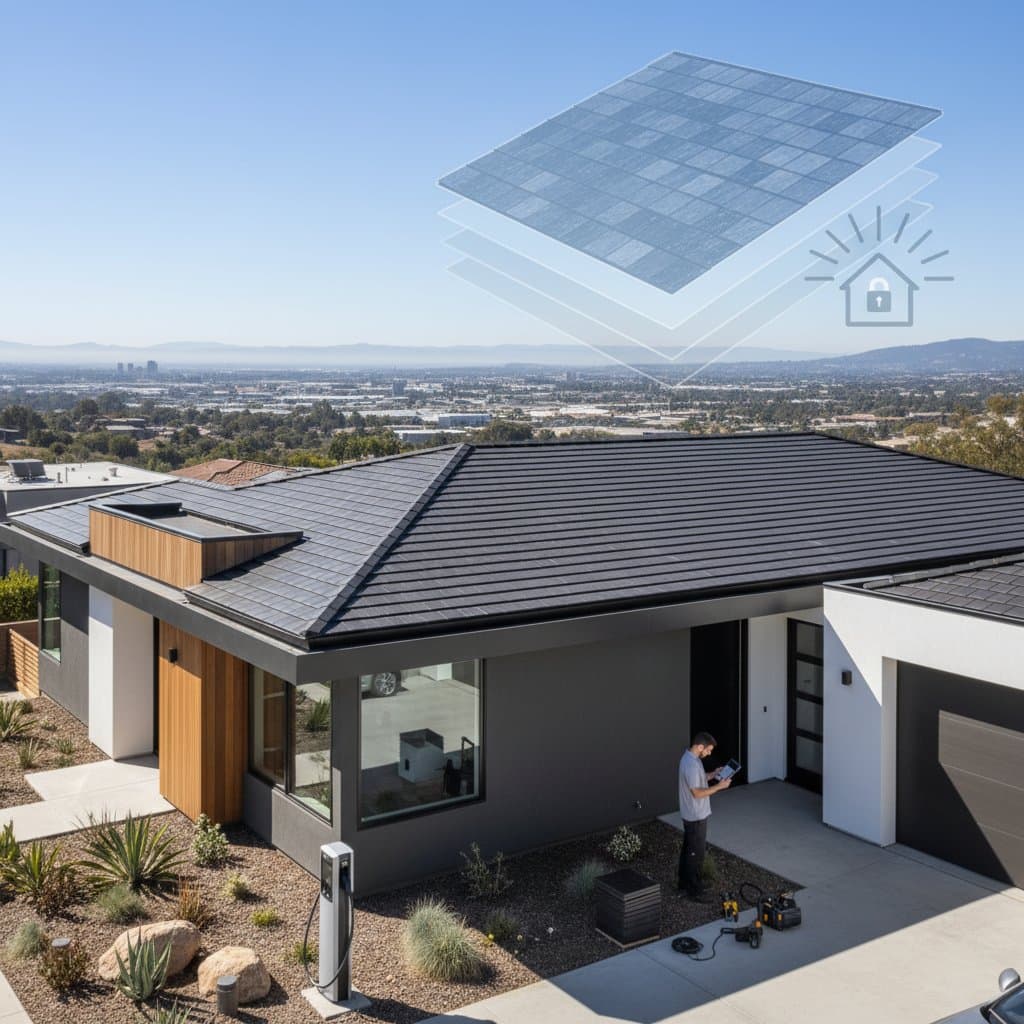
Integrated solar roofs combine photovoltaic cells directly into roofing materials. This approach delivers a seamless appearance along with ongoing energy production. Homeowners gain long term savings when the system receives proper installation and coordinated coverage.
Key Considerations
- Integrated solar roofs blend photovoltaic cells into roofing materials for a clean look and lasting energy savings.
- Standard home warranty plans often exclude solar components unless specific renewable energy coverage is added.
- Manufacturer warranties and installer warranties require separate review before any contract is signed.
- Service schedules and inspection routines protect both the roof structure and the energy system.
Advantages and Limitations
Advantages
- The design eliminates the raised profile of traditional panels.
- Integrated tiles reduce leak risks because they replace shingles rather than cover them.
- Energy production lowers utility costs and may increase property value.
- Selected systems qualify for available energy credits or rebates.
Limitations
- Initial costs exceed those of standard panel installations.
- Certified installers remain limited in many regions.
- Repairs often require specialized parts and trained technicians.
- Warranty terms vary widely and may fall short of expected roof lifespan.
Installation Process
Required Tools and Materials
- Safety harness and roof anchors
- Roofing tear off tools
- Underlayment and flashing
- Solar shingles or tiles
- Inverter and electrical wiring kit
- Junction boxes and connectors
- Conduit and breaker upgrades
Installation typically requires one to two weeks for a trained crew. The work combines roofing, electrical, and code compliance skills.
Installation Steps
- Inspect roof pitch, orientation, and structural integrity. Mark any shaded areas to prevent placement of active tiles.
- Remove existing roofing layers down to the decking. Replace rotted sections as needed.
- Apply waterproof underlayment and flashing around vents and edges to satisfy local code requirements.
- Attach solar tiles row by row while connecting wiring harnesses according to manufacturer specifications.
- Route conduit to the inverter and main service panel. Label all circuits for future reference.
- Schedule electrical and building inspections to verify grounding and interconnection standards.
- Activate the system after approval and connect it to the grid or battery storage.
De energize circuits before any wiring work. Use fall protection on pitched roofs at all times.
Professional Service Requirements
Homeowners can perform only basic tasks such as debris removal or visual inspections. A soft brush works well for cleaning. Stepping on active tiles must be avoided.
Professional service becomes necessary for wiring repairs, inverter issues, or leaks near solar sections. Output drops without visible damage also indicate the need for expert evaluation. Certified technicians test circuits under load, measure grounding resistance, and reseal flashings. They complete required inspection paperwork and preserve system warranty eligibility.
Maintenance Schedule
Inspect the system twice each year and after major storms. Check tile surfaces for cracks or discoloration. Clear leaves and debris with a soft broom. Review the monitoring application for unexpected output changes. Keep gutters clear to maintain proper drainage. Consistent records of these inspections support future warranty claims.
Alternative Approaches
Traditional solar panels suit existing roofs in good condition. They offer easier service access and lower upfront costs, though they lack full visual integration.
Overlay solar shingles provide a middle option. They attach over selected roof areas and balance cost with appearance, yet they do not achieve the seamless result of full integration.
Ground mounted arrays work well when roof structure or shading prevents roof based systems. They allow simpler maintenance access but require yard space and trenching.
Common Questions
Does a solar roof affect homeowner insurance? Policy updates are required to reflect the added value and replacement cost. Some insurers request proof of certified installation.
Can only part of the roof receive solar tiles? Partial systems can power selected circuits. Transitions between tile types must remain watertight.
Is snow removal necessary? Heat from sunlight usually clears light snow. Heavy accumulation should be removed with a nonmetal roof rake.
What occurs during a power outage? Grid tied systems shut down automatically for safety unless battery storage or a special inverter is present.
Can the warranty transfer with the home sale? Most manufacturers permit one transfer. Paperwork must be filed within the required window and maintenance records must be provided.
Protecting Your Investment
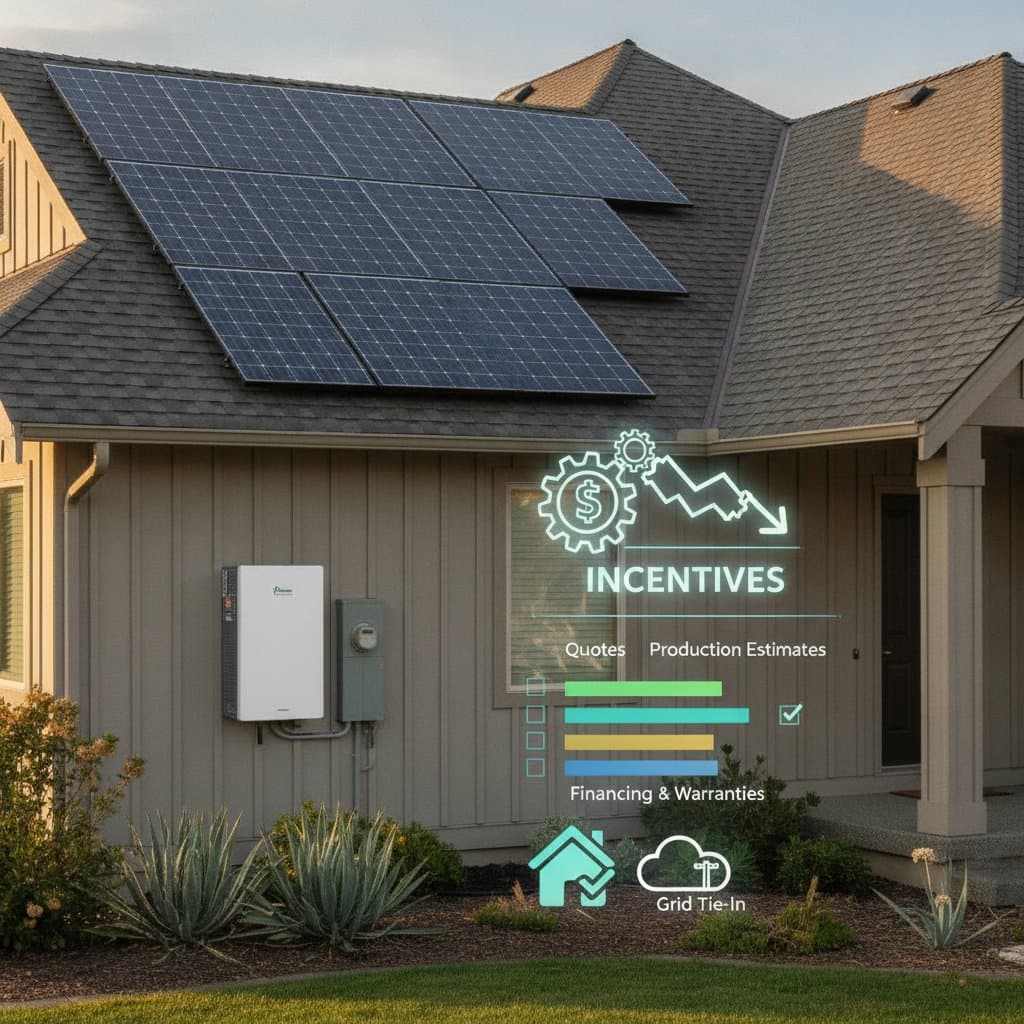
Obtain three detailed quotes that specify both roofing and electrical warranty terms. Confirm how each proposal coordinates with existing home warranty coverage. A properly installed and maintained solar roof delivers decades of clean energy when small signs of wear receive prompt attention and regular inspections continue.