Protecting Homes from Floods in the Face of 2025 Climate Challenges
Quick Overview: Construct or modify a residence to withstand flooding through elevation of critical components, selection of water-resistant materials, enhancement of site drainage, and sealing of entry points. Anticipate expenditures of $10 to $60 per square foot, influenced by project extent, height adjustments, and architectural choices.
Project Summary:
- Cost Range: $10,000 to $90,000 for standard flood mitigation enhancements
- Duration: 2 to 12 weeks, based on project magnitude
- Complexity: Moderate to high
- Primary Concerns: Potential structural weakness, electrical dangers, inadequate drainage planning
The Importance of Flood Resistance
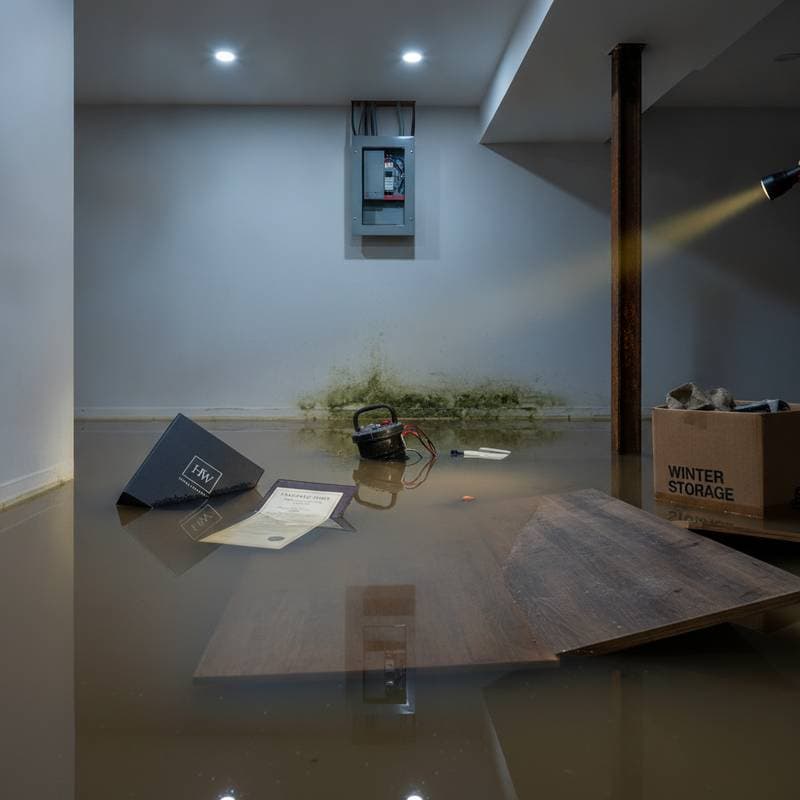
Flood events represent the predominant and most expensive natural disaster affecting property owners. Elevated groundwater levels, intensified precipitation, and coastal inundations inflict harm on structural bases, electrical installations, thermal barriers, and interior surfaces. Even modest water accumulation renders a dwelling uninhabitable for extended periods. Incorporating flood-resistant designs during construction or renovation safeguards financial assets, stabilizes insurance premiums, and facilitates swift restoration following severe weather incidents.
Essential Planning Considerations
Prior to initiating flood mitigation efforts, evaluate these critical elements:
- Flood zone designation and base flood elevation data from municipal resources
- Current foundation configuration, such as slab-on-grade, crawl space, or pier-and-beam
- Surface water flow characteristics across the site
- Locations of utilities including electrical distribution panels, heating and cooling units, and water supply lines
- Financial allocation and potential reimbursements through insurance policies
- Regional regulations and necessary approvals for construction activities
Evaluating Flood Mitigation Approaches
| Method | Overview | Advantages | Disadvantages |
|---|---|---|---|
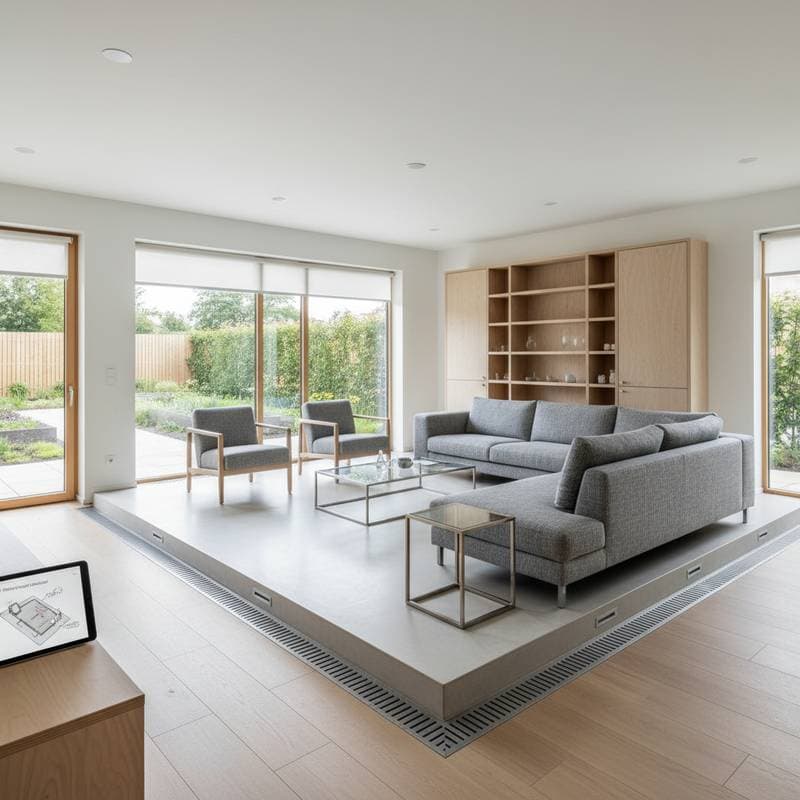
| Elevation | Lifting the entire structure or vital systems beyond anticipated flood heights | Minimizes severe water intrusion, lowers insurance obligations | Substantial expense, necessitates expert structural analysis |
| Dry Floodproofing | Applying barriers to walls, entrances, and bases to exclude water | Effective against shallow floods, involves minimal interruption to occupancy | Offers restricted defense in cases of significant water depth |
| Wet Floodproofing | Permitting controlled water entry while employing durable, water-compatible materials | Economical option, suitable for accessory spaces like garages or lower levels | Demands thorough post-event drying and decontamination procedures |
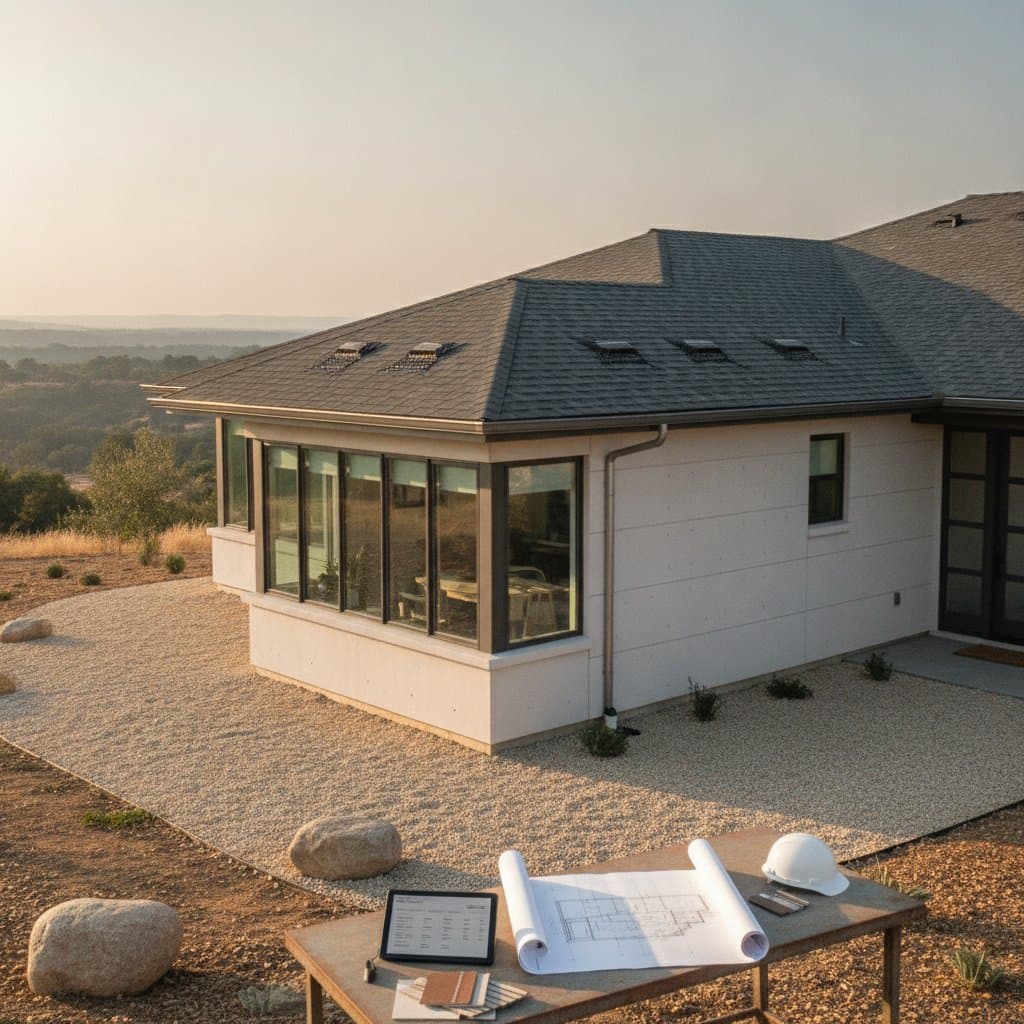
| Site Drainage Enhancements | Modifying terrain contours, incorporating diversion channels, or deploying collection systems | Controls surface runoff effectively, integrates well with additional strategies | Requires ongoing upkeep, insufficient for catastrophic flood volumes |
Opt for elevation in areas prone to recurrent flooding or situated below established flood benchmarks. Select dry floodproofing for semi-subterranean spaces or moderate-risk locations. Employ wet floodproofing in non-essential zones where temporary inundation poses limited threat.
Pricing Breakdown and Influencing Variables
- Elevation Projects: $30 to $60 per square foot, varying with building configuration and ground composition
- Dry Floodproofing Measures: $10 to $25 per square foot, covering protective coatings, shielding installations, and sealing compounds
- Wet Floodproofing Applications: $5 to $15 per square foot, involving resilient surfacing and specialized ventilation
- Drainage System Upgrades: $3,000 to $12,000, encompassing land reshaping, channel formation, or pump installations
Expenses fluctuate according to overall dimensions, site accessibility, selected components, and regional workforce charges. Additional outlays occur for foundational strengthening or utility rerouting. Premium rates prevail in shoreline districts accustomed to lifting operations.
Certain insurers provide rebates that alleviate these investments. Federal initiatives through FEMA, alongside community assistance programs, extend funding or favorable financing for authenticated resilience endeavors.
Project Scheduling and Sequence
- Initial Assessment of Site and Base: 1 to 2 weeks
- Design Review and Regulatory Clearance: 2 to 4 weeks
- Structural Lifting or Barrier Installation: 3 to 8 weeks
- Service Relocation or Runoff Management: 1 to 3 weeks
- Concluding Evaluations and Site Restoration: 1 week
Modest modifications, such as installing operable barriers or updating interior treatments, conclude within several days. Comprehensive lifting initiatives demand meticulous coordination among specialists.
Self-Directed Tasks Versus Professional Expertise
Suitable for Independent Efforts: Deployment of portable shielding panels, repair of base fissures with fillers, attachment of ventilation shields, or application of moisture-repellent layers. Allocate 2 to 4 weekend periods for these contained activities.
Require Specialist Involvement: Structural elevation, extensive terrain alteration, or repositioning of power and climate control apparatuses. Such undertakings mandate certified designs and adherence to standards. Faulty execution risks foundational shifting or endangers occupant safety.
Required Proficiency: Intermediate to expert level across most procedures. Essential equipment includes manual implements and protective attire. Deactivate electrical sources prior to proximity and utilize hand protection, eye shields, and respiratory devices during sealant applications.
Recommended Supplies and Equipment
Supplies
- Hydraulic or epoxy-based fissure sealants
- Elastomeric or masonry moisture barriers
- Automated ventilation panels or mechanical shields
- Anchoring hardware in concrete or corrosion-proof alloys
- Spray-applied closed-cell foam or solid thermal barriers
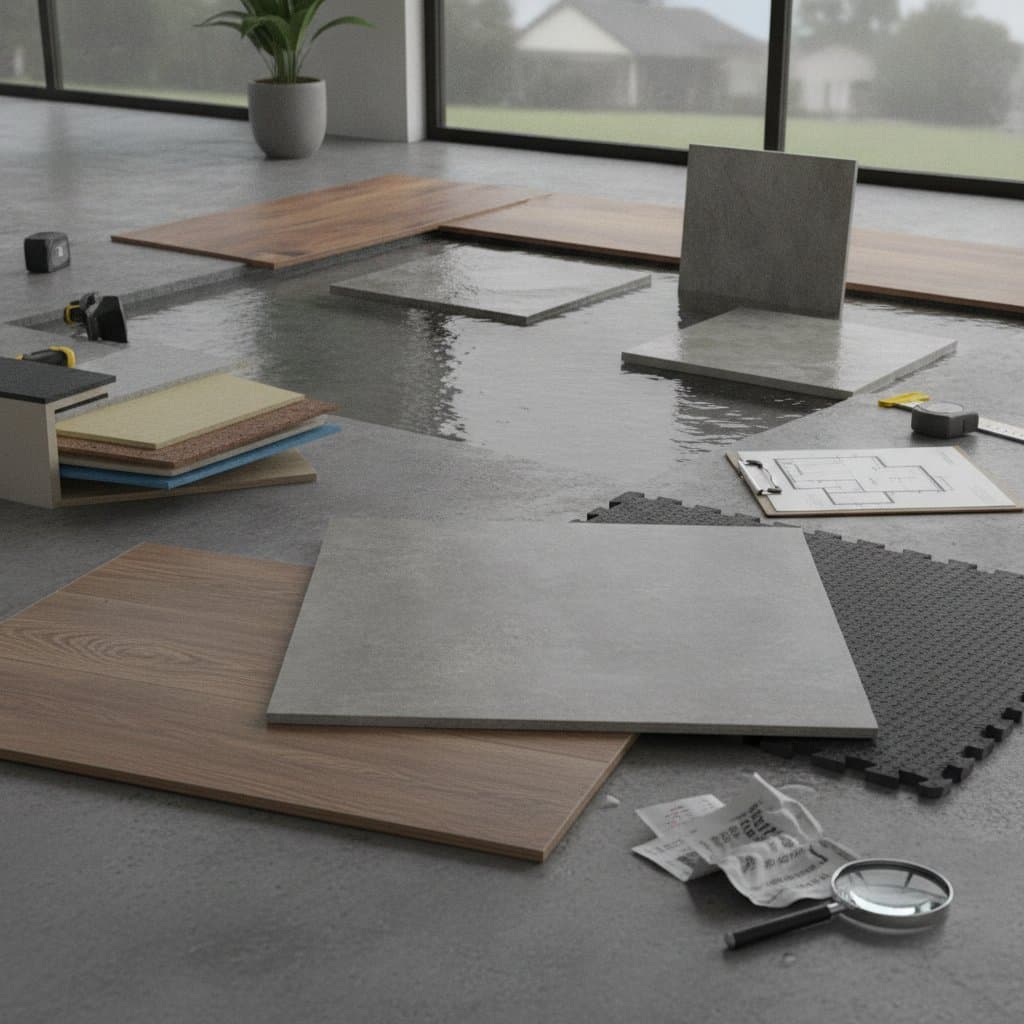
- Durable paneling in synthetic or blended compositions for ground-level surfaces
- Gravel-filled tubing for subsurface collection lines
Equipment
- Battery-powered rotary tool with drilling accessories for hard surfaces
- Applicator device for sealants with specialized tips
- Precision leveling instrument and distance markers
- Digging and compaction tools for earthwork
- Protective eyewear, hand coverings, and filtration masks
- Access platforms and elongated conduits for elevated cleaning
Select items certified for outdoor or subfloor exposure. Review product specifications for verified water resistance.
Upkeep Routines, Preservation, and Durability
Regular examinations and care prolong the effectiveness of flood defenses.
- Examine barrier applications biannually for fissures or degradation.
- Clear collection networks ahead of precipitation peaks.
- Remove obstructions from ventilation openings to ensure functionality.
- Renew surface protections at five- to seven-year intervals.
- Verify pump operations monthly and confirm auxiliary energy sources.
Diligent oversight sustains protective integrity and upholds eligibility for coverage adjustments.
Adapting to Local Environments and Weather Patterns
Inundation threats differ by geography. Shoreline properties confront tidal advances and saline degradation. Inland waterways experience sustained submersion. Elevated or arid terrains encounter rapid-onset deluges post-thunderstorms. Tailor strategies to these contexts:
- Shoreline Locations: Incorporate rust-preventive connectors and nautical-standard components.
- Temperate Zones: Insulate outflow pipes against ice formation.
- Tropical Settings: Integrate anti-fungal thermal and surface materials.
Municipal authorities typically provide inundation charts and adaptation protocols. Confirm compliance with area-specific height requirements.
Frequently Addressed Questions
What elevation exceeds flood levels suffices for a residence?
Position at minimum one foot above the designated flood threshold, although certain jurisdictions stipulate greater margins. Consult the regional flood authority for prevailing criteria.
Is flood adaptation feasible for established lower levels?
Affirmative, though efficacy hinges on subsurface moisture forces. Apply barrier layers, deploy collection pumps, and store valuables at higher elevations.
Does mitigation enhance market appeal?
Prospective purchasers value evidenced safeguards. Compliant structures command quicker transactions and potential premium reductions.
Are approvals necessary for these modifications?
Jurisdictions generally mandate clearances for alterations to frameworks, landscapes, or services. Verify prerequisites in advance.
What financial return accompanies these investments?
Repayment typically materializes over successive flood periods via diminished restoration expenses and adjusted coverage rates.
Implementing Layered Flood Defenses
Resilience builds through incremental safeguards rather than singular overhauls. Commence with accessible measures like fissure repairs or ventilation additions. Advance to broader initiatives such as runoff controls or height adjustments as resources permit.
The objective centers on containing water impacts for efficient rebound. Through strategic foresight and consistent vigilance, residences remain secure, arid, and prepared for impending meteorological challenges.