Builder Warranty vs. Home Warranty: Which One Do You Need?
Purchasing a new construction home offers the appeal of modern features and compliance with current building standards. However, unforeseen problems can arise shortly after occupancy. Home warranties provide a layer of protection for repairs beyond the initial phase, yet they differ significantly from the warranties provided by builders. Understanding the distinctions in coverage, duration, and expenses enables informed decisions about additional safeguards.
Understanding Builder Warranties
Builder warranties form a standard component of new home purchases. These warranties typically address defects in workmanship, materials, and structural elements. Coverage periods vary: one year for general materials, two years for mechanical systems such as plumbing and electrical, and up to ten years for major structural components.
Review the specific terms during the homebuying process. Variations occur based on the builder and local regulations. For instance, some warranties exclude cosmetic issues or normal wear and tear. Confirm exclusions to avoid surprises after closing.
Exploring Home Warranties
Home warranties represent optional contracts that protect appliances and home systems against normal breakdowns. Unlike builder warranties, these plans activate after the builder's coverage lapses, often starting from the first year of ownership. They cover items like heating, ventilation, air conditioning units, refrigerators, and washing machines.
Select a plan that aligns with your home's features. Basic policies focus on essential systems, while comprehensive options include add-ons for items such as pools or septic systems. Providers dispatch licensed technicians for approved repairs, minimizing out-of-pocket expenses.
Comparing Coverage and Costs
Builder warranties integrate into the home's purchase price, requiring no separate payment. In contrast, home warranties involve annual premiums ranging from $400 to $800 for standard coverage. Enhanced plans with broader protections or higher limits may cost $1,000 to $1,200 annually. Each service call incurs a fee of $75 to $150.
Factors influencing home warranty prices include home size, number of systems, and location. Larger properties with multiple bathrooms or high-end appliances demand higher premiums. Regional labor costs and contractor availability also play a role. Builder warranties, while cost-free upfront, do not extend to appliance failures from manufacturing defects, which fall under separate manufacturer guarantees.
Timing Your Purchase
Many homeowners delay purchasing a home warranty until the builder's coverage nears expiration. This approach maximizes value by bridging the gap in protection. Assess your situation six months before the warranty ends. Consider the home's age, usage patterns, and any existing maintenance records.
Evaluate personal risk tolerance. If financial buffers exist for potential repairs, a home warranty may prove unnecessary. For those preferring predictability, especially in complex homes with smart systems or custom installations, early adoption offers reassurance.
Professional Assistance and DIY Limits
Managing warranties requires minimal expertise, making the process accessible for most owners. However, certain issues demand professional intervention to preserve warranty validity and ensure safety.
Hire licensed contractors for structural concerns, electrical wiring, or plumbing installations. In disputes with warranty providers, consult a construction attorney rather than pursuing self-repairs. Home warranty policies mandate use of approved technicians; unauthorized work risks claim denials.
Safe tasks for independent handling include routine inspections. Clean HVAC filters monthly, check for minor leaks under sinks, and secure loose fixtures. Document all observations with photographs to support future claims.
Essential Maintenance Practices
Proactive care extends the life of home components and strengthens warranty claims. Establish a schedule to address common vulnerabilities.
Perform monthly checks: replace air filters and inspect plumbing connections for drips.
Conduct seasonal tasks: flush the water heater annually to clear sediment, test safety devices like smoke alarms, and clear gutters to prevent water damage.
Arrange yearly professional services: schedule HVAC tune-ups and examine the roof and foundation for emerging cracks.
Appliances generally endure 8 to 15 years, HVAC units 10 to 20 years, and structural elements far longer. Warranties mitigate the financial impact of premature failures, preserving your investment.
Regional and Climate Influences
Environmental factors affect system durability and warranty value. In humid or coastal areas, salt exposure accelerates corrosion in HVAC and water heating units. Prioritize coverage for these elements to counter accelerated wear.
Cold regions present freeze risks to pipes and heating systems. Comprehensive plans that include burst pipe protection provide essential safeguards. Verify that your warranty network includes reliable local service in rural or remote locations to minimize repair delays.
Frequently Asked Questions
Does a builder warranty include appliances? No, these warranties emphasize construction quality over appliance performance. Manufacturer warranties handle initial defects in items like ovens or dishwashers for the first year.
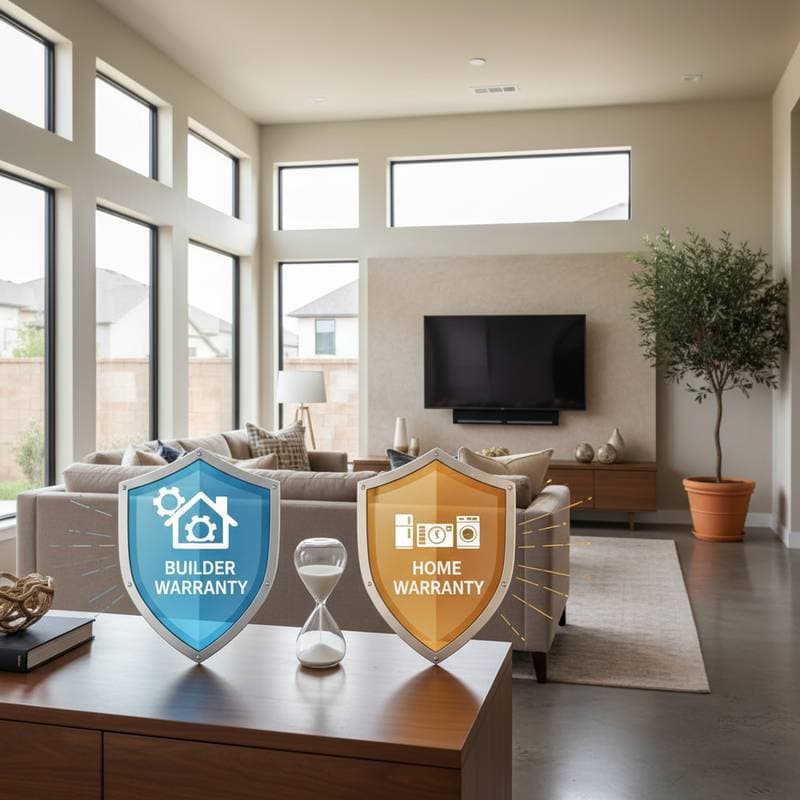
Is it possible to maintain both warranties simultaneously? Yes, they complement each other. The builder warranty addresses construction flaws, while the home warranty handles system malfunctions.
What steps follow a denied claim? Initiate an appeal with thorough documentation. Maintain records of upkeep, inspections, and visual evidence to bolster your case.
Steps to Secure Your Coverage
Begin by reviewing your builder warranty details and identifying coverage gaps. Research reputable home warranty providers, comparing plans against your home's specifics. Obtain quotes tailored to your location and needs.
Purchase during a transitional period for seamless protection. Integrate maintenance into your routine to maximize benefits. This strategy ensures long-term stability, allowing focus on enjoying your new home rather than repair uncertainties.