Essential Waterproof Floors for Flood Protection
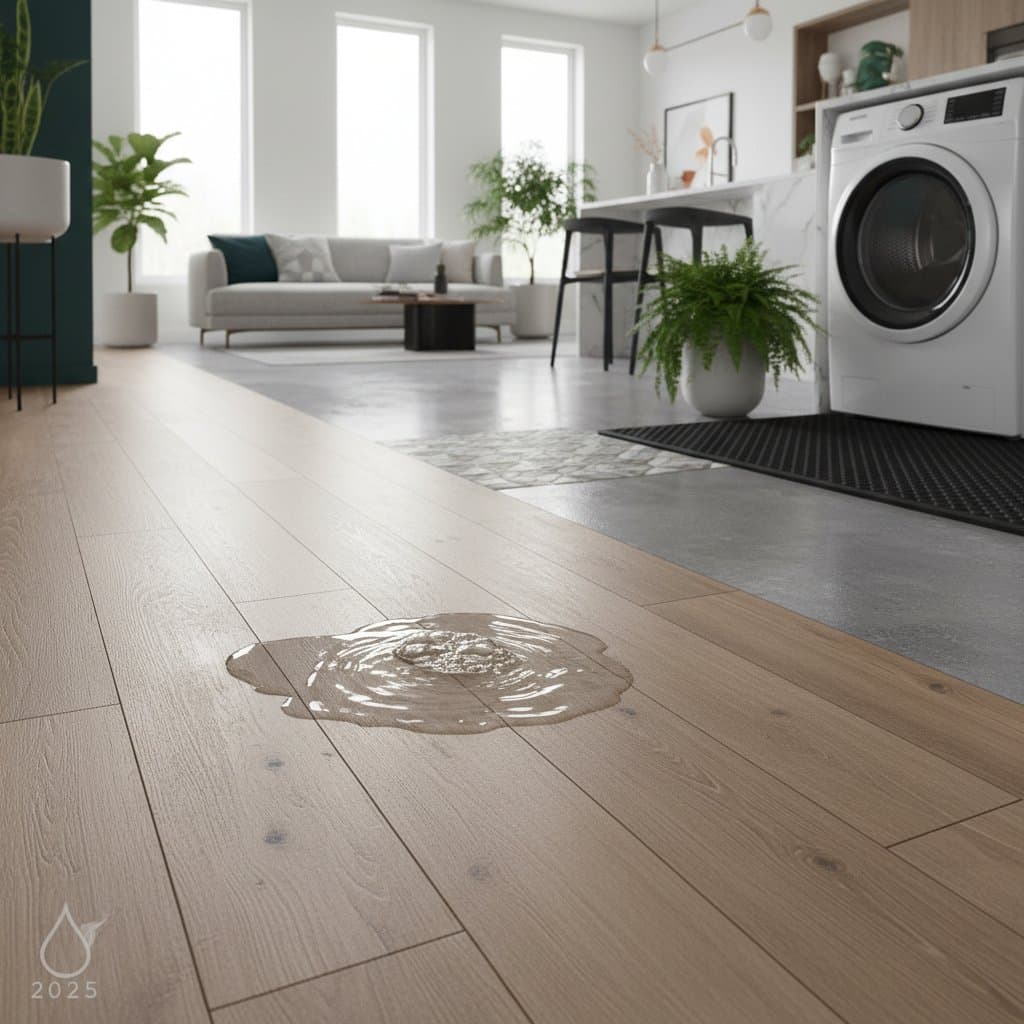
Waterproof flooring serves as a critical defense for homes against rising water, persistent leaks, and high humidity levels. These materials prevent the onset of rot, mold growth, and structural deterioration that often result from even minor flooding incidents. Selecting the appropriate waterproof flooring option can prevent thousands of dollars in cleanup, repairs, and replacements, while also maintaining healthier indoor air quality.
Understanding Waterproof Flooring
Waterproof flooring refers to any material engineered to resist water penetration from both the surface and subsurface levels. This design ensures that even prolonged exposure to standing water does not allow moisture to infiltrate the core or underlying subfloor. In contrast, water-resistant flooring merely slows down water absorption for a temporary period, making true waterproof options far superior for high-risk environments.
Popular Types of Waterproof Flooring
Homeowners facing flood risks have several reliable options for waterproof flooring. Each type offers unique benefits in terms of durability, aesthetics, and installation ease. Below, explore the most effective choices for 2025, complete with ideal applications and cost estimates.
Luxury Vinyl Plank (LVP)
Luxury vinyl plank flooring features a rigid core made from plastic composites that resist swelling and warping upon water contact. This versatile material closely replicates the appearance of hardwood or natural stone, providing an upscale look at a fraction of the price.
Ideal Applications: Basements prone to seepage, high-traffic kitchens, and moisture-heavy laundry areas.
Installation Cost: $3 to $7 per square foot, including labor and materials.
To enhance performance, select LVP with a thick wear layer for added scratch resistance, and ensure proper underlayment to buffer against subfloor imperfections.
Porcelain Tile
Porcelain tiles stand out for their dense, nonporous composition, which effectively blocks water from both above and below the surface. These tiles excel in environments with hydrostatic pressure, such as areas near groundwater sources.
Ideal Applications: Wet bathrooms, mudroom entryways, and homes built on concrete slabs.
Installation Cost: $5 to $12 per square foot, depending on tile size and pattern complexity.
For optimal results, pair porcelain with a waterproof grout to seal joints completely, preventing any potential water ingress over time.
Sheet Vinyl
Sheet vinyl provides seamless coverage without grout lines or seams that could harbor moisture. Rolled out in large continuous sheets, it forms an impermeable barrier ideal for expansive areas.
Ideal Applications: Oversized basements, commercial kitchens, or any space requiring uninterrupted waterproofing.
Installation Cost: $4 to $8 per square foot, with lower costs for basic patterns.
Professionals recommend heat-welding seams during installation to create a fully monolithic surface that withstands heavy water exposure.
Sealed Concrete
Concrete floors gain waterproof properties through applications of epoxy coatings or penetrating sealers, transforming them into resilient surfaces. These treatments not only repel water but also allow for customization via tinting, stamping, or polishing.
Ideal Applications: Attached garages, workshop spaces, and lower-level areas directly on slab foundations.
Installation Cost: $3 to $10 per square foot, varying by sealer type and surface preparation.
Apply multiple coats of sealer for industrial-strength protection, and consider adding anti-slip additives if the area sees frequent foot traffic.
Rubber Flooring
Rubber flooring, available in interlocking tiles or rolled sheets, creates a flexible yet watertight seal while absorbing impacts from daily use. Its natural resilience makes it suitable for dynamic environments.
Ideal Applications: Utility rooms, home gyms, or play areas in flood-vulnerable zones.
Installation Cost: $4 to $9 per square foot, including adhesive bonding.
Opt for recycled rubber options for eco-friendly benefits, and ensure full adhesion to the subfloor to avoid lifting in humid conditions.
Detailed Installation Guide
Proper installation forms the foundation of long-term waterproof performance. Follow these steps to achieve a secure, professional-grade result that minimizes future issues.
-
Inspect and Measure the Space: Use a moisture meter to detect hidden dampness, or perform a plastic sheet test by taping plastic over the subfloor for 24 hours and checking for condensation. Accurately measure the room dimensions and add 10 percent extra material to account for cuts and errors.
-
Remove Existing Flooring: Carefully strip away carpets, laminates, or other porous materials that could trap moisture. Employ a floor scraper to eliminate all adhesive remnants, ensuring a clean base.
-
Prepare the Subfloor: Verify that the subfloor remains level, clean, and completely dry. Operate a dehumidifier for a minimum of 48 hours if residual moisture persists, then apply self-leveling compound to address dips or cracks deeper than 1/8 inch.
-
Install a Moisture Barrier: For concrete subfloors or flood-prone locations, unroll a 6-mil polyethylene sheet or apply a liquid waterproof membrane, overlapping seams by at least 6 inches and taping them securely.
-
Lay the New Flooring: Adhere to the manufacturer's guidelines for click-lock systems or adhesive applications. Leave 1/4-inch expansion gaps around the perimeter to accommodate natural material shifts.
-
Seal All Joints and Edges: Apply a silicone-based waterproof sealant to fill expansion gaps and transition areas, such as door thresholds, creating a continuous barrier.
-
Final Inspection and Cleaning: Once installed, wipe the surface with a damp cloth to remove debris and inspect for any raised edges, bubbles, or gaps. Restrict access until adhesives fully cure, typically 24 to 48 hours.
DIY Installation Versus Professional Services
Deciding between self-installation and hiring experts depends on the project's scale and complexity. The table below compares key factors to guide your choice.
| Factor | DIY Installation | Professional Installation |
|---|---|---|
| Skill Level | Requires intermediate knowledge of tools and surfaces | Performed by certified, licensed specialists |
| Safety Considerations | Moderate risks from cutting and adhesives | Minimal, with proper equipment and protocols |
| Tools Needed | Basic items like utility knife, circular saw, trowel, spacers, and moisture meter | Advanced gear including laser levels, commercial adhesives, and heavy-duty cutters |
| Permits and Codes | Seldom necessary unless altering structure | Often required for subfloor work or drainage integration |
| Time Investment | 1 to 3 days for a standard room | 1 to 2 days with a skilled team |
| Warranty Implications | May invalidate manufacturer guarantees | Preserves full coverage and extended warranties |
DIY suits smaller projects, such as installing click-lock LVP in a single bathroom, where precision tools suffice. Engage professionals for larger areas, uneven slabs, oversized tiles, or integrations with existing drains, as their expertise ensures superior longevity and compliance.
Long-Term Maintenance and Durability
With consistent care, waterproof flooring endures from 15 to 50 years, varying by material and environmental exposure. Regular upkeep preserves both functionality and appearance, extending the investment's value.
Daily and Weekly Routines:
- Sweep or vacuum high-traffic zones to remove dirt, sand, or debris that could scratch the surface.
- Clean with a microfiber mop lightly dampened with water and a pH-neutral cleaner; avoid pooling liquids.
Periodic Tasks:
- Reapply protective sealers or finishes to concrete and tile every 5 to 10 years to maintain water resistance.
- Annually examine caulked edges and grout lines for wear, resealing any cracks promptly.
In the event of spills or minor floods, address them immediately by blotting excess water and using a fan for quick drying. Most waterproof floors, including vinyl and rubber, recover fully after sanitization with a diluted vinegar solution, preventing stains or odors from developing.
Frequently Asked Questions
What distinguishes waterproof flooring from water-resistant varieties?
Waterproof materials completely repel water without absorption, whereas water-resistant ones only postpone moisture uptake for a short duration.
Is it feasible to install waterproof flooring directly over concrete?
Yes, provided a vapor barrier or moisture-blocking sealer covers the concrete first to halt upward moisture migration.
Do waterproof floors require additional underlayment?
Integrated underlayment features in many products, but high-risk areas like basements benefit from an extra dedicated moisture barrier layer.
Can waterproof flooring effectively prevent mold formation?
By blocking moisture access to susceptible sub-layers, it significantly reduces mold risks; however, complementary measures for walls and baseboards remain essential.
What steps follow a flood for cleaning waterproof floors?
Wipe with a mild detergent solution for disinfection, then allow thorough air drying. Inspect and dry all seams to eliminate any trapped moisture.
Maximizing Protection Through Proactive Choices
Investing in waterproof flooring equips your home against unpredictable water threats, safeguarding both structure and health. By selecting materials suited to your specific needs and committing to diligent installation and care, you secure enduring resilience. This approach not only averts expensive disruptions but also fosters a more stable, worry-free living environment year-round.