
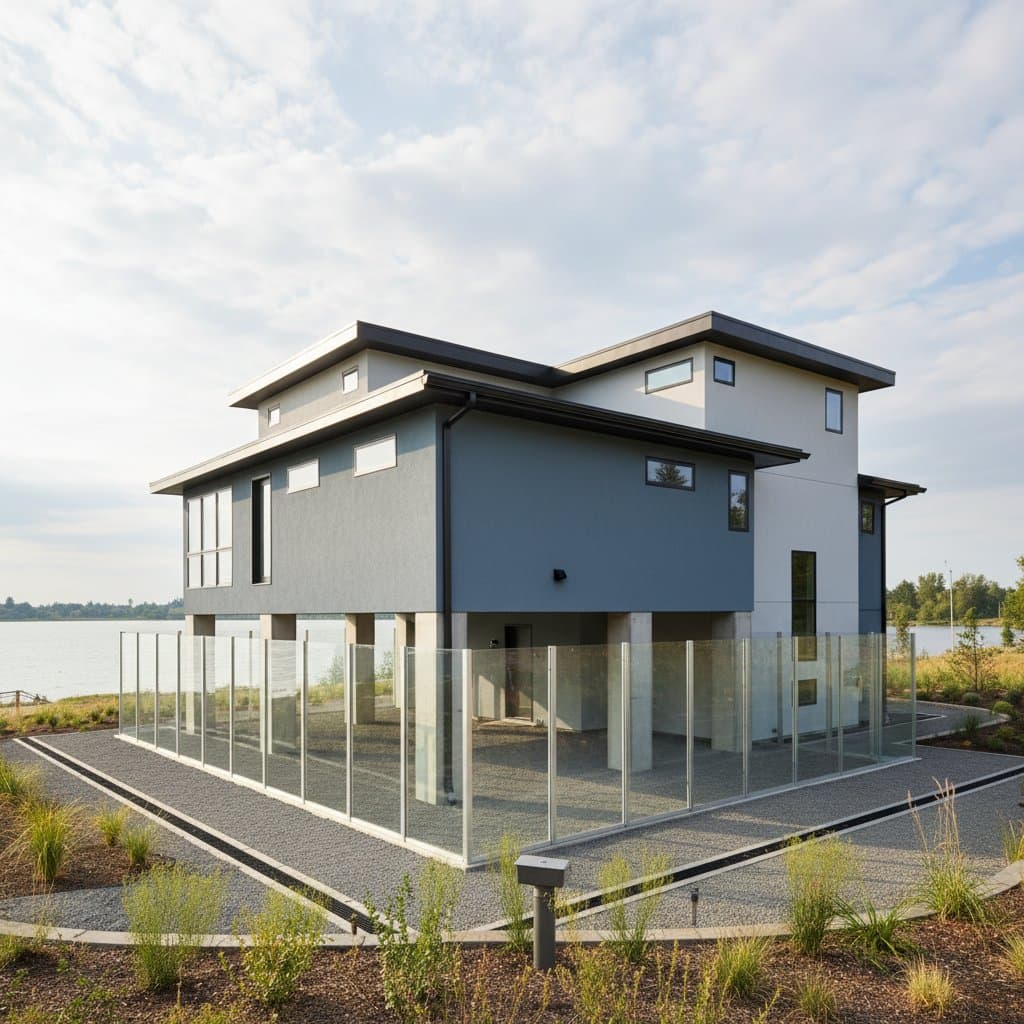
Prepare homes for 2026 flood risks with effective proofing measures. This guide details actual expenses, options for self-installation versus professional services, and methods to achieve savings while upholding safety and warranty standards. From foundation sealing to complete elevation, uncover approaches that decrease insurance rates, enhance market appeal, and deliver enduring resilience.
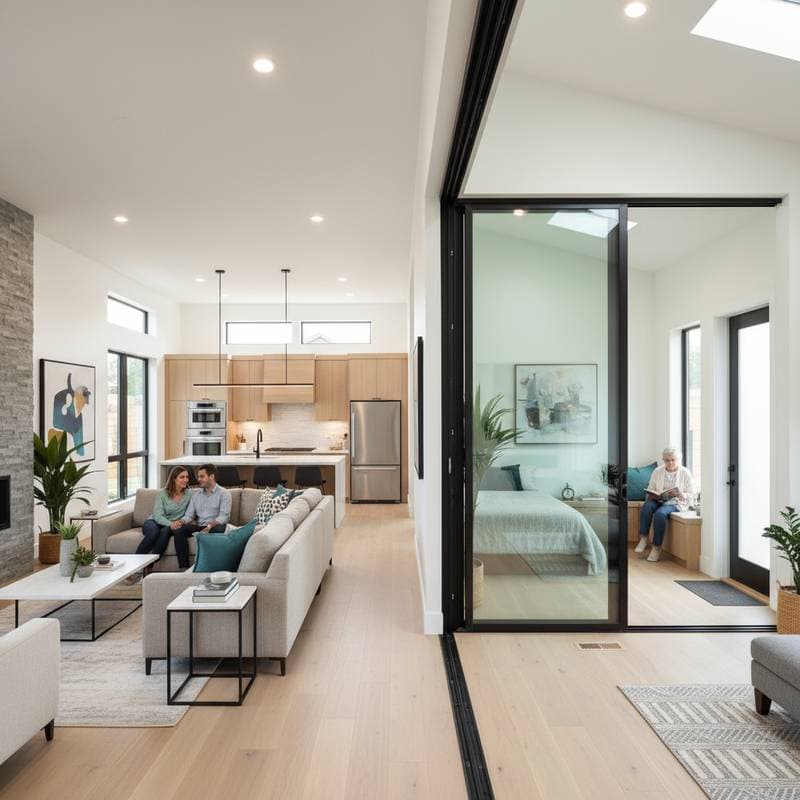
Uncover the true expenses of multigenerational home designs, from comprehensive custom constructions to ADU extensions. Examine how spatial configurations, privacy considerations, and regulatory requirements impact budgets, schedules, and livability. Gain insights into effective strategies that foster autonomy, property appreciation, and familial unity in shared residences.
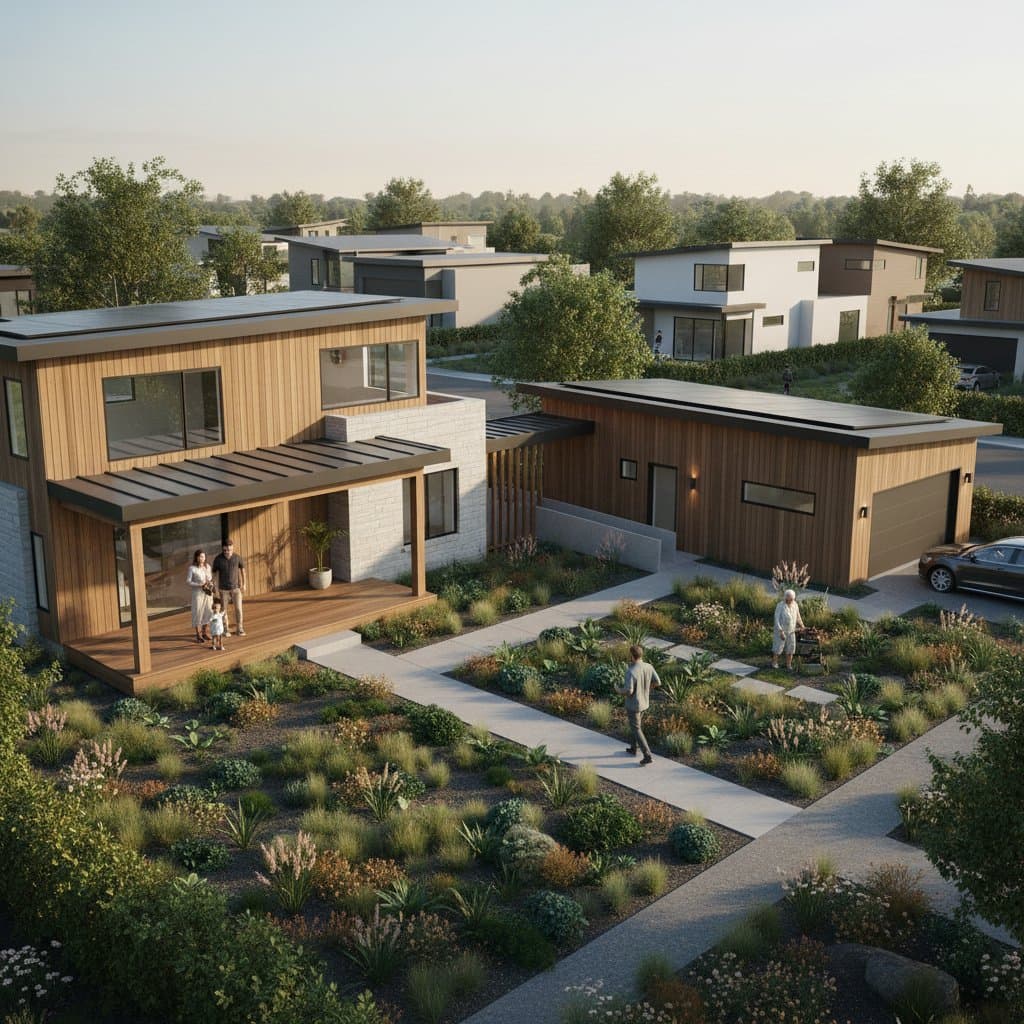
Creating a multigenerational home requires thoughtful design to ensure privacy, ease of access, and shared family moments. This guide covers proven layouts like private suites and accessory dwelling units, along with cost estimates, essential features, and planning strategies to develop a versatile living space that adapts to every generation's evolving needs.
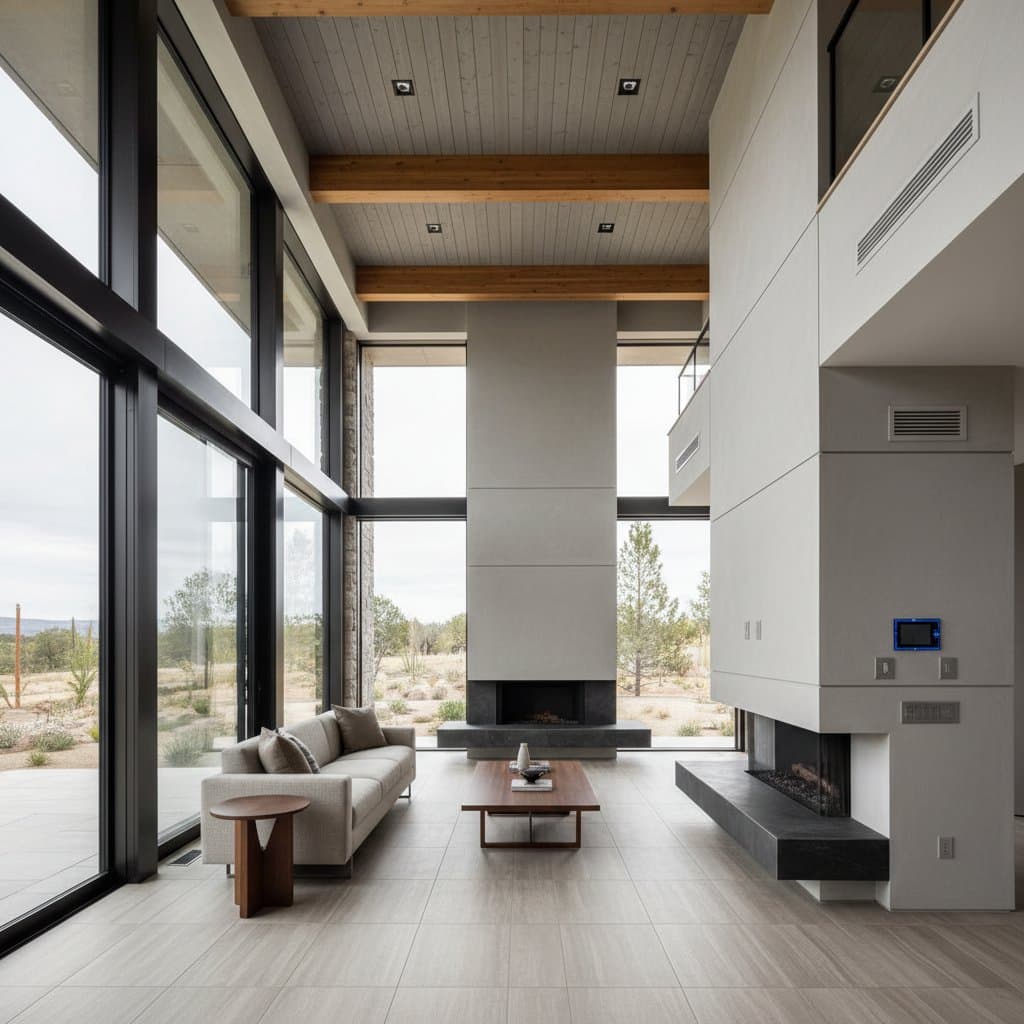
With wildfire threats expanding, 2026 homes demand robust fire-resistant upgrades to shield structures, align with updated regulations, and maintain insurability. Explore options like Class A roofing and ember-proof vents, alongside costs, DIY versus professional decisions, and upkeep routines for enduring, compliant safeguards.
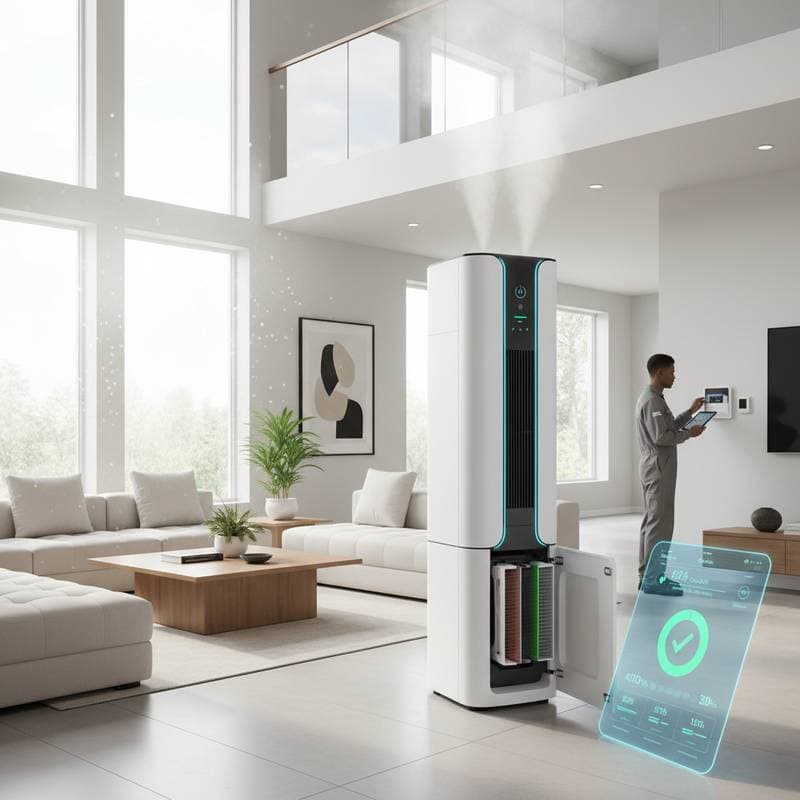
Whole-home air systems for 2026 integrate advanced filtration, air scrubbing, and humidity management to transform indoor environments. This guide covers system benefits, installation processes, ongoing maintenance, and cost considerations to help determine if such an upgrade suits your residence.
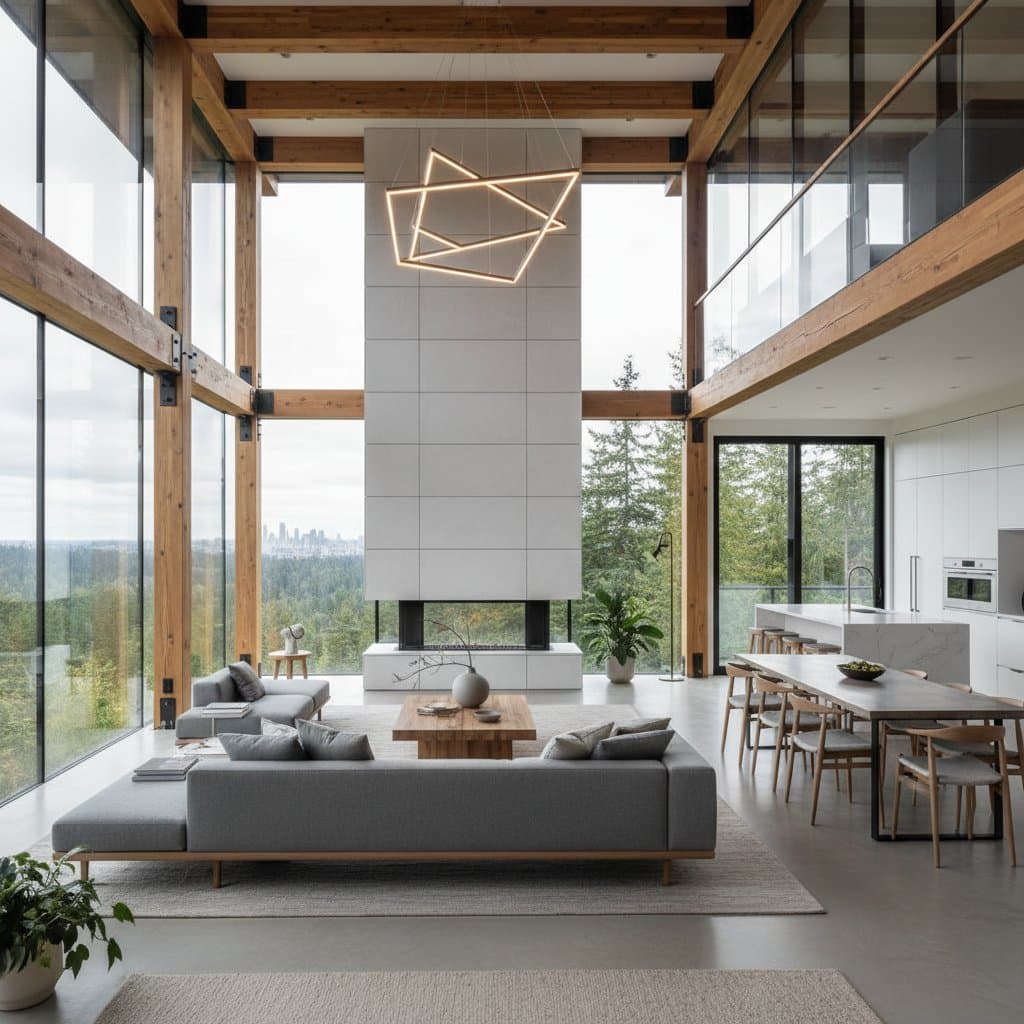
Modular homes revolutionize construction through factory-built precision, achieving up to 35% faster completion rates than traditional methods. They ensure uniform quality, minimize waste, and offer cost-effective solutions despite some design constraints. This guide covers financing details, climate adaptations, and the ways modular building creates resilient, efficient residences that transform the industry by 2026.
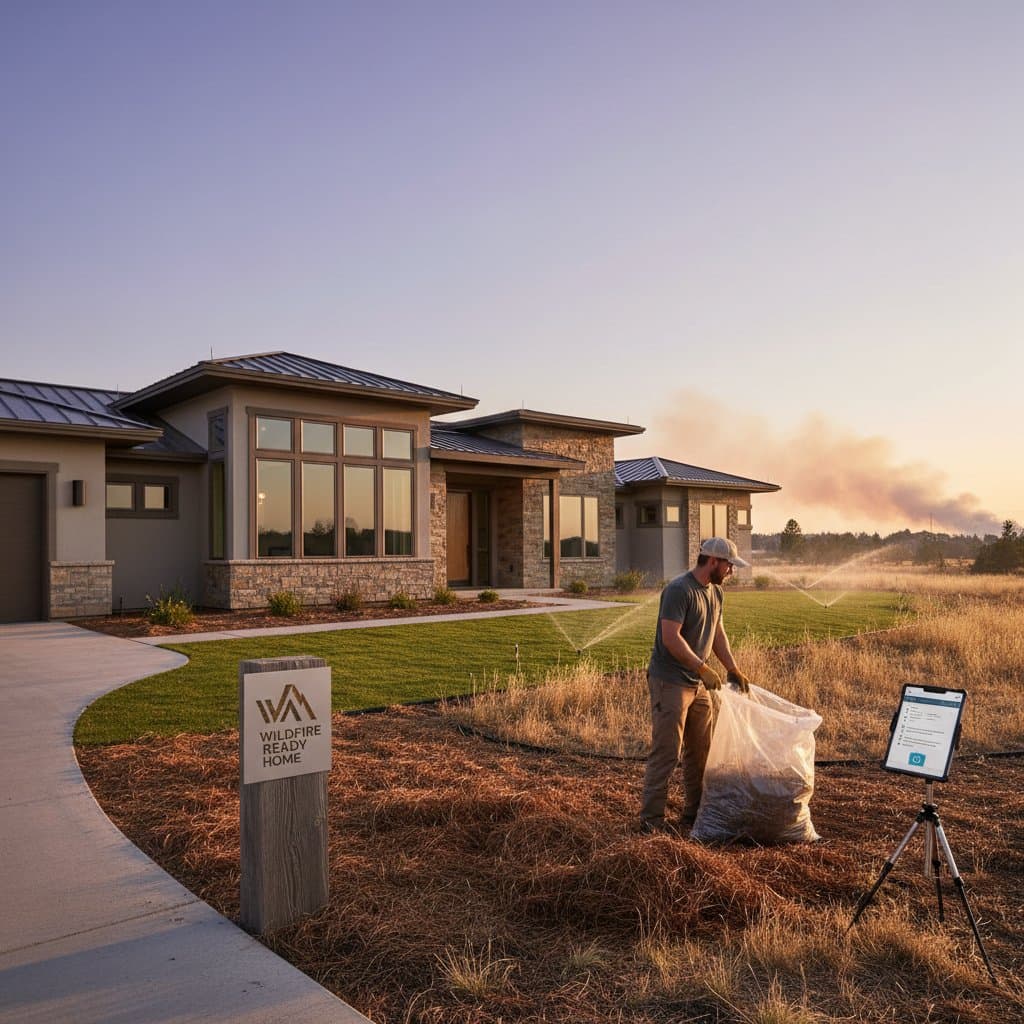
Starting in 2026, wildfire regulations will tie home insurance eligibility to verified fire-resistant construction, defensible space, and ongoing maintenance. Homeowners must provide proof of compliance to avoid coverage loss, navigate exclusions, and balance retrofit expenses with premium reductions. This guide offers strategies to safeguard property value, ensure financial stability, and maintain reliable insurance.
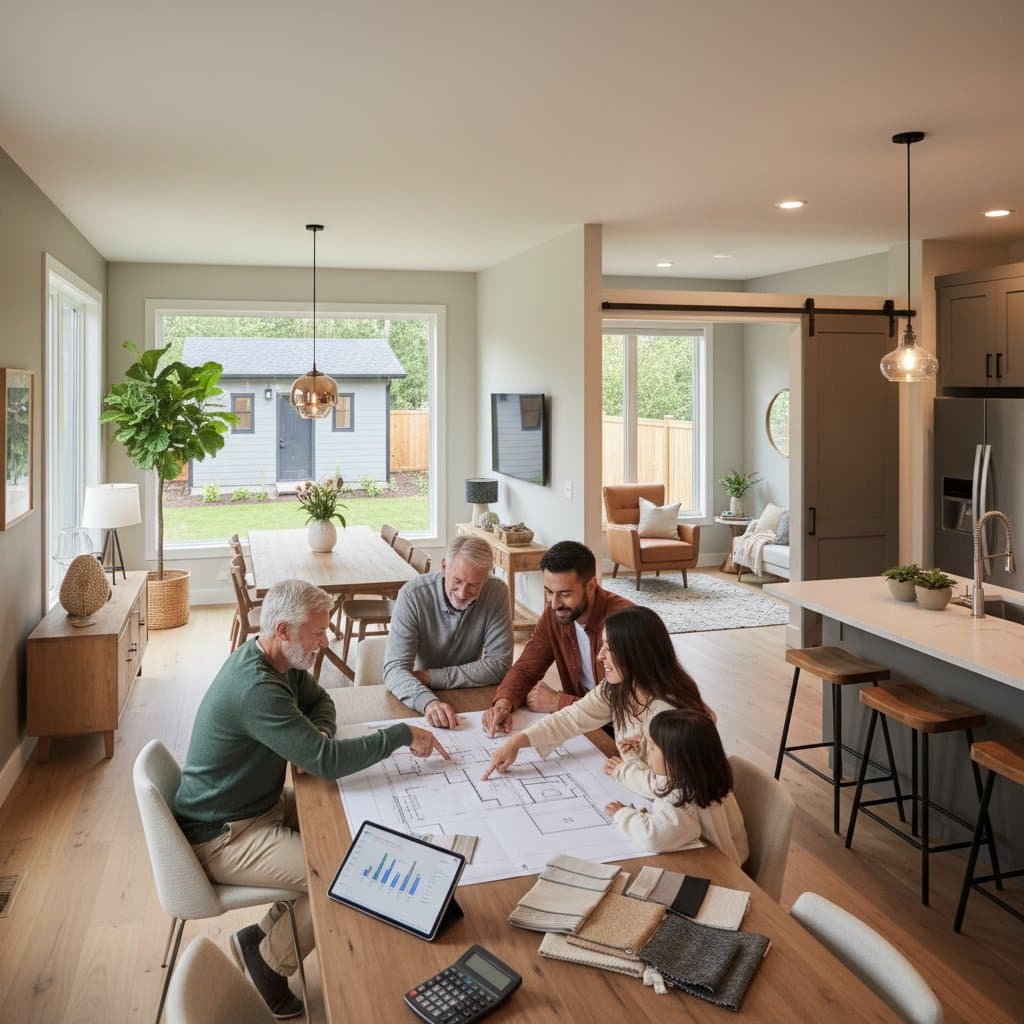
Converting a home for multigenerational living involves careful planning to balance costs, regulations, and family needs. This guide details 2026 expenses, practical steps, and strategies to ensure your project enhances comfort and value without unexpected financial strain.
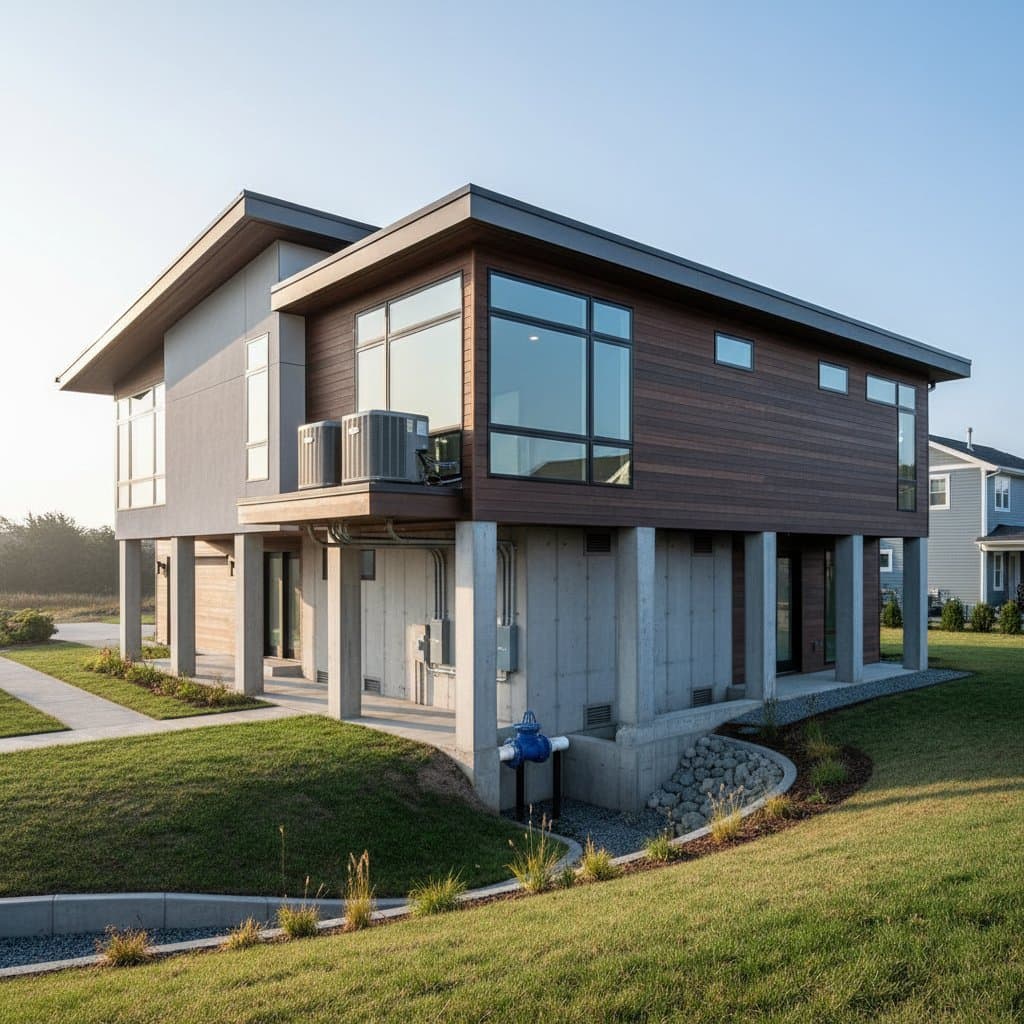
Starting in 2026, insurers in flood-prone regions will demand proof of flood-proofing measures for policy renewals. Essential upgrades include foundation sealing, utility elevation, and backflow prevention to minimize damage risks. This overview details key requirements, estimated expenses, and practical steps to ensure compliance and safeguard your property.
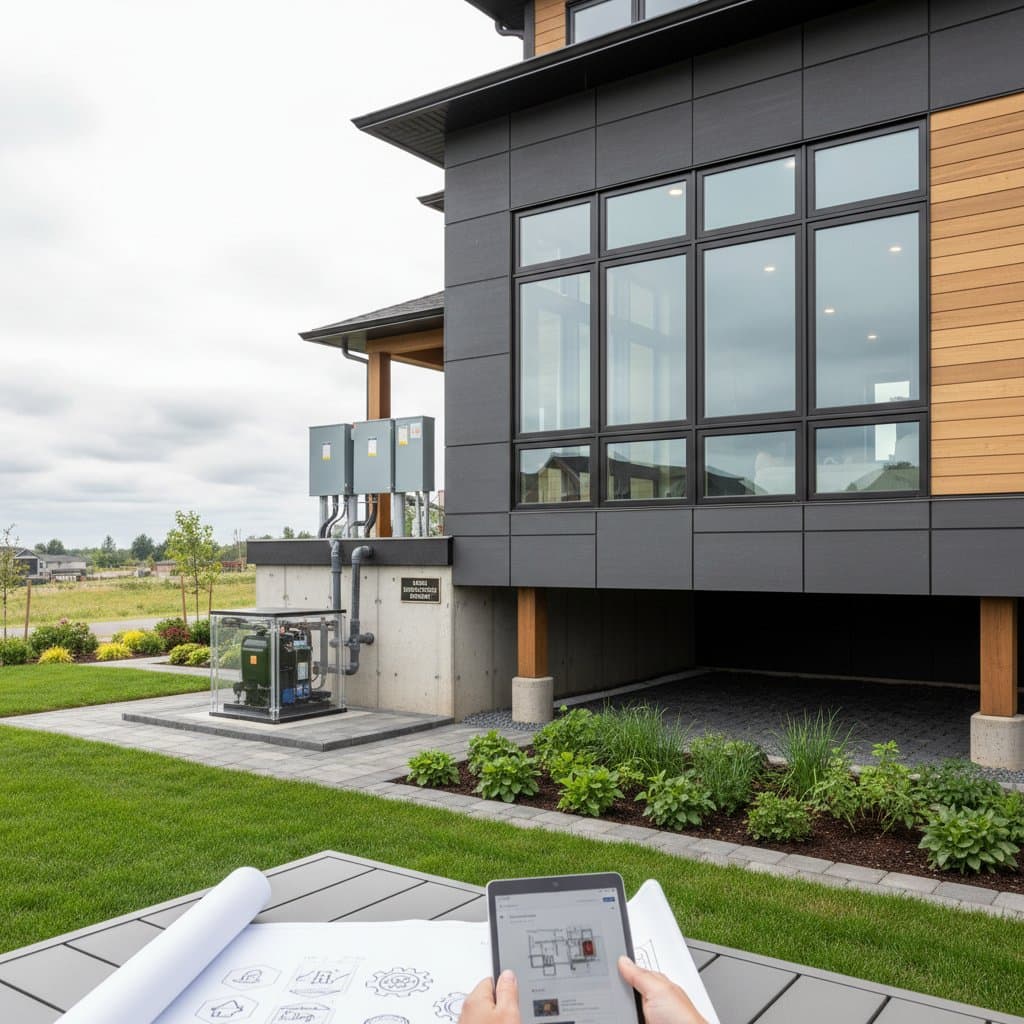
Safeguard your property against floods with proven 2026 strategies. This guide details elevating utilities, optimizing drainage, deploying smart pumps, and selecting durable materials, complete with cost breakdowns, installation steps, and expert advice for resilient living.
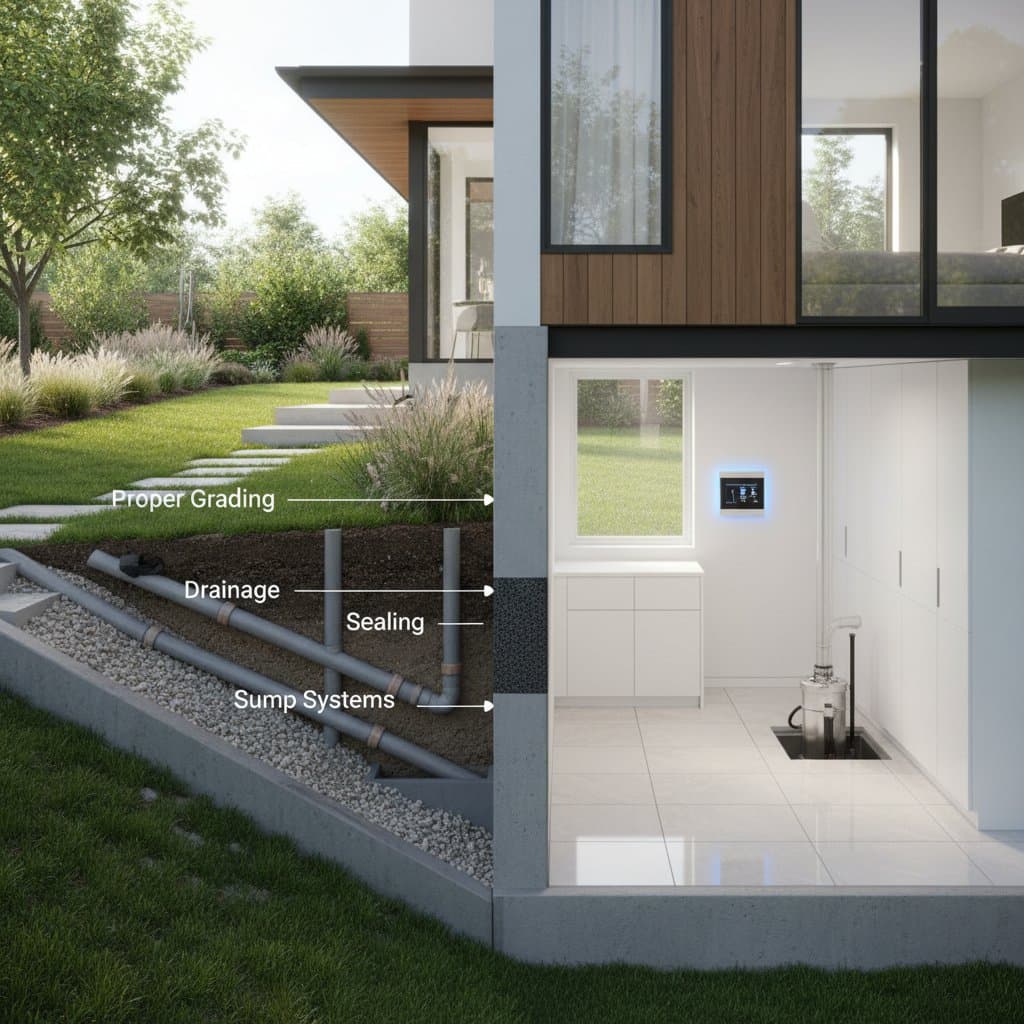
Safeguard your home against flood damage with a comprehensive three-layer prevention strategy. This approach involves deflecting water away from the foundation, defending the structure against intrusion, and discharging excess water efficiently. Gain insights into implementation costs, maintenance requirements, and professional assistance to achieve reliable protection.
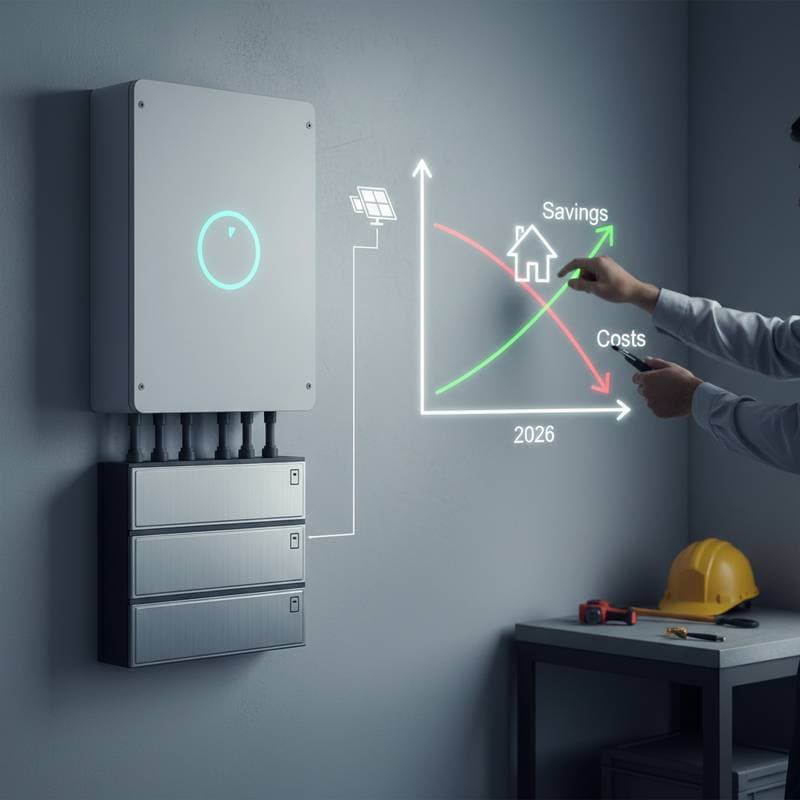
Home battery backups offer reliable power during outages, reduced energy bills, and enhanced solar integration, yet they involve significant initial investments and setup challenges. This comprehensive 2026 analysis details the financial viability, proper sizing and installation methods, along with considerations for maintenance, regulatory compliance, and decisions between professional and DIY approaches to maximize reliability and return on investment.
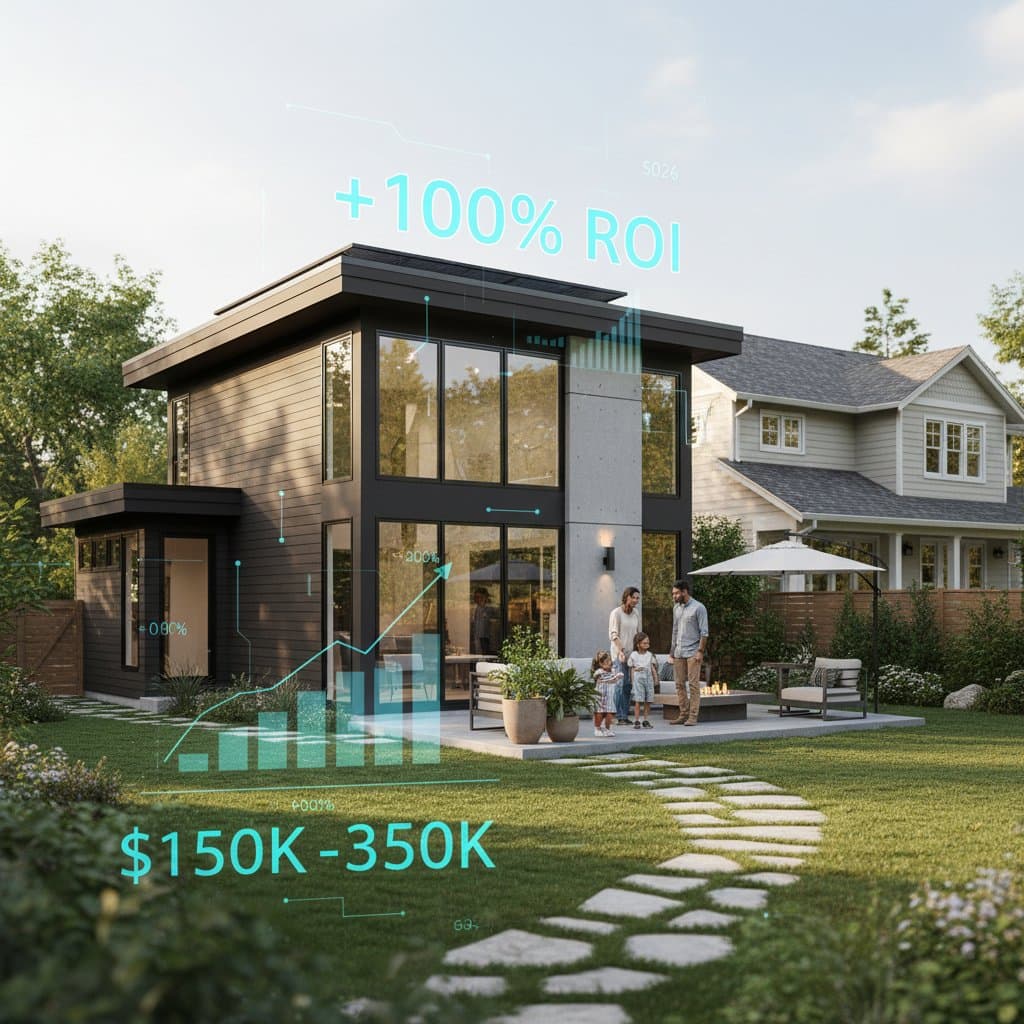
In 2026, constructing an accessory dwelling unit (ADU) typically costs between $150,000 and $350,000, offering a potential return on investment of 50 to 100 percent via increased property value or rental revenue. This guide examines how design decisions, site specifics, and budgeting practices impact expenses, project timelines, and financial outcomes. Explore ADU types to determine the best option for your property, ensuring maximum long-term value and lifestyle benefits.
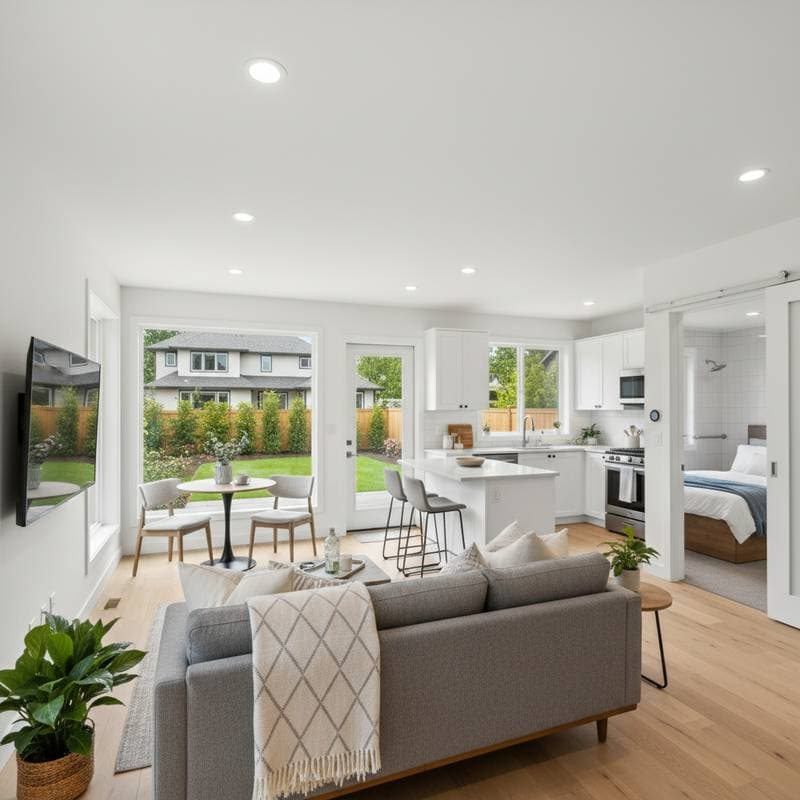
Granny pods enable backyard independence for seniors at $70,000-$150,000, slashing eldercare costs by 60% and raising home values up to 35%. These adaptable units combine accessibility, smart features, and family proximity for sustainable 2026 living.
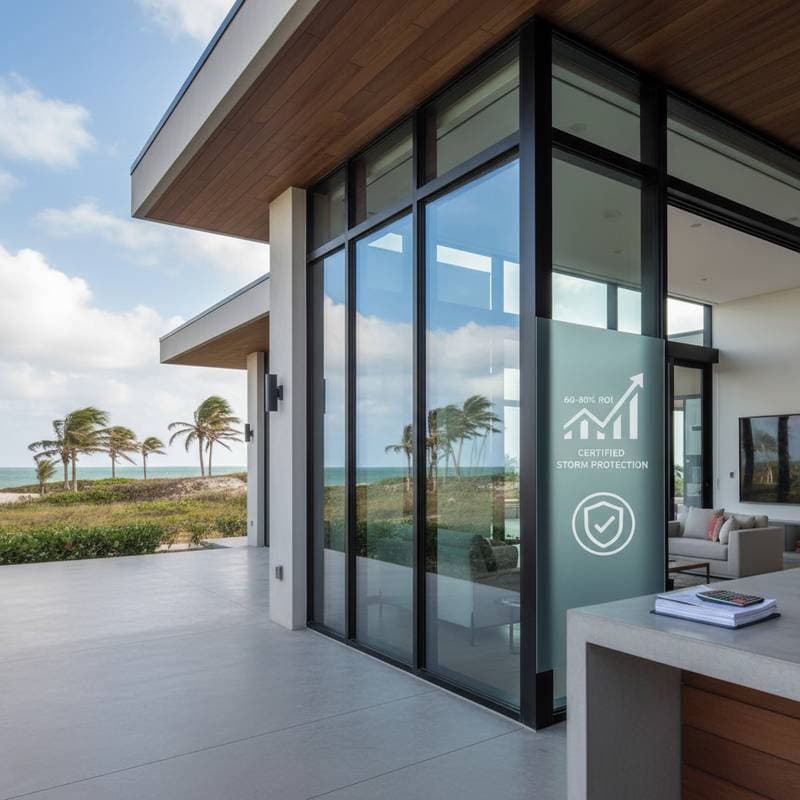
Hurricane windows combine robust storm resistance with financial perks, including 60-80% cost recovery at resale and insurance discounts up to 45%. This guide details certifications, installation best practices, and maintenance to optimize safety, efficiency, and returns for homes in vulnerable regions.
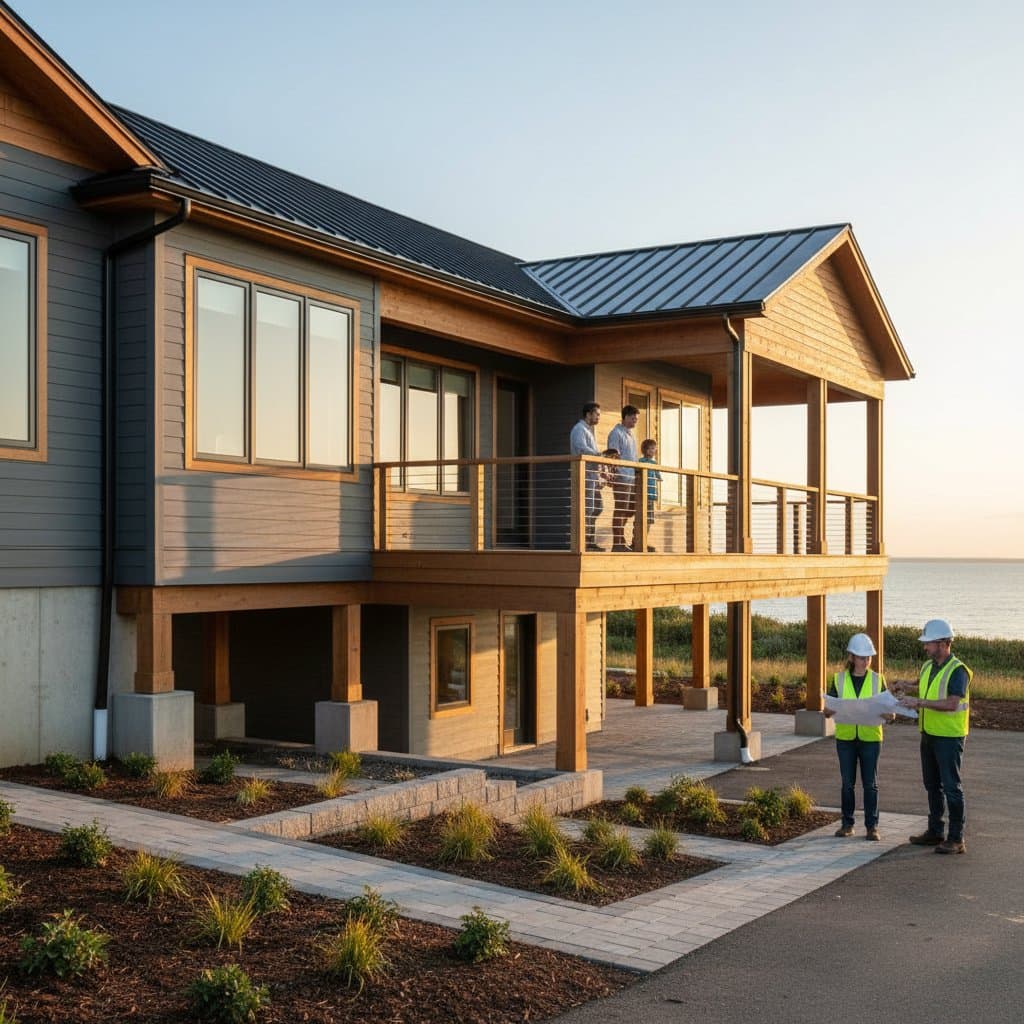
The 2026 building code revisions establish elevated standards for flood resistance by mandating raised foundations, enhanced drainage systems, and resilient building materials. Although initial implementation involves additional expenses, these measures significantly decrease future repair costs and insurance liabilities. Property owners, construction professionals, and regulatory officials should begin preparations immediately to comply with these rigorous requirements and protect communities from escalating flood dangers.
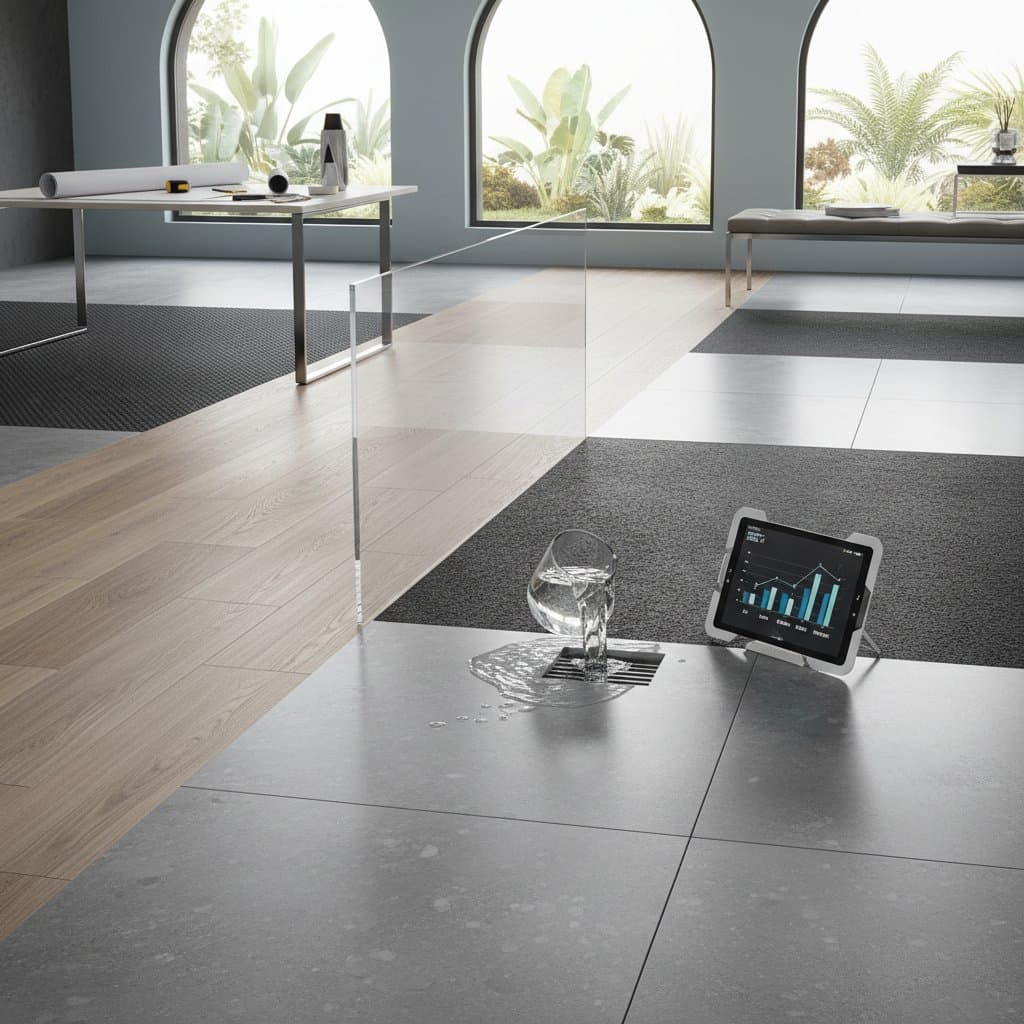
Prepare for floods with this 2026 guide to resilient flooring costs and choices. Delve into vinyl planks, ceramic tiles, sealed concrete, and rubber options, plus installation workflows, DIY versus pro advice, and error avoidance for lasting, budget-friendly protection.
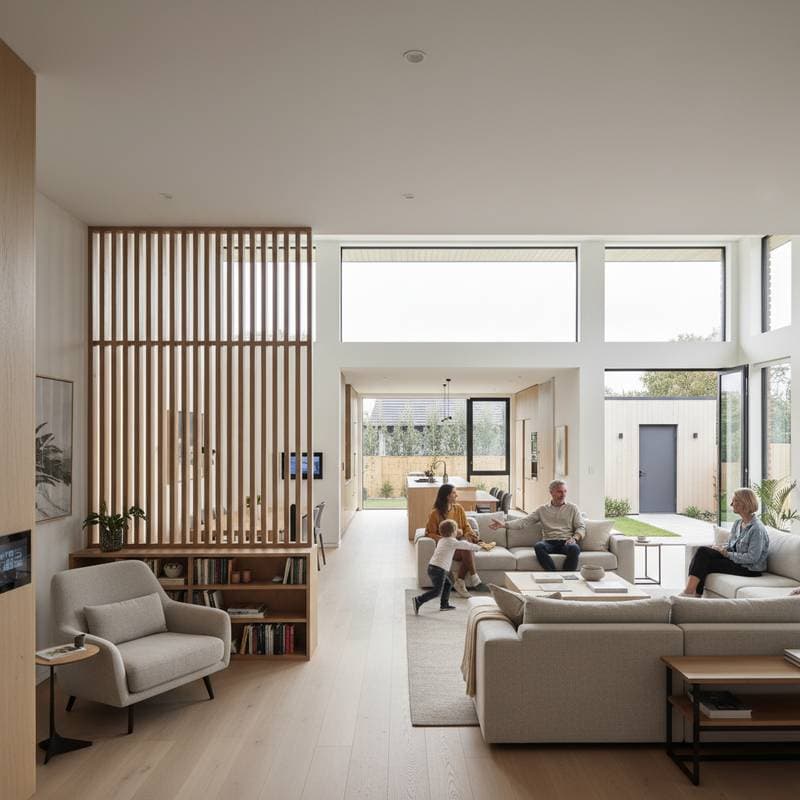
Multigenerational homes blend private spaces with shared areas to support family unity.
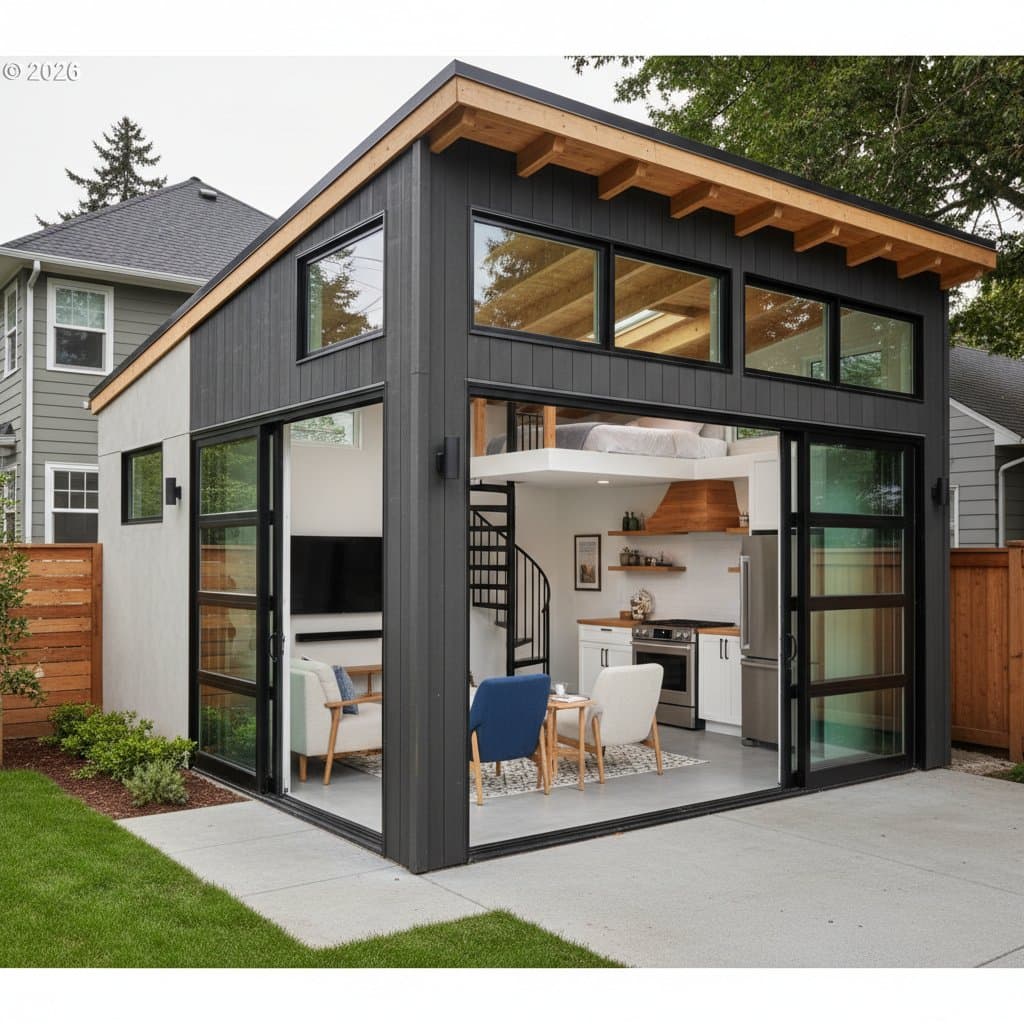
Garage-to-ADU conversions range from $75,000 to $180,000, influenced by size, materials, and local requirements. These projects can elevate property values by up to 30 percent and provide reliable rental opportunities. This guide offers in-depth cost details, service options, and practical tips for optimizing efficiency and returns.
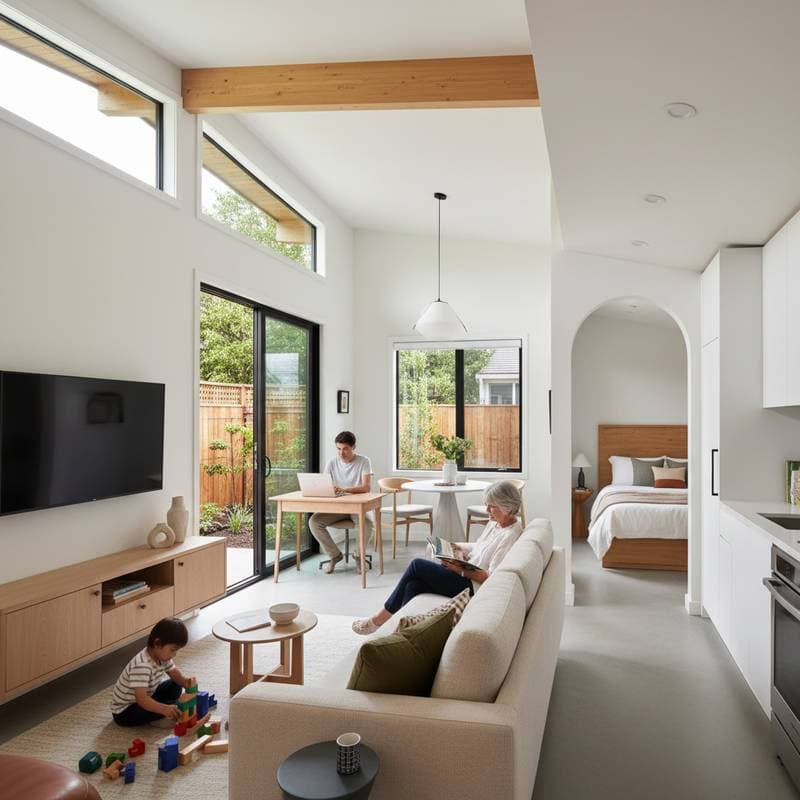
Accessory dwelling units (ADUs) reshape multigenerational households in 2026 by delivering privacy, adaptability, and increased property worth. Options such as backyard cottages or garage conversions enable families to remain close, control expenses, and address caregiving needs. Discover effective strategies for planning, budgeting, and designing to create a resilient family living space.