Why New Refrigerant Laws Upend HVAC Warranties
Summary Box
National average cost: $6,800 for a full heat pump or central air replacement
Typical range: $5,500 to $9,500
Low end and high end: $4,200 for small systems, $12,000 for high-efficiency multi-zone units
Time to complete: 1 to 3 days
DIY or Pro: Professional installation only
ROI or resale impact: High. Energy-efficient systems raise home value and cut utility costs.
Updated: August
New refrigerant laws, driven by environmental concerns, mandate a shift from R-410A to lower-global-warming-potential alternatives like R-454B. These changes affect heating, ventilation, and air conditioning (HVAC) systems by requiring precise matching of components and certified installation practices. Homeowners must navigate these updates to avoid unexpected expenses and ensure reliable performance.
The transition aims to reduce greenhouse gas emissions from refrigerant leaks, aligning with federal phase-down schedules set by the Environmental Protection Agency. Systems using R-410A will face availability constraints starting in 2025, prompting proactive replacements. This article explores the warranty implications, cost considerations, and steps to safeguard investments.
Cost Factors
The total expense for an HVAC replacement depends on several variables that influence both materials and labor. Homeowners should evaluate these elements during planning to budget accurately.
Scope and size. Single-zone systems generally cost less than multi-zone or variable-speed configurations. Larger units, measured in tonnage, require more refrigerant and extended labor hours, increasing the overall price.
Material grade and finish. Premium models featuring variable-speed compressors or integrated smart controls command higher prices. However, these advanced options often qualify for utility rebates, offsetting initial investments through long-term energy savings.
Site conditions and accessibility. Installing rooftop units or working in confined attics extends setup time and requires specialized equipment. Additional factors, such as extended refrigerant line lengths or new electrical disconnects, contribute to elevated costs.
Labor market and season. Demand surges during peak cooling periods, driving up rates. Scheduling installations in off-peak seasons, such as early spring or late fall, typically yields savings of 10 to 15 percent.
Custom work and change orders. Modifications like ductwork upgrades, improved drainage systems, or electrical service enhancements add significant expenses. Contractors often itemize these in proposals to provide transparency.
How Warranties Are Changing
Recent regulations introduce stricter requirements for HVAC warranties, emphasizing system compatibility and installation standards. Manufacturers adjust coverage to comply with these rules, protecting both the environment and product integrity.
1. Narrower component coverage. Full parts warranties now apply only to complete, matched systems. Pairing a new condenser with an existing evaporator coil from an older R-410A unit may result in partial coverage or complete denial of claims.
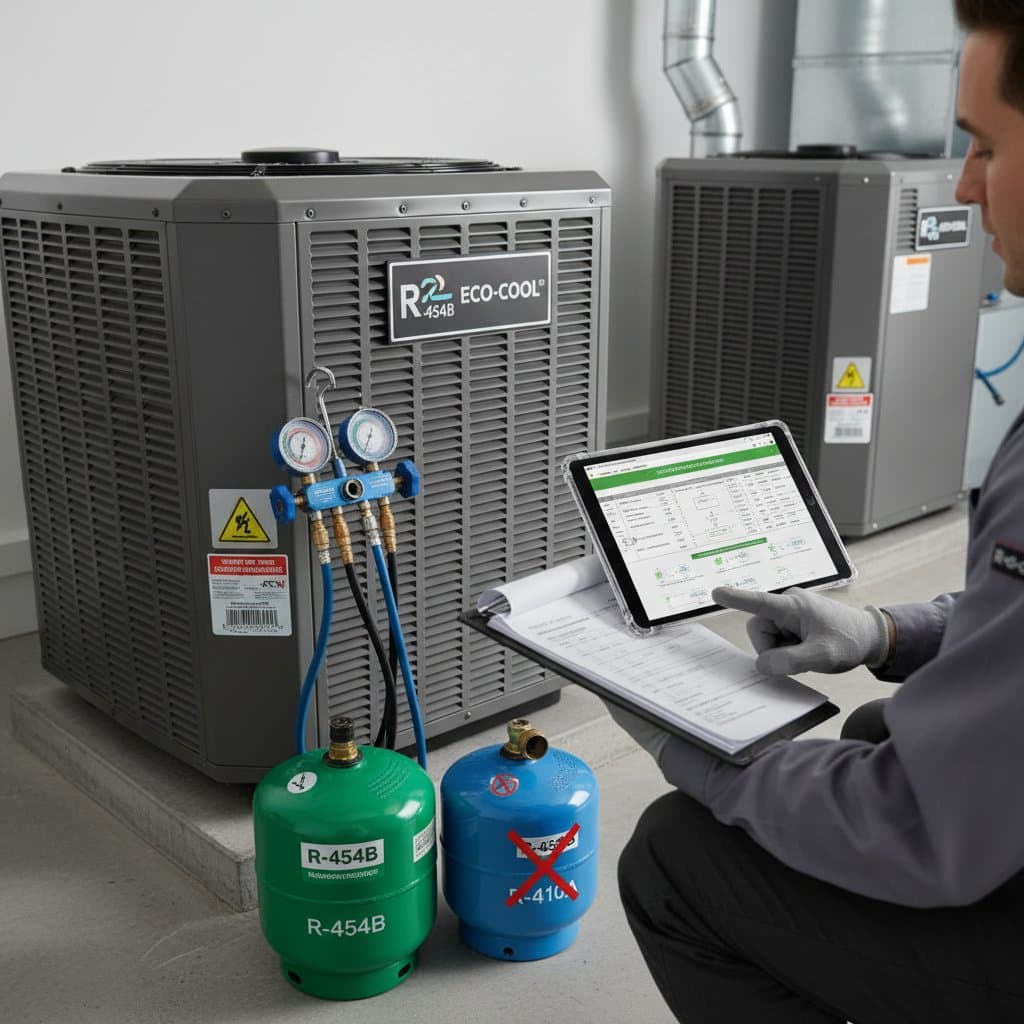
2. Proof of proper refrigerant. Technicians must record the refrigerant type and precise charge amount during installation. Certain brands mandate serial number registration and verification of the charge via digital applications to validate warranty eligibility.
3. Contractor certification. Service and startup procedures for A2L refrigerants, including R-454B, require technicians with specific licensing and training. Engaging unqualified labor exposes homeowners to the risk of forfeited factory warranties.
4. Labor exclusions. Coverage typically extends to parts but excludes labor costs for repairs. A premature system failure could thus incur hundreds of dollars in additional out-of-pocket expenses for professional service.
These shifts ensure that only properly installed, eco-compliant systems receive comprehensive protection. Homeowners benefit from enhanced durability when adhering to these guidelines.
How To Save Without Regret
Strategic planning allows homeowners to minimize costs while maintaining warranty integrity. Focus on compatibility, documentation, and incentives to achieve optimal outcomes.
1. Match the system. For R-410A setups, replace both the indoor evaporator and outdoor condenser units simultaneously. Incompatible mixing leads to reduced efficiency and warranty invalidation.
2. Ask about charge verification. Select manufacturers that provide extended warranty periods upon system registration and submission of charge documentation by the installer.
3. Time the replacement. Opt for off-season timing to benefit from reduced labor rates and faster scheduling availability.
4. Compare at least three quotes. Solicit detailed proposals from reputable contractors to identify the best value.
Quote Comparison Checklist
- Scope is itemized with clear breakdowns
- Materials grade and brand are specified
- Surface preparation and cleanup are included
- Permit and disposal fees are covered
- Warranty terms and timelines are detailed
- Payment schedule aligns with project milestones
5. Use rebates wisely. Federal and utility incentives can substantially reduce replacement expenses for qualifying high-efficiency models. Confirm eligibility and delegate paperwork to the contractor for seamless processing.
Timeline and Scheduling
Replacement projects follow a structured sequence to ensure safety and compliance. Understanding the process helps homeowners prepare effectively.
A standard job spans one to three days. The first day involves system removal, line set cleaning, and coil installation. Subsequent days focus on new unit placement, vacuum evacuation, refrigerant charging, and performance testing.
Lead times: Equipment delivery averages two to four weeks in typical markets. High-demand items like variable-speed units may extend this period, so early ordering is advisable.
Inspection touchpoints:
- Submit permit applications prior to demolition
- Conduct rough inspections for refrigerant lines and electrical connections
- Perform final checks after startup and charging procedures
Local building codes may require additional verifications, underscoring the importance of certified professionals.
Securing Compliance and Performance
Systems relying on R-410A refrigerant warrant immediate attention. Although parts remain accessible for several years, escalating prices and supply limitations loom as the phase-out advances.
Examine the unit's nameplate to confirm the refrigerant type. If R-410A appears, consult a licensed HVAC contractor to explore compatible R-454B alternatives suited to your home's size and layout.
Request comprehensive quotes for full system replacements rather than piecemeal updates. Verify the contractor's certification in handling A2L refrigerants to guarantee adherence to standards.
Retain all installation records, including charge verification forms and registration receipts. These documents serve as essential proof for warranty claims and regulatory compliance.
By acting proactively, homeowners secure reliable operation, environmental responsibility, and financial protection against future disruptions.
Methodology and Sources
Cost estimates derive from current national and regional data, insights from contractor consultations, and analysis of completed projects. Actual prices fluctuate based on geographic location and economic factors.