AMS Home Guides Logo
Home
Remodeling Cost ComparisonsAbout
AMS Home Guides Logo

Your comprehensive resource for home guides, cost guides, and home warranty information.

HomeAboutAll ArticlesSearchPrivacyTerms

© 2026 AMS Home Guides. All rights reserved.

  1. Home
  2. /
  3. Home Warranty Basics
  4. /
  5. Mold Cleanup: Insurance Pays, Warranties Don't
Home Warranty Basics

Mold Cleanup: Insurance Pays, Warranties Don't

bySusan Weiland
2025-11-30 03:50:20November 30, 2025
6 min read
Featured image for Mold Cleanup: Insurance Pays, Warranties Don't
2025-12-01 03:36:08
AMS - Home Guides, Cost Guides, Home Warranty

Understanding Mold Coverage: Home Warranties Versus Insurance Policies

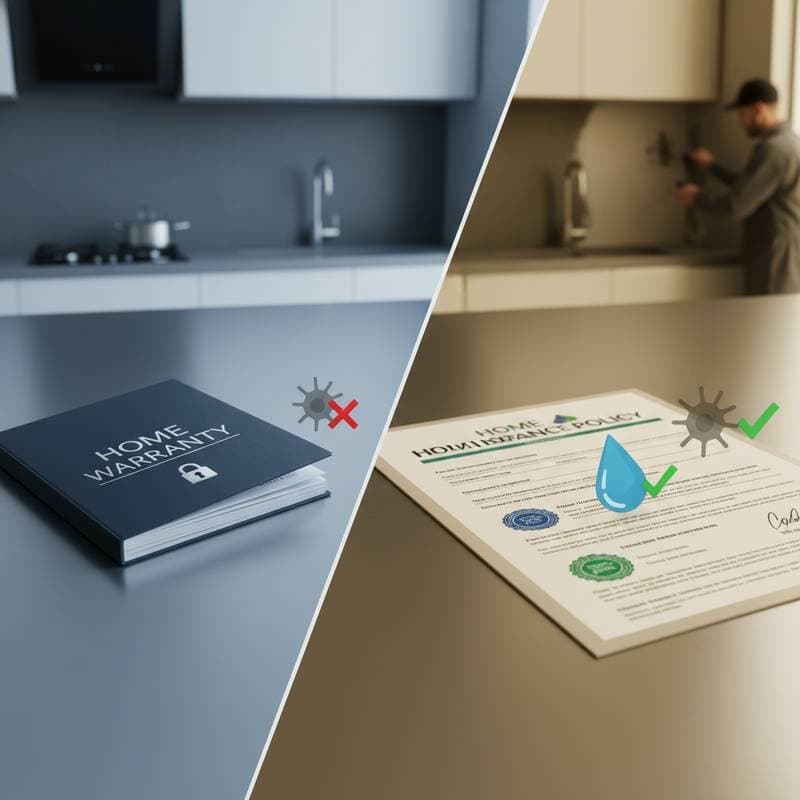
Homeowners face significant expenses from mold damage, and distinguishing between home warranty and insurance coverage proves vital. Home warranties seldom address mold remediation, whereas homeowners insurance may apply under specific conditions tied to covered events. This knowledge equips individuals to respond effectively and minimize financial burdens.

Quick Overview:

  • Average cost for mold remediation: $1,200 to $6,000 for moderate infestations
  • Primary coverage provider: Homeowners insurance, excluding most home warranties
  • Covered causes: Sudden events such as burst pipes, appliance malfunctions, or storm-induced roof leaks
  • Common exclusions: Gradual moisture buildup, high humidity, or neglect in maintenance
  • DIY feasibility: Moderate to high, varying by infestation size and location
  • Primary risk: Delays in action may invalidate claims and exacerbate structural harm

Essential Factors Influencing Coverage Decisions

Individuals must evaluate several elements before contacting a home warranty provider or insurance company. The origin of moisture plays a central role; sudden incidents like plumbing bursts or severe weather qualify for insurance consideration, while chronic issues such as persistent humidity or slow drips do not. Assessing the damage scope helps determine response strategies: minor surface mold might allow for self-managed efforts, but deeper infestations in walls or HVAC systems demand professional intervention.

Thorough documentation strengthens claims with insurers, who require evidence of abrupt damage. Capture photographs immediately, record incident dates, and retain all related receipts. Review policy details carefully; standard homeowners insurance addresses mold only when linked to a named peril, though optional endorsements or riders can broaden protection for mold-specific scenarios. Home warranties concentrate on system and appliance repairs, excluding consequential damage like mold growth from failures.

Cost Breakdown and Influencing Variables

Remediation expenses fluctuate based on geographic location, infestation severity, and site accessibility. For areas smaller than 10 square feet, costs range from $150 to $500 when handled personally with appropriate protective equipment. Moderate sections, such as a single wall or ceiling, typically require professional services costing $1,200 to $3,000. Extensive cases involving entire rooms or HVAC systems may exceed $4,000 to $10,000.

Insurance reimbursement depends on establishing a covered cause for the mold. Home warranties rarely contribute to cleanup fees, although they may cover repairs to the originating faulty component, such as a leaking appliance. Several factors drive these costs higher:

  • Material types impacted, including drywall, carpeting, or wooden framing
  • Ease of access, such as confined crawl spaces versus exposed walls
  • Local labor rates influenced by regional economic conditions
  • Necessity for air quality testing or post-remediation inspections
  • Potential need for temporary relocation during intensive work

Guidance on DIY Approaches Versus Professional Services

Certain tasks suit DIY methods for minor issues. Cleaning visible mold on nonporous surfaces like tile or sealed concrete involves applying a detergent solution followed by a disinfectant, then operating a dehumidifier to inhibit recurrence. These steps demand basic tools and safety precautions.

Professional expertise becomes essential for complex situations. Experts handle the removal of porous materials like drywall, insulation, or flooring showing mold penetration. They also address HVAC duct cleaning, crawl space treatments, and any contamination from sewage or floodwaters, while conducting clearance tests to verify remediation success for insurance purposes.

Safety considerations vary by task complexity. Light surface cleaning requires minimal skills, but material removal calls for intermediate to advanced abilities. Protective gear, including gloves, goggles, and an N95 respirator or superior, remains mandatory. Containment measures prevent spore dispersal during larger operations.

Preventive Maintenance Strategies and Long-Term Care

Proactive measures reduce mold risks and prevent coverage disputes. Conduct monthly inspections in moisture-prone areas, such as beneath sinks, around toilets, and near water heaters, to identify early signs of leaks. Seasonal maintenance includes clearing gutters, examining roof flashing for integrity, and directing downspouts to divert water from the home foundation.

Respond promptly to water exposure by drying affected areas within 48 hours following heavy rain or plumbing incidents. Maintain indoor humidity levels between 30 and 50 percent through dehumidifiers, exhaust fans, or improved ventilation. Mold reemergence occurs if underlying moisture sources persist; repaint surfaces only after confirming normal moisture readings and complete drying of materials.

Regional Variations and Climate Impacts

Properties in humid or coastal areas encounter elevated mold threats, particularly in basements and attics where moisture accumulates. Insurance providers in these regions often impose restrictions or outright exclusions on mold claims unless policyholders purchase dedicated endorsements. Arid climates experience fewer natural occurrences, yet internal plumbing failures can foster hidden growth behind walls or in cabinets.

Residents in flood-prone zones face additional challenges, as standard policies exclude flood-related mold. Consider separate flood insurance through federal programs to bridge these gaps. Local building codes may mandate specific remediation protocols, influencing both costs and eligibility for coverage.

Frequently Asked Questions

Does a home warranty include mold remediation?
Home warranties address mechanical breakdowns in systems like HVAC units or appliances but exclude remediation of moisture-induced damage or structural mold issues.

Does insurance cover mold from a pipe leak?
Coverage applies if the leak qualifies as sudden and accidental. Prolonged, undetected drips typically result in claim denials due to maintenance neglect classifications.

Is additional mold coverage available for purchase?
Many insurers provide endorsements or riders that establish dedicated limits for mold remediation, commonly ranging from $5,000 to $20,000 per incident.

Does submitting a mold claim affect insurance premiums?
Such claims may classify as water damage events, potentially leading to rate increases. Weigh the claim value against the deductible to inform decisions.

What occurs if mold reappears post-remediation?
Recurrence signals unresolved moisture sources. Policies and warranties generally deny coverage for subsequent incidents without documentation of corrective repairs.

Steps for Effective Mold Response

Upon discovering mold, prioritize stopping the moisture source to halt progression. Document the site extensively with photos and timelines, then consult your insurance policy to confirm applicability before initiating repairs. If existing coverage falls short, inquire with your agent about acquiring endorsements to enhance protection.

Incorporate regular inspections, swift drying protocols, and meticulous records into home management routines. These practices serve as robust defenses against mold proliferation. Through informed planning and decisive action, homeowners safeguard their properties and finances from unforeseen remediation demands.
You may also like

Image for Soundproof Your Home Office for Under $500

Soundproof Your Home Office for Under $500

July 13, 2026
Image for Standby Generators Cost $7K–$20K Installed in 2026

Standby Generators Cost $7K–$20K Installed in 2026

July 13, 2026
Image for HVAC Maintenance Cuts Costs Better Than Warranties

HVAC Maintenance Cuts Costs Better Than Warranties

July 11, 2026

Tagged:

home,insurance,coverage,warranty,mold,exclusions,home-warranty-exclusions,mold-coverage,insurance-vs-warranty

Related: home

Image for Soundproof Your Home Office for Under $500

Soundproof Your Home Office for Under $500

July 13, 2026
Image for Standby Generators Cost $7K–$20K Installed in 2026

Standby Generators Cost $7K–$20K Installed in 2026

July 13, 2026
Image for HVAC Maintenance Cuts Costs Better Than Warranties

HVAC Maintenance Cuts Costs Better Than Warranties

July 11, 2026
Image for Greywater Systems Add 5-10% Value in Dry Markets

Greywater Systems Add 5-10% Value in Dry Markets

July 11, 2026
Image for Greywater Systems: Real Costs and Payback Timeline

Greywater Systems: Real Costs and Payback Timeline

July 11, 2026

Home Warranty Basics

HVAC Maintenance Cuts Costs Better Than Warranties

Choosing between an HVAC maintenance plan and a home warranty depends on system age, risk tolerance, and budget. Maintenance prevents breakdowns and improves efficiency. Warranties offset major repair costs. This guide compares coverage, pricing, and long-term value.

July 11, 2026

AI Monitoring Now Included in 2026 Home Warranties

Home warranties now incorporate AI predictive monitoring to catch failures early. These plans add efficiency yet introduce new costs, data risks, and contract details that require close attention before enrollment.

July 10, 2026

Mold Coverage Limits: What Home Warranties Actually Pay

Home warranties rarely cover mold directly, but they may pay for repairs to appliances causing moisture. With cleanup costs averaging 2300 dollars, understanding exclusions, timing, and professional options is crucial. Learn how coverage limits, regional pricing, and smart prevention strategies can protect your property and reduce expensive remediation risks.

July 9, 2026

Mold Coverage Tightens Under 2026 Warranty Rules

New 2026 home warranty rules clarify when mold damage is covered and when it is not. Standard plans still exclude most mold, but add-ons and documentation can make a difference. Learn how to file valid claims, control costs, and prevent disputes through smart maintenance, quick action, and clear understanding of coverage limits.

July 9, 2026

Hidden Home Warranty Fees That Drain Your Wallet Fast

Home warranties can conceal extra charges that increase expenses. This guide explains how to locate service fees, trade charges, and cancellation costs in contract terms so homeowners can make informed decisions.

July 6, 2026

Warranty Coverage Gaps in ADUs and Multi-Unit Homes

Multigenerational homes and ADUs require careful warranty planning to avoid coverage gaps. This guide explains costs, system classifications, documentation steps, and regional factors that affect protection for every unit.

July 5, 2026

What Home Warranties Actually Cover for Air Quality Systems

Home warranties offset repair costs for air quality systems ranging from basic filters to whole home purifiers. Coverage depends on plan details, location, and equipment type while excluding routine maintenance and new installations.

July 1, 2026

AI Home Inspections Cut Warranty Wait Times to Hours

AI-powered home inspections convert slow warranty claims into rapid, data-driven approvals. Cameras and image-recognition models produce same-day reports, minimize bias, and lower expenses while helping homeowners decide between self-managed and professional options.

July 1, 2026

Home Warranties Fill the Water Damage Coverage Gap

Home warranties now include limited water damage coverage that bridges maintenance plans and insurance. Compare plan types, costs, and exclusions to protect against plumbing leaks and unexpected repairs.

June 30, 2026

Hidden Costs That Turn Cheap Warranties Expensive

Home warranties in 2026 often hide service fees, exclusions, and coverage caps that increase total expenses. This guide explains contract structures, claim processes, and comparison methods so homeowners can evaluate real costs before signing.

June 28, 2026

Home Warranty Turns Unpredictable Repairs Into Fixed Fees

A home warranty safeguards rental properties from costly repairs, stabilizes maintenance budgets, and keeps tenants satisfied. This guide covers plan types, costs, setup steps, and key exclusions so landlords can choose coverage with confidence.

June 28, 2026

AI Cuts Home Warranty Claim Waits from Days to Hours

AI tools now approve home warranty claims in hours instead of days by verifying coverage, assigning contractors, and maintaining full records. Homeowners gain speed and transparency while human oversight handles complex cases.

June 25, 2026

Why Home Warranty Premiums Jump One-Third in 2026

Home warranty premiums are set to jump one-third by 2026, driven by higher labor, material, and claim costs. Aging systems, climate stress, and complex appliances add pressure. Learn why prices are climbing, how to evaluate your coverage, and smart steps to cut renewal costs without losing essential protection.

June 24, 2026

New Warranty Laws Tighten Repair Timelines for Landlords

New 2026 rental warranty laws redefine landlord responsibilities by tightening repair deadlines, mandating clearer warranty disclosures, and expanding tenant rights. Landlords must update leases, verify coverage, and ensure compliance to avoid penalties. Learn cost ranges, timelines, and best practices to protect property value, maintain habitability standards, and stay legally compliant nationwide.

June 21, 2026

AI Now Decides Your Home Warranty Claims in Minutes

Home warranty claims now face automated review that demands timestamped digital proof and strict response windows. Learn the updated requirements, cost impacts, and record keeping steps that keep repairs covered.

June 21, 2026

Home Warranty vs Insurance: What AI Claims Reveal

AI claims data show how insurance covers disasters while warranties handle wear and tear. Learn claim timelines, cost reductions of 22 percent with dual coverage, and practical steps for choosing the right mix.

June 21, 2026

Smart Home Hacks: Which Policy Actually Pays

Smart homes introduce cyber risks alongside convenience. This guide details how home warranties and insurance handle hacking incidents, what add-ons cover, and how to compare policies for effective protection.

June 20, 2026

Why Home Warranties Don't Cover Storm Damage

Home insurance addresses sudden climate damage such as wind or fire. Home warranties cover mechanical wear on systems and appliances. These protections differ in scope. Understanding the distinctions helps avoid coverage gaps during weather events.

June 19, 2026

Why Warranties Classify Mold as Maintenance Not Failure

Most home warranties exclude mold remediation by treating it as maintenance instead of mechanical failure. Contract language, narrow add ons, and strict claim reviews leave homeowners responsible for costly cleanup. Clear understanding of terms and consistent preventive steps help protect property value.

June 17, 2026

Home Warranty Costs $600-900 vs Insurance $1,200+

Home warranties address mechanical failures while insurance covers sudden damage. AI sensors now influence both policies and create new gaps. This comparison details real costs, claim speeds, and steps to coordinate coverage effectively.

June 17, 2026

Categories

Appliance & System Coverage
Cost Guides
Home Guides
Home Warranty Basics
Outdoor & Exterior Guides
Remodeling Cost Comparisons
Room-by-Room Guides