Home Warranties and AI HVAC Systems: Coverage Details for 2026
Quick Overview
- Coverage for smart HVAC systems must address sensors, software algorithms, and network connectivity.
- Traditional home warranties frequently overlook advancements in technology.
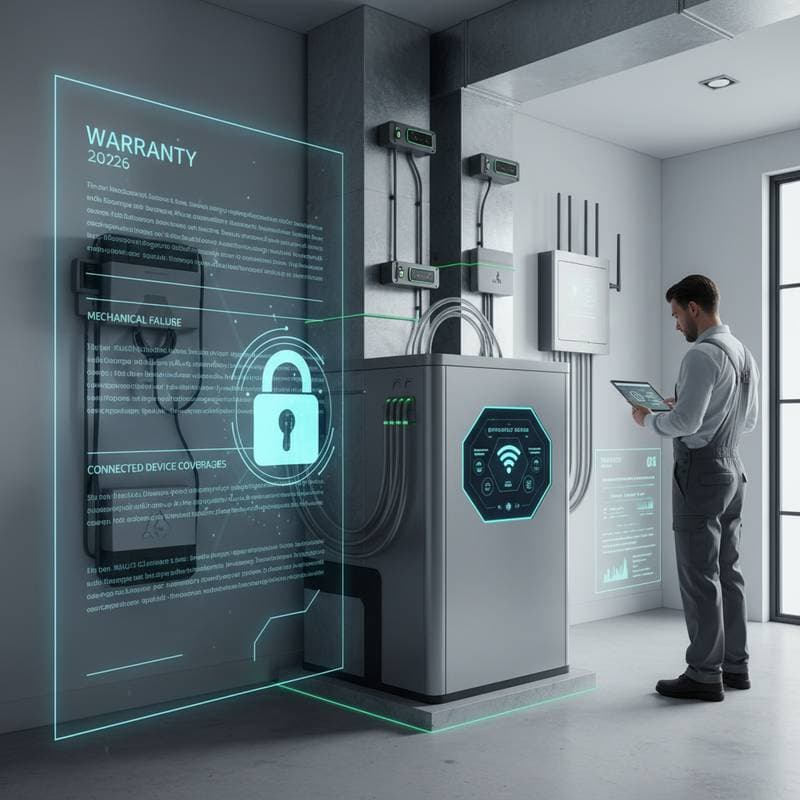
- Confirm the precise definition of mechanical failure prior to agreement.
- Professional services typically manage AI calibration, firmware updates, and diagnostic troubleshooting.
Understanding AI HVAC Systems
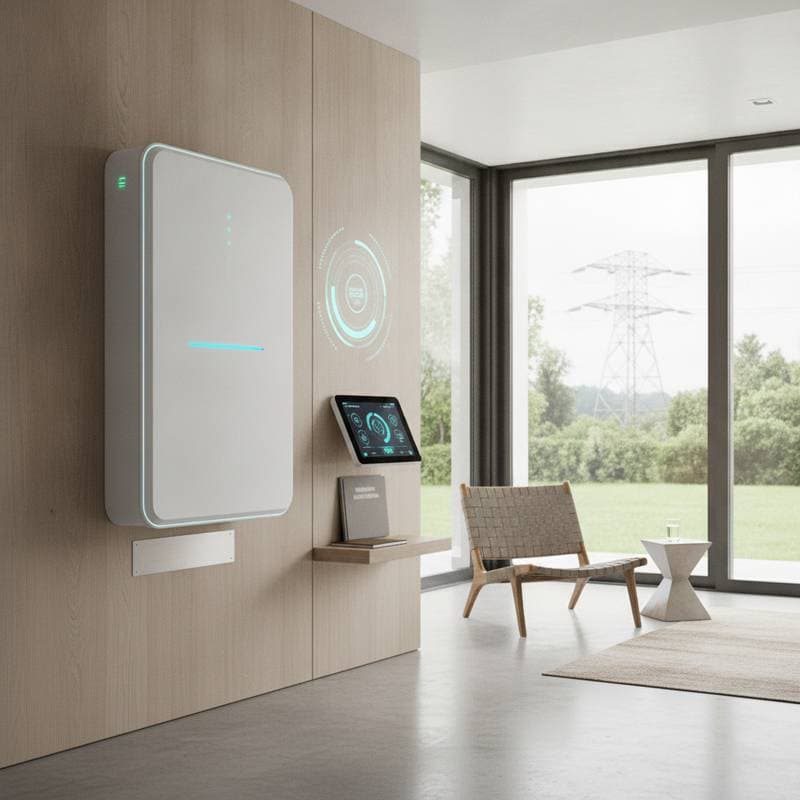
An AI HVAC system integrates sensors, machine learning algorithms, and intelligent controls to automate heating and cooling operations. These systems analyze patterns in temperature, humidity levels, and occupancy data to optimize comfort while minimizing energy consumption. A home warranty plan assists with repair or replacement expenses for covered components that fail due to normal usage; however, protections for AI-specific elements differ significantly among providers.
For instance, basic mechanical parts like compressors receive standard coverage, but digital features such as adaptive learning modules may require explicit inclusion. Homeowners benefit from systems that predict maintenance needs through data trends, yet warranties must evolve to match this sophistication. Review plans that specify coverage for integrated AI components to avoid unexpected out-of-pocket costs.
Advantages and Limitations
Advantages
- Shields against substantial repair expenses for essential components like motors and heat exchangers.
- Provides a centralized service process for submitting and tracking claims.
- Certain plans incorporate diagnostics for smart systems, including remote troubleshooting and system resets.
Limitations
- Issues related to software malfunctions or network disruptions often fall outside coverage.
- Payout caps may prove insufficient for premium AI-equipped units.
- Providers sometimes restrict eligibility to approved smart brands or specific models, limiting flexibility.
Consider these factors when selecting a plan. For example, a warranty that excludes firmware updates leaves owners vulnerable to obsolescence in rapidly evolving AI technology.
Ideal Scenarios and Potential Shortfalls
Optimal Use Cases
- Systems remain under the original manufacturer warranty, yet additional labor coverage proves valuable.
- Equipment features embedded sensors, adaptive thermostats, or mobile app integration for control.
- Homeowners seek fixed expenses for potential repairs to budget effectively.
Common Shortfalls
- Failures stem from software corruption or intermittent network connectivity, which providers classify as non-mechanical.
- Unauthorized modifications or integration with third-party applications invalidate terms.
- Neglect of scheduled maintenance or firmware updates results in claim denials.
In practice, a connectivity lapse during peak summer heat can disrupt AI optimizations, yet standard policies treat it as an exclusion. Proactive verification prevents such disruptions.
Step-by-Step Guide to Verifying AI HVAC Coverage
Required Resources: Full warranty policy document, equipment model details, maintenance records, and a mobile device for reference.
Estimated Time: Approximately 30 minutes.
Skill Level: Beginner-friendly.
- Retrieve the Complete Policy Document. Access the detailed contract rather than relying on promotional summaries alone.
- Document Equipment Specifications. Note the manufacturer, model number, and details of any linked smart devices or accessories.
- Categorize Components. Distinguish mechanical elements, such as compressors, blower fans, and evaporator coils, from digital ones like sensors, control boards, and software interfaces.
- Examine Exclusion Clauses. Search for terms referencing smart controls, communication modules, or AI functionalities; these indicate non-covered areas.
- Seek Provider Confirmation. Contact customer service to inquire whether AI sensors or algorithmic processes qualify under covered components; record responses in writing.
- Review Maintenance Obligations. Policies often mandate annual inspection documentation to maintain validity; ensure compliance records are current.
- Modify Coverage as Necessary. Prior to renewal, request addendums for smart system protections or AI-specific riders to address identified gaps.
Validation Check: A comprehensive policy explicitly outlines covered items, service deductibles, and aggregate limits.
Remediation Steps: Obtain written affirmations for any assurances provided verbally to strengthen your position.
This process empowers homeowners to align warranty terms with their system's capabilities. For example, confirming coverage for a neural network processor can prevent disputes over advanced failure diagnostics.
Coverage Expenses
Annual premiums typically range from $450 to $900.
Factors Increasing Costs:
- Complex multi-zone or variable-speed configurations.
- Supplementary smart sensors or modules for energy analytics.
- Legacy systems prone to component recalls or compatibility issues.
Factors Reducing Costs:
- Simple single-zone setups with minimal smart integrations.
- Comprehensive bundles that include other household appliances.
- Regional providers operating in constrained geographic areas.
Replacement Considerations:
When a critical component like the main circuit board or compressor fails, and repair costs surpass 50 percent of the system's value, full replacement often provides better long-term value. Evaluate total ownership costs, including energy efficiency gains from newer AI models.
Handling Repairs: DIY Options Versus Professional Assistance
Suitable DIY Tasks:
- Routine filter replacements and vent dusting.
- Basic thermostat recalibrations and Wi-Fi network verifications, including app authorization checks.
Scenarios Requiring Professionals:
- Failures in circuit boards, environmental sensors, or control units.
- Detection of refrigerant leaks causing pressure anomalies in the system.
Professional Expertise:
Licensed technicians perform comprehensive load balancing tests, execute secure firmware installations, and recalibrate AI learning patterns. They ensure adherence to safety standards for refrigerants and electrical systems, which DIY efforts cannot guarantee. Engaging experts also preserves warranty integrity by following manufacturer protocols.
Homeowners save time and reduce risks by reserving complex interventions for qualified personnel. For instance, improper sensor handling can skew AI data inputs, leading to inefficient operation.
Essential Maintenance and Preventive Measures
Recommended Schedule: Quarterly filter servicing; annual professional inspections.
Key Activities:
- Thorough cleaning of air filters and ventilation pathways to maintain airflow.
- Inspection of sensor surfaces for accumulations of dust, debris, or moisture.
- Verification of software versions and network stability through app interfaces.
Expected Benefits: Consistent indoor climate control, reduced energy expenditures, and minimized risks of warranty invalidation due to neglect. Regular upkeep extends component lifespan and enhances AI predictive accuracy, preventing minor issues from escalating.
Document all activities with timestamps and photos to support future claims. This diligence aligns with policy requirements and fosters system reliability.
Alternative Protection Options
Manufacturer Extended Warranties: Ideal for recently installed systems, these cover original hardware and ongoing software enhancements without additional service fees.
Installer Service Agreements: Suited to bespoke installations, offering expedited response times and integrated remote monitoring capabilities.
Smart Home Insurance Riders: Valuable for addressing cyber-related risks, such as network breaches impacting climate controls, which standard warranties overlook.
Compare these based on your setup's specifics. For example, an installer's contract might include AI-specific diagnostics not found in generic home plans.
Frequently Asked Questions
Do Home Warranties Cover AI Software Malfunctions?
In most cases, no. Providers view software issues as routine maintenance rather than qualifying mechanical breakdowns.
What Happens If the System Loses Connection to the Smart Hub?
Standard coverage does not apply. Attempt a manual reboot or consult the original installer for resolution.
Is Warranty Transfer Possible Upon Selling the Home?
Yes, the majority of plans permit transfer for a nominal fee; verify terms prior to property listing.
Are Individual Sensors Treated as Distinct Components?
Affirmative. Coverage may impose separate limits or exclusions for various sensor categories, such as occupancy or humidity detectors.
Aligning Your Warranty with AI Advancements
Examine every clause in the policy document prior to purchase. Pose targeted inquiries regarding AI control boards, adaptive learning modules, and access to firmware resources. Organize maintenance documentation and digital interaction logs systematically. This organized approach facilitates smoother claims and upholds coverage effectiveness. As your HVAC system adapts through intelligent data processing, ensure the warranty evolves accordingly to safeguard comfort and preserve your investment.