Understanding ADU Costs: A Comprehensive Breakdown for 2025
Accessory dwelling units, commonly known as ADUs, provide homeowners with additional living space on the same property as the primary residence. These structures serve purposes such as generating rental income, accommodating extended family, or creating versatile areas for work or hobbies. This guide examines the full spectrum of costs associated with ADU construction in 2025, from initial permits to final finishes, enabling informed budgeting and project planning.
Cost Ranges and Primary Influences
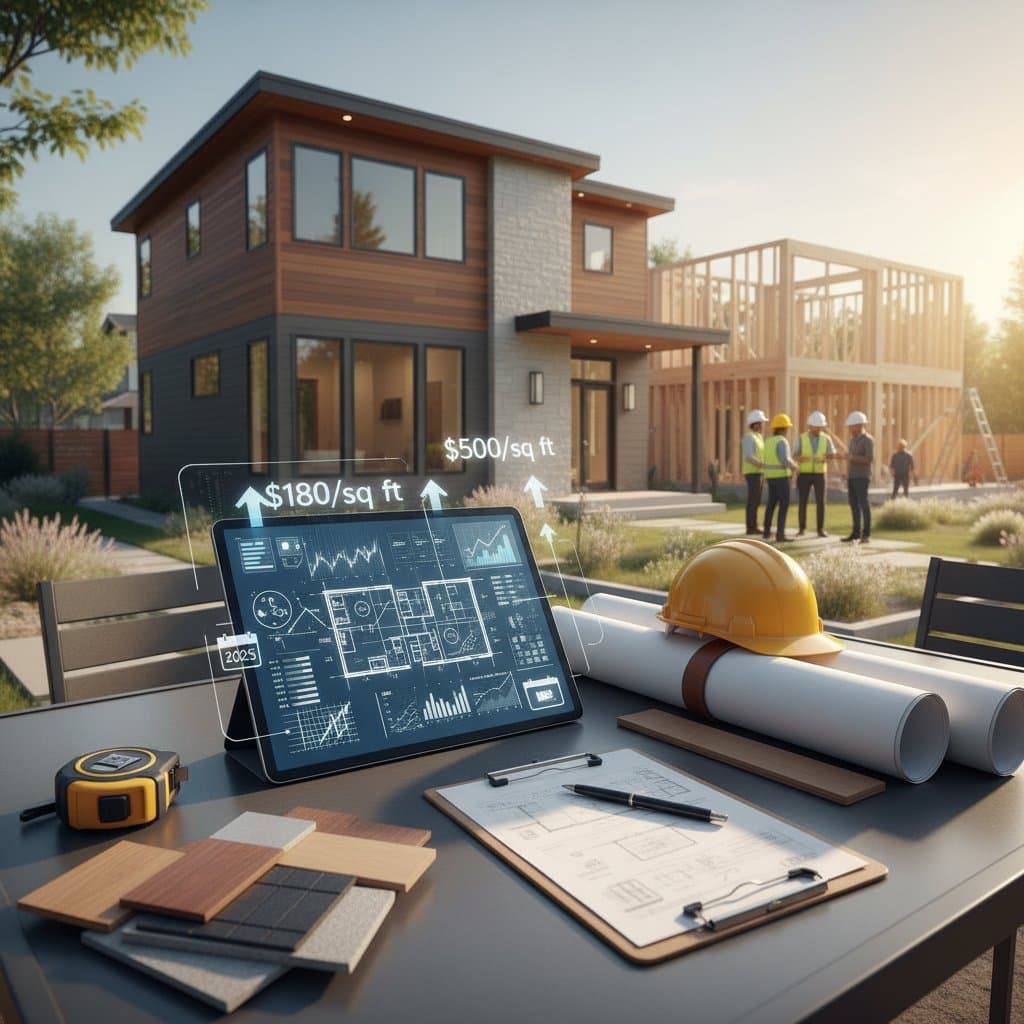
Across the United States, ADU construction typically costs between $180 and $500 per square foot. For a modest detached unit measuring 400 to 600 square feet, total expenses often fall within $120,000 to $280,000. Larger or premium projects may surpass $400,000, influenced by location and customization levels.
Three key elements determine these expenses, outlined in the 3-Factor Cost Driver Framework:
- Materials grade: This includes framing lumber, roofing materials, siding, insulation, and interior finishes, where higher-quality selections increase overall outlay.
- Labor complexity: Factors such as site accessibility, connections for plumbing and electrical systems, and the intricacy of interior detailing affect workforce requirements and time.
- Site and access conditions: Elements like soil composition, terrain slope, proximity to existing utilities, and municipal regulations can significantly alter preparation needs.
Navigating Permits, Design, and Initial Planning
The permitting process establishes the project's foundation in terms of both expense and timeline, often spanning two to six months from initial concept to approved blueprints.
Permit fees vary by municipality, ADU configuration, and utility integration needs, generally ranging from $3,000 to $15,000. Additional impact or connection charges in certain areas may add $2,000 to $10,000.
Design expenses encompass architectural renderings and structural engineering assessments. Stock plans begin around $3,000, whereas bespoke designs command $8,000 to $15,000. Prior to submission, verify compliance with local regulations on setbacks, height limits, and fire separations.
Essential Preliminary Steps
- Review zoning laws and maximum lot coverage allowances.
- Obtain a topographic survey for sloped terrains.
- Assess utility placements and any existing easements.
- Incorporate provisions for parking and pedestrian pathways.
- Arrange a preliminary consultation with the local building authority.
Compliance with Safety Codes and Warranty Considerations
ADUs require adherence to residential building standards and zoning ordinances. Inspections generally evaluate the foundation, framing, mechanical installations, and final habitability.
Electrical systems: Install circuits that conform to updated codes, incorporating ground fault and arc fault interrupters. Employ 12-gauge wiring for typical 20-amp circuits to ensure reliability.
Plumbing installations: Maintain a minimum slope of one-quarter inch per foot on drain lines. Position cleanouts at designated intervals as mandated.
HVAC configurations: Ensure sufficient airflow through the unit. Mini-split heat pumps offer an efficient, space-saving alternative for temperature control.
Fire protection measures: For detached ADUs, construct one-hour fire-rated walls adjacent to property boundaries. Preserve a minimum separation of six feet from the primary structure, or less if approved fire-rated barriers permit.
Contractors commonly extend a one-year warranty on craftsmanship. Extended coverage from manufacturers applies to appliances, roofing, and windows. Retain documentation of receipts and inspections to safeguard these protections.
Developing a Maintenance Strategy and Expected Durability
A properly constructed ADU endures comparably to the main residence when subjected to regular upkeep. Apply the Maintenance Cadence Framework to anticipate and address potential concerns proactively.
Immediate post-construction actions:
- Examine site grading and downspout functionality to confirm effective water runoff.
- Apply sealant to joints in trim and siding.
- Verify operation of GFCI outlets and smoke detectors.
Seasonal maintenance:
- Clear gutters and inspect roof flashing.
- Service HVAC filters and condensate lines.
- Refresh exterior trim paint every five to seven years.
Yearly inspections:
- Drain and flush the water heater.
- Check caulking around windows and bathing fixtures.
- Validate functionality of all safety equipment.
Component lifespans:
- Roofing materials endure 20 to 30 years.
- HVAC units operate for 12 to 20 years.
- Flooring and finishes depend on usage patterns and exposure to humidity.
Evaluating Contractor Proposals Effectively
Solicit at least three comprehensive bids that align on project scope. Proposals must detail materials, labor allocations, permit management, and projected timelines. The following table facilitates side-by-side analysis.
| Line Item | Specifications or Scope | Contractor A | Contractor B | Contractor C | Variance Explanation |
|---|---|---|---|---|---|
| Foundation | 4-inch slab with 3000 PSI concrete | $18,500 | $22,000 | $20,500 | Variations in soil preparation |
| Framing | 2x6 walls with 5/8-inch sheathing | $28,000 | $30,500 | $26,800 | Inclusion of roof trusses |
| Plumbing | Rough-in and finishing with PVC drains | $18,000 | $21,000 | $19,500 | Distance from primary line |
| Electrical | 100-amp subpanel with LED fixtures | $12,500 | $13,800 | $11,900 | Differences in fixture budgets |
| Interior Finishes | Cabinets, flooring, and painting | $36,000 | $38,000 | $35,000 | Disparities in material grades |
Request verification of each contractor's licensing, insurance documentation, and client references. Insist on lien waivers following payments to mitigate risks from subcontractor disputes.
Project Timeline and Phasing Recommendations
Efficient sequencing reduces disruptions and accelerates completion:
- Permitting phase: Lasts two to six months, contingent on departmental backlog.
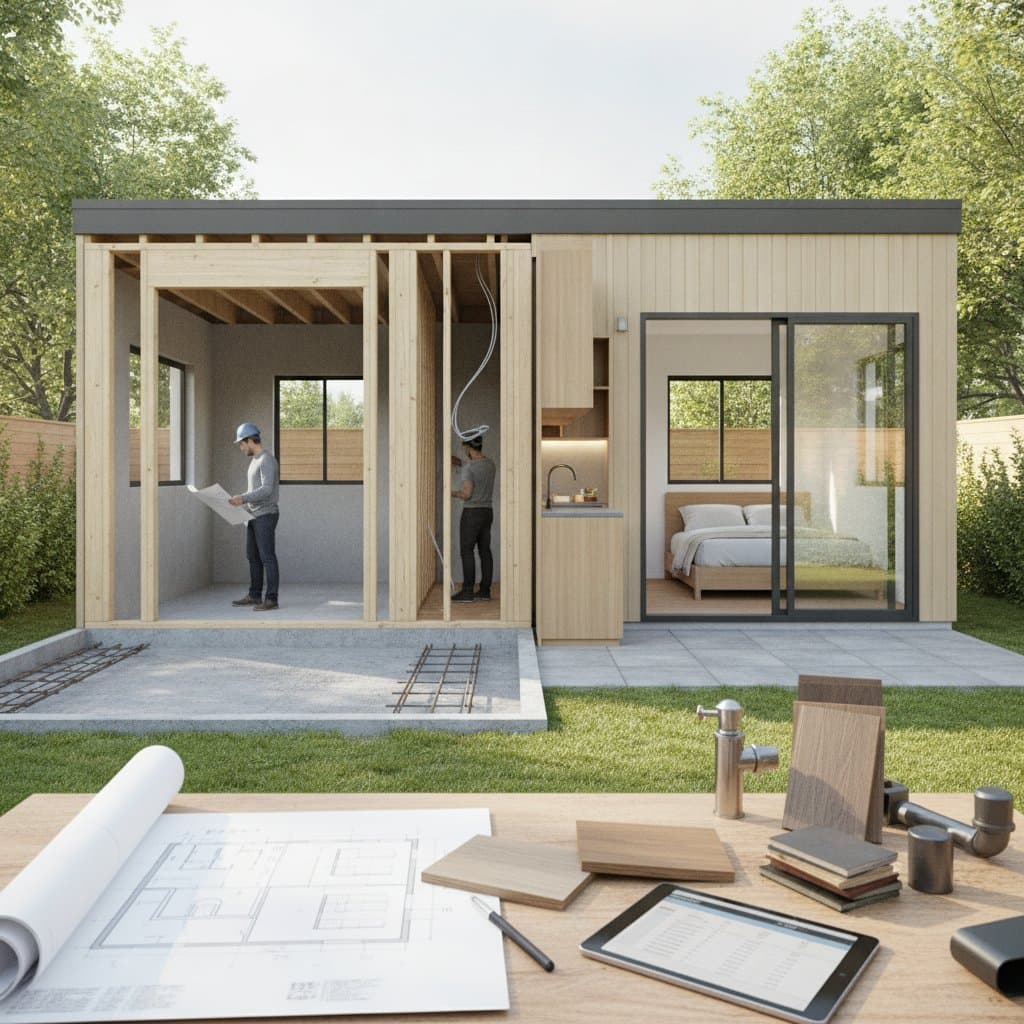
- Site preparation and foundation work: Requires three to five weeks, inclusive of inspections.
- Framing and rough-in trades: Spans six to ten weeks.
- Finishing and final inspections: Takes four to eight weeks.
Procure windows and doors ahead of schedule, as manufacturing delays can extend to several weeks. Coordinate utility excavations prior to any landscaping efforts. Adhere strictly to inspection appointments to prevent labor downtime.
Strategies for Managing Expenses
- Opt for straightforward designs: Rectangular layouts and conventional roof pitches minimize material waste in framing.
- Select standardized components: Common dimensions for windows and doors eliminate costs tied to custom fabrication.
- Map utility pathways in advance: Concise trenching routes conserve both labor and resources.
- Coordinate inspection timing: Merge framing and rough-in evaluations where regulations allow.
- Source from nearby vendors: This approach curbs delivery and restocking surcharges.
Maintain a collaborative expense ledger with the contractor. Document change orders promptly to maintain transparency and control.
Advancing Your ADU Project
Constructing an ADU represents a substantial commitment that enhances property value, living options, and revenue opportunities. Success hinges on meticulous preparation. Confirm zoning feasibility at the outset, secure thorough proposals, and monitor expenditures relative to the core drivers of materials, labor, and site factors.
Initiate the process by retrieving your property survey and consulting a designer versed in regional codes. A focused planning discussion now averts extended setbacks in the future. Through defined objectives, prudent financial allocation, and consistent supervision, your ADU can progress seamlessly from approval to occupancy, free from budgetary overruns or subpar execution.