Secure Warranty Protection for AI Climate Systems in 2026
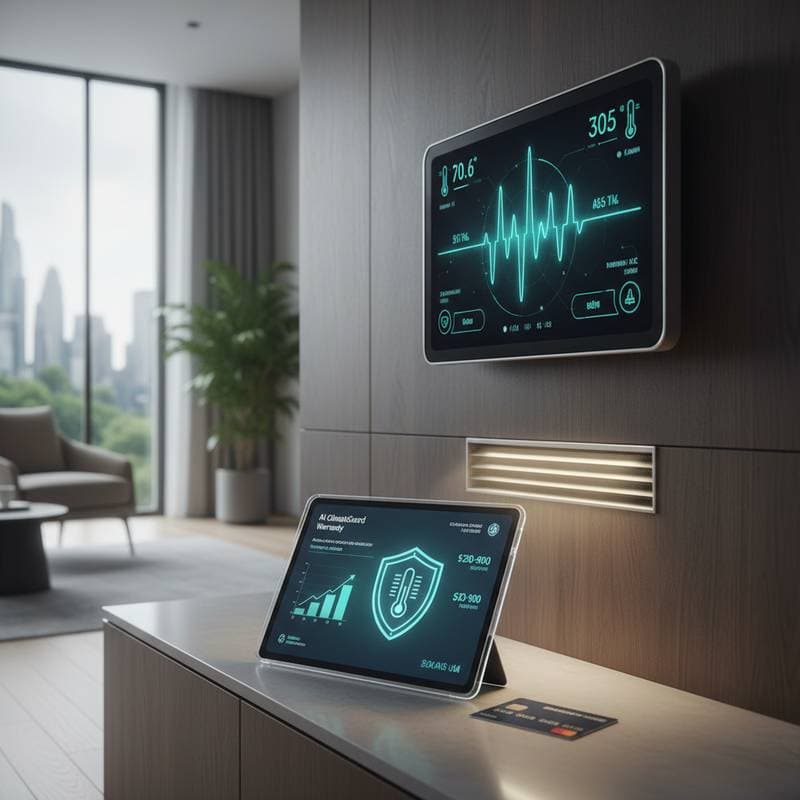
Artificial intelligence transforms HVAC systems into adaptive tools that optimize comfort, energy consumption, and integration with home automation. These systems analyze user patterns to fine-tune temperatures and coordinate with devices like lights and security setups. However, their reliance on intricate sensors, frequent software updates, and networked operations introduces vulnerabilities that demand robust safeguards.
Investors in AI-driven climate control must prioritize enduring performance. Warranty protection extends beyond mere repairs; it provides comprehensive support for premium components, digital enhancements, and expert interventions to sustain optimal operation.
Essential Considerations for Warranty Selection
Selecting appropriate warranty coverage for an AI climate system involves evaluating several critical elements:
- Coverage extent: Options include components alone, labor services, or complete protection encompassing software and network features.
- Term length: Basic plans span one to three years, while extended versions reach up to ten years.
- Provider type: Choices range from original equipment manufacturers to independent insurers or comprehensive home protection services.
- Equipment configuration: Coverage varies for heat pumps, furnaces, hybrid units, or ductless installations.
- Intelligence level: Plans account for AI depth, including sensor arrays and thermostat linkages.
- Upkeep obligations: Certain policies mandate yearly professional servicing to remain active.
- Digital security: Advanced plans incorporate defenses against cyber threats for interconnected devices.
Annual Cost Breakdown and Influencing Variables
Extended warranty plans for AI climate systems typically cost between $250 and $900 each year. Basic options focus on hardware components, whereas comprehensive packages that include software maintenance and labor services may escalate to $1,200 through $1,500 for expansive or intricate setups in larger residences.
Variables Impacting Pricing
- Technological sophistication: Systems with zoned AI controls and extensive sensor networks command higher premiums.
- Manufacturer prestige: Renowned brands often impose elevated fees, offset by access to specialized technicians.
- Geographic location: Regional differences in technician labor rates directly affect overall expenses.
- Adherence to maintenance: Policies offering discounts for documented annual inspections lower effective costs.
- Digital support inclusions: Protections for firmware upgrades and application integrations increase charges.
- Setup standards: Installations by qualified professionals unlock superior warranty conditions and reduced rates.
Handling Maintenance: Self-Managed Versus Professional Assistance
Tasks Suitable for Homeowners
Individuals can manage initial warranty processes independently, such as gathering provider information, obtaining multiple estimates, and completing online registrations. Maintain detailed documentation of installation timelines, equipment identifiers, and service histories to streamline future interactions.
Required expertise: Accessible to novices. Estimated time commitment: Two to three hours for thorough review and enrollment.
Scenarios Requiring Expert Intervention
Engage certified HVAC professionals for:
- Pre-warranty diagnostics and system evaluations.
- Validation of wiring for intelligent thermostats and sensor alignments.
- Authorized software installations necessitating vendor credentials.
Critical safety advisory: Refrain from accessing enclosed electrical components or handling refrigerants, tasks reserved for EPA-licensed specialists. Such actions risk nullifying warranty validity and pose hazards.
Upkeep Practices, System Durability, and Extension Strategies
Proper care enables an AI climate system to operate effectively for 12 to 20 years. Intelligent algorithms minimize strain by modulating performance based on real-time data. Homeowners contribute by adhering to routine protocols:
- Exchanging air filters at intervals of three to six months.
- Performing annual cleanings of sensors and ventilation pathways.
- Ensuring firmware remains current through automated or manual updates.
- Arranging yearly professional inspections.
Warranty agreements frequently stipulate maintenance verification; neglect may invalidate protection claims.
Standard Inspection Procedures
- Examine airflow dynamics and duct integrity.
- Assess refrigerant concentrations.
- Evaluate sensor functionality and precision.
- Analyze AI adaptation efficacy via the control application.
- Verify network stability and auxiliary power provisions.
Environmental Benefits and Enduring Advantages
AI climate systems inherently promote efficiency through pattern recognition and balanced resource allocation. Warranty coverage amplifies these gains by facilitating timely repairs that sustain peak performance and extend operational longevity, thereby curbing energy demands and material depletion.
Opt for policies that prioritize component restoration over full replacements. Leading providers now emphasize refurbished parts, conserving resources and minimizing ecological footprints.
Transferable warranties enhance real estate appeal, potentially increasing sale prices by one to three percent as prospective buyers value assured system reliability.
Frequently Asked Questions on AI Climate Warranties
1. Do conventional HVAC warranties encompass intelligent components?
Standard policies often limit scope to mechanical elements. Coverage for sensors, software, and connectivity typically requires supplemental endorsements.
2. What occurs if AI learning functions falter?
Policies including digital support enable remote updates or module resets by the provider. Absent such provisions, reprogramming incurs out-of-pocket service charges.
3. Is post-installation warranty purchase feasible?
Affirmative, provided the system undergoes inspection and upkeep validation. Delayed activation may result in adjusted pricing.
4. Do residential warranty plans include AI thermostats?
Select plans do, contingent on integration with the primary HVAC framework. Standalone devices often fall outside standard inclusions; review policy details meticulously.
5. Does investing in extended coverage yield value?
Generally, it does, particularly for units featuring sophisticated sensors or remote controls. Costs for repairing AI-integrated compressors or circuit boards frequently exceed $1,000, rendering protection economical.
Identifying and Addressing Potential Problems
Warranty presence equips owners to detect issues promptly, preventing escalation from minor glitches.
Indicators of Concern
- Variations in room temperatures.
- Delayed reactions from the AI interface.
- Notifications of errors within the application.
- Elevated utility expenses under routine conditions.
Resolution Protocol
- Initiate a system reboot via the application or primary controls.
- Inspect wireless network integrity.
- Refresh or substitute air filters.
- Persist with provider contact for warranty-assisted resolution; independent repairs threaten coverage forfeiture.
Strategies for Optimal Warranty Management
- Enroll equipment promptly following setup to access potential term extensions from manufacturers.
- Scrutinize exclusion clauses, which commonly omit surge damage, infestations, or substandard installations.
- Explore bundled options for households with interconnected smart infrastructures to consolidate protections.
- Document upkeep with digital records, including images and invoices, to expedite claim processing.
- Conduct annual policy reviews to align with evolving system capabilities and updates.
Steps to Implement Effective Protection
Establishing warranty safeguards for AI climate systems safeguards investments against unforeseen expenses and disruptions. Comprehensive plans address both physical and digital elements, guarantee skilled assistance, and uphold efficiency standards.
Begin with an assessment of existing protections, followed by evaluations of extended manufacturer and alternative provider offerings. Inquire specifically about inclusions for software enhancements, network reliability, and service labor.
Such strategic coverage converts cutting-edge HVAC technology into dependable, season-spanning climate management, preserving financial security, operational efficiency, and residential tranquility.