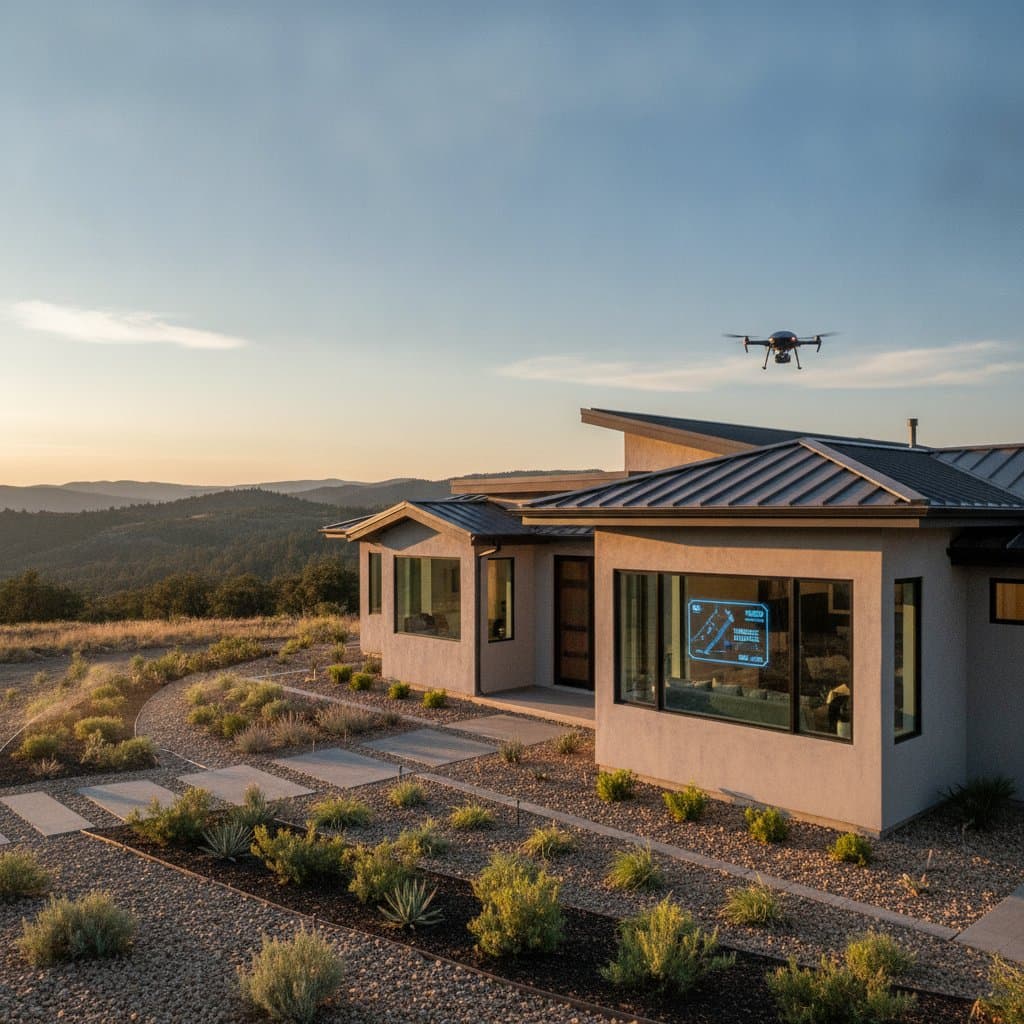
What 2026 Warranties Cover in AI Home Inspections
Artificial intelligence transforms home inspections by integrating machine learning, sensors, and data analytics to identify issues in structures, wiring, and plumbing. These tools accelerate evaluations and forecast potential problems, but warranties accompanying them demand close scrutiny. Homeowners must examine contract specifics, including service commitments and cost implications, to grasp the true extent of protection offered.
Defining AI Home Inspection Warranties
An AI home inspection warranty serves as a contractual safeguard for technology-based inspection services. These platforms deploy algorithms to analyze images from cameras, sensor readings on air quality, and historical data to pinpoint defects. The warranty shields against failures like erroneous readings from software bugs or sensor malfunctions, and sometimes reimburses costs for overlooked problems that lead to repairs.
Distinct from standard home warranties that target appliances, these focus on the inspection tool's reliability. Contracts outline guarantees for detection precision, equipment durability, and firmware enhancements. Protection hinges on the plan's scope and the precise definition of what constitutes a covered malfunction, such as a false negative in structural analysis.
Cost Structure and Coverage Levels
Warranties for AI inspections adopt a layered approach, distinguishing digital support from on-site services. Participants commit to recurring fees alongside charges for scans or disputes. Rates depend on home dimensions, tech integration depth, and data retention needs.
| Coverage Level | Monthly Cost | Service Fee | Coverage Limits | Key Exclusions |
|---|---|---|---|---|
| Basic Plan | $25 to $40 | $75 | Up to $500 per incident | Algorithm errors without independent verification |
| Standard Plan | $45 to $65 | $90 | Up to $1,000 per incident | Alterations to integrated sensors by users |
| Premium Plan | $70 to $100 | $120 | Up to $2,000 per incident | Lack of routine upkeep or non-certified fixes |
Higher tiers provide stronger assurances, like 98 percent accuracy for electrical faults in premium options versus basic coverage without forward-looking assessments. When submitting claims, evidence of deviation from promised performance levels determines eligibility, so select plans aligned with your property's demands.
The Inspection and Claim Process
Homeowners initiate an AI inspection via a provider's mobile application, which coordinates drone scans or device uploads. Algorithms process the inputs to generate reports highlighting risks, complete with visuals and severity ratings.
To address undetected issues, follow these claim steps:
- Submit details digitally to the provider, including timestamps and original findings.
- Undergo evaluation as the team analyzes logs and raw data for anomalies.
- Await verification from a licensed inspector or external reviewer to confirm the lapse.
- Receive resolution through repair funding or inspection refunds.
- Complete any mandated actions, such as sensor resets or patch installations.
Timelines vary from three to ten days based on data volume and backlog. Retain all records of scans and maintenance to support your case, as incomplete files frequently result in rejections.
Coverage Limitations and Exclusions
Warranties impose boundaries that shape their practicality. Typical restrictions encompass:
- Conditions present before initial scans
- Sensor disruptions from humidity or extreme heat
- Modifications via unauthorized apps or hardware
- Gaps in data from partial property coverage
- Limits to service areas outside designated zones
Such provisions underscore the need for thorough review. While AI excels at pattern recognition, contracts often frame undiscovered flaws as inherent tool constraints, not breaches warranting compensation.
Financial and Long-term Considerations
Beyond base fees, evaluate service charges, uncovered expenses, and escalation at renewal. A plan seeming economical initially may escalate with frequent denials or yearly caps on total payouts.
Providers apply wear factors, diminishing benefits for aging components or legacy software. Upgrades to new sensors might incur partial reimbursements only, shifting upgrade burdens to owners. Track these over time to assess ongoing viability.
For expansive estates, premium coverage often justifies itself through comprehensive safeguards, whereas modest residences might suffice with entry-level diagnostics. Weigh these against DIY upkeep costs to confirm net savings and risk mitigation.
Key Contract Elements to Scrutinize
Examine these aspects closely:
- Provisions on data rights, clarifying access to reports and forecasts
- Mandates for timely updates to maintain compatibility
- Protocols for addressing inaccuracies, including free re-scans
- Conditions for renewals, such as rate adjustments or opt-out windows
Steps to Maximize Warranty Benefits
AI inspections streamline property oversight, yet their warranties require proactive engagement. Regularly log activities, consult terms before purchases, and test claims on minor issues to familiarize with procedures. This approach ensures warranties deliver tangible safeguards, preserving your home's value amid technological advances.