HVAC Warranties Now Cover Extreme Climate Challenges
Summary Box
What it is:
A new generation of HVAC warranties that include coverage for extreme temperature and weather damage.
Why it matters:
Systems now face longer heat waves, deeper freezes, and higher humidity. Warranties that exclude “acts of nature” no longer match real-world risks.
Typical cost:
Extended or climate coverage adds about $300 to $800 to a standard HVAC warranty.
When to hire a pro:
Hire a licensed HVAC contractor for installation and any warranty claim inspection.
How long it takes:
Warranty review and claim approval may take one to three weeks, depending on provider.
Maintenance interval:
Annual professional service is required to keep coverage valid.
Anatomy of a Climate-Resilient HVAC Warranty
A modern HVAC warranty consists of five essential components, each designed to address specific risks in today's variable climate.
- Base coverage - This protects against factory defects and normal wear and tear over time.
- Compressor protection - The compressor represents the most costly part of the system, so this extension safeguards it against premature failure.
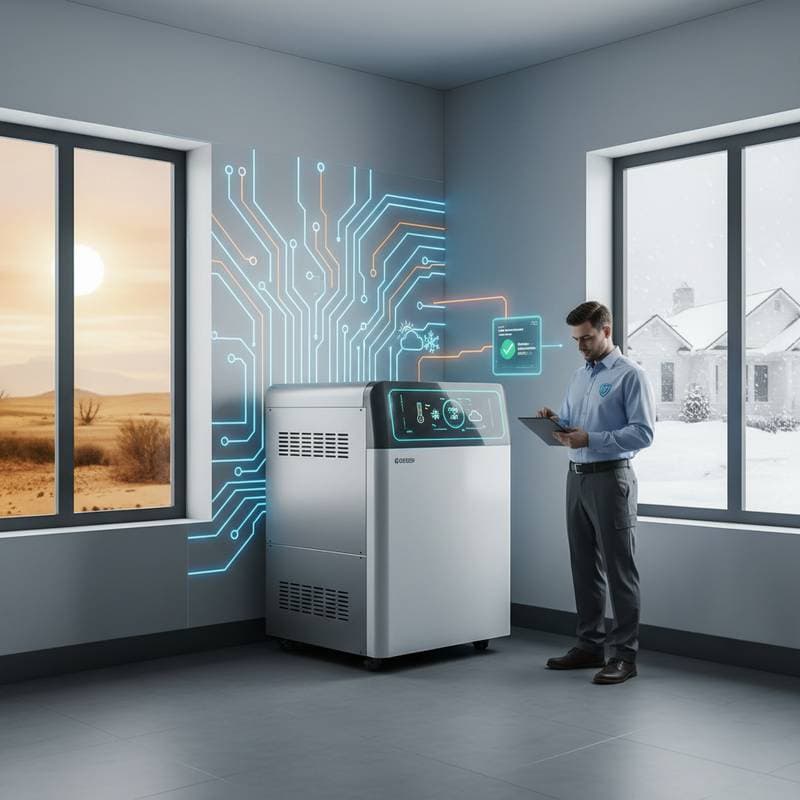
- Climate stress clause - This key addition covers damage from extreme temperatures, such as heat above 100 degrees Fahrenheit, ice buildup during sub-zero conditions, or corrosion from prolonged high humidity levels exceeding 70 percent.
- Electrical surge protection - It accounts for power surges and fluctuations triggered by severe storms, lightning strikes, or strain on the electrical grid during peak weather events.
- Maintenance requirement - Homeowners must provide documented proof of routine servicing to maintain eligibility for all claims.
These elements clearly outline qualifying events, damage types eligible for repair or replacement, and the necessary documentation for successful claims. Providers often specify thresholds, such as minimum temperature deviations or humidity durations, to determine coverage activation.
How It Works
When an HVAC system experiences a failure, the warranty provider dispatches a certified technician to evaluate the root cause. The technician examines components for signs of climate-induced stress, such as warped coils from excessive heat or frozen lines from sudden cold snaps. If the assessment confirms that extreme weather contributed to the malfunction, the warranty activates to cover parts and labor costs up to the specified policy limit.
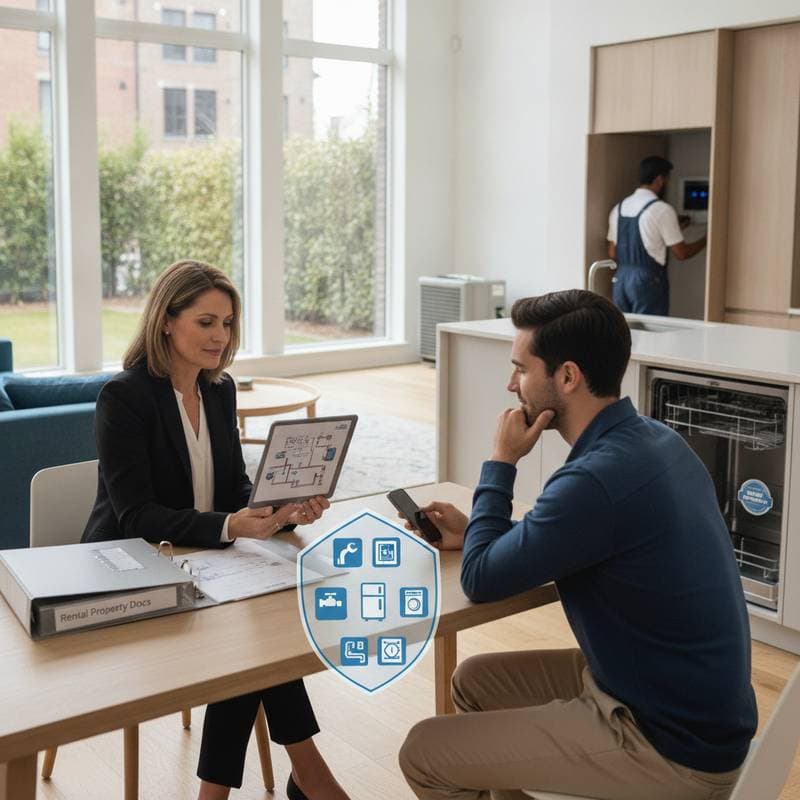
Homeowners typically pay only a deductible, which ranges from $100 to $500 depending on the plan. To ensure eligibility, individuals must present evidence of consistent maintenance, including records of annual tune-ups, filter changes, and coil cleanings. Many insurers now facilitate this process through online portals where users upload digital copies of service invoices or technician reports, streamlining validation and reducing processing delays.
For instance, in regions prone to hurricanes, coverage might extend to salt corrosion from storm surges, while arid areas emphasize protection against dust accumulation during prolonged droughts. Understanding these nuances helps homeowners select plans aligned with local weather patterns.
DIY vs Pro
While basic upkeep falls within reach for many homeowners, complex repairs demand professional expertise to avoid safety hazards and warranty invalidation.
| Factor | DIY | Pro |
|---|---|---|
| Skill level | Not recommended; requires in-depth knowledge of HVAC systems | Licensed HVAC technician required, with certifications in refrigerant handling and electrical work |
| Safety risk | High due to exposure to live electrical components, pressurized refrigerants, and potential for gas leaks | Covered under contractor liability insurance, ensuring compliance with safety standards |
| Tools required | Specialized gauges, manifold sets, vacuum pumps, and refrigerant recovery equipment, often costing thousands | Standard professional toolkit, including diagnostic software and calibrated instruments |
| Permit or code | Local permits mandatory for any refrigerant recharge or system modification to meet EPA regulations | Pro manages all necessary permits, inspections, and code adherence |
| Time required | Varies widely, often several hours to days for thorough inspections or minor fixes | 1 to 2 hours typical for routine service or initial assessments |
| Warranty impact | Any unauthorized DIY intervention voids the entire policy | Professional documentation preserves full warranty validity and supports claim approvals |
Homeowners may safely handle simple tasks, such as checking and replacing air filters, removing debris from outdoor units, or wiping down accessible vents. However, tasks involving refrigerant lines, electrical wiring, or compressor diagnostics must always involve a qualified professional to prevent accidents and uphold coverage terms.
Maintenance and Lifespan
Proper maintenance extends the operational life of an HVAC system to between 12 and 20 years under normal conditions. Extreme climate events, however, can accelerate wear by as much as 30 percent if preventive measures lapse, leading to inefficiencies like reduced cooling capacity or increased energy bills.
Establish a routine that includes changing air filters every one to three months to maintain optimal airflow and prevent strain on the blower motor. Clean evaporator and condenser coils annually to remove buildup that impairs heat exchange during peak summer or winter demands. Schedule comprehensive professional inspections once a year, where technicians test refrigerant levels, calibrate thermostats, and inspect ductwork for leaks.
Additionally, protect outdoor units by trimming vegetation to at least two feet away, elevating them above potential flood levels, and covering them during extended non-use periods in severe weather seasons. These practices not only bolster resilience against temperature extremes but also optimize energy efficiency, potentially lowering utility costs by 10 to 15 percent. Monitoring indoor humidity with a hygrometer and using dehumidifiers when levels exceed 60 percent further safeguards internal components from mold growth and corrosion.
FAQs
Can I buy climate coverage after installation?
Yes, most providers allow upgrades to include climate protection within the first year following system installation, often at a prorated rate.
Does homeowner insurance duplicate this coverage?
No, standard homeowner policies focus on structural damage and personal property; they rarely extend to mechanical breakdowns or wear related to HVAC equipment.
What happens if I skip a maintenance visit?
Providers reserve the right to deny claims until maintenance records demonstrate compliance, potentially leaving homeowners responsible for full repair expenses.
How do I know if my area qualifies for enhanced coverage?
Check with local providers for region-specific riders; areas with frequent extreme events, like the Southwest for heat or the Midwest for freezes, often receive tailored options.
What documentation do I need for a claim?
Gather service logs, photos of the damage, weather reports from the event date, and the technician's diagnostic report to substantiate the climate-related cause.
Steps to Secure and Activate Your Coverage
Begin by reviewing your current HVAC warranty to identify gaps in climate protection. Contact your installer or manufacturer to explore upgrade options, comparing costs and coverage limits across at least three providers. Invest in a maintenance contract that includes annual visits and emergency response for added peace of mind.
Document every service meticulously, storing records both physically and digitally for quick access during claims. Stay informed about local weather forecasts and prepare your system in advance of predicted extremes, such as insulating exposed pipes before winter or shading units during heat advisories. By taking these proactive steps, homeowners ensure their HVAC investment remains protected, minimizing disruptions and expenses in an era of unpredictable weather.