Why Hurricane Windows Boost ROI in 2025
Homeowners often prioritize upgrades such as kitchen remodels or landscaping enhancements. However, few options integrate safety, energy efficiency, and financial benefits as effectively as hurricane windows. These impact-resistant systems withstand severe weather while delivering long-term value through reduced costs and increased property appeal. A detailed examination of their design, expenses, and returns enables informed choices based on facts.
What Are Hurricane Windows?
Hurricane windows feature laminated glass bonded to a durable interlayer and reinforced frames. This construction ensures that, if debris strikes during a storm, the glass cracks but does not shatter, maintaining the home's integrity. Permanent installations eliminate the need for seasonal shutter preparations.
Beyond storm resistance, these windows block external noise, enhance thermal performance, and deter intruders. To determine their value, evaluate installation expenses, insurance effects, energy reductions, and resale impacts systematically.
Breaking Down the Costs
Expenses for hurricane windows vary by frame type, dimensions, glass specifications, and labor quality. Key elements include:
- Unit pricing: Vinyl frames offer affordability, whereas aluminum or composites provide superior strength at a higher price.
- Labor charges: Skilled installers command rates that reflect the need for precise fitting to preserve wind resistance.
- Regulatory fees: Permits and inspections ensure code adherence, adding minor but necessary costs.
For an entire home, totals may reach thousands of dollars based on scale. Balance this initial outlay against ongoing savings in energy, insurance, and upkeep.
Step-by-Step Installation Guide
A clear process builds confidence in provider reliability. Standard steps encompass:
- Quote request: Schedule a visit for measurements and assessment of current setups.
- Site evaluation: Inspect openings, supports, and code needs; recommend reinforcements if required.
- Finalization: Secure permits, select materials, and review warranties.
- Execution: Remove existing units, seal openings, and fit new components securely.
- Verification: Conduct inspections and document for insurance and future sales.
Homeowners must confirm installer qualifications and material suitability for local wind standards throughout.
Understanding Warranties and Limitations
Manufacturers provide varying coverage, from glass only to full components including frames. Exclusions often cover misuse, such as improper modifications or harsh cleaners. Verify transferability to new owners, as this affects marketability.
Typical restrictions involve:
- Non-storm glass damage.
- Seal issues unrelated to defects.
- Corrosion from incompatible substances.
Request detailed terms in writing to avoid unexpected repairs and support budgeting.
Key Financial Returns
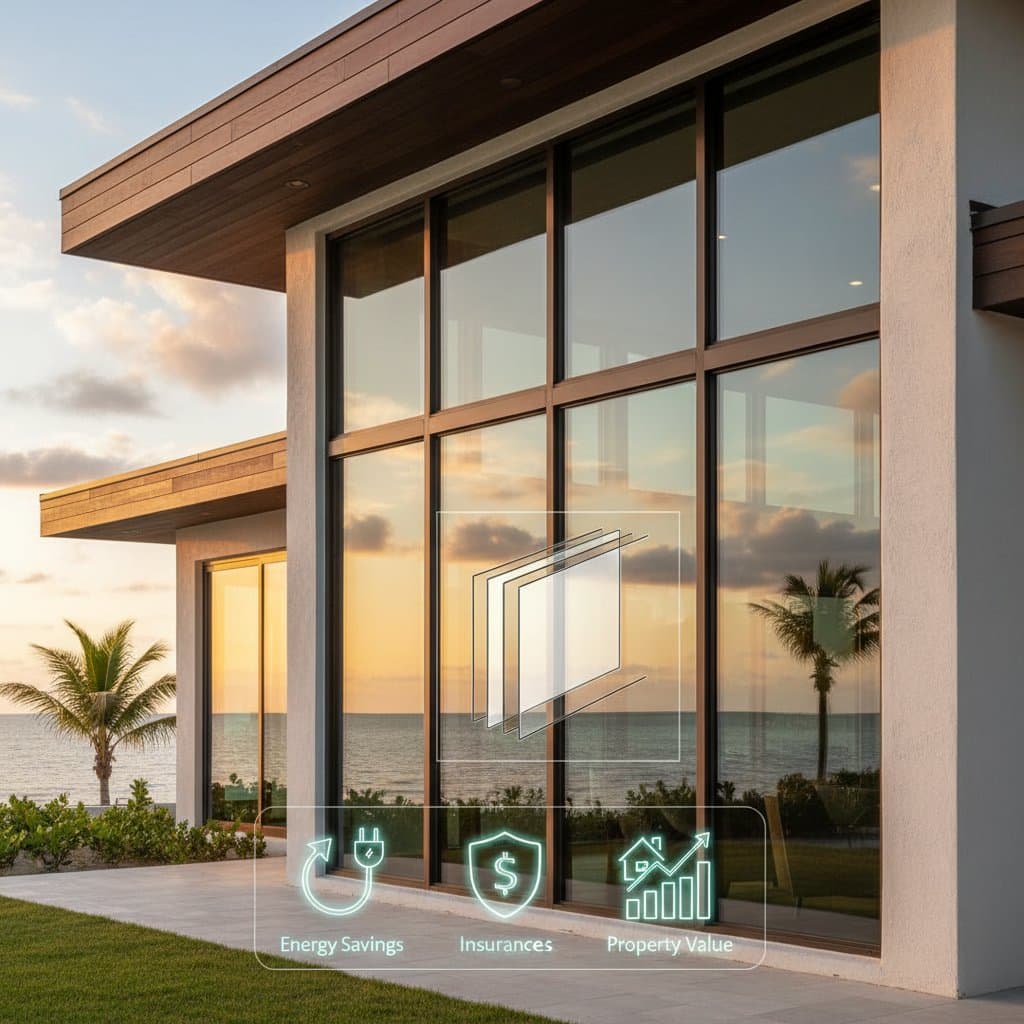
Hurricane windows yield concrete benefits across multiple areas. Insurance providers frequently lower rates for certified installations, with savings recouping part of the cost over policy renewals. Submit proof of compliance to qualify.
Energy gains arise from insulated glass and airtight seals, which minimize heat loss and stabilize temperatures. In warmer climates, annual reductions in utility bills can total hundreds of dollars over time.
Resale values rise due to buyer demand for resilient features, particularly in vulnerable zones. Appraisals recognize these as value-adding elements. Additionally, durable construction cuts maintenance needs, sparing expenses on frequent repairs.
Comparing Service Tiers
The following table compares basic and premium options, highlighting cost and feature differences.
| Tier | Equivalent Monthly Cost | Fees | Coverage Scope | Main Exclusions |
|---|---|---|---|---|
| Basic Retrofit | $200–$300 | None | Standard glass and frames | Frame replacements |
| Premium Install | $400–$600 | None | Enhanced glass, finishes | Custom designs |
Higher tiers yield better insulation, durability, and guarantees, justifying the investment for long-term use.
How to Choose Wisely
Follow these steps for a sound decision:
- Gauge local threats: Higher storm risks strengthen the case for upgrades.
- Factor in rebates: Offset costs with insurance reductions to find payback timelines.
- Project full ownership costs: Account for savings in energy, repairs, and sales premiums.
- Check certifications: Ensure products suit your area's wind ratings.
Seek provider references, licenses, and agency records to confirm trustworthiness. This approach aligns selections with protection and fiscal goals.
Avoiding Common Pitfalls
Select reputable firms to sidestep issues like unverified claims or uncertified work. Demand test data, direct employee verification, and full records. Limit upfront payments to one-third until delivery.
Include fair dispute terms in contracts, such as mediation options. These measures safeguard against subpar results and financial setbacks.
Measuring Long-Term Payback
ROI calculations blend quantifiable elements like premium cuts and bill reductions with qualitative gains such as security. Break-even often occurs within years, varying by location and usage. Post-payback, benefits persist with low upkeep.
Securing High-Quality Results
Installation precision determines effectiveness. Insist on credentials, written plans, and pre-payment inspections of seals and anchors. Plan regular checks to sustain performance.
Maximizing Your Upgrade
Hurricane windows fortify homes against weather extremes, trim expenses, and elevate worth. Approach the project strategically: research options, validate standards, and track records. This method delivers enduring protection and economic rewards.