Home Warranties Expand to Cover AI Climate Control Systems
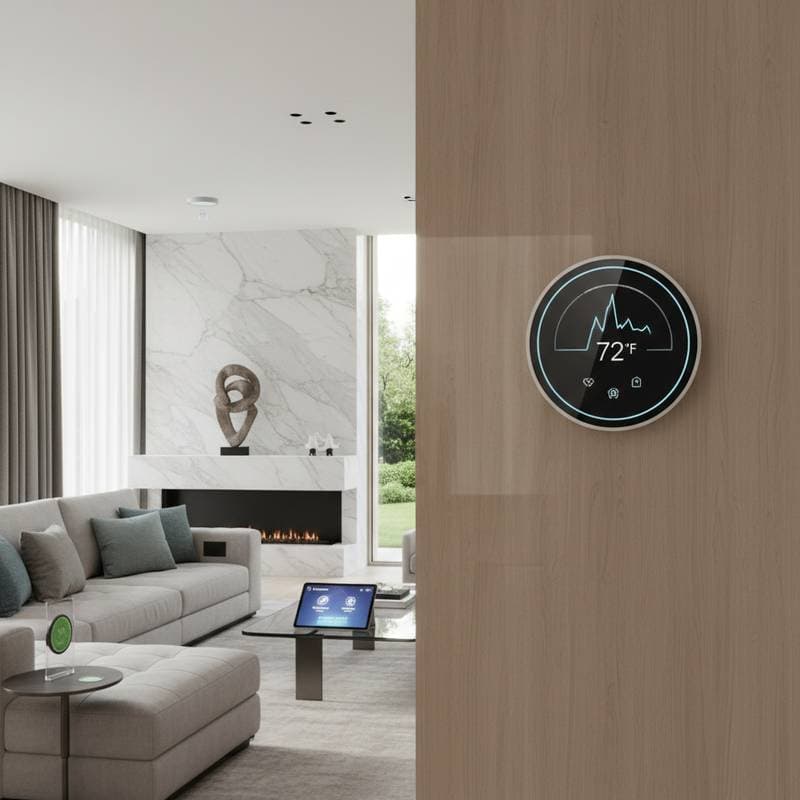
Home warranty providers have begun incorporating AI-driven climate control into their standard plans. These systems use machine learning to analyze occupancy patterns and environmental data, automatically adjusting heating and cooling for maximum efficiency. Coverage typically extends to hardware like sensors and thermostats, as well as software-related issues, though owners must adhere to maintenance protocols to remain eligible.
Key Coverage Highlights
- AI thermostats and associated sensors qualify for repair or replacement services.
- Software troubleshooting falls under the plan, addressing glitches in learning algorithms or connectivity failures.
- Essential upkeep, such as filter changes and stable Wi-Fi, remains the homeowner's responsibility to avoid claim denials.
Benefits and Limitations
Benefits
- Real-time adjustments based on usage data lower energy consumption by up to 20 percent in many households.
- Consistent indoor climates reduce the need for frequent manual interventions, enhancing daily comfort.
- Early detection of HVAC strain through predictive analytics helps avert costly system failures.
- Integration with existing warranties simplifies protection without requiring separate policies.
Limitations
- Dependable internet access proves essential for remote monitoring and AI functionality.
- Initial investment exceeds that of traditional models, often by several hundred dollars.
- Compatibility issues arise with legacy HVAC infrastructure, potentially necessitating upgrades.
- Processing warranty claims may involve additional verification steps if modifications to sensors or firmware occur.
Guide to Installing an AI Climate Control System with Warranty Compliance
Required Tools and Materials
- AI-enabled smart thermostat kit
- Assorted screwdrivers
- Bubble level for alignment
- Compatible mobile device for app setup
- Functioning Wi-Fi network
- Original HVAC system documentation
Estimated Time: 45 to 90 minutes
Skill Level: Moderate, suitable for those comfortable with basic electrical tasks
- Disconnect power sources. Locate the HVAC circuit breaker and switch it off to eliminate shock risks.
- Detach the existing thermostat. Photograph wire connections and label each for reference before removal.
- Secure the mounting base. Position it on the wall, using the level to ensure it remains plumb, then affix with provided screws.
- Reconnect wiring. Align each wire with its corresponding terminal label, securing them tightly to prevent loose contacts.
- Mount the thermostat unit. Click it onto the base and reactivate the power supply.
- Establish Wi-Fi linkage. Download the manufacturer's app and follow prompts to pair the device with your network.
- Perform initial diagnostics. Test heating and cooling functions to verify responsive operation.
- Activate AI features. Allow the system 48 to 72 hours of normal use to gather data and refine its algorithms.
- Enroll in warranty protection. Submit installation photos and model details via the provider's online portal.
- Validate performance. Monitor for stable temperatures and prompt sensor feedback over the first week.
Should temperatures fluctuate unexpectedly or connections falter, initiate a factory reset or consult the warranty service line prior to any advanced troubleshooting.
Deciding Between DIY Installation and Professional Assistance
Ideal Scenarios for DIY Approach
- Homeowners possess basic electrical knowledge and access to compatible system components.
- The existing HVAC setup includes a modern control board that supports smart integrations.
- Strict adherence to the device's installation manual occurs throughout the process.
Situations Requiring Professional Expertise
- Rewiring or adapting voltage levels becomes necessary for integration.
- Multi-zone configurations or connections to dated equipment demand specialized handling.
- Local building codes mandate certified technicians for calibration and verification.
Distinct Advantages of Professional Installation
Technicians measure electrical load to prevent overloads, balance airflow across vents for uniform distribution, and calibrate sensors precisely. They also confirm adherence to regional energy regulations and complete warranty registrations on behalf of the owner.
Comparable Options to AI Climate Control
Basic Smart Thermostats: Suited to smaller, single-area residences. Offer straightforward programming with minimal adaptive features, easing entry into smart home technology.
Zoned Climate Management Systems: Optimal for expansive properties experiencing temperature variances. Involve higher expenses yet deliver tailored control in different rooms.
Hybrid AI-Manual Setups: Merge automated insights with user-defined schedules. Appeal to individuals seeking balance between hands-off operation and personal oversight.
Maintenance Checklist for Sustained Warranty Eligibility
- Exchange air filters and clear vent obstructions on a monthly basis.
- Arrange annual professional inspections for the entire HVAC assembly.
- Refrain from installing unauthorized applications that alter core system programming.
- Update thermostat firmware promptly upon manufacturer notifications.
- Document all service activities to support potential claims.
Pre-Purchase Evaluation Criteria
Installation Space: Verify the thermostat dimensions align with your wall setup and existing conduit access.
Environmental Factors: These systems thrive in locations with consistent broadband and controlled moisture levels below 60 percent.
System Compatibility: Confirm support for your configuration, whether heat pumps, dual-fuel setups, or underfloor heating.
User Habits: Remote access and adaptive scheduling prove invaluable for households with variable occupancy.
For residences with intermittent internet or aging heating units, consider opting for a conventional programmable alternative to sidestep integration challenges.
Financial Considerations
Initial Expenses: Range from $450 to $1,200, covering the unit and basic installation.
Expected Durability: 7 to 10 years, assuming regular software and hardware maintenance.
Ongoing Upkeep: Annual costs of $50 to $150 for routine cleanings and checks.
Impact on Property Value: Energy-smart features attract prospective buyers, potentially increasing marketability by 2 to 5 percent.
Steps to Secure and Optimize Your Coverage
Review your active home warranty policy for explicit mentions of smart climate technologies. If absent, inquire about endorsement options or specialized riders. Select a thermostat certified for your HVAC type and compliant with jurisdictional standards. Retain all purchase records and promptly register devices with the provider.
After setup, permit the AI sufficient time to establish baselines through routine operations. Utilize the companion application to log comfort levels and utility consumption. Address any irregularities by recording details and notifying the service provider, preserving warranty integrity by avoiding unauthorized adjustments.
AI climate control represents an integral advancement in residential heating and ventilation. Proper implementation, diligent maintenance, and active warranty engagement deliver sustained enhancements in livability, operational savings, and reliability.