2025 Solar Warranties: Coverage Essentials and Associated Costs
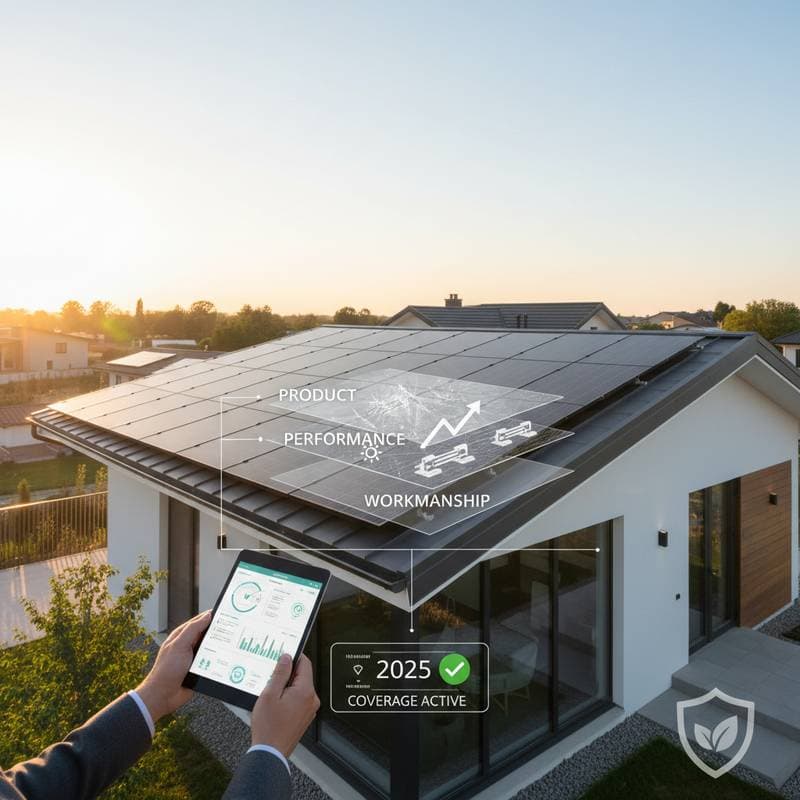
Homeowners who invest in solar energy systems seek assurance regarding potential panel malfunctions or declines in energy output. The warranty provides this assurance by specifying the period during which manufacturers and installers support the system, the components they repair, and any expenses the owner might incur. Reviewing these terms prior to contract signing prevents significant financial losses in the future.
This guide examines the scope of solar warranties, their cost frameworks, and strategies for choosing between basic and comprehensive plans. It draws on industry standards to offer practical insights for informed decision-making.
Key Advantages, Drawbacks, and Ideal Applications
Solar warranties deliver substantial benefits alongside certain limitations. Understanding these elements helps align coverage with specific homeowner needs.
Advantages
- Safeguard against significant equipment breakdowns, minimizing unexpected repair expenses.
- Ensure reliable energy production over extended periods, supporting consistent returns on investment.
- Enhance property value during resale, as transferable warranties appeal to prospective buyers.
Drawbacks
- Certain plans exclude labor or transportation fees, leading to out-of-pocket costs.
- Coverage may require scheduled professional inspections to remain valid.
- Processing warranty claims often involves delays of several weeks.
Ideal Applications
- Comprehensive plans suit homeowners intending long-term residency, providing broad protection.
- Basic manufacturer warranties fit rental properties or those prioritizing affordability.
- Supplemental labor warranties benefit installations on challenging roofs, such as steep or multi-story structures.
Detailed Process for Filing a Warranty Claim
Adhering strictly to the manufacturer's outlined procedure maintains warranty validity. Deviations, such as skipping documentation, risk denial of coverage.
Required Personal Protective Equipment
- Sturdy gloves to handle components safely.
- Protective eyewear to shield against debris.
- Harness systems for elevated inspections involving roof access.
Follow these steps methodically:
- Locate essential documents. Retrieve the original contract, equipment serial numbers, and purchase receipts.
- Assess the problem. Consult system monitoring tools to identify reduced performance or error indicators.
- Initiate contact with the installer. Installers typically coordinate with manufacturers on behalf of owners.
- Formalize the claim submission. Attach photographs, diagnostic results, and full system specifications.
- Await eligibility confirmation. Manufacturers evaluate whether the issue qualifies under warranty terms.
- Execute repairs or replacements. Authorized technicians install new panels or components as needed.
- Validate system recovery. Confirm through monitoring that output aligns with projected standards.
The entire process spans two to six weeks, influenced by component supply chains and technician availability. Proactive documentation accelerates resolutions.
Common Pitfalls and Prevention Strategies
Overlooking warranty nuances leads to avoidable complications. Address these risks through diligent preparation.
- Failing to register promptly. Many manufacturers mandate online activation within 30 days of installation; delays invalidate claims.
- Neglecting routine upkeep. Accumulated debris or shading from vegetation can impair performance, potentially excluding issues from coverage.
- Combining incompatible components. Systems with mismatched panels and inverters from varied brands complicate claim approvals due to compatibility concerns.
- Attempting unauthorized repairs. Self-performed electrical modifications breach terms, introduce hazards, and nullify protection.
- Misplacing records. Maintain digitized versions of serial numbers, invoices, and contracts in secure, accessible formats.
Incorporating these precautions ensures seamless warranty enforcement and system longevity.
Guidelines for Deciding Between Professional and Self-Managed Tasks
The DIY Gate Framework evaluates suitability for warranty-related activities based on expertise, risks, and resources. This tool promotes safe, effective maintenance.
| Factor | Suitable for DIY | Recommend Professional Assistance |
|---|---|---|
| Required Expertise | Simple cleaning or surface-level checks | Advanced diagnostics or structural interventions |
| Safety Considerations | Ground-level activities with minimal hazards | Electrical handling or elevated access |
| Equipment Needs | Basic items like hoses and cameras | Specialized tools such as multimeters and harnesses |
Self-managed efforts work well for routine cleaning and initial inspections. Engage certified professionals for electrical diagnostics, wiring adjustments, or panel swaps. Errors in reconnection can overload circuits, harm inverters, and forfeit warranty rights.
Pre-Installation Preparation Checklist
Thorough readiness streamlines warranty activation and ongoing management. Complete these items before committing to a solar project.
Essential Tools
- Reliable internet connection for warranty enrollment.
- Dedicated app for real-time system monitoring.
- High-resolution camera for recording installations.
Necessary Skills
- Fundamental knowledge of electrical systems to recognize issues.
- Organized record-keeping habits for documentation.
- Effective communication skills for installer and manufacturer interactions.
Safety Equipment
- Durable gloves for handling materials.
- Safety glasses to protect eyes.
- Stable, non-slip footwear for any roof-related tasks.
Regulatory Requirements
- No permits needed for standard upkeep.
- Local electrical permits mandatory for inverter exchanges.
Preparation Actions
- Inspect roof integrity and support spacing in advance.
- Capture images of all serial numbers during setup.
- Store warranty documents digitally in cloud-based services.
Environmental and Site Factors
- Postpone inspections in adverse weather like rain or strong winds.
- Guarantee unobstructed pathways for technician access.
Securing Optimal Warranty Protection
Selecting a robust solar warranty combines risk mitigation with performance assurance. It shields investments, bolsters marketability, and equips owners to address failures confidently. Prioritize evaluations based on coverage duration, transferability, labor inclusions, and resolution efficiency rather than promotional language. This methodical approach yields tailored protection that aligns with individual circumstances and maximizes solar benefits over time.