2026 Coverage Gaps: Insurance vs. Home Warranty
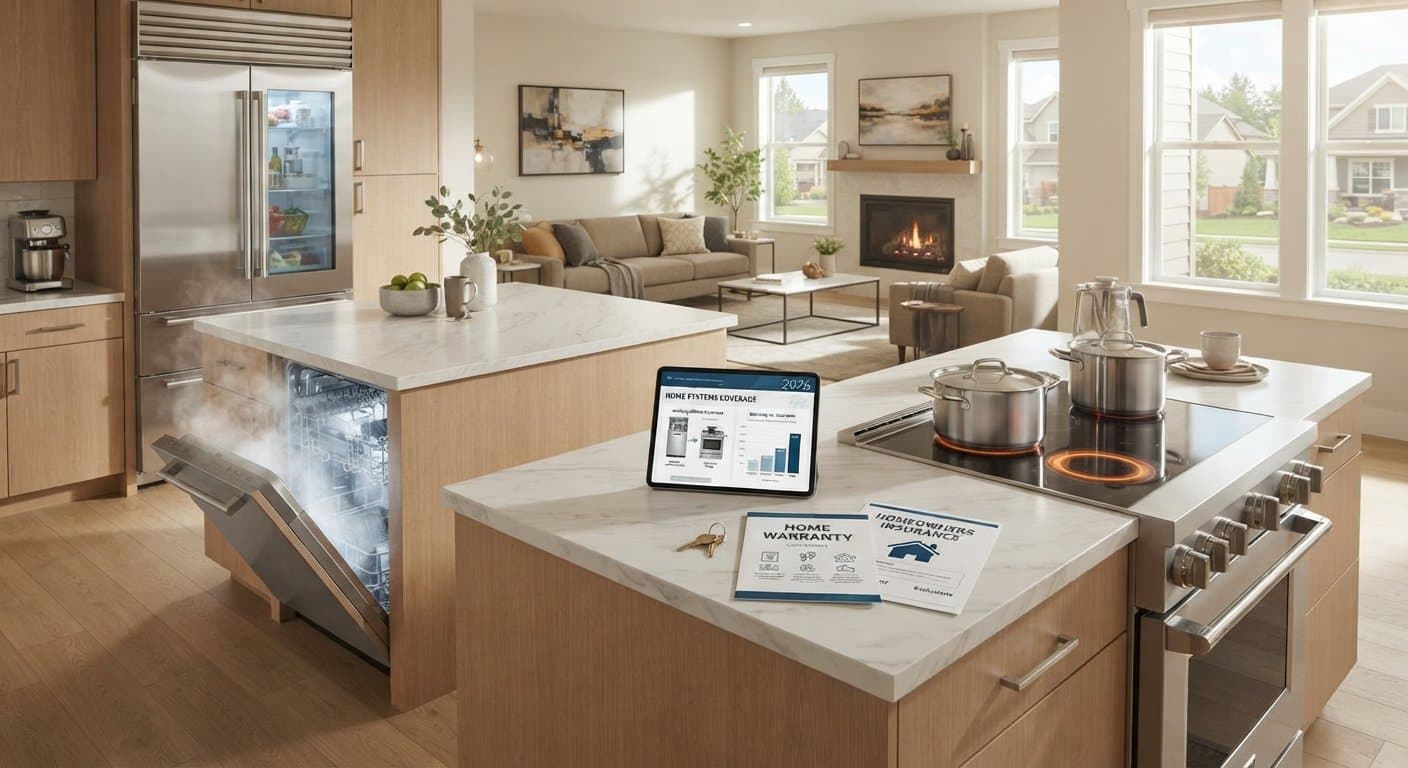
Home insurance and a home warranty protect different parts of your household budget. Confusing the two can leave you paying out of pocket after a breakdown or disaster. Homeowners insurance generally covers sudden, accidental damage to the home and belongings from covered events. A home warranty is a service contract that may help pay to repair or replace named appliances and home systems when they fail from ordinary use.
Home insurance covers covered events; a home warranty covers specified equipment failures. Neither plan covers every problem, and each has exclusions, limits, and claim requirements. The key factors are the cause of damage, the wording of the contract, and the condition of the item before the problem occurred. Review both policies before trouble starts, so you can identify gaps and choose protection that fits your home.
What Home Insurance Usually Covers
Home insurance, also called homeowners insurance, typically combines several types of protection. A standard policy may cover the structure, personal belongings, liability claims, and additional living expenses if a covered loss makes the home temporarily unlivable.
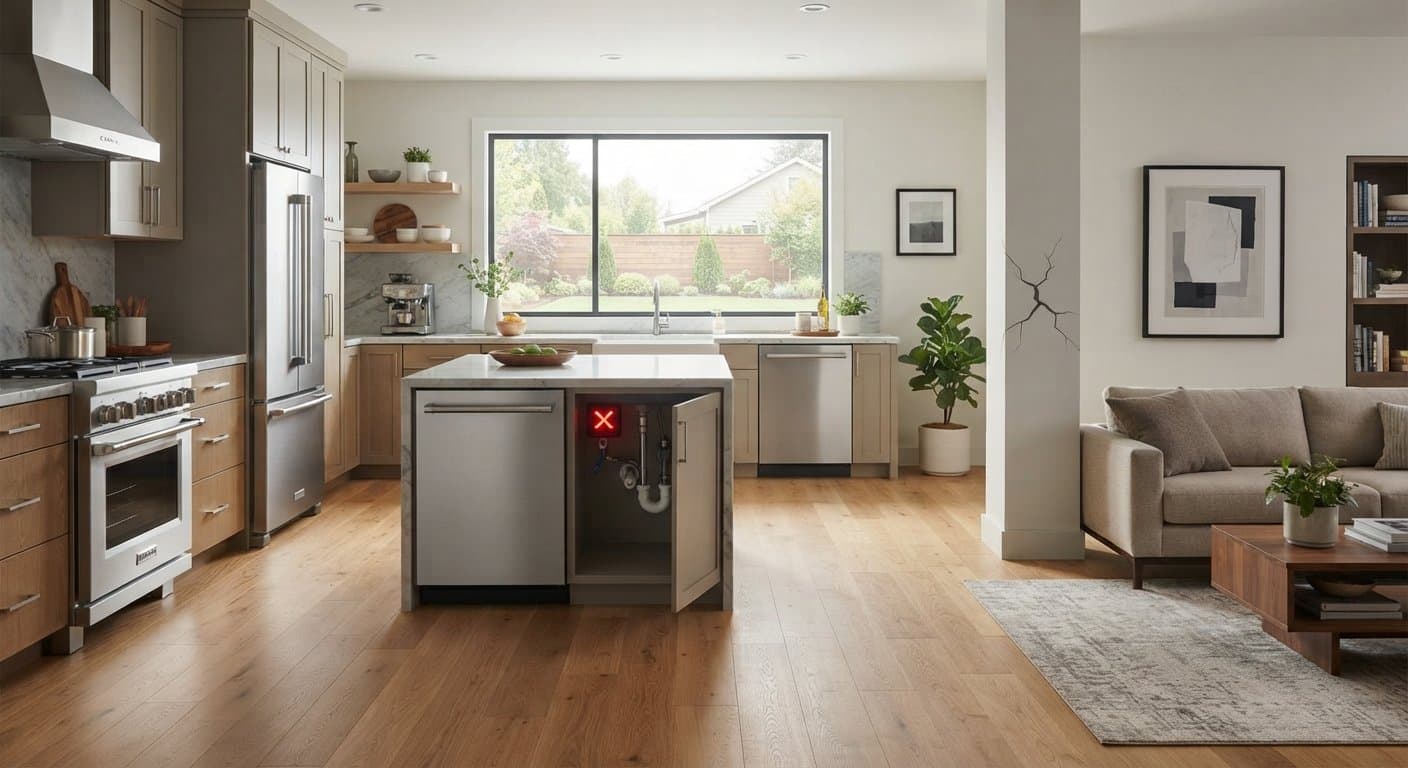
Common covered events can include fire, wind, hail, theft, and certain types of water damage. Coverage depends on the policy and location. For example, a burst pipe may be covered if the damage is sudden and accidental, while gradual leakage or neglected maintenance may be excluded.
Insurance generally does not pay to repair an appliance simply because it wears out. If a refrigerator stops cooling due to an internal mechanical failure, the homeowner may need to pay for the repair unless another form of coverage applies. A covered event that damages the appliance, such as a fire, may be treated differently.
Read the declarations page and exclusions. Check whether coverage is based on replacement cost or actual cash value, and ask about deductibles, sublimits, and separate requirements for flood or earthquake protection.
What a Home Warranty Usually Covers
A home warranty is a service agreement that can cover specific appliances or systems when they fail under the contract's terms. Common options include coverage for heating and cooling equipment, plumbing, electrical systems, water heaters, ovens, and dishwashers.
The warranty company usually assigns a service provider after you submit a claim. You pay a service fee, and the provider assesses the issue. The company may authorize a repair, offer a replacement, or deny the claim if the item or failure falls outside the contract.
Coverage is not automatic for every breakdown. Contracts may exclude preexisting conditions, improper installation, poor maintenance, unusual access costs, and failures outside stated limits. A company may also set a maximum payout per item or per contract period. Ask how the agreement handles permits, disposal, matching equipment, and repairs that require upgrades to meet current building codes.
Where Coverage Gaps Commonly Appear
The clearest gap is wear and tear. Insurance is designed for covered losses, not routine aging. A warranty may address some mechanical failures, but only for listed items and approved causes.
Other common gaps include:
- Flooding and sewer backup: Standard home insurance may exclude flood damage. Separate flood insurance or an added endorsement may be needed.
- Maintenance problems: Neither a warranty nor insurance should be assumed to cover damage caused by neglected upkeep.
- Roof leaks: Insurance may cover sudden storm damage, while age-related deterioration is often excluded. Warranty roof coverage, if offered, is usually limited.
- Repair costs above limits: A warranty benefit may fall short of the full replacement cost, leaving you responsible for the difference.
- Items not listed: A warranty does not cover every appliance or system unless the contract names it or includes an applicable add-on.
How to Compare Policies Before You Need Them
Create a simple inventory of major systems and appliances, including purchase dates, service records, and current condition. Then compare that list with your insurance policy and any proposed warranty agreement.
For each risk, ask three questions:
- What event or failure triggers coverage?
- What exclusions, deductibles, service fees, or limits apply?
- Who selects the repair provider, and how are disputes handled?
Request the full contract before buying a warranty. Compare the annual price and service fees with likely repair costs, and check the insurer's claim instructions for documentation requirements. Keep receipts, maintenance records, and photos in a secure location.
Choosing Protection That Fits Your Home
Insurance and a home warranty serve separate purposes, so one is not a substitute for the other. Insurance can help manage the financial effects of covered disasters and liability claims.
Review coverage after a major renovation, a home purchase, or a change in local risks. Ask your insurer about endorsements for exposures such as sewer backup, and ask warranty providers to explain caps and exclusions in writing.
Next Steps for Homeowners
Start by gathering your current insurance declarations page and any warranty contracts you hold. Schedule a 30-minute review session to map each major system and appliance against both documents. Note the coverage trigger, dollar limits, and service fees for each item. Contact your insurer and warranty provider with specific questions about exclusions that apply to your property. Update this comparison annually or after any major purchase or renovation. This process reveals gaps before they become expensive surprises.