
AMS Home Guides Logo
Home
Remodeling Cost ComparisonsAbout
AMS Home Guides Logo

Your comprehensive resource for home guides, cost guides, and home warranty information.

HomeAboutAll ArticlesSearchPrivacyTerms

© 2026 AMS Home Guides. All rights reserved.

  1. Home
  2. /
  3. Home Warranty Basics
  4. /
  5. Home Warranty vs Insurance: What Each Actually Covers
Home Warranty Basics

Home Warranty vs Insurance: What Each Actually Covers

byEric Melton
2026-11-25 03:01:46November 25, 2026
6 min read
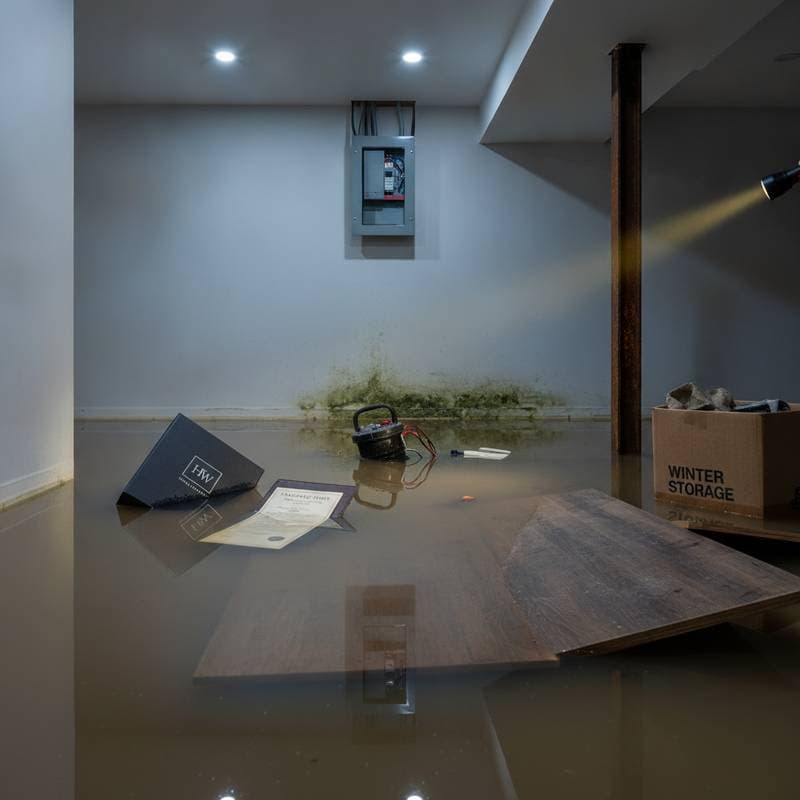
Featured image for Home Warranty vs Insurance: What Each Actually Covers
2026-11-25 03:10:40
AMS - Home Guides, Cost Guides, Home Warranty

2026 Buyers: The Costly Gap Between Home Warranty and Insurance

Quick Take

A home warranty and homeowners insurance cover different problems. A warranty may help pay to repair or replace listed appliances and home systems when they fail from ordinary use. Insurance may cover sudden damage from covered events, such as fire or certain storms.

  • Read both contracts before you buy. Coverage limits, exclusions, and service fees matter.
  • Do not assume a warranty covers a damaged house or that insurance pays for an aging appliance.
  • Ask your insurer and warranty company about a specific problem before authorizing work.

What It Is

A home warranty is a service contract that covers repair or replacement of specified home systems and appliances, subject to its terms. Homeowners insurance is a policy that can help cover property damage and certain liability claims from covered risks. The gap appears when a problem falls outside both contracts, or when an exclusion, limit, deductible, or maintenance rule reduces payment.

What Each One Covers

A home warranty may cover, if listed in the contract, heating and cooling equipment, plumbing, and electrical systems. It may also cover kitchen appliances, such as a range or dishwasher. The warranty typically pays for repair visits after a covered breakdown, minus the service fee and any stated limits.

Homeowners insurance may cover sudden damage from events such as fire, wind, or theft. It may also cover damage to the dwelling and personal property, up to policy limits, and certain liability claims, such as an injury on your property.

Neither label guarantees payment. A warranty may exclude poor installation, preexisting defects, neglected maintenance, or parts above a payout cap. Insurance commonly excludes routine wear, gradual leaks, and mechanical breakdown. Flood and earthquake damage may require separate coverage. Check your policy wording and ask your insurer what applies in your area.

Pros and Cons

A warranty can reduce the cost of some eligible repairs, especially for older covered equipment. You may have to use the company assigned technician, pay a service fee, and accept a repair or replacement choice controlled by the contract.

Insurance helps protect against large covered losses, which may cost far more than a routine repair. You pay premiums and a deductible, and exclusions can leave specific damage unpaid.

Both can offer useful protection, but neither replaces maintenance or emergency savings. Paying for overlapping or poorly matched coverage can strain your budget.

When Coverage Helps or Fails

A covered appliance stops working from ordinary use. Start with the warranty if the appliance and failure type are listed.

A storm damages your roof or a fire affects your kitchen. Contact your insurer and document the damage before cleanup, unless immediate action is needed to keep people safe.

A pipe leaks slowly for months. Insurance may deny gradual damage, and a warranty may exclude the leak source or resulting water damage.

An old furnace fails after missed maintenance. Review exclusions and service records before expecting either company to pay.

Step-by-Step: Check the Gap Before You Buy

Both contracts, a home inspection report, appliance and system records, and a notebook are the tools you need. Allow about an hour. The review is easy, but interpreting exclusions may require help.

  1. List key equipment. Record each appliance or system, its age, condition, and service history.
  2. Compare contract terms. Find covered items, exclusions, payout limits, deductibles, service fees, and claim deadlines. Mark unclear wording.
  3. Test a realistic example. Ask each provider who handles a failed water heater, a sudden pipe burst, or damage caused by a roof leak. Request answers in writing.
  4. Check the claim process. Confirm who chooses the contractor, whether you need approval before repairs, and how emergency work is handled.
  5. Save the evidence. Keep contracts, receipts, inspection findings, and maintenance records together. Do not start nonemergency repairs before confirming claim rules.

Success means you know which company to contact and what costs may remain yours. If the answer is unclear, ask the provider to point to the exact contract clause.

Costs

Home warranty plans often cost about $300 to $900 per year, plus roughly $75 to $150 per service visit. Homeowners insurance premiums commonly run from several hundred to a few thousand dollars per year. Local risk, home value, coverage limits, deductible, claims history, and insurer affect the price.

A higher deductible can lower the premium but leaves you paying more after a covered claim. Warranty prices may rise with added coverage or lower service fees. Get quotes for the same limits before comparing.

DIY vs Pro

You can review contracts, photograph damage, replace accessible appliance filters, and keep maintenance records. Shut off water or power only if you can do so safely. Do not open electrical equipment or repair gas lines.

Call a licensed contractor for unsafe wiring, suspected gas leaks, major plumbing failures, or structural damage. Ask the insurer or warranty company about inspection and approval requirements first. Local permit and code rules may apply to system replacements. Unauthorized work can complicate a claim or warranty.

FAQs

Does a home warranty replace homeowners insurance?

No. A warranty covers listed breakdowns under a service contract. Insurance covers certain risks that cause property damage or liability.

Can I use both for one problem?

Yes, but only when the problem meets the separate criteria of each contract. A sudden pipe burst may qualify for insurance coverage, while the resulting appliance damage may fall under the warranty. Submit claims to both providers and let them determine their respective responsibilities.

Should I buy a warranty on a new home?

New construction often includes manufacturer warranties that cover major systems for the first year or more. Adding a home warranty may provide overlapping coverage with limited benefit during this period. Review the builder warranty terms before purchasing additional protection.

Making the Right Choice

Review your contracts side by side with your specific appliances and systems in mind. Contact both providers with concrete examples before you need coverage. Keep detailed records of maintenance and repairs. This preparation helps you understand exactly which company to call when something breaks and what costs you may still face.


You may also like

Image for Home Warranty vs. Insurance: What Each Actually Covers

Home Warranty vs. Insurance: What Each Actually Covers

November 25, 2026
Image for Home Warranty vs. Insurance: Don't Confuse What They Cover

Home Warranty vs. Insurance: Don't Confuse What They Cover

November 25, 2026
Image for Flooded Basements: What Insurance Won't Cover

Flooded Basements: What Insurance Won't Cover

September 23, 2026

Tagged:

home,insurance,warranty,2026,covers,home-warranty-2026,home-warranty-vs-home-insurance,what,what-home-warranty-covers,explained

Recent Articles by Eric Melton

Image for Wildfire Protection Starts With Your Roof and Vents

Wildfire Protection Starts With Your Roof and Vents

September 23, 2026
Image for What Home Battery Warranties Actually Cover in 2026

What Home Battery Warranties Actually Cover in 2026

July 17, 2026
Image for Privacy Zones That Keep Families Close But Not Too Close

Privacy Zones That Keep Families Close But Not Too Close

July 15, 2026

Related: home

Image for Flooded Basements: What Insurance Won't Cover

Flooded Basements: What Insurance Won't Cover

September 23, 2026
Image for Flood Resistant Flooring: What Labels Don't Tell You

Flood Resistant Flooring: What Labels Don't Tell You

September 23, 2026
Image for Wildfire Protection Starts With Your Roof and Vents

Wildfire Protection Starts With Your Roof and Vents

September 23, 2026
Image for Landlord Home Warranties Cut Surprise Repair Bills

Landlord Home Warranties Cut Surprise Repair Bills

September 23, 2026
Image for Solar Panels Cost $15K-$30K Before Federal Tax Credits

Solar Panels Cost $15K-$30K Before Federal Tax Credits

September 23, 2026

Home Warranty Basics

Flooded Basements: What Insurance Won't Cover

A flooded basement can cost $1,500 to $10,000 or exceed $15,000 with sewage, mold, or structural damage. Home insurance may cover sudden internal leaks, while flood policies address rising groundwater and warranties may cover failed pumps but not cleanup. Learn coverage limits, emergency steps, documentation tips, contractor guidance, timelines, and prevention strategies.

September 23, 2026

Landlord Home Warranties Cut Surprise Repair Bills

Landlord home warranties can make rental maintenance more predictable by covering eligible system and appliance breakdowns for an annual fee plus service charges. They are not insurance and come with exclusions, limits, and delays. Compare contracts carefully, document property conditions, maintain equipment, keep records, and hire licensed professionals for safety-critical repairs.

September 23, 2026

Floor Coverage in Home Warranties vs Replacement Costs

Learn current flooring costs from vinyl to hardwood, see what home warranties actually cover, and find clear steps to choose materials, control expenses, and maintain value.

July 17, 2026

Home Warranty Mold Claims Rarely Pay Without This

Mold problems can cost thousands, but home warranties rarely cover them fully. In 2026, coverage usually applies only when mold results from a covered leak. This guide explains actual coverage limits, costs, exclusions, and tips for filing claims, preventing growth, and saving money through smart maintenance and timely action.

July 15, 2026

Rental Warranties Cut Landlord Repair Costs by 35 Percent

Rental warranties transform unpredictable repairs into controlled expenses. This guide covers pricing, coverage tiers, and strategies that protect property value and tenant satisfaction.

July 14, 2026

HVAC Maintenance Cuts Costs Better Than Warranties

Choosing between an HVAC maintenance plan and a home warranty depends on system age, risk tolerance, and budget. Maintenance prevents breakdowns and improves efficiency. Warranties offset major repair costs. This guide compares coverage, pricing, and long-term value.

July 11, 2026

AI Monitoring Now Included in 2026 Home Warranties

Home warranties now incorporate AI predictive monitoring to catch failures early. These plans add efficiency yet introduce new costs, data risks, and contract details that require close attention before enrollment.

July 10, 2026

Mold Coverage Limits: What Home Warranties Actually Pay

Home warranties rarely cover mold directly, but they may pay for repairs to appliances causing moisture. With cleanup costs averaging 2300 dollars, understanding exclusions, timing, and professional options is crucial. Learn how coverage limits, regional pricing, and smart prevention strategies can protect your property and reduce expensive remediation risks.

July 9, 2026

Mold Coverage Tightens Under 2026 Warranty Rules

New 2026 home warranty rules clarify when mold damage is covered and when it is not. Standard plans still exclude most mold, but add-ons and documentation can make a difference. Learn how to file valid claims, control costs, and prevent disputes through smart maintenance, quick action, and clear understanding of coverage limits.

July 9, 2026

Hidden Home Warranty Fees That Drain Your Wallet Fast

Home warranties can conceal extra charges that increase expenses. This guide explains how to locate service fees, trade charges, and cancellation costs in contract terms so homeowners can make informed decisions.

July 6, 2026

Warranty Coverage Gaps in ADUs and Multi-Unit Homes

Multigenerational homes and ADUs require careful warranty planning to avoid coverage gaps. This guide explains costs, system classifications, documentation steps, and regional factors that affect protection for every unit.

July 5, 2026

What Home Warranties Actually Cover for Air Quality Systems

Home warranties offset repair costs for air quality systems ranging from basic filters to whole home purifiers. Coverage depends on plan details, location, and equipment type while excluding routine maintenance and new installations.

July 1, 2026

AI Home Inspections Cut Warranty Wait Times to Hours

AI-powered home inspections convert slow warranty claims into rapid, data-driven approvals. Cameras and image-recognition models produce same-day reports, minimize bias, and lower expenses while helping homeowners decide between self-managed and professional options.

July 1, 2026

Home Warranties Fill the Water Damage Coverage Gap

Home warranties now include limited water damage coverage that bridges maintenance plans and insurance. Compare plan types, costs, and exclusions to protect against plumbing leaks and unexpected repairs.

June 30, 2026

Hidden Costs That Turn Cheap Warranties Expensive

Home warranties in 2026 often hide service fees, exclusions, and coverage caps that increase total expenses. This guide explains contract structures, claim processes, and comparison methods so homeowners can evaluate real costs before signing.

June 28, 2026

Home Warranty Turns Unpredictable Repairs Into Fixed Fees

A home warranty safeguards rental properties from costly repairs, stabilizes maintenance budgets, and keeps tenants satisfied. This guide covers plan types, costs, setup steps, and key exclusions so landlords can choose coverage with confidence.

June 28, 2026

AI Cuts Home Warranty Claim Waits from Days to Hours

AI tools now approve home warranty claims in hours instead of days by verifying coverage, assigning contractors, and maintaining full records. Homeowners gain speed and transparency while human oversight handles complex cases.

June 25, 2026

Why Home Warranty Premiums Jump One-Third in 2026

Home warranty premiums are set to jump one-third by 2026, driven by higher labor, material, and claim costs. Aging systems, climate stress, and complex appliances add pressure. Learn why prices are climbing, how to evaluate your coverage, and smart steps to cut renewal costs without losing essential protection.

June 24, 2026

New Warranty Laws Tighten Repair Timelines for Landlords

New 2026 rental warranty laws redefine landlord responsibilities by tightening repair deadlines, mandating clearer warranty disclosures, and expanding tenant rights. Landlords must update leases, verify coverage, and ensure compliance to avoid penalties. Learn cost ranges, timelines, and best practices to protect property value, maintain habitability standards, and stay legally compliant nationwide.

June 21, 2026

AI Now Decides Your Home Warranty Claims in Minutes

Home warranty claims now face automated review that demands timestamped digital proof and strict response windows. Learn the updated requirements, cost impacts, and record keeping steps that keep repairs covered.

June 21, 2026

Categories

Appliance & System Coverage
Cost Guides
Home Guides
Home Warranty Basics
Outdoor & Exterior Guides
Remodeling Cost Comparisons
Room-by-Room Guides