Landlords: Essential Home Warranty Coverage for Rentals
Quick Take
A home warranty protects rental property and cash flow when systems or appliances fail. Select coverage that matches the age and type of the property. Review plan details before any tenant moves in. The warranty limits surprise repair bills and reduces downtime.
Pros and Cons
Pros
- Controls repair costs with fixed service fees.
- Reduces emergency calls and tenant disruption.
- Covers multiple systems and appliances under one plan.
- Simplifies maintenance budgeting for multiple units.
- Some plans include tenant coordination or direct scheduling.
Cons
- Not all repairs receive coverage, especially pre-existing issues.
- Service call fees accumulate if multiple systems fail at once.
- Providers may require use of their contractors instead of your own.
- Claims can face denial based on maintenance history.
- Annual premiums increase with property age and size.
Step-by-Step: How to Set Up a Home Warranty for a Rental
Tools and Info Needed
- Property system list that covers HVAC, plumbing, electrical, and appliances.
- Maintenance records.
- Current insurance policy for reference.
- Internet access for plan comparison.
Time: 2 to 3 hours to research and apply. Difficulty: Easy to moderate.
1. Assess Your Property
List every system and appliance the tenant uses. Include HVAC, water heater, refrigerator, washer, dryer, and built-in microwave. Note the age and condition of each item. This assessment helps match coverage to the actual risk level.
2. Compare Providers
Search for companies that offer landlord or rental property coverage. Read sample contracts and look for terms such as no-fault coverage or multi-property discounts. Check online reviews that address claim handling and contractor quality.
3. Choose Plan Type
Most providers offer three tiers. An appliance-only plan supplies basic coverage. A systems-only plan addresses HVAC, plumbing, and electrical. A comprehensive plan includes both categories. For a rental, the comprehensive plan usually makes sense because tenants use both systems and appliances daily.
4. Confirm Tenant Coverage Rules
Some warranties exclude tenant-caused damage. Define normal use and tenant responsibilities in the lease. Require tenants to report issues quickly so claims avoid denial for neglect.
5. Apply and Schedule Inspection
Some providers require a property inspection before coverage starts. Attend in person or send a property manager. Keep records of inspected items and any notes on system condition.
6. Pay and Activate
Pay the premium and confirm activation. Store all documents in both digital and printed form. Set reminders for renewal.
7. Test the Claim Process
File a claim for a small issue early on. This step confirms response time and contractor quality before a major problem occurs.
DIY vs Pro
Safe for DIY
- Reviewing coverage terms and setting up policies.
- Coordinating with tenants to schedule service visits.
- Keeping maintenance logs and receipts.
Hire a Pro
- To inspect systems before buying coverage.
- For electrical, HVAC, and plumbing repairs.
- When damage involves gas lines, refrigerant, or permits.
Licensed contractors protect code compliance and warranty eligibility. Many providers require certified technicians for claims to remain valid.
Alternatives
1. Repair Reserve Fund
Keep a dedicated savings account for property repairs. This option suits experienced landlords with stable cash flow. It requires discipline and self-management.
2. Property Management Service
Some management firms include maintenance coverage or preferred pricing. This choice works well for absentee landlords or multi-unit owners. Management fees add ongoing cost.
3. Manufacturer and Builder Warranties
Newer or recently renovated properties may carry existing warranties on major systems. This approach fits new properties with documented installations. Coverage remains limited to specific items.
Checklist: Setting Up Reliable Home Warranty Coverage
- List all systems and appliances.
- Gather maintenance and repair records.
- Compare three to five warranty providers.
- Confirm coverage for rental use.
- Read exclusions carefully.
- Schedule an inspection if required.
- Activate coverage before tenant move-in.
- Store contract and service contacts in one file.
- Keep proof of maintenance for all major systems.
- Review renewal terms each year.
Condition Check: Signs You Need Coverage Soon
HVAC equipment makes noise or struggles to hold temperature. A water heater older than seven years signals potential failure. Frequent appliance repairs in the past year indicate rising risk. Rising maintenance costs or calls after each tenant turnover also point to the value of coverage.
Common Coverage Gaps to Watch
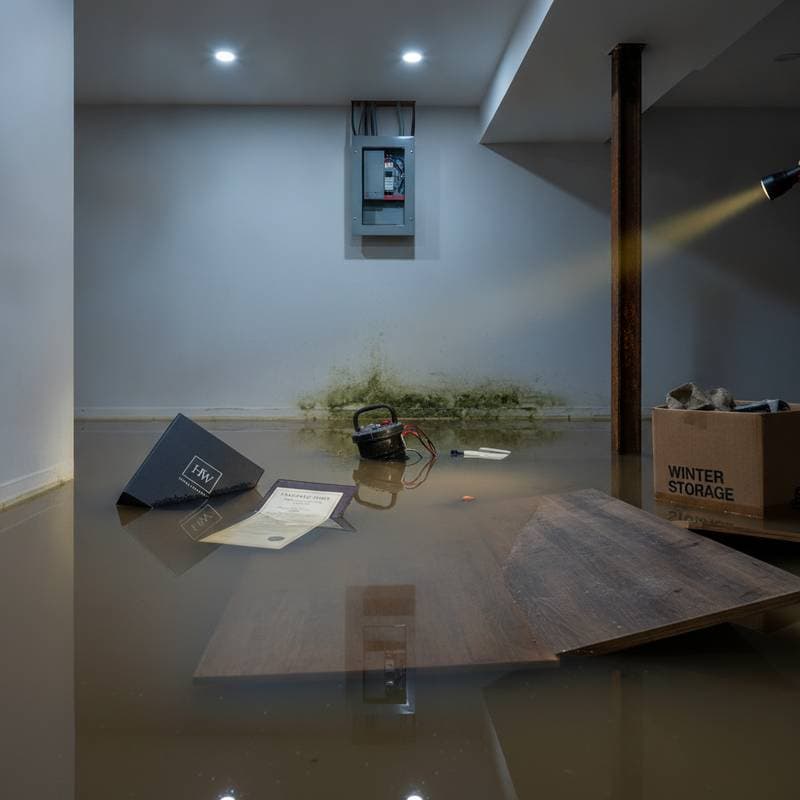
Pre-existing conditions noted before coverage starts often receive exclusion. Improper installation that fails to meet code can void claims. Secondary damage such as water from a failed pipe may not receive coverage beyond the pipe repair itself. Cosmetic issues like paint, trim, or dented panels stay outside coverage. Luxury appliances may require extra fees or separate plans.
Pro Tips for Success
Keep a maintenance log for each property that includes receipts and inspection notes. Renew coverage early to avoid lapses that reset eligibility. Choose a provider with a clear landlord option because some serve only owner-occupied homes. Use the same warranty company for all rentals to simplify claim management. Ask whether the provider offers online portals for claim tracking. Review coverage yearly and adjust items covered by manufacturer warranties or new upgrades.
Protect Your Rental Investment
A home warranty serves as a practical tool for rental properties when paired with regular maintenance and clear tenant policies. Begin by listing systems and appliances that fail most often. Compare at least three providers and read the fine print. Test one claim early to understand the process. Maintain records and stay proactive with renewals.