
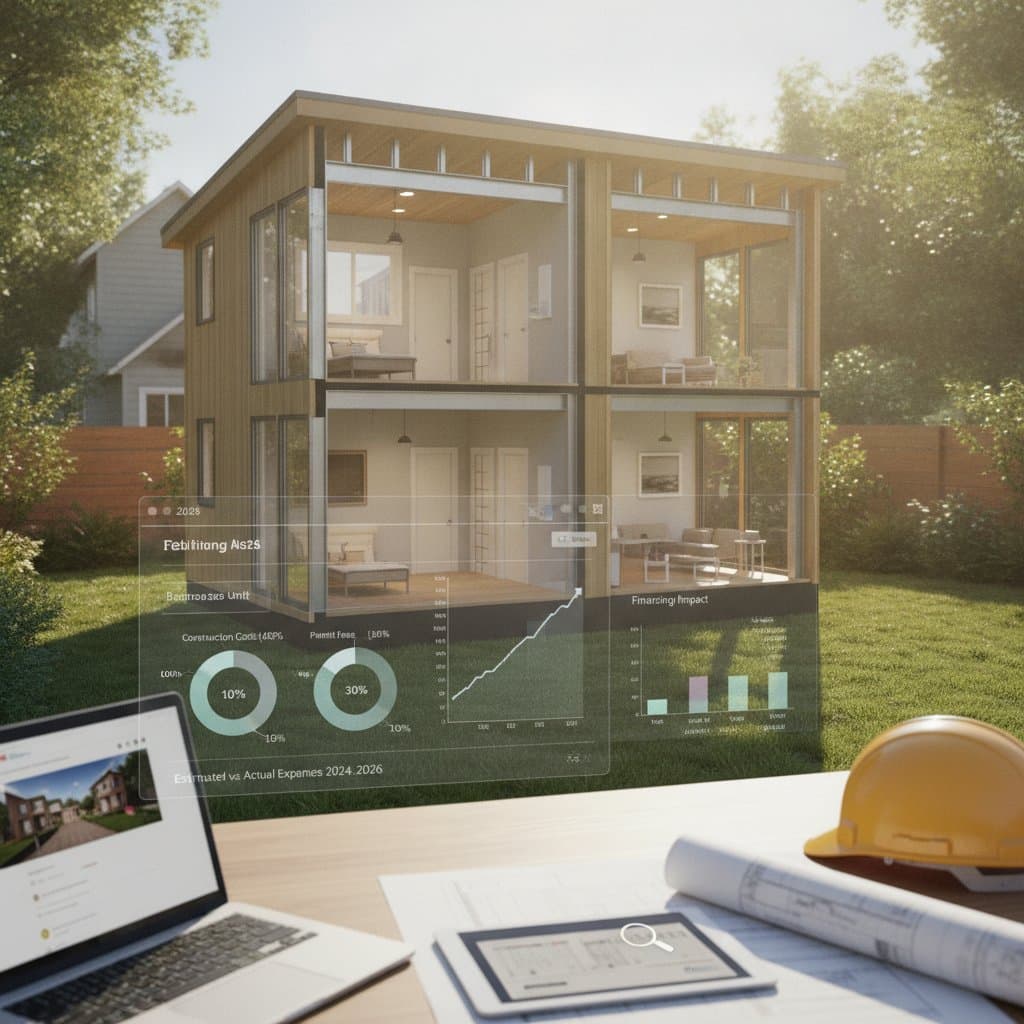
Building a granny flat or ADU in 2026 requires precise cost planning. This guide details construction ranges by unit type, financing factors, and steps to control expenses from permit to completion.
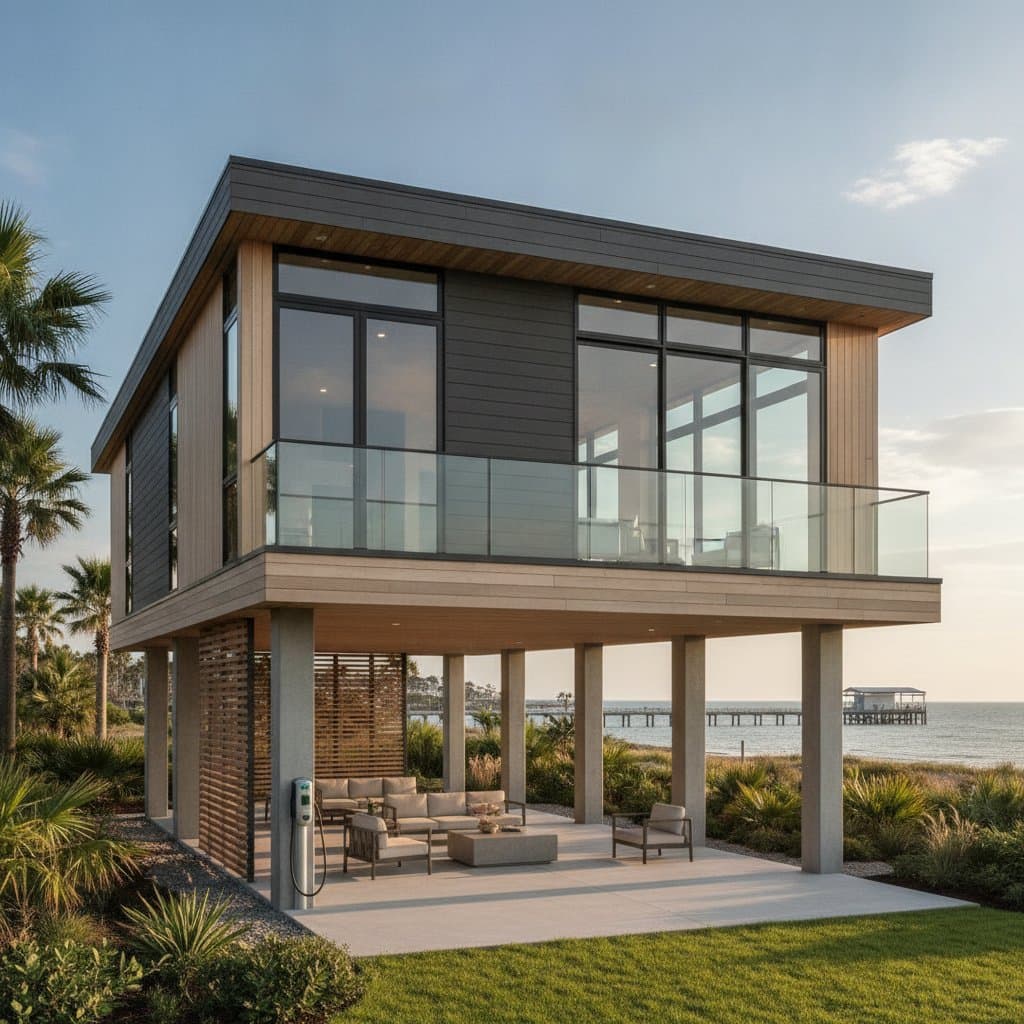
Elevating a home for flood protection costs $80,000 to $250,000 and involves lifting the structure above flood levels to reduce damage and insurance costs. This professional-only process includes engineering, new foundations, and utility extensions. Proper design, permits, and maintenance ensure decades of protection, grant eligibility, and compliance with evolving floodplain regulations.
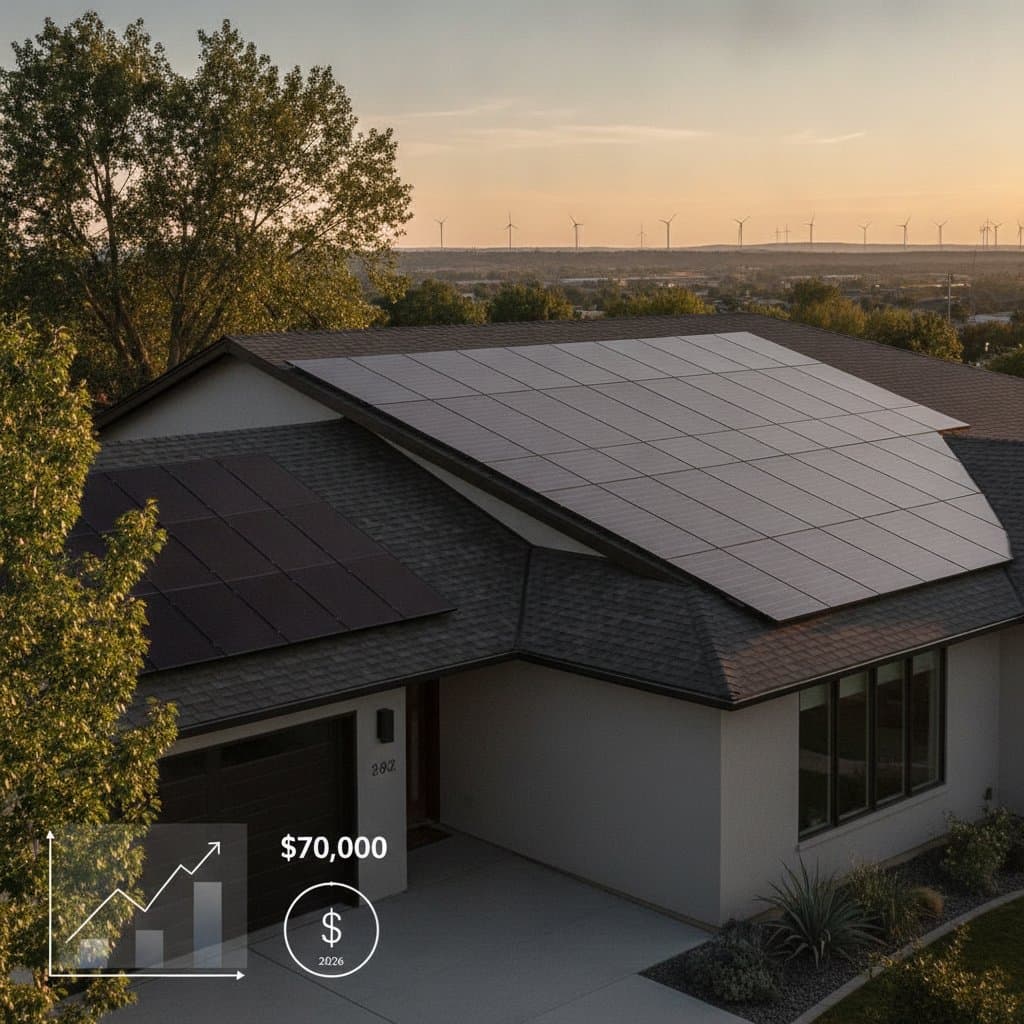
Planning a solar roof in 2026? This guide details real costs from 15K to 70K after incentives, system types, installation factors, payback periods, and maintenance requirements for typical homes.
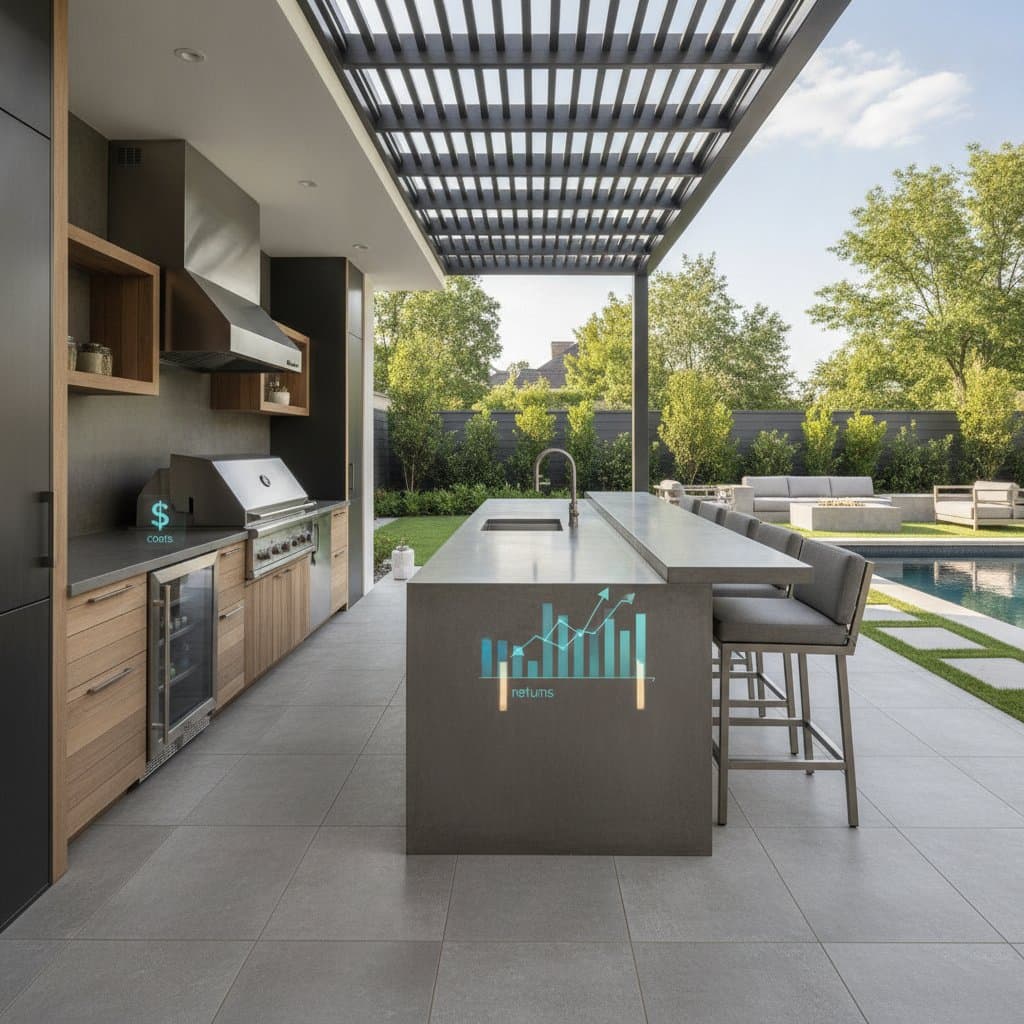
Outdoor kitchens add lifestyle appeal, yet value depends on cost control. Basic models begin at 8000 dollars while custom builds reach 40000 dollars. With proper care, ROI averages 50 to 70 percent. Attention to installation details, maintenance routines, and warranty terms helps homeowners approach this upgrade as a calculated investment.
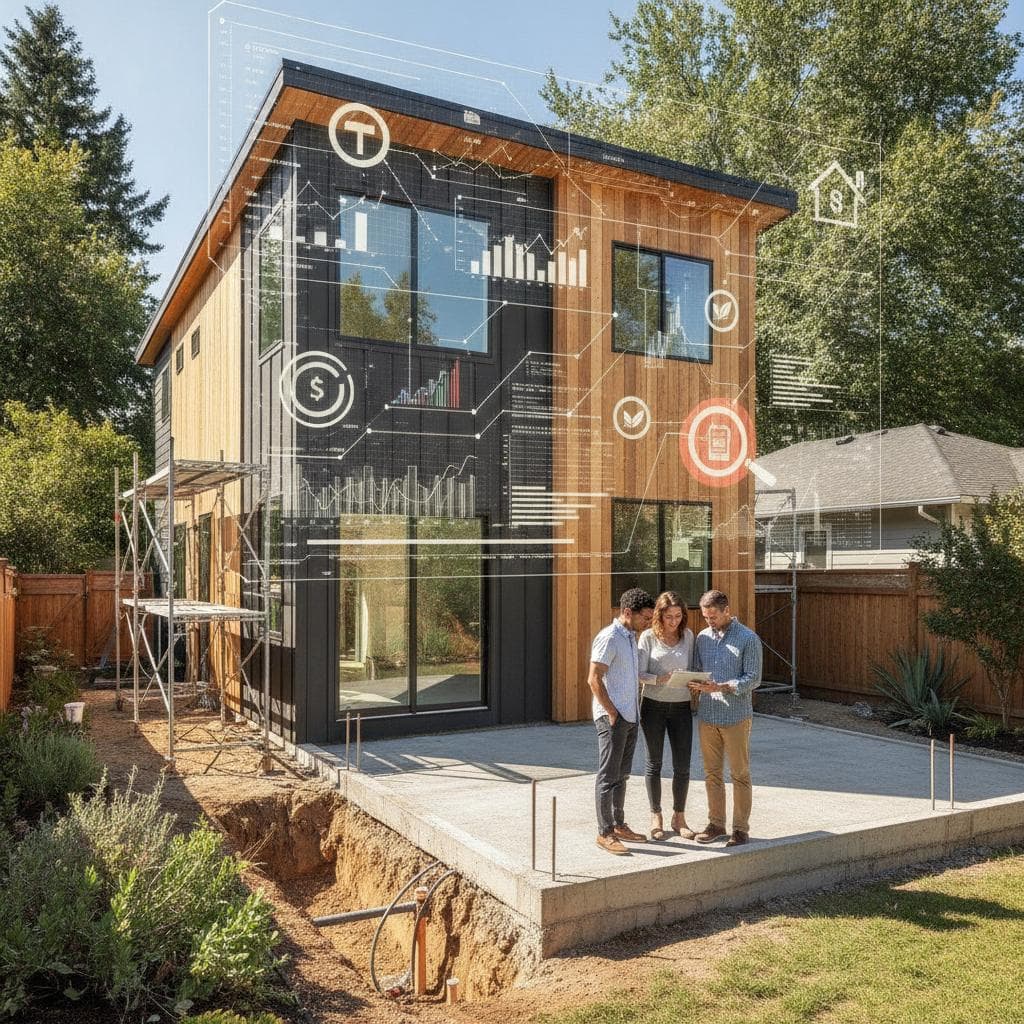
Building an ADU in 2026 involves far more than base construction costs. From design and permits to utilities, financing, and long term maintenance, every detail affects total investment. This guide reveals true pricing realities, hidden expenses, and smart planning strategies.
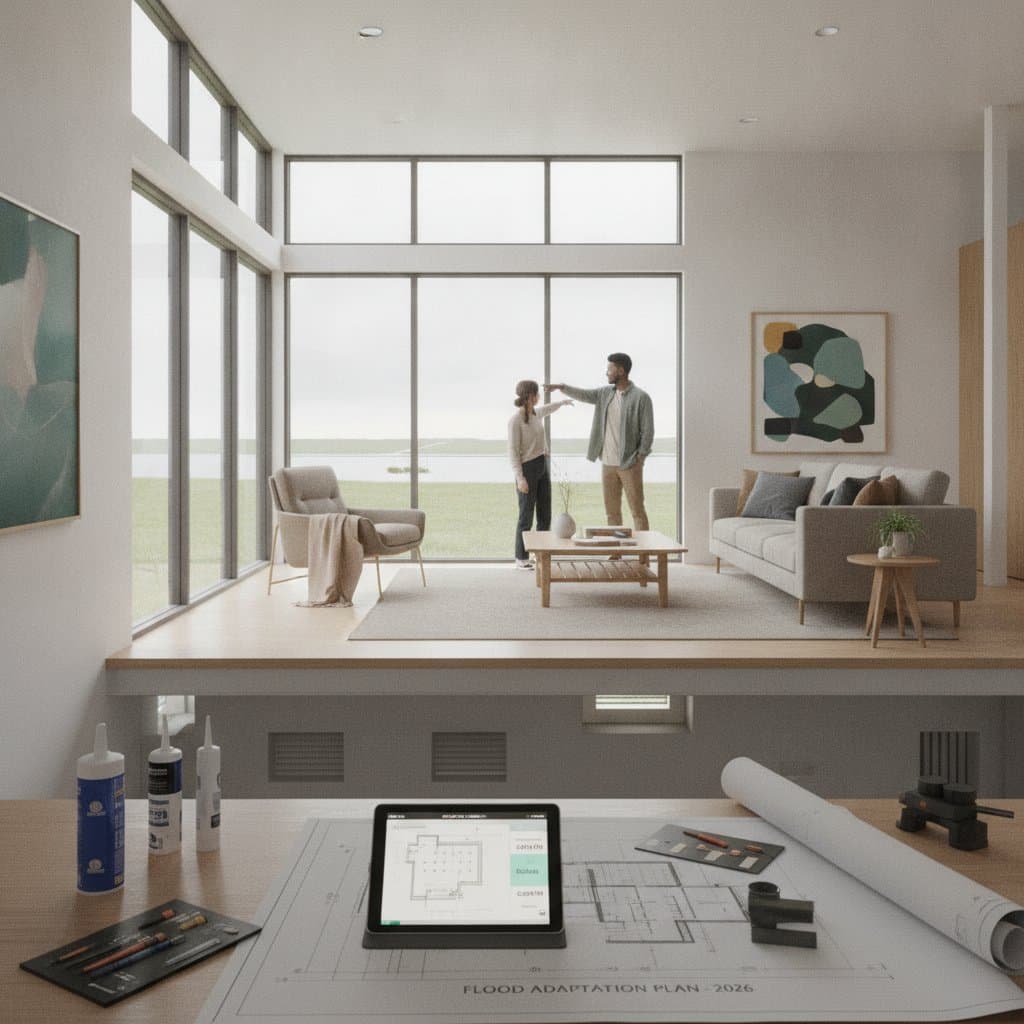
In 2026 flood proofing costs average $28,800 and range from $12,000 to $52,000. This guide covers cost drivers, DIY limits, contractor selection, and maintenance practices for effective climate adaptation.
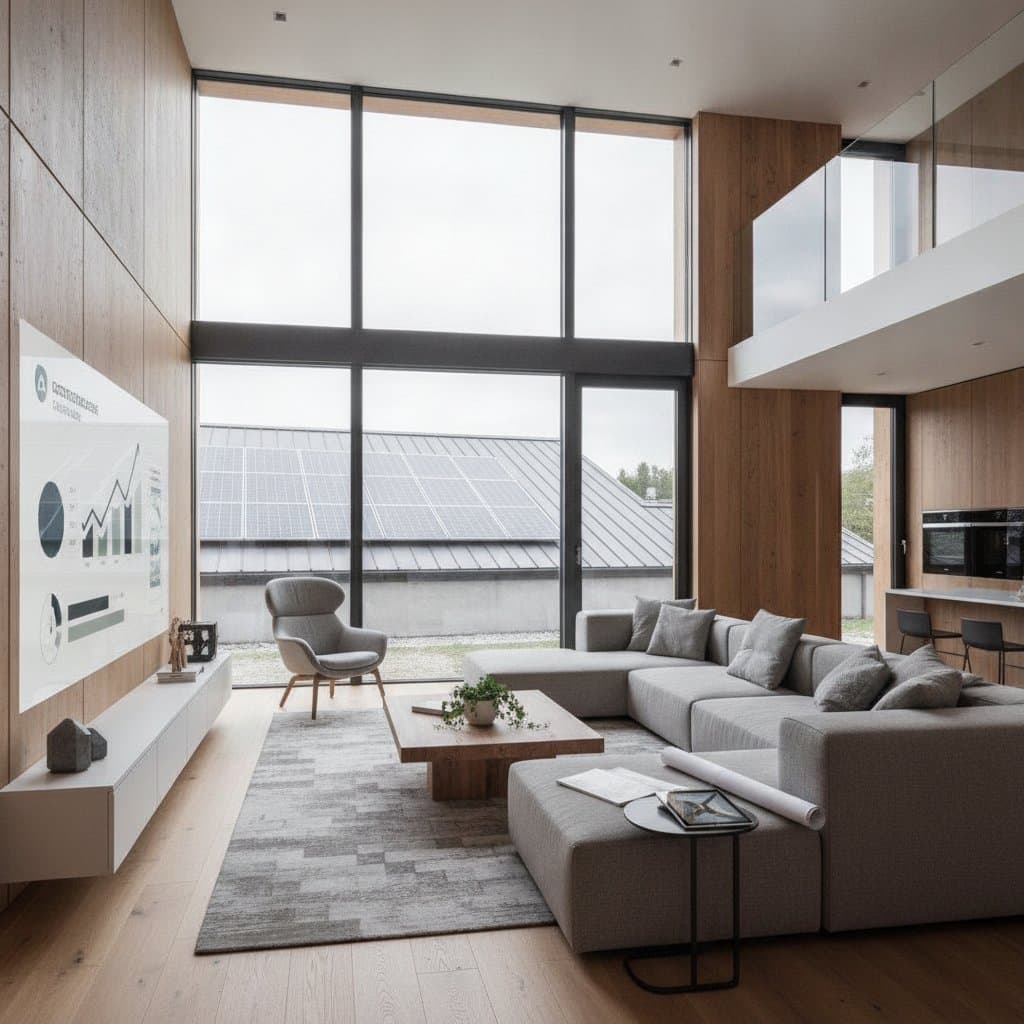
Modular homes built in 2026 range from $140 to $320 per square foot, with total project costs between $250,000 and $540,000 for an average size home. This guide explains cost drivers, construction steps, and practical planning considerations.
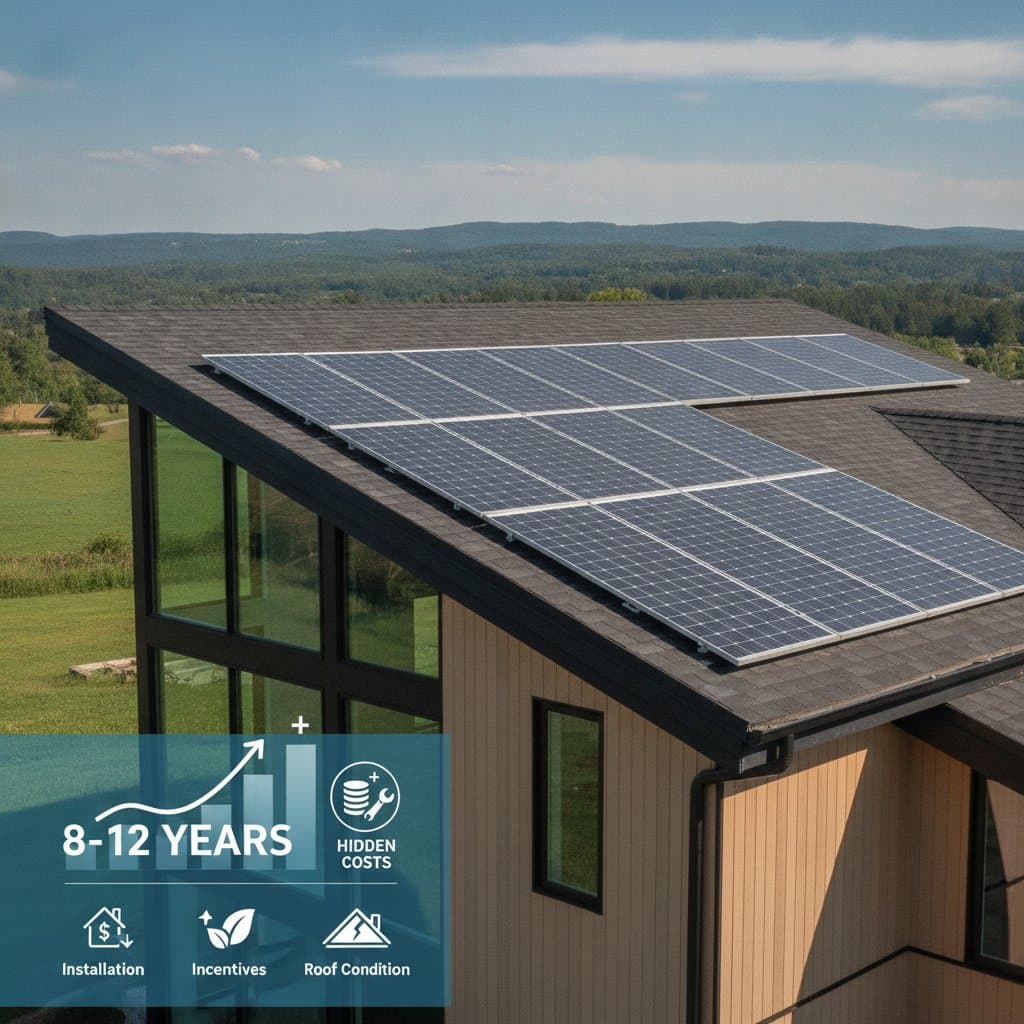
Learn the factors affecting solar panel returns in 2026, from installation expenses to incentives. Discover practical ways to shorten payback periods and achieve greater energy savings.
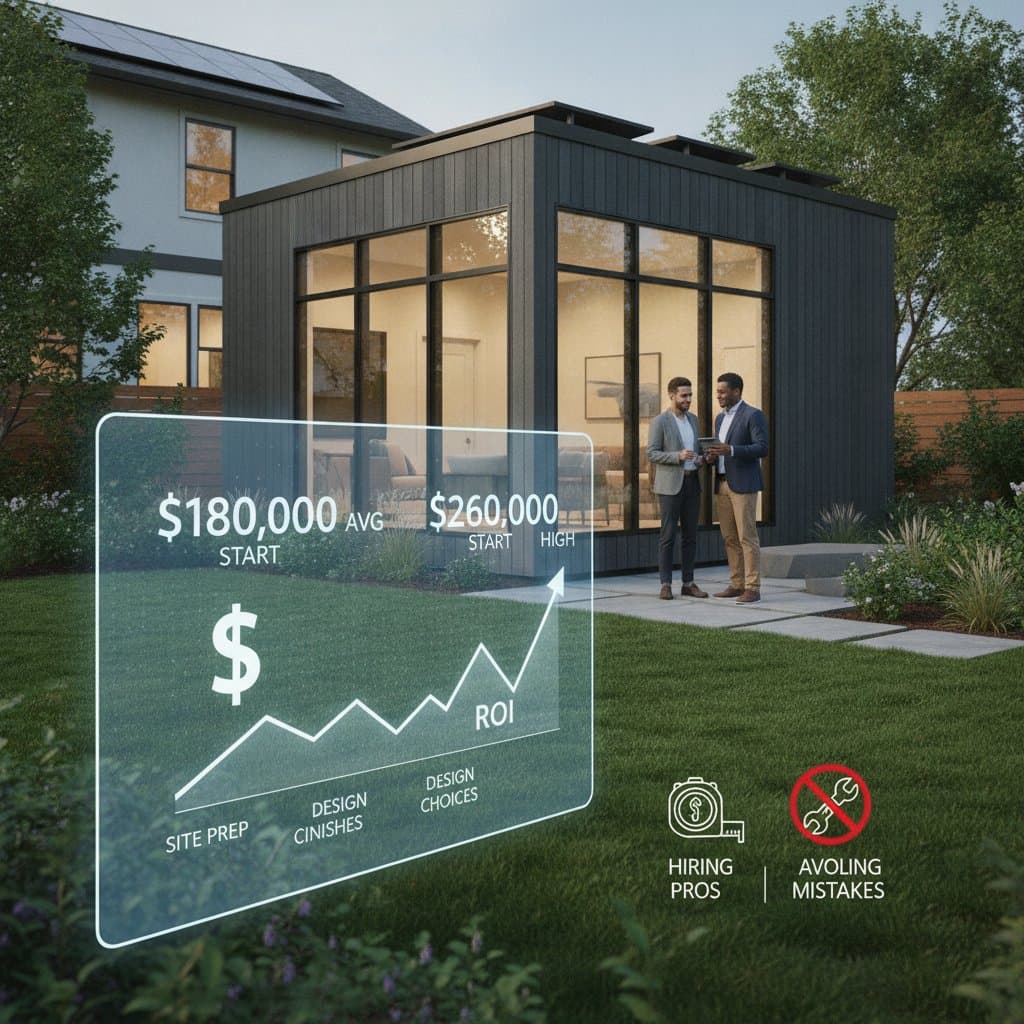
Learn the true costs of adding a modular ADU in 2026, typically ranging from $120,000 to $260,000. Understand how site preparation, finishes, and design decisions influence total price, ROI potential, and project timeline.
ADU construction costs have risen 35 percent due to higher labor, material, and permit expenses. Strategic planning and design decisions can still keep projects affordable. Explore timing guidance, budgeting tactics, and value-maximizing choices for homeowners evaluating an accessory dwelling unit.
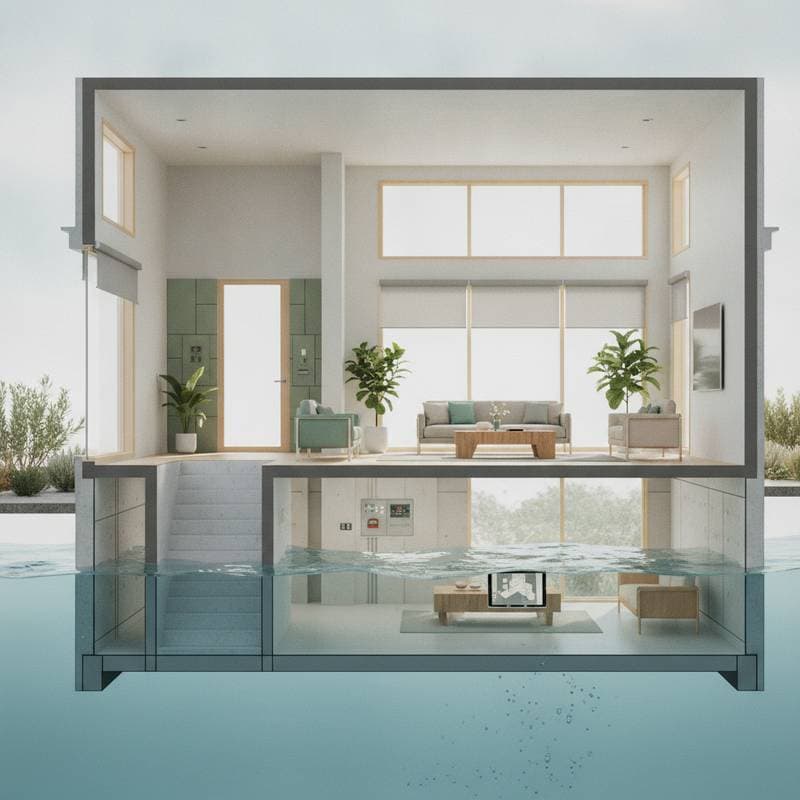
Floodproofing balances cost, protection level, and building type. This guide covers dry and wet methods plus elevation, with real cost ranges and guidance on professional support.
Modular homes offer faster builds, lower costs, and consistent quality compared to traditional construction, but limit design flexibility and require careful site planning. Learn how pricing, permits, and timelines align to make modular living a smart choice depending on land, layout, and goals.
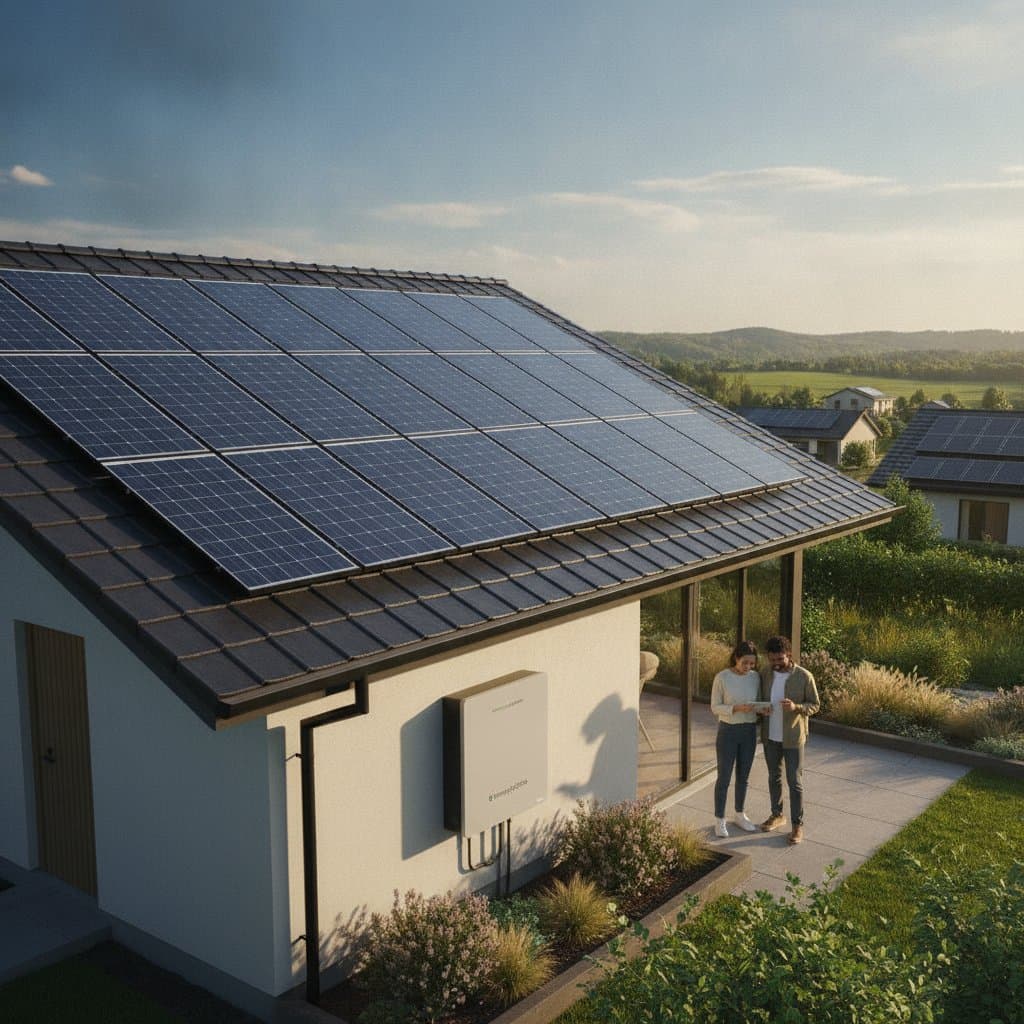
By 2026 solar panels continue to become more affordable while battery backups gain capacity and durability. Combining both technologies with available incentives maximizes savings and supports long term energy independence for homeowners.
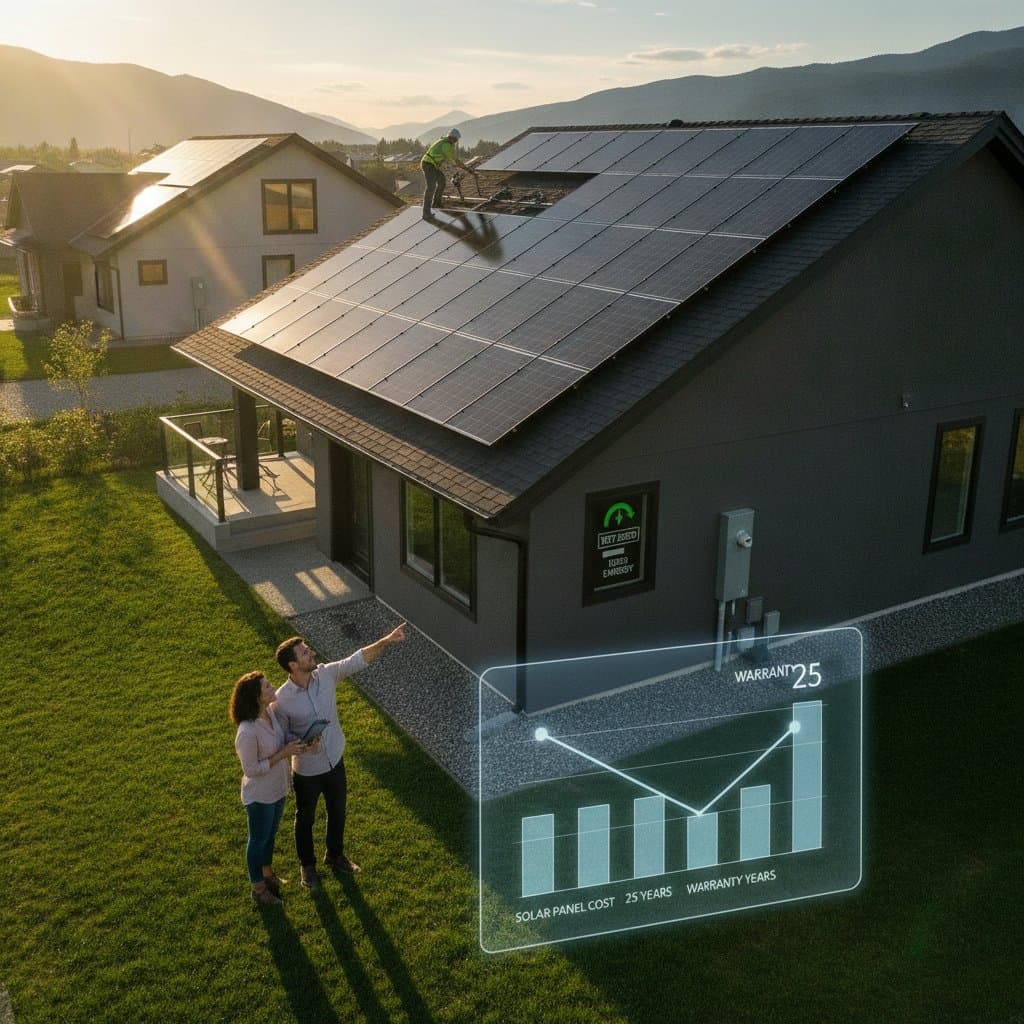
Review expected solar panel costs in 2026 along with warranty protections and installation considerations. Understand how roof type, labor, and equipment affect pricing plus steps for planning and maintenance.
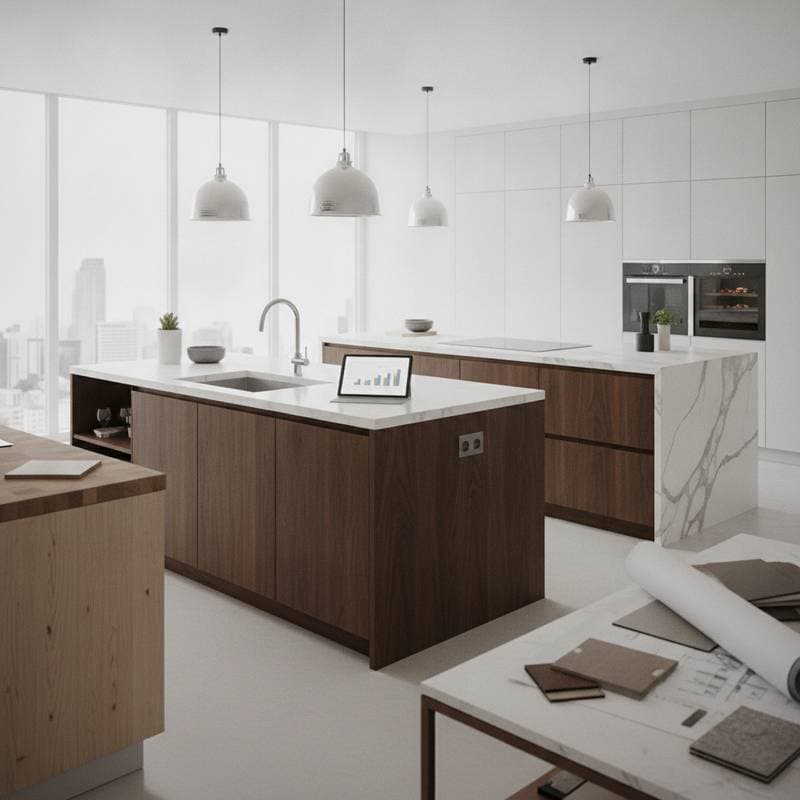
Review what kitchen islands cost in 2026, from 1800 dollar prefab units to 15000 dollar custom builds. Explore how materials, labor, and design choices affect pricing, timelines, and resale value along with proven methods to compare quotes and decide between DIY and professional installation.
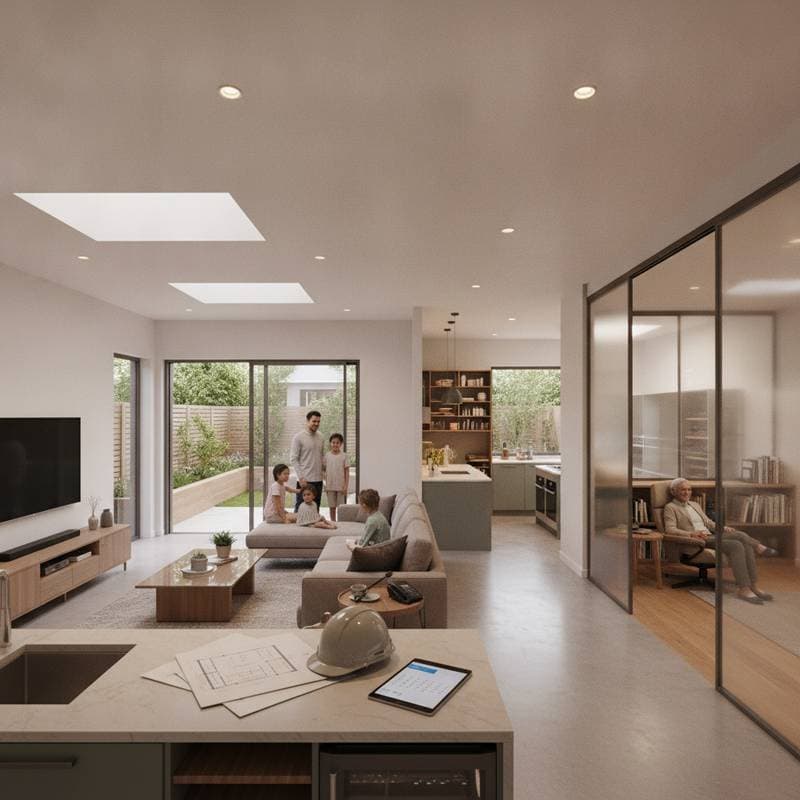
Multi-generational renovations require clear budgets and strong protections. This 2026 cost guide details real price ranges, hidden fees, and steps to protect your investment while creating adaptable family living spaces.

Solar panel projects in 2026 deliver savings yet carry extra expenses for permits, roof repairs, electrical upgrades, and maintenance. Clear planning helps homeowners control totals and select installers wisely.
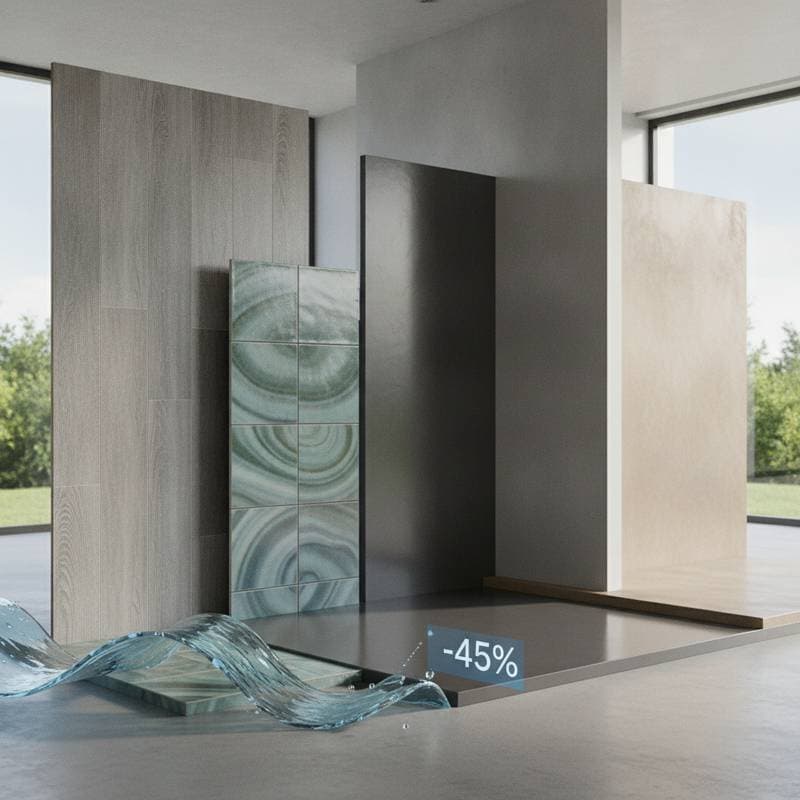
Flood-resistant flooring in 2026 costs $4 to $18 per square foot. Homeowners can reduce flood damage expenses by up to 45 percent with vinyl, tile, epoxy, or sealed concrete. This guide details pricing tiers, installation factors, and practical steps for long-term protection.
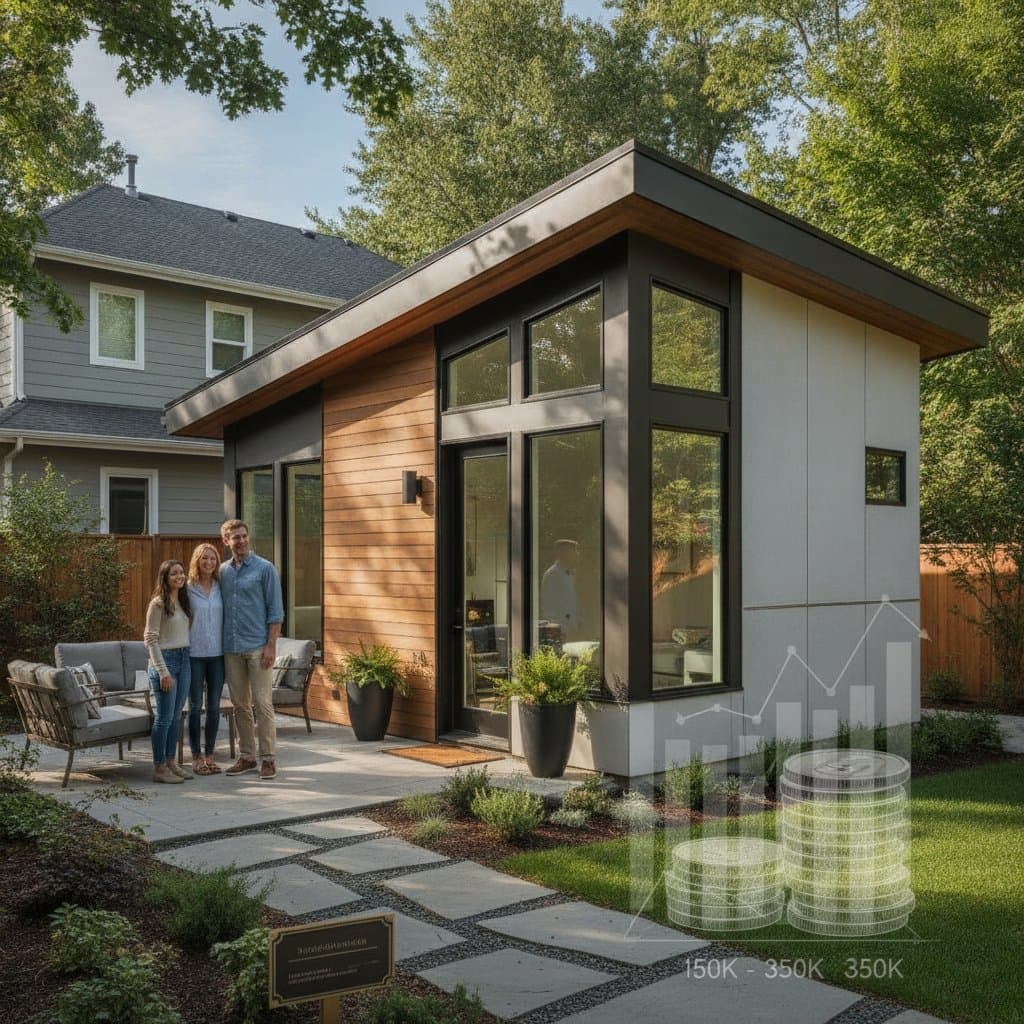
Homeowners planning an accessory dwelling unit in 2026 can expect costs between 120000 and 350000 dollars. Project timelines typically span four to twelve months from permitting through final inspection. Careful attention to design, materials, and local regulations helps control expenses while maximizing long term value.
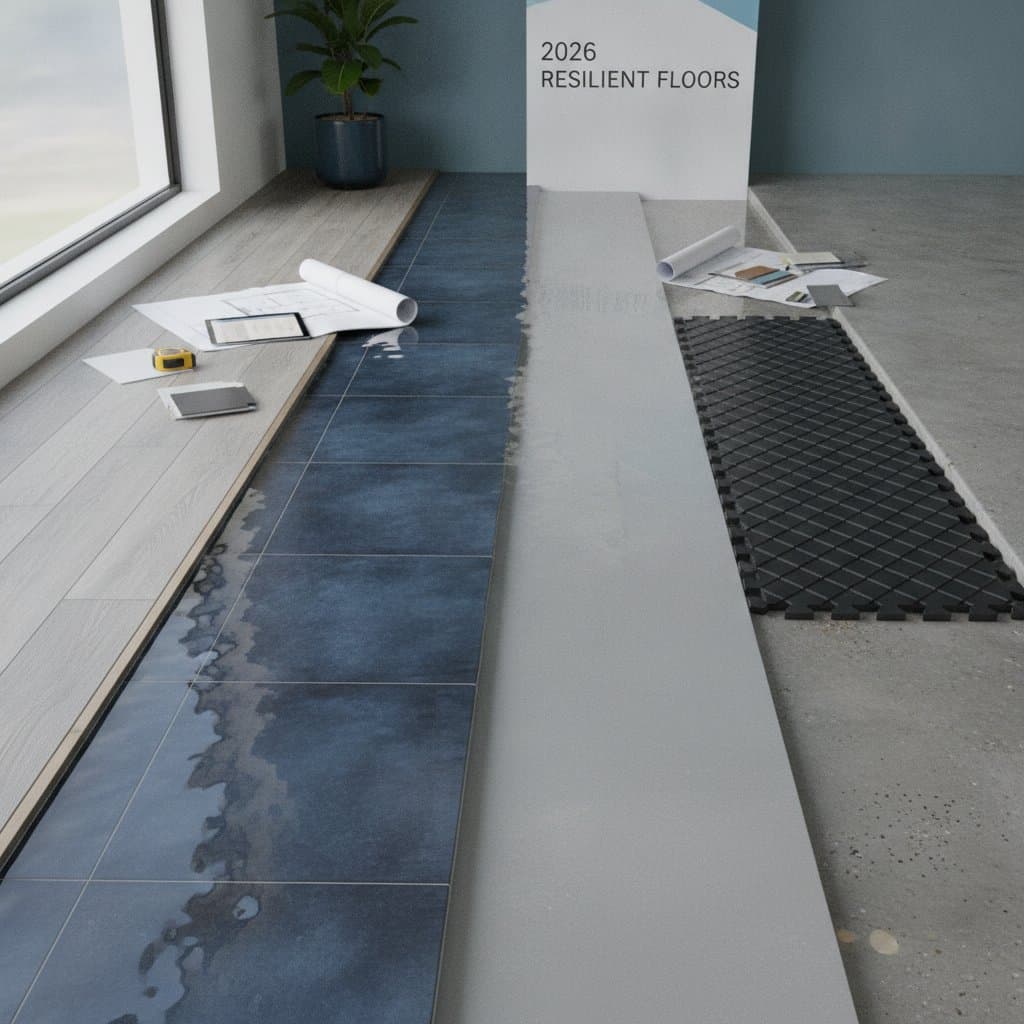
Protect your home from water damage with flood-resistant flooring. This guide details 2026 pricing, material comparisons, and practical installation advice for vinyl, tile, epoxy, rubber, and sealed concrete.