
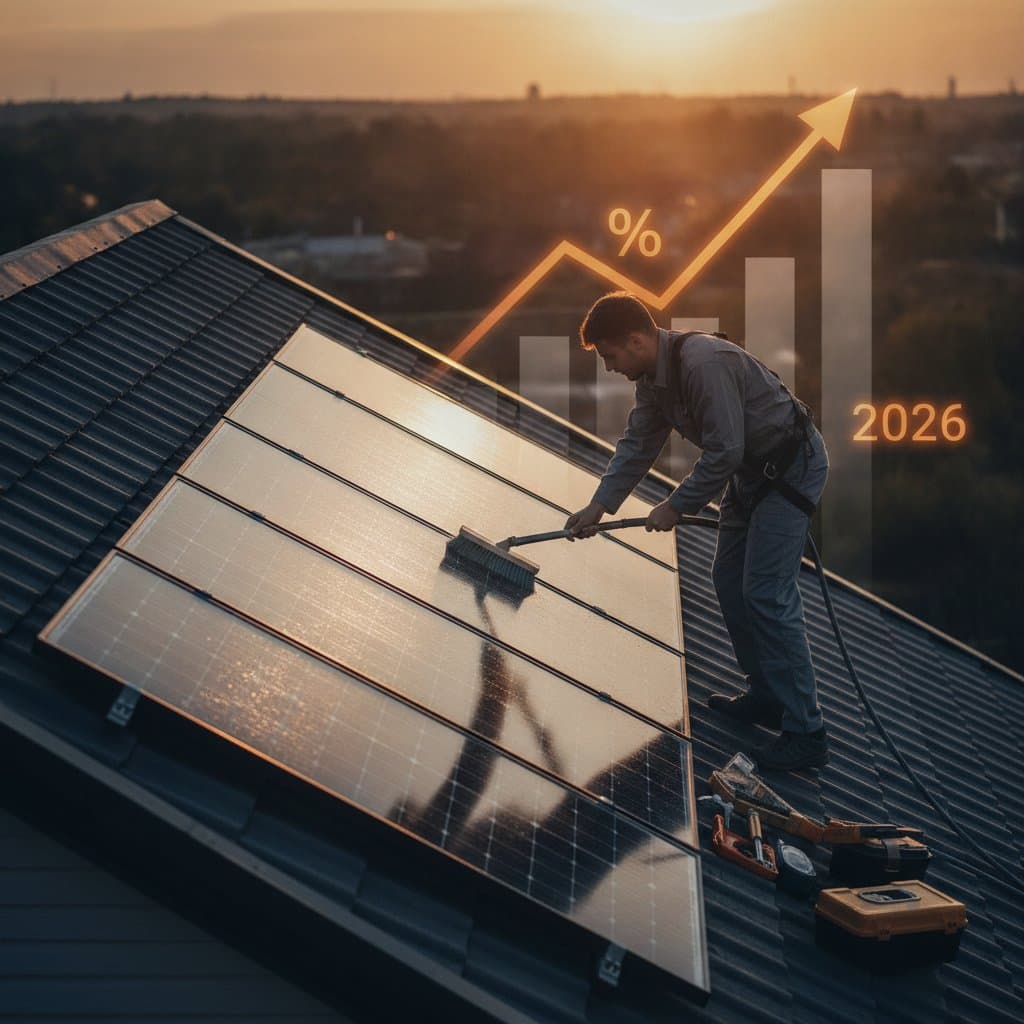
Solar panel maintenance costs are projected to climb 35 percent amid labor and material pressures. Homeowners typically spend around 350 dollars per service. Strategic scheduling, professional service, and annual contracts help offset increases while maintaining system efficiency.
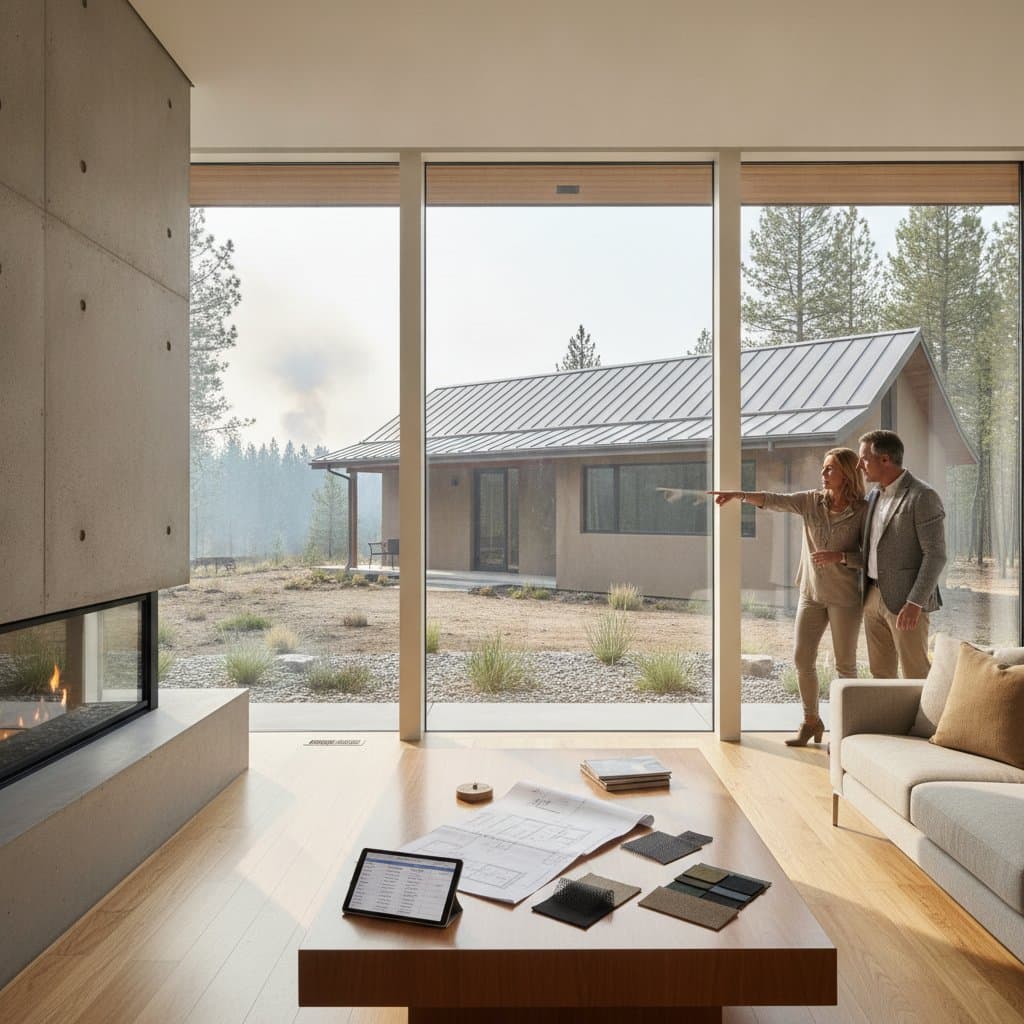
Wildfire threats continue to grow. Retrofitting strengthens homes through targeted upgrades that reduce ignition risk. This guide outlines current costs, material choices, permit steps, and maintenance practices that support insurance compliance and long-term resilience.
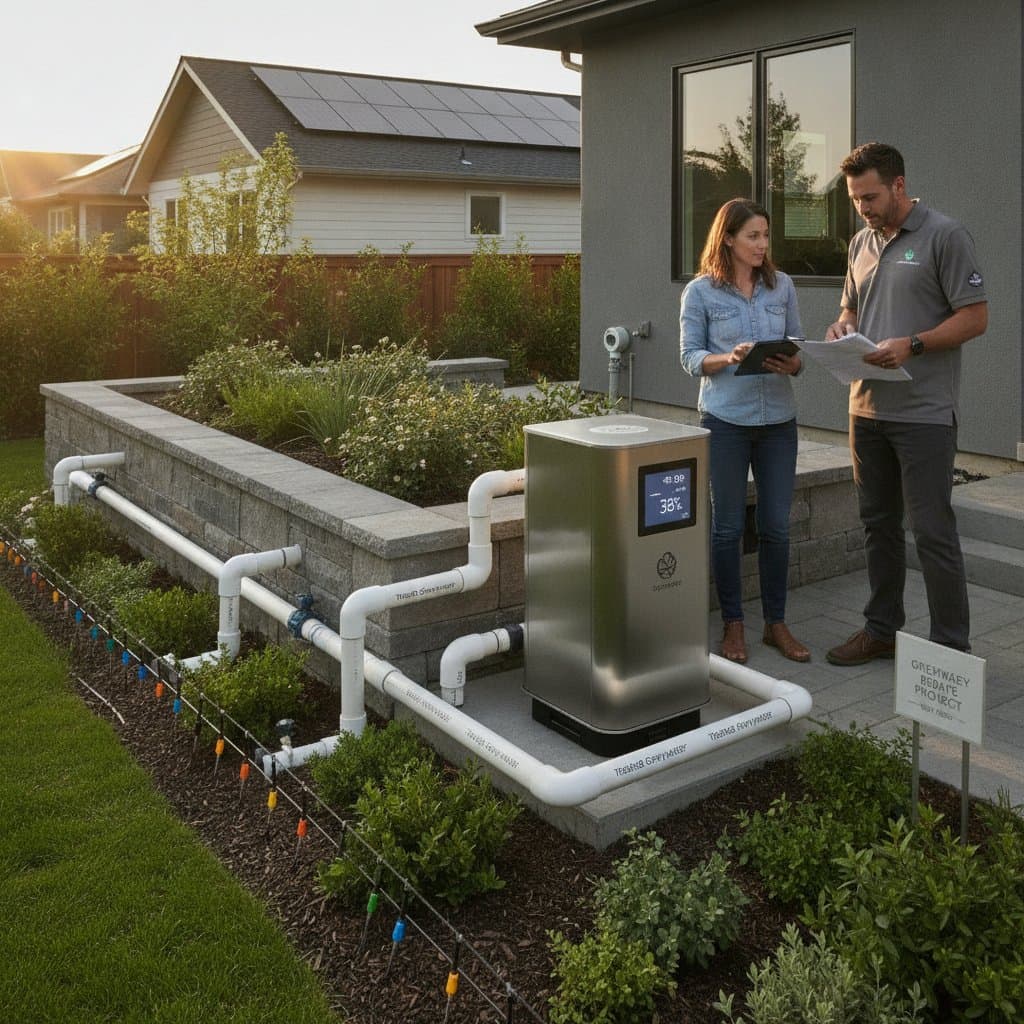
Greywater systems average 4800 dollars to install and cut outdoor water use by up to 40 percent. Explore costs, rebates, and practical steps for efficient water reuse.
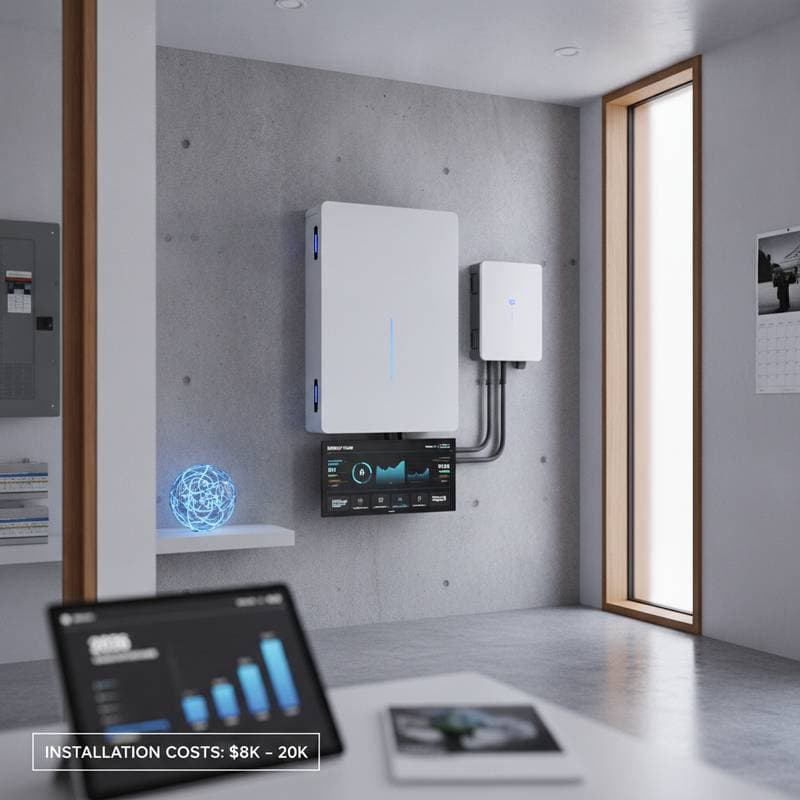
Home battery backup systems deliver reliable power during outages. 2026 installation costs average $13,500 and range from $8,000 to $20,000 depending on capacity, complexity, and solar integration. Professional installation supports safety and long term performance while timing, multiple quotes, and site preparation help control expenses.
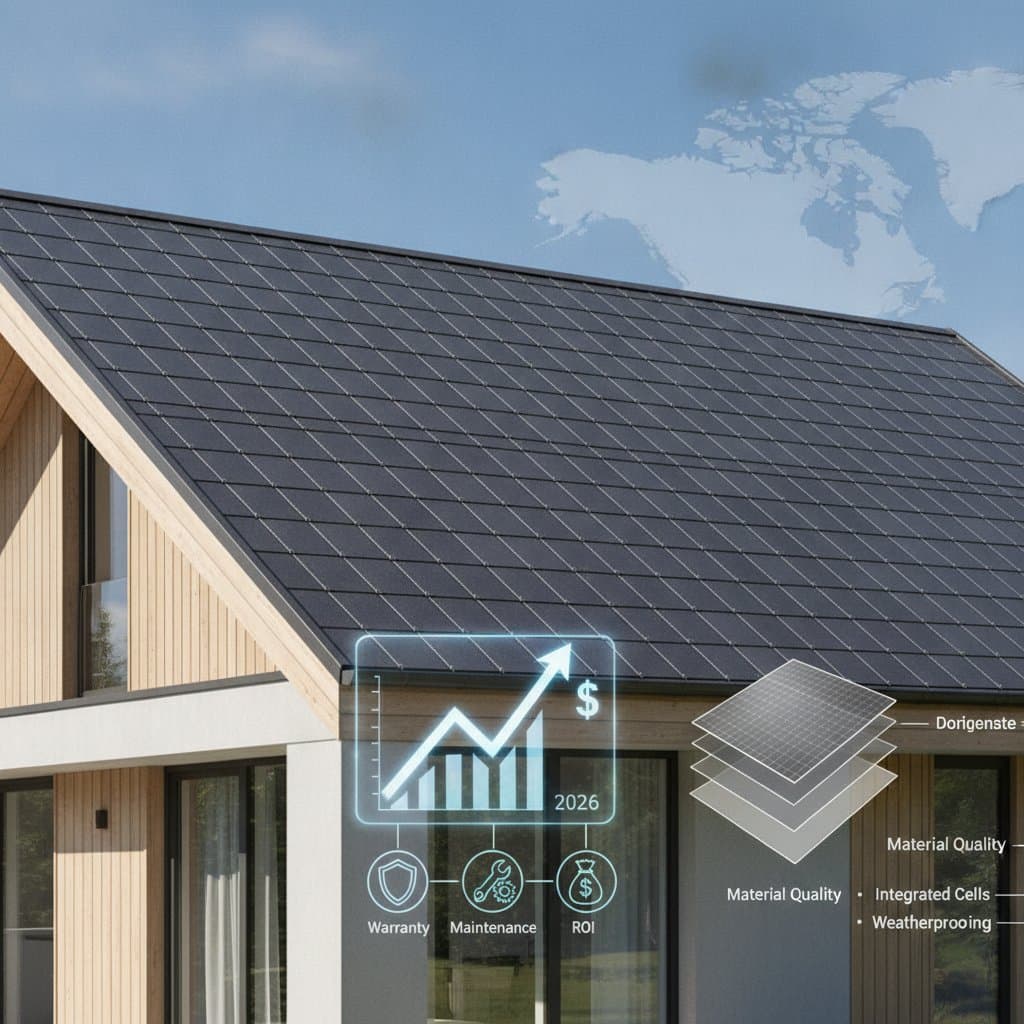
Learn what influences solar roof pricing in 2026, from materials to labor, and how warranties safeguard your investment. This guide covers averages, components, savings strategies, and long-term benefits for homeowners.
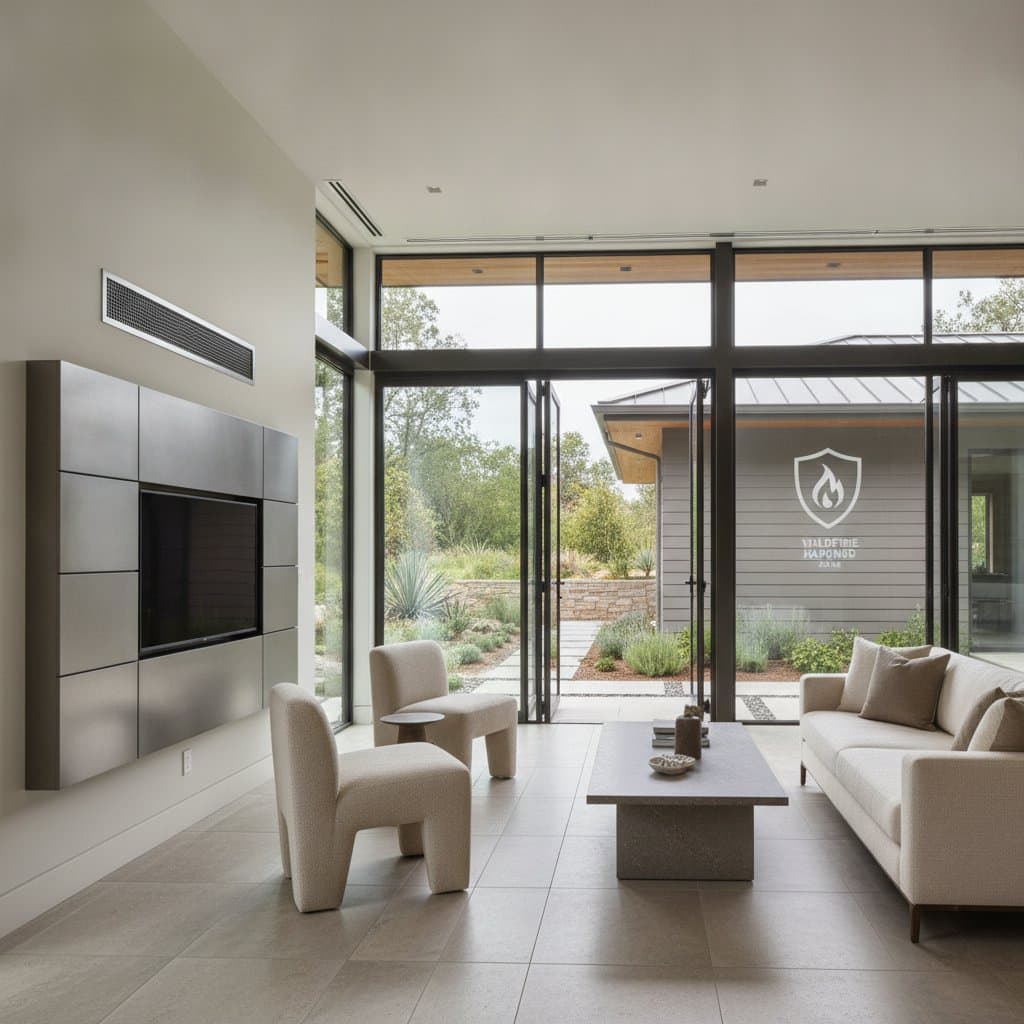
Review what it takes to protect a home from wildfire risk in 2026. This guide presents cost ranges, insurance incentives, and practical steps for fire-resistant roofs, vents, siding, and defensible space.
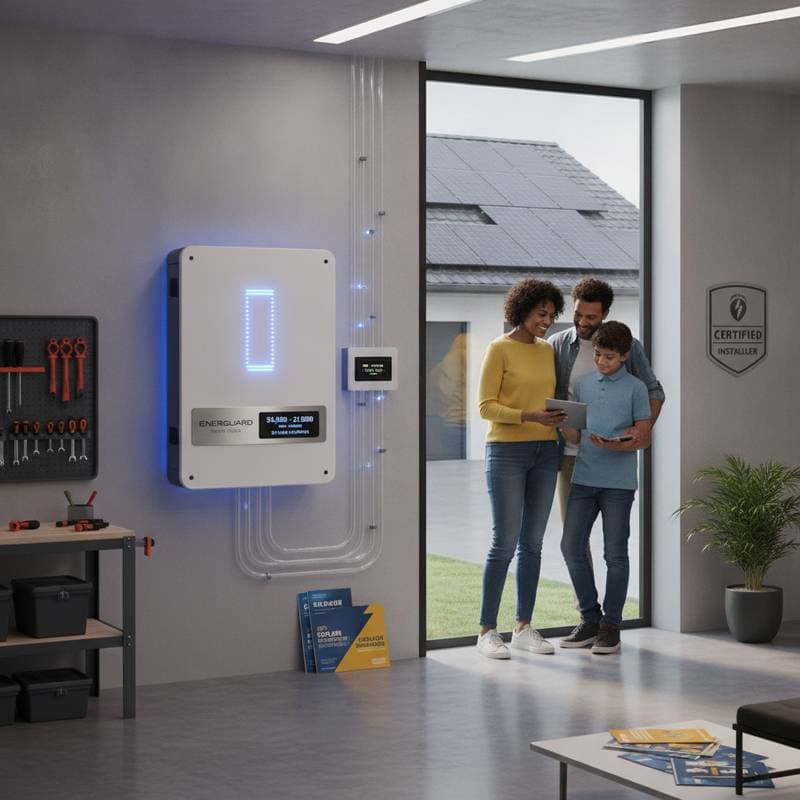
Learn what drives 2026 solar battery prices and why storage supports energy independence. This guide details actual installation costs, lifespan expectations, and professional installation considerations for homeowners.
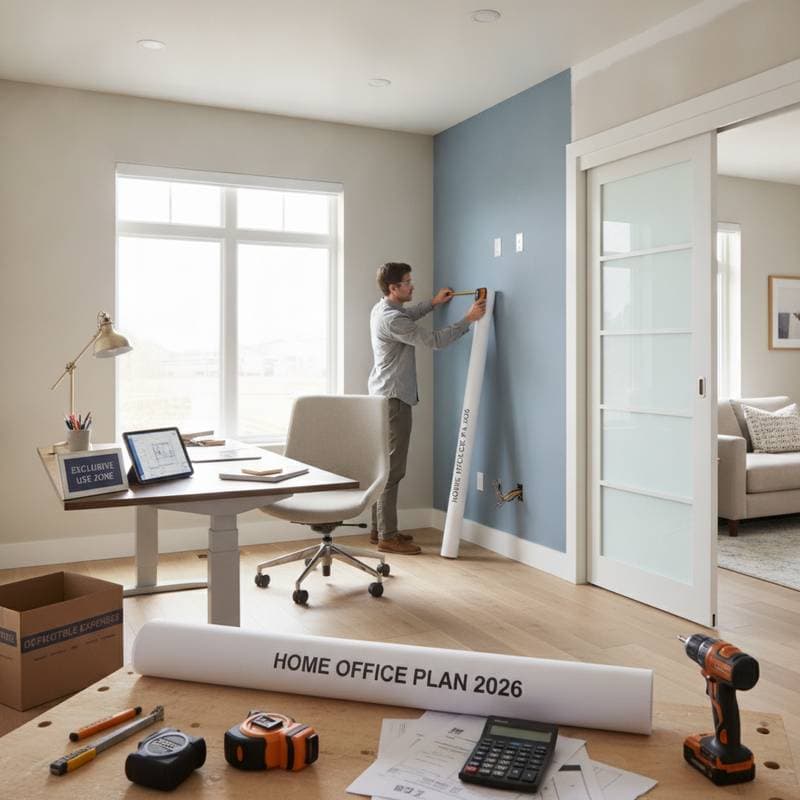
Learn how to turn a home renovation into a tax-smart investment. This guide explains which home office conversion costs qualify for deductions, how to document expenses, and when to hire professionals.
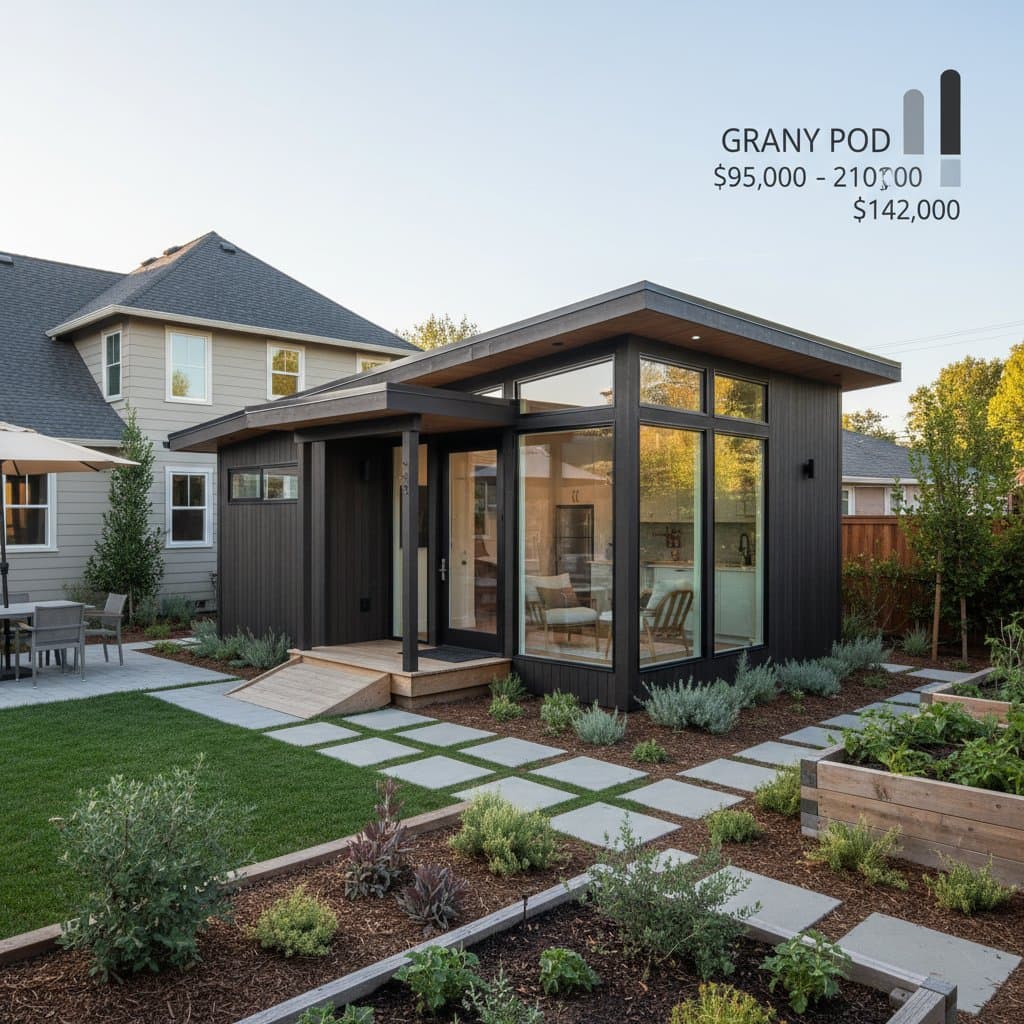
Building a granny pod in 2026 averages $142,000, with prices typically ranging from $95,000 to $210,000 based on size, materials, and site conditions. This guide details expenses, timelines, and cost control methods for functional backyard ADUs.
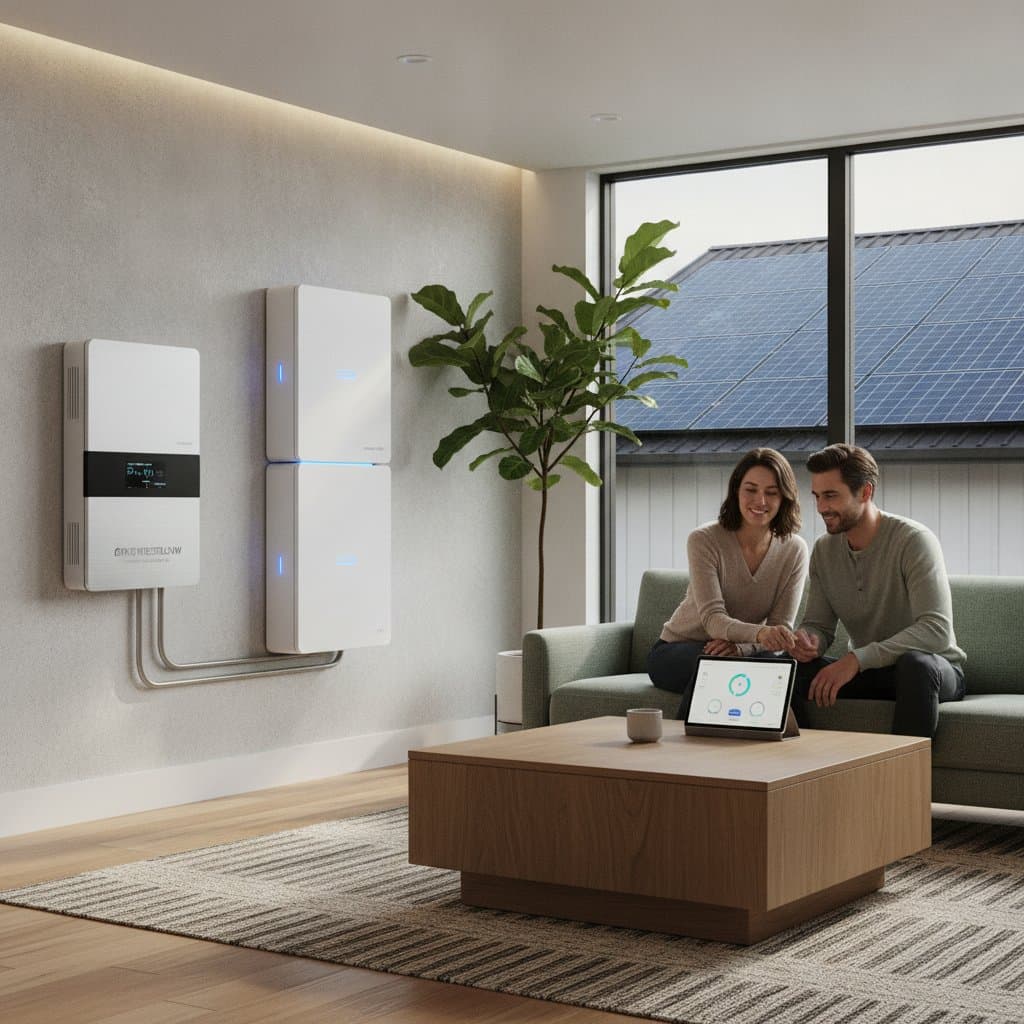
Home battery installations in 2026 average $13,200, with costs shaped by capacity, labor, and regional factors. Professional setup is essential for safety and warranties. Smart planning can cut expenses while boosting ROI, resilience, and long-term energy independence.
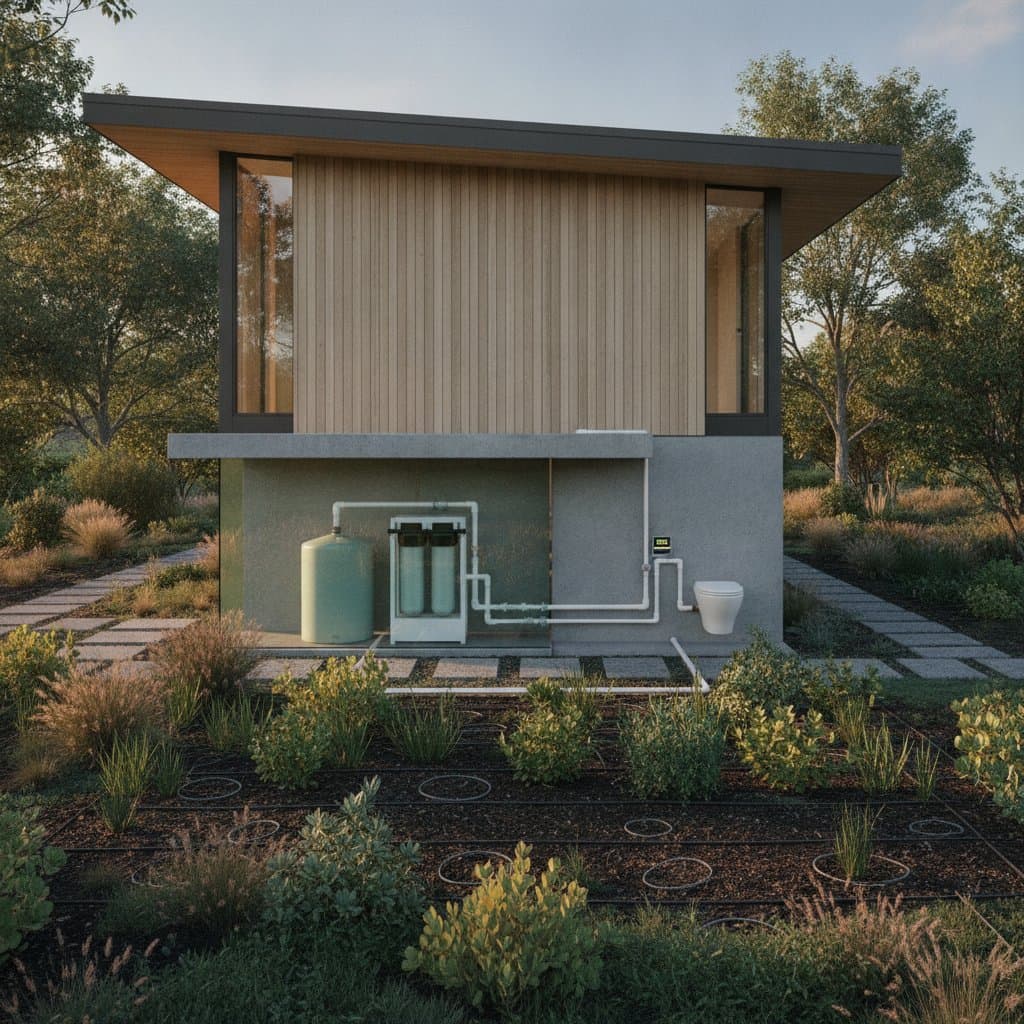
Greywater systems recycle water from sinks, showers, and laundry for irrigation or toilets. Installation averages 2500 to 9000 dollars. With proper design, maintenance, and code compliance they deliver sustainable savings and long term resilience.
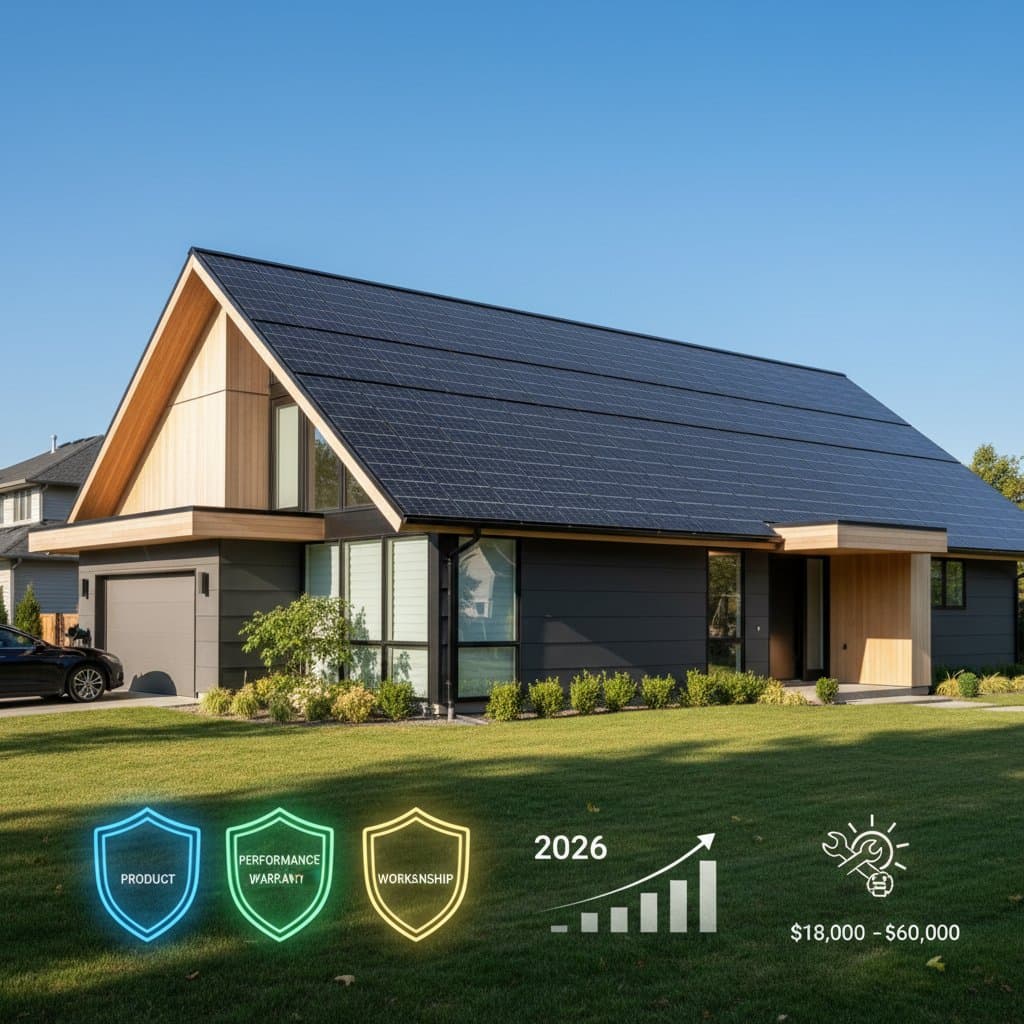
Learn the factors that determine solar roof prices in 2026, how warranties cover performance and leaks, and the steps required for a successful installation by certified professionals.
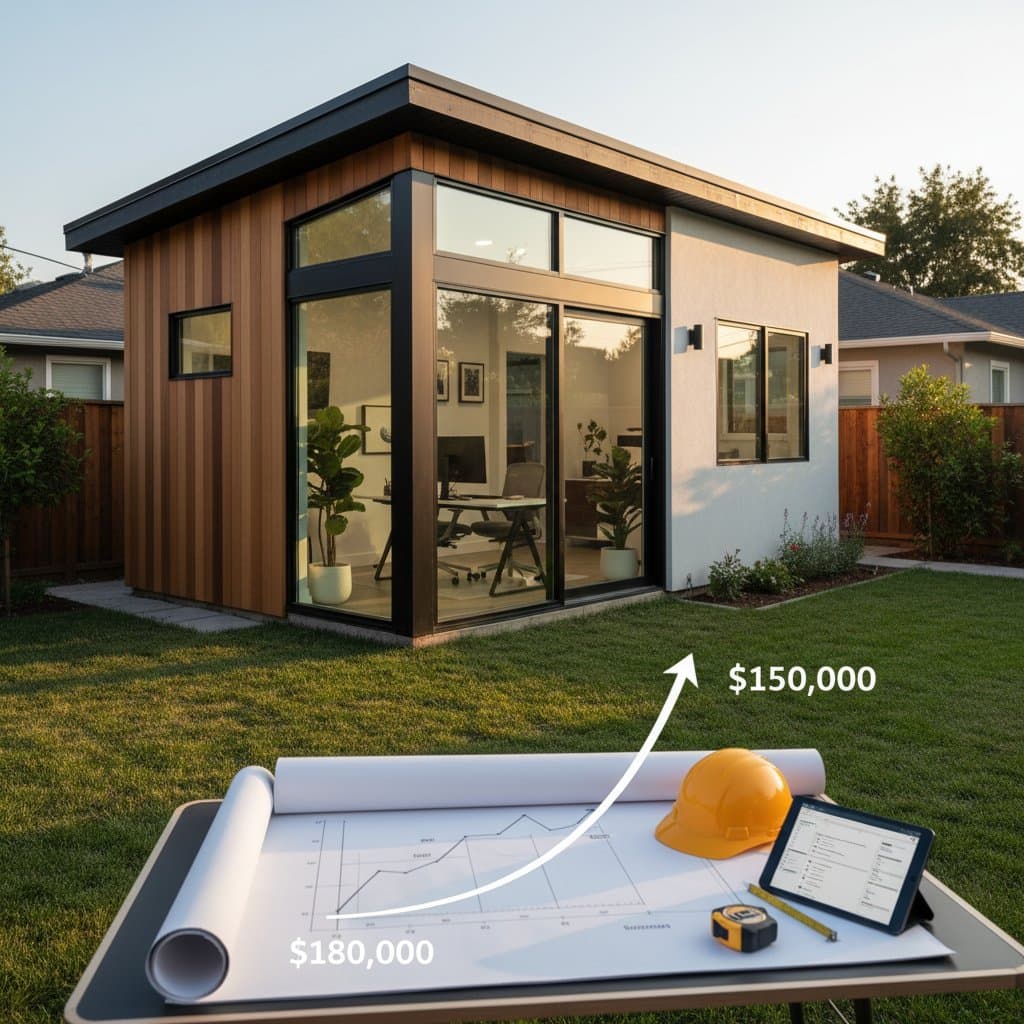
Building a backyard ADU in 2026 will likely cost between $180,000 and $350,000 depending on design, size, and site conditions. This guide breaks down cost drivers, savings strategies, timelines, and maintenance tips to help homeowners plan smarter and maximize value.
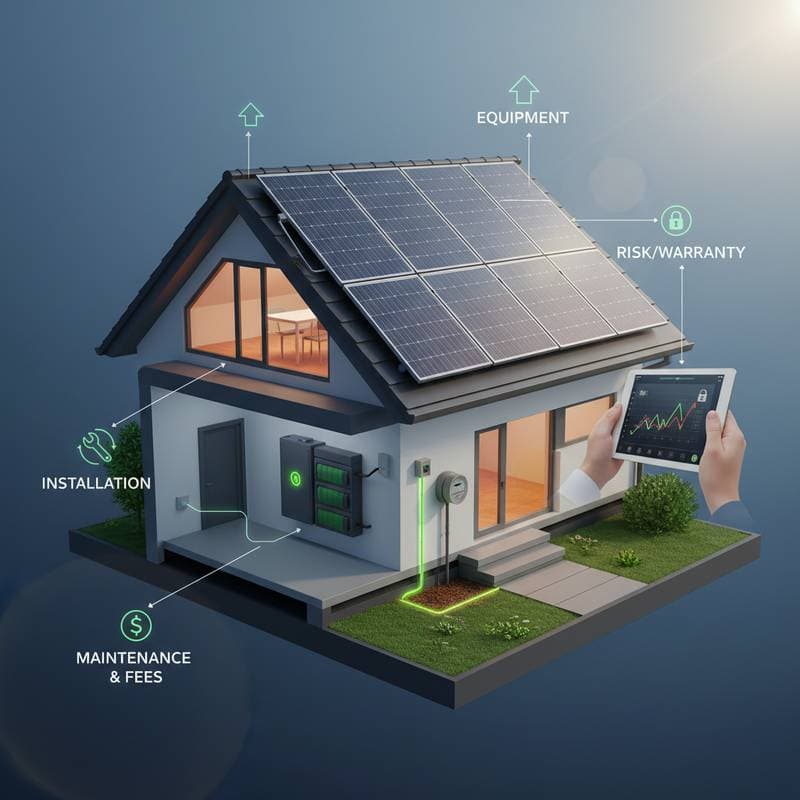
A detailed review of solar and battery system pricing shows how equipment, labor, permits, and ongoing service shape long term savings. Homeowners gain practical steps to evaluate quotes, avoid contract pitfalls, and protect their investment.
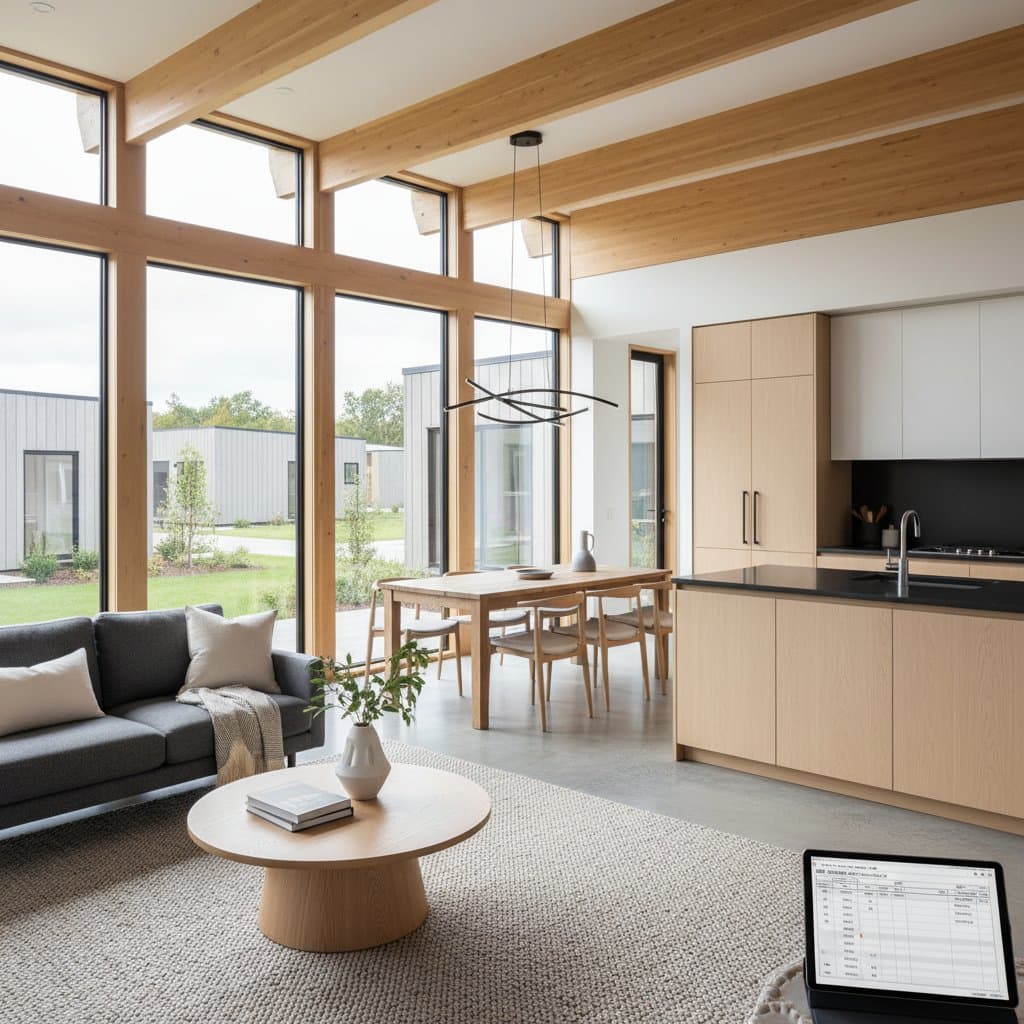
Modular homes combine factory efficiency with site built quality. Learn current per square foot costs, the full construction timeline, and practical steps to control expenses in 2026.
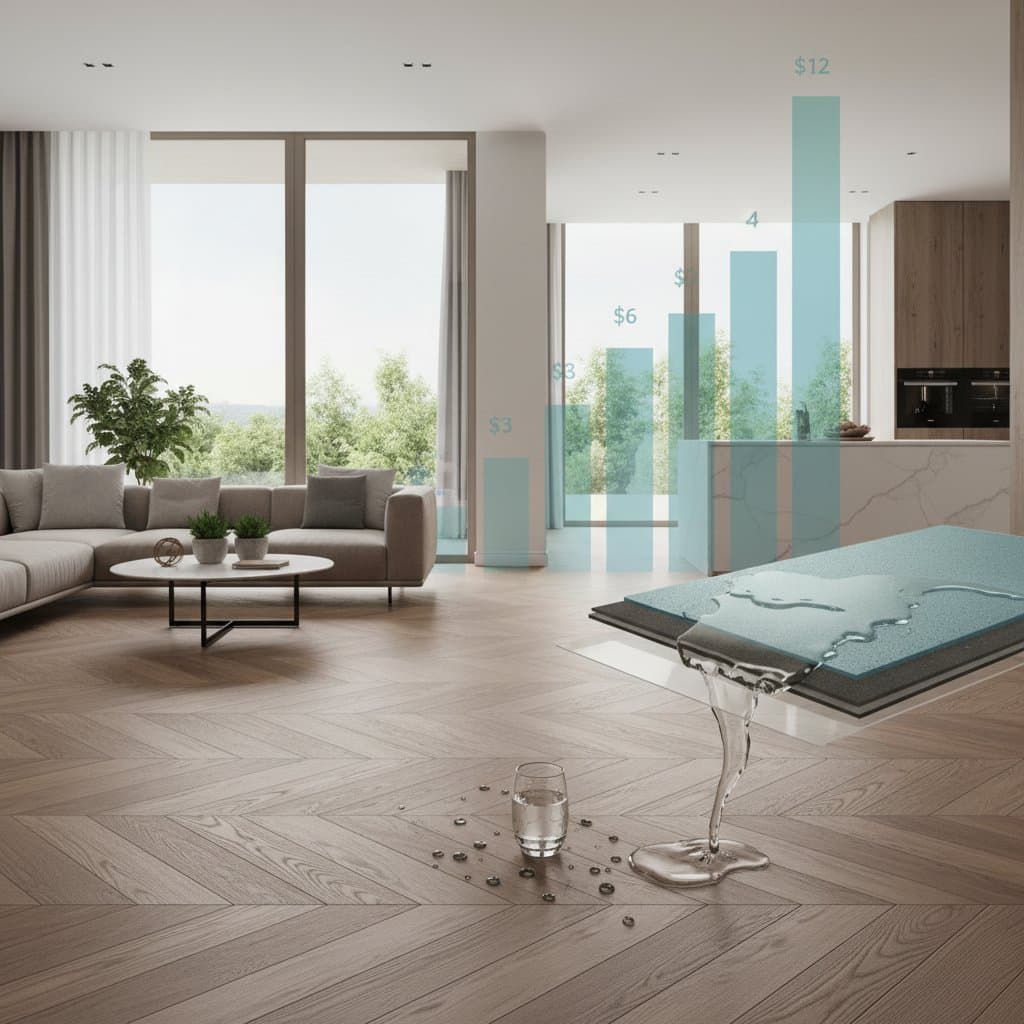
Waterproof flooring costs between $3 and $12 per square foot, balancing durability, comfort, and moisture protection. Material type, installation complexity, and project size drive pricing. With potential long-term savings and higher resale value, investing in professional installation ensures resilient, low-maintenance floors that safeguard homes against costly water damage for decades.
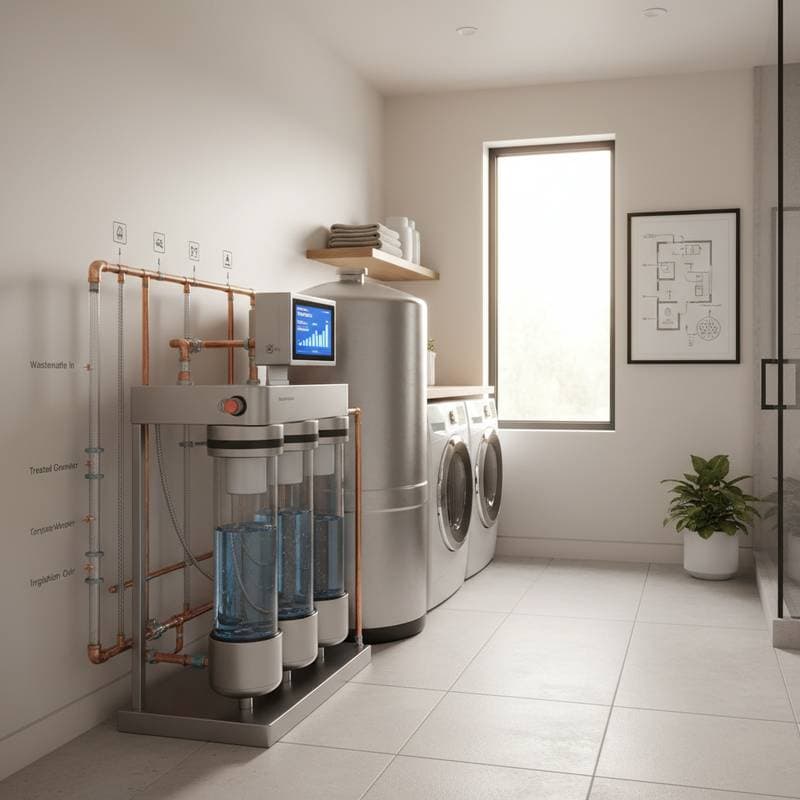
Home greywater systems recycle household water for reuse at a cost of $2,800 to $9,500. Professional installation improves efficiency, compliance, and property value while DIY options carry added risk.
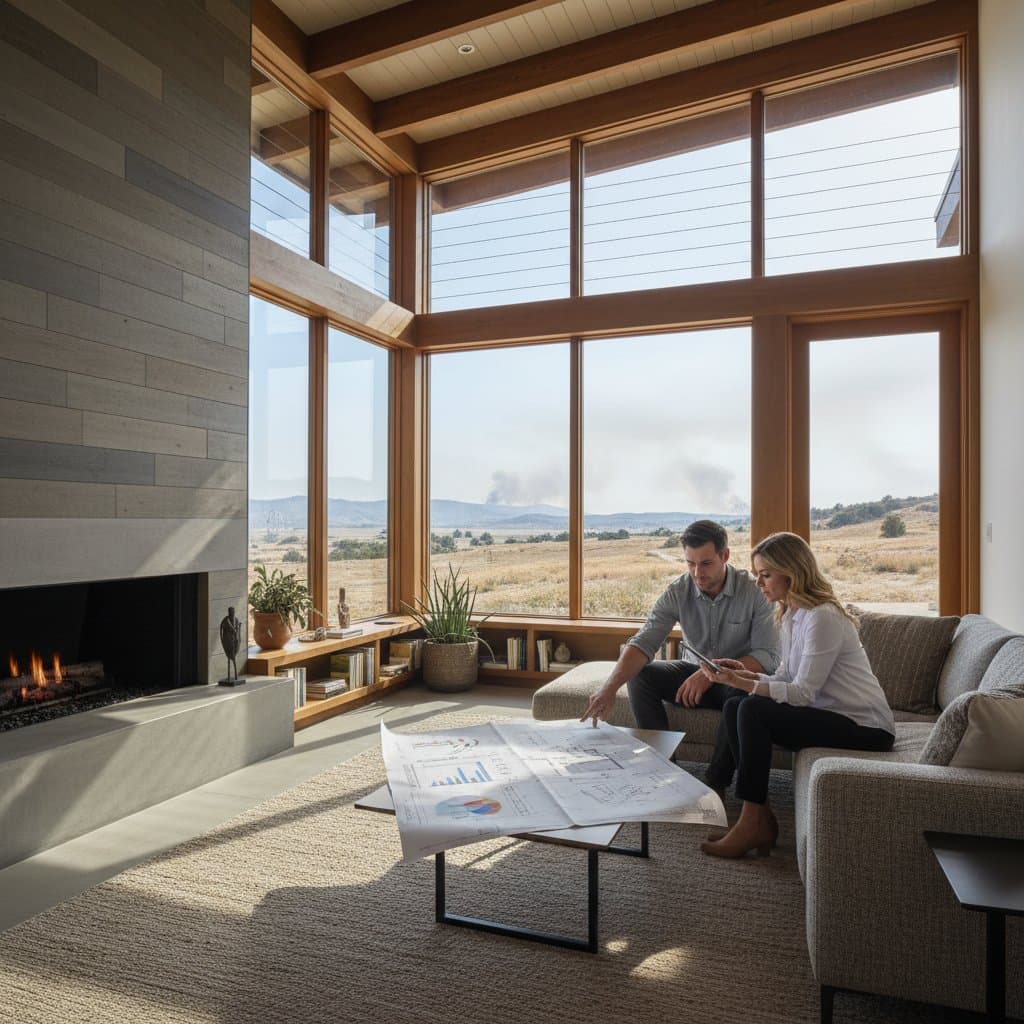
Home hardening upgrades reduce ignition risk through targeted improvements to roofing, siding, vents, and landscaping. Costs vary by region and material, yet documented savings in insurance and repairs often offset the investment when projects follow verified standards.
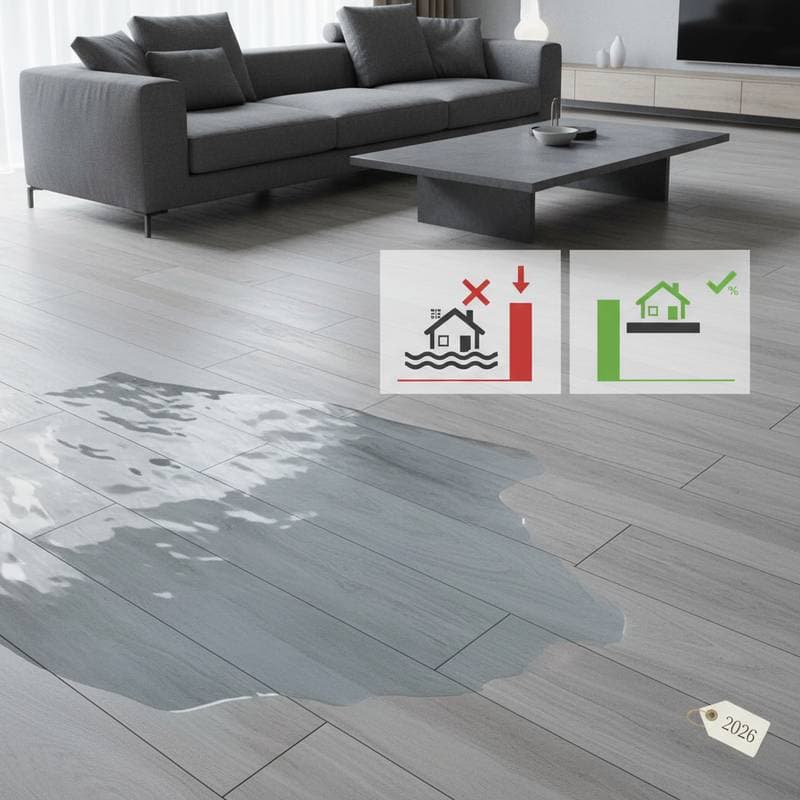
Flood-resistant flooring costs $7 to $28 per square foot installed. Professional systems cut long-term water damage repair expenses by up to 45 percent while adding durability and home value.
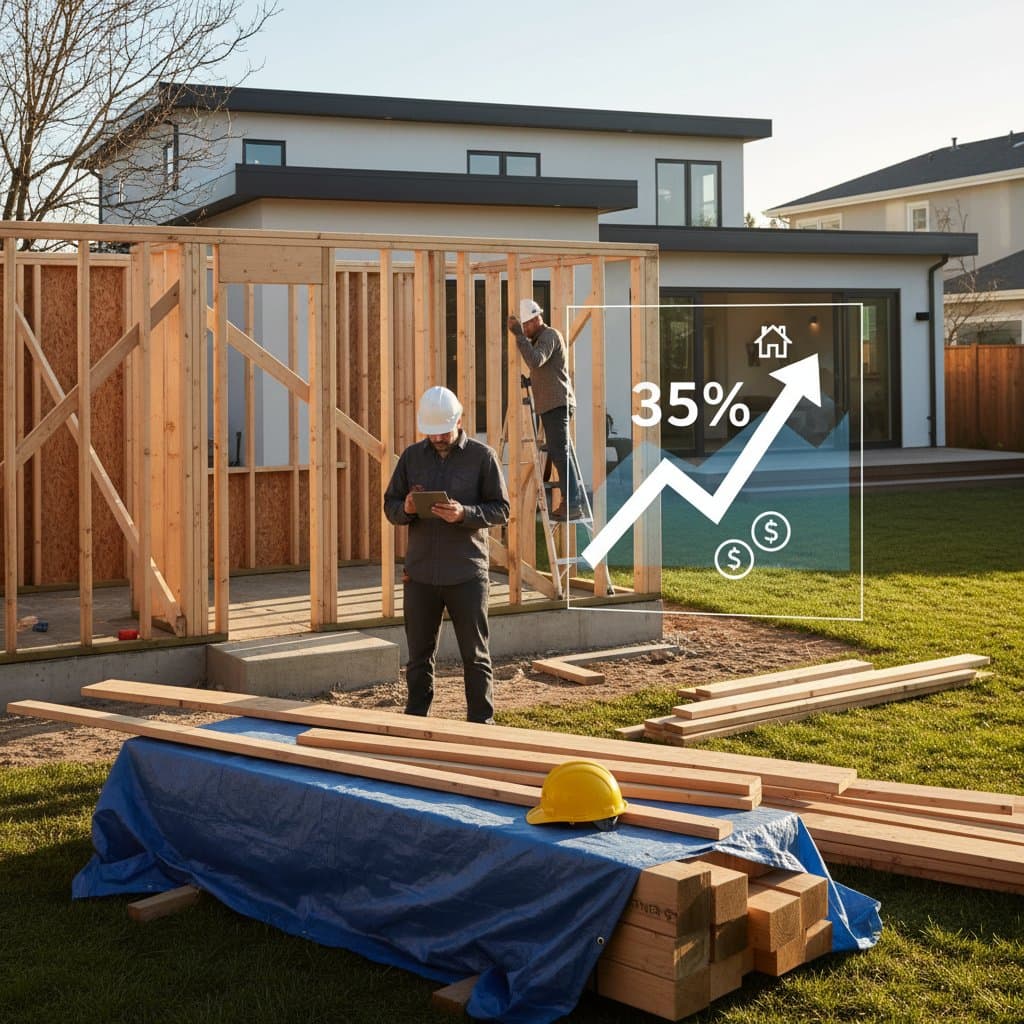
Granny flat construction costs have surged 35 percent due to material inflation, labor shortages, and stricter codes. Builders now face higher budgets, longer timelines, and tighter margins. This guide breaks down cost drivers, ADU types, timelines, and practical strategies to control expenses while maintaining quality and long-term property value.