AI-Monitored Systems: Warranty Coverage Facts
Smart home monitoring is changing how warranties work. When artificial intelligence tracks system performance, warranty decisions depend on digital data rather than guesswork. Knowing what that means before purchase protects an investment and peace of mind.
Summary Box
- What it is: A warranty that includes or relies on AI-powered monitoring data to verify performance and service conditions.
- Why it matters: AI logs how a system runs, proving maintenance history and detecting misuse.
- Typical cost and what changes it: 75 to 300 dollars yearly for monitoring, plus standard warranty coverage. Higher costs apply for whole-home systems.
- When to hire a pro: Anytime wiring, integration, or network setup is involved.
- How long it takes: Setup takes one to two hours for most systems. Claims review can take a few days.
- Maintenance interval: Update software every few months. Review sensor calibration annually.
How It Works
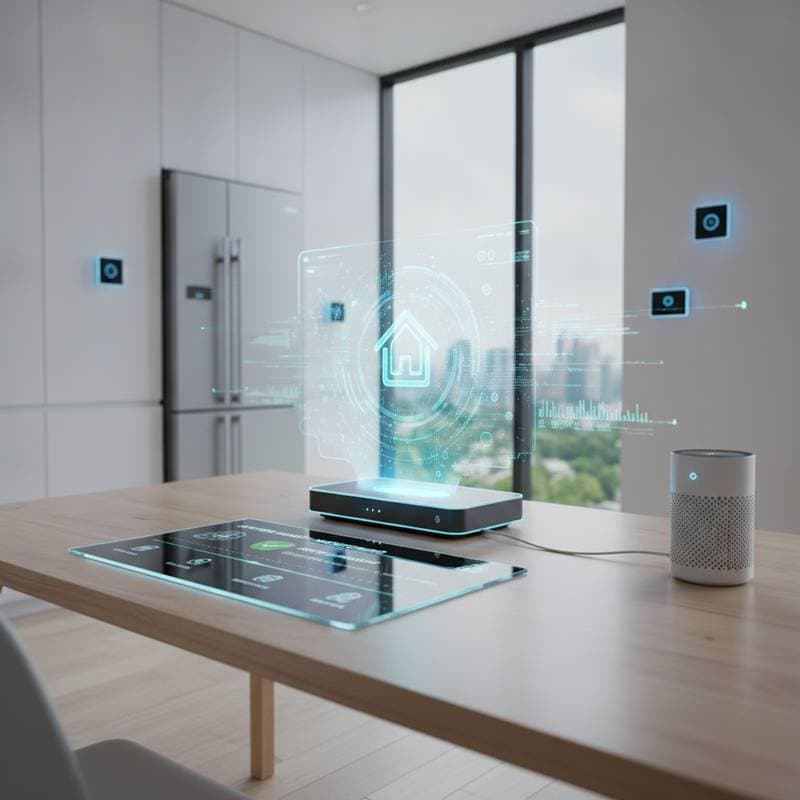
These systems combine three parts. Sensors record temperature, current, or movement. A control hub collects and sends data to a secure cloud. An AI platform interprets the patterns and flags anomalies.
When something operates outside the normal range, the system alerts the user or the service provider. The alert log becomes evidence for warranty coverage. If the AI shows the system was used within limits and maintained correctly, most manufacturers honor the claim faster.
Step-by-Step: Setting Up and Using AI Monitoring
- Select a compatible hub. Match it to brand warranty terms.
- Install sensors. Mount temperature or vibration sensors on key components.
- Connect to Wi-Fi. A stable connection ensures continuous data flow.
- Activate the app. Link the system to an account and verify device IDs.
- Review alerts. Set thresholds based on manufacturer specifications.
- Export logs. Keep digital records for warranty and service calls.
DIY vs Pro
| Category | DIY | Pro Install |
|---|---|---|
| Skill level | Intermediate tech comfort | Licensed low-voltage or HVAC technician |
| Safety risk | Low for plug-in sensors | Moderate for wired power connections |
| Tools required | Smartphone, screwdriver, ladder | Electrical tools, network tester |
| Permit or code | Usually none | May apply for whole-home integration |
| Time required | One to two hours | Two to four hours |
| Warranty impact | Limited if miswired | Fully protected if installed by authorized pro |
DIY can work for small systems. Manufacturer warranties often require certified installation for full coverage.
Maintenance and Lifespan
Most AI sensors last five to ten years with regular cleaning. Replace batteries annually. Cloud-based software updates keep algorithms accurate. If the system loses internet connection for long periods, warranty logs may show gaps that can delay claims.
FAQs
Do AI-monitored systems void my existing warranty?
No, but using unapproved sensors can. Always confirm brand compatibility.
Can the AI deny my claim?
It does not deny claims, but the data it provides influences the manufacturer decision.
Protecting Investments Through Continuous Insight
Consistent monitoring builds a reliable record that supports faster resolutions. Homeowners gain clarity on system behavior and reduce uncertainty during service events. Regular review of alerts and logs strengthens long-term coverage confidence.