AI-Powered HVAC Systems Introduce Complex Warranty Challenges
Artificial intelligence integration into heating, ventilation, and air conditioning systems promises enhanced efficiency and comfort. These smart devices learn from usage patterns to optimize performance, yet they introduce uncertainties in warranty coverage. Homeowners and businesses face potential gaps where traditional protections fall short against software malfunctions or data-related issues.
The Rise of Intelligent Climate Control
AI-driven HVAC units represent a significant advancement in building management. Sensors collect real-time data on temperature, humidity, and occupancy to adjust operations dynamically. Manufacturers like those producing connected thermostats and self-diagnosing units claim reduced energy costs and prolonged equipment life.
This technology relies on machine learning algorithms that evolve over time. Initial setups involve cloud connectivity for firmware updates and predictive maintenance alerts. Such features elevate user experience but complicate accountability for system failures.
Traditional Warranties in a Digital Era
Standard HVAC warranties typically cover hardware defects for 5 to 10 years, focusing on mechanical components like compressors and coils. Coverage excludes misuse or improper installation, with clear terms on repair or replacement. These agreements assume static systems without ongoing software interventions.
AI introduces variables absent in conventional models. Performance hinges on accurate data inputs and secure networks, areas often beyond manufacturer control. When a system underperforms due to a flawed algorithm update, determining responsibility becomes contentious.
Emerging Gray Areas in Coverage
Software-driven issues form the core of warranty ambiguities. If an AI algorithm misinterprets sensor data, leading to inefficient cooling, does the warranty apply? Many policies limit coverage to tangible parts, leaving digital elements unprotected.
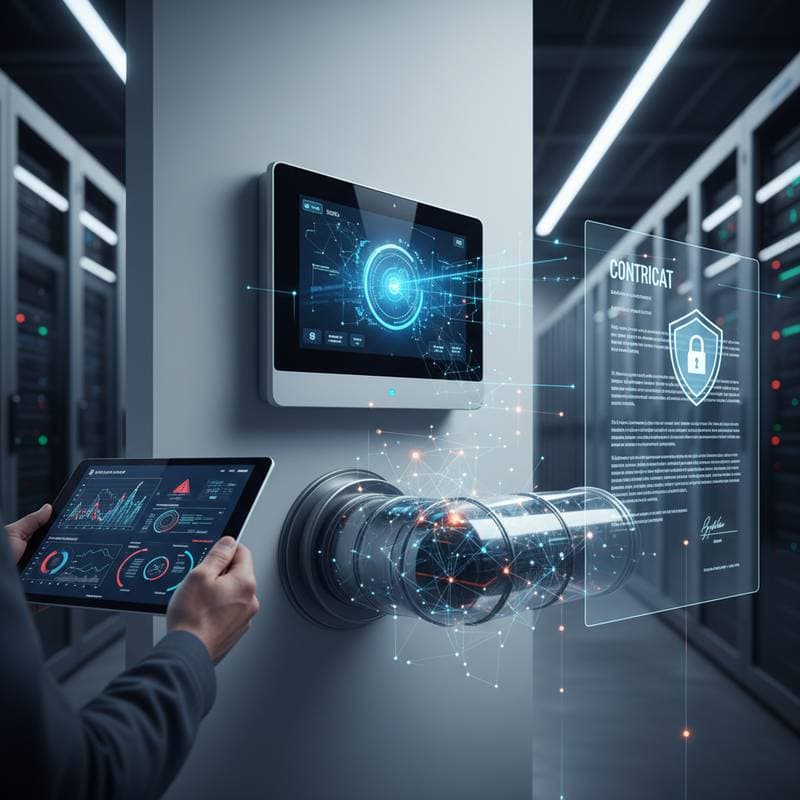
Data dependencies add another layer. Systems require consistent internet access for optimal function, yet connectivity failures might void claims. Cybersecurity risks loom large; a hack compromising the unit could cause physical damage, but warranties rarely address liability for external threats.
Regulatory shifts anticipated by 2026 may mandate clearer disclosures. Industry experts predict standards that classify AI components separately, potentially extending coverage to include remote diagnostics and updates. Until then, consumers navigate vague language in fine print.
Key Risks Highlighted by Recent Cases
Reports from early adopters reveal patterns in disputes. One instance involved a smart HVAC unit that overheated after a mandatory software patch, damaging ductwork. The manufacturer argued the issue stemmed from third-party network interference, denying the claim.
Another case centered on predictive failure alerts that proved inaccurate, resulting in unnecessary service calls. Warranty terms excluded consequential damages from erroneous AI predictions, leaving owners with out-of-pocket expenses. These examples underscore the need for explicit software guarantees.
Actionable Steps for Protection
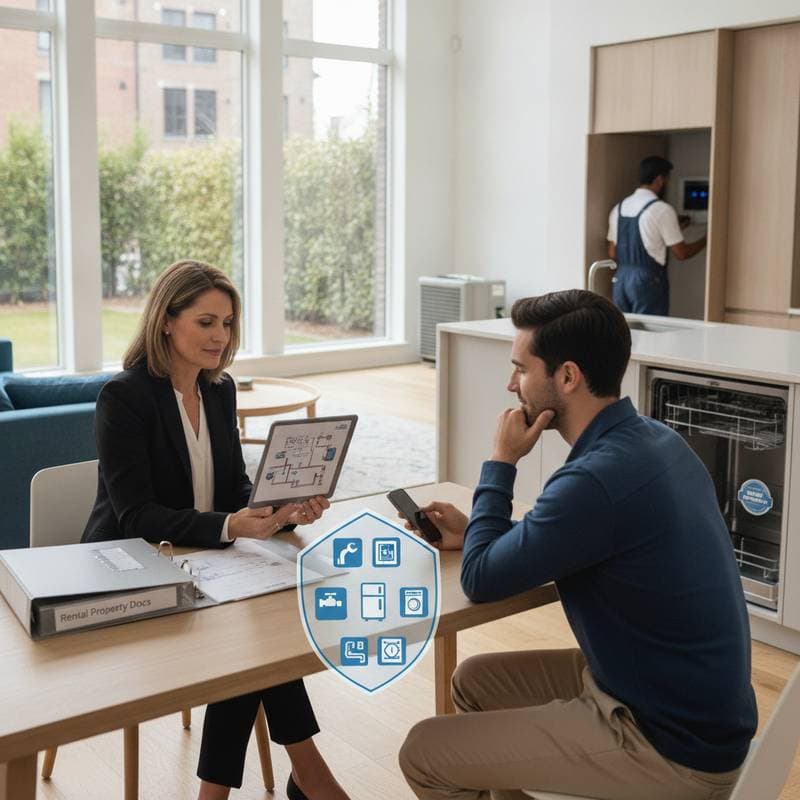
Review warranty documents thoroughly before purchase. Look for sections on software updates, data privacy, and cyber protections. Ensure coverage includes remote troubleshooting and algorithm reliability.
- Verify the duration of software support; some policies end updates after initial years, risking obsolescence.
- Confirm inclusion of cybersecurity features, such as encryption and breach response protocols.
- Seek extended warranties that bundle AI-specific riders for comprehensive safeguarding.
- Document system performance from installation, including logs of updates and alerts, to support future claims.
- Consult independent reviews or legal experts on policy interpretations to avoid surprises.
Integrate these practices into your buying process. Professional installation by certified technicians can further strengthen warranty validity.
Safeguarding Investments for Long-Term Comfort
Understanding these warranty nuances empowers informed decisions in adopting AI HVAC technology. Proactive measures mitigate risks while unlocking benefits like energy savings and automated maintenance. As the industry adapts, staying vigilant ensures reliable performance and peace of mind for years ahead.