Understanding Solar Panel Warranties in 2026: What They Cover and How to Protect Your Investment
Solar panel installations represent a commitment to sustainable energy and reduced utility costs over decades. Homeowners often overlook the warranty section in contracts, assuming uniform protection across all systems. In reality, 2026 warranties exhibit substantial variation in scope and duration, influenced by manufacturers and installers. A thorough understanding of these terms equips individuals to mitigate risks, anticipate maintenance needs, and maximize the financial benefits of their solar setup.
Types of Solar Warranties Explained
Solar warranties fall into distinct categories, each addressing specific aspects of the system. Product warranties protect against manufacturing defects in panels, inverters, and mounting hardware, typically spanning 10 to 25 years. Performance warranties ensure panels maintain at least 80 to 90 percent of original output after 25 years, with linear degradation models specifying annual drops.
Workmanship warranties, provided by installers, cover installation errors such as faulty wiring or improper mounting for 5 to 12 years. Inverter warranties focus on the power conversion component, often limited to 10 to 15 years due to technological advancements. Integrated system warranties, emerging in 2026, bundle these elements under a single provider for simplified claims.
Essential Factors Influencing Warranty Value
Several elements determine the effectiveness of a solar warranty beyond its stated duration. Transferability allows coverage to pass to new owners upon home sale, provided notification occurs within 30 to 60 days. Coverage lengths vary: panels often receive 25-year terms, while inverters may warrant only 12 years.
Distinguish between installer and manufacturer responsibilities; the former addresses labor and site-specific issues, the latter handles equipment failures. Exclusions commonly include damage from extreme weather, animal interference, or unapproved modifications. Output guarantees specify measurable benchmarks, such as 92 percent efficiency at year 5 and 80 percent at year 25, verified through production data.
The claim process requires serial numbers, purchase receipts, and performance logs. Contact the installer initially for workmanship issues or the manufacturer for product defects. Documentation, including timestamped photos, strengthens claims and prevents denials based on alleged neglect.
Benefits and Drawbacks of Extended Coverage
Extended warranties provide comprehensive protection for systems expected to operate over 20 years. They often encompass labor costs for repairs or replacements, easing financial burdens during downtime. Transferable options enhance home resale appeal by demonstrating ongoing system reliability.
However, these add-ons increase upfront expenses, potentially exceeding 10 percent of installation costs. Overlap with standard manufacturer terms may render them redundant for short-term owners. Multi-party involvement can delay resolutions, extending repair timelines to several weeks.
Evaluate installer reputation through reviews and certifications before purchasing extensions. Long-term residents in stable climates derive the most value, as frequent moves diminish the return on investment.
Evolving Warranty Features in 2026
Transparency defines 2026 solar warranties, with standardized language clarifying degradation rates and claim triggers. Performance metrics now include precise thresholds, such as no more than 0.5 percent annual output loss. Labor inclusion varies; premium plans cover full replacement costs, while basic ones limit to parts only.
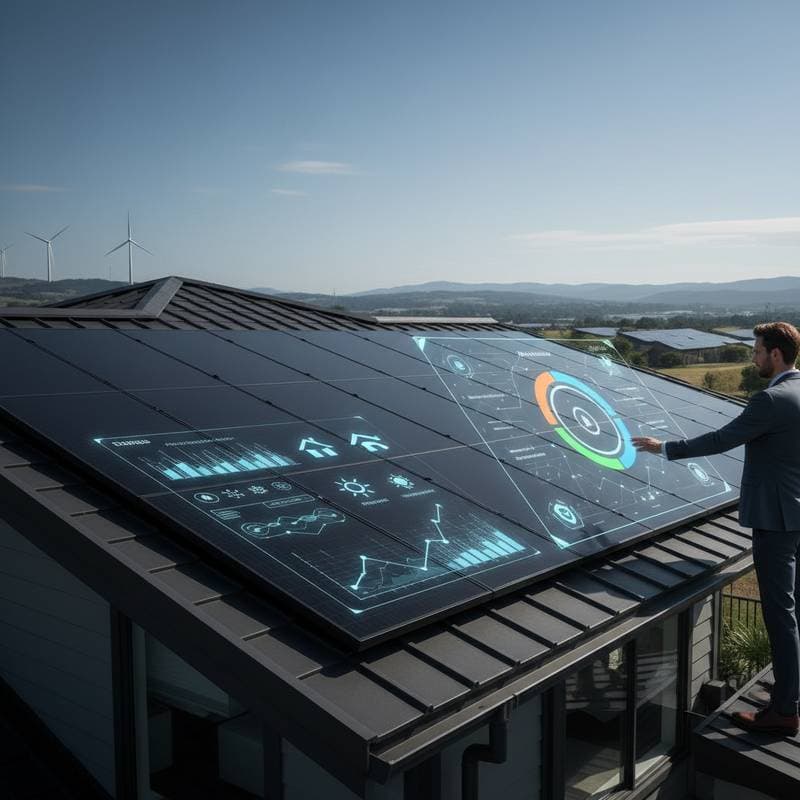
Integrated warranties streamline accountability by designating one entity for panels, inverters, and racking. Smart monitoring tools, integrated via apps, track real-time performance and alert users to anomalies. These systems generate automated reports that validate maintenance efforts, bolstering claim approvals.
Climate resilience emerges as a priority, with warranties specifying tolerances for temperatures exceeding 85 degrees Fahrenheit or humidity above 85 percent. Extreme weather add-ons, though optional, address hail impacts up to 1-inch diameter or wind speeds to 90 miles per hour.
Regional Adaptations for Optimal Coverage
Local conditions necessitate tailored warranty selections to ensure system longevity. In arid regions, seek panels tested for thermal cycling, as heat above 100 degrees Fahrenheit accelerates degradation by 20 percent over standard conditions. Warranties should confirm micro-inverter protections against dust accumulation.
Snowy climates demand mounts engineered for 50 pounds per square foot loads, with warranties excluding only catastrophic avalanches. Coastal installations require corrosion-resistant materials; inquire about warranties covering salt spray exposure for wiring and frames.
Hurricane zones benefit from reinforced racking systems rated for 140-mile-per-hour winds. Standard policies exclude acts of nature, so pair warranties with specialized insurance riders for comprehensive protection. Utility-specific rules, such as interconnection standards, influence warranty enforceability in regulated areas.
Step-by-Step Guide to Warranty Management
Effective warranty oversight begins prior to installation. Compare proposals side-by-side, verifying start dates align with commissioning and transfer protocols include fee waivers. Document all agreements in writing, including escalation paths for disputes.
During setup, photograph components with serial numbers and secure invoices in a digital archive. Post-installation registration activates coverage; most manufacturers require online submission within 30 days. Annual inspections involve visual checks for cracks, bird droppings, or loose connections, using tools like drones for roof access.
Address issues promptly: notify the installer within 48 hours of detecting output drops exceeding 5 percent. Provide data logs from monitoring apps alongside physical evidence. For denied claims, appeal with third-party assessments from certified technicians.
Maintenance Tools and Practices
Routine upkeep preserves warranty validity and system efficiency. Employ a soft-bristle brush with deionized water to remove debris without scratching surfaces. Low-pressure hoses prevent seal damage; avoid high-velocity sprays that could dislodge mounts.
Essential items include telescoping poles for reach, pH-neutral detergents, and non-abrasive cloths for drying. Stable ladders with harnesses ensure safe access during biannual cleanings. Maintain a centralized file for warranties, service records, and georeferenced panel images.
Professional audits every three years detect subtle issues like PID (potential induced degradation). These practices not only comply with warranty stipulations but also sustain 95 percent efficiency throughout the system's life.
Frequently Asked Questions
What distinguishes product from performance warranties?
Product warranties address material flaws or assembly errors, replacing defective units at no cost. Performance warranties assure sustained energy production, compensating for shortfalls below guaranteed levels through repairs or rebates.
Do standard homeowner policies extend to solar installations?
Roof-integrated panels qualify as structural improvements under dwelling coverage. Separate riders may apply to freestanding arrays; review policy limits for replacement value versus actual cash value settlements.
Which actions invalidate solar warranties?
Modifications without prior approval, such as roof repairs or tree planting that introduces shading, trigger voids. Harsh chemicals in cleaning or DIY electrical work also compromise coverage; consult providers before alterations.
What steps follow in filing a claim?
Submit details to the installer, including proof of ownership and issue diagnostics. Expect site visits for verification; resolutions typically occur within 30 to 90 days, depending on part availability.
Is warranty transfer feasible upon property sale?
Most allow single transfers with manufacturer notification and possible inspections. Fees range from zero to 200 dollars; confirm proration of remaining terms in contracts.
Securing Long-Term Solar Benefits
Integrate warranty details into your overall solar strategy from the outset. Request customized comparisons highlighting labor inclusions and exclusion clarifications during vendor negotiations. Prioritize providers with responsive support and proven claim success rates.
A robust, well-maintained warranty framework minimizes repair expenditures and upholds energy independence. Homeowners who actively manage these protections realize sustained savings and elevated property values. Embrace 2026 advancements to ensure your solar investment delivers reliable, worry-free performance for generations.