AI Home Coverage: What's Included in 2026
Smart homes extend beyond basic convenience. They deliver predictive protection, automatic diagnostics, and real-time maintenance scheduling. AI home coverage integrates sensors, data analytics, and service connections to maintain major systems at peak efficiency. Homeowners seek details on coverage components, pricing, and return on investment.
Summary Box
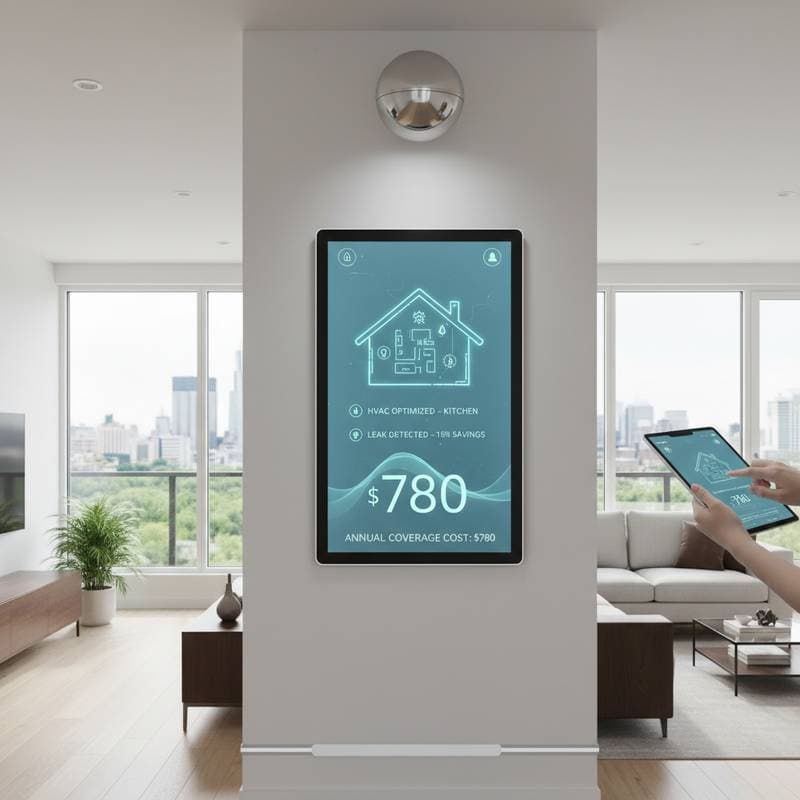
National average cost: $780 per year
Typical range: $480 to $1,200 per year
Low end and high end: $300 for basic monitoring, $2,000 for full system integration
Time to complete setup: 4 to 8 hours
DIY or Pro: Pro recommended for calibration and network security
ROI or resale impact: Moderate. Buyers value automated maintenance and energy tracking
Updated: June
Cost Breakdown
| Item | Unit cost | Typical quantity | Line total | Notes |
|---|---|---|---|---|
| Smart sensors (HVAC, plumbing, electrical) | $30 to $80 each | 10 to 15 | $300 to $1,200 | Monitors temperature, flow, and load |
| Central AI hub or controller | $250 to $600 | 1 | $250 to $600 | Coordinates data and alerts |
| Subscription service | $25 to $60 per month | 12 months | $300 to $720 | Includes cloud processing and notifications |
| Installation labor | $75 to $125 per hour | 4 to 8 hours | $300 to $1,000 | Networking and calibration |
| Add-ons (appliance tracking, solar monitoring) | $100 to $400 each | 1 to 3 | $100 to $1,200 | Optional modules |
| Permit or inspection fee | $0 to $150 | 1 | $0 to $150 | Local code dependent |
| Disposal or old system removal | $0 to $100 | 1 | $0 to $100 | If replacing existing hardware |
Typical total: $700 to $1,800 for installation and first-year subscription
Cost Factors
Multiple variables influence the price of AI home coverage.
Larger homes require additional sensors and gateways to cover extensive areas. Premium sensors with extended warranties command higher prices, yet they minimize false alerts and enhance reliability. Challenging site conditions, such as outdated wiring or confined access points, increase labor demands.
Local labor markets and seasonal demand also play a role. Installers often see higher rates during peak periods, like winter upgrades for HVAC systems. Custom integrations, including solar panels, electric vehicle chargers, or radiant heating, introduce added complexity and expense.
DIY vs Pro
Experienced individuals can handle basic installations of plug-and-play sensors and connect them to a central hub. This process involves device pairing, mobile dashboard configuration, and cloud linkage verification. Success demands familiarity with Wi-Fi networks and app navigation.
Professionals handle advanced tasks like electrical connections, circuit monitoring, or plumbing integrations with valves. They prioritize safety, network protection, and adherence to building codes. Faulty wiring or misplaced sensors risk warranty invalidation and frequent false alarms.
Safety warning: Refrain from accessing electrical panels or modifying wires without a licensed electrician. Do not install sensors on pressurized plumbing lines without knowledge of proper shutoff methods.
How To Save Without Regret
Strategic planning allows cost control while securing dependable coverage.
Coordinate AI setup with larger projects, such as HVAC replacements or water heater installations, to share labor expenses. Opt for modular systems that begin with essentials like HVAC and leak detection, allowing phased expansions. Seek discounts from technicians during off-peak seasons when demand dips.
Obtain quotes from at least three providers to ensure competitive pricing.
Quote Comparison Checklist:
- Scope itemized in detail
- Materials grade and brand specified
- Surface preparation and cleanup covered
- Permit and disposal fees included
- Warranty terms and duration outlined
- Payment schedule aligned with project milestones
Evaluate subscription options carefully. Certain providers offer predictive alerts at base rates, avoiding premium add-ons.
Steer clear of skimping on calibration. Inaccurate sensors produce erroneous data, prompting avoidable service visits and higher long-term costs.
What AI Home Coverage Includes
AI home coverage monitors systems continuously, forecasts potential issues, and facilitates service connections. Standard features encompass:
- HVAC performance monitoring: Identifies reduced airflow, clogged filters, or refrigerant irregularities.
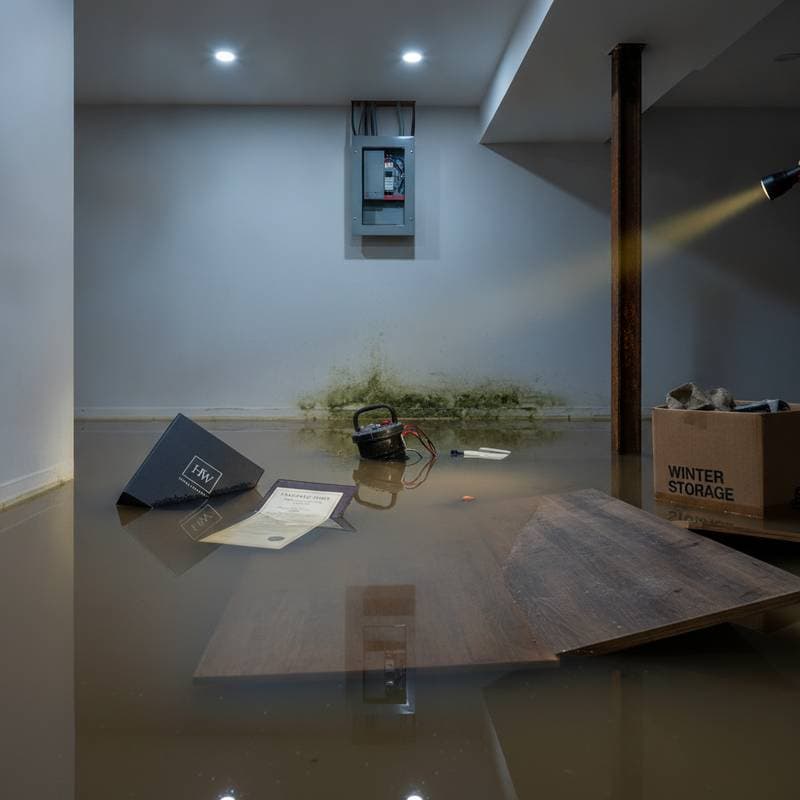
- Water leak and moisture tracking: Spots minor drips in pipes to prevent extensive water damage.
- Electrical load balance: Alerts to circuit overloads or appliance malfunctions.
- Appliance health: Anticipates maintenance for items like refrigerators, washers, and dishwashers.
- **Energy ** Recommends optimal operating schedules and highlights idle power consumption.
- Security and safety integration: Connects with smoke, carbon monoxide, and motion detectors for consolidated notifications.
Select plans dispatch diagnostics directly to vetted contractors. Alternatives provide data to your device for independent scheduling.
Step By Step: Setting Up AI Home Coverage
Tool list
- Smartphone or tablet
- Wi-Fi router with reliable signal
- Screwdrivers and mounting tape
- Ladder for elevated placements
- Safety gear: gloves, eye protection
Steps
- Plan sensor placement. Diagram critical areas including HVAC units, water lines, and electrical panels.
- Install the central hub close to the router for optimal signal reach throughout the property.
- Mount sensors following manufacturer guidelines on spacing. Position away from direct sunlight or high-vibration zones.
- Connect to the app. Register devices individually and assign labels by location or function.
- Run calibration tests. Simulate alerts to validate precision.
- Set alert preferences. Select delivery methods such as text, email, or in-app notices.
- Schedule periodic checks. Examine batteries and apply firmware updates biannually.
Pause and consult a professional if pairing issues arise or wiring adjustments prove necessary.
Timeline and Scheduling
Materials for standard sensors arrive in one to two weeks, while advanced components may take up to four weeks. Installation typically spans one full day, followed by a half-day for testing and training.
Certain areas mandate inspections for electrical integrations at breaker panels. Subscription services activate within days after cloud verification of device information.
Maintenance and Lifespan
These systems demand minimal upkeep with regular attention.
Replace batteries every two to three years or upon low-power notifications. Apply firmware updates promptly to address vulnerabilities and ensure device harmony. Clean sensors and vents of dust to preserve measurement accuracy.
Signal interruptions often stem from router changes or battery depletion. Opt for replacement over repair when sensor precision falls outside calibration thresholds or support ends.
Building a Reliable Maintenance Strategy
AI home coverage reveals system performance patterns and intervention timing. Initiate with core elements like leak and HVAC monitoring, scaling as familiarity increases. Confirm policy details, safeguard network access, and monitor subscription deadlines.
Early notifications of issues, such as pump failures or filter blockages, frequently offset expenses. Through precise installation and consistent care, this technology serves as an effective ally in sustaining your home.