How Much Does Solar Panel Damage Cost? A 2026 Warranty Guide
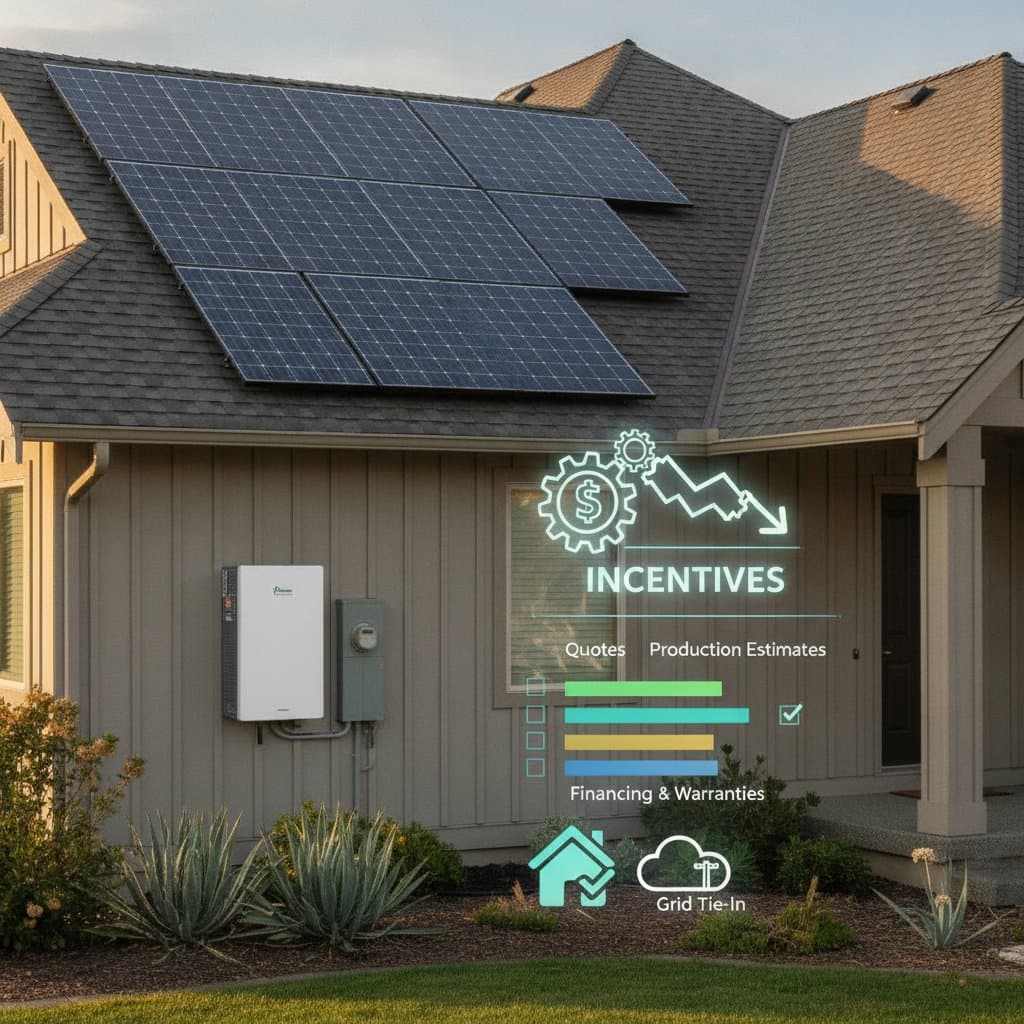
Solar energy systems enhance home efficiency, reduce utility expenses, and boost property values. Professional installation for a standard 6 kW system, including panels, inverter, and mounting, ranges from $12,000 to $22,000, with an average of $17,000. When panels sustain damage, warranty terms dictate whether owners face minimal or substantial replacement expenses.
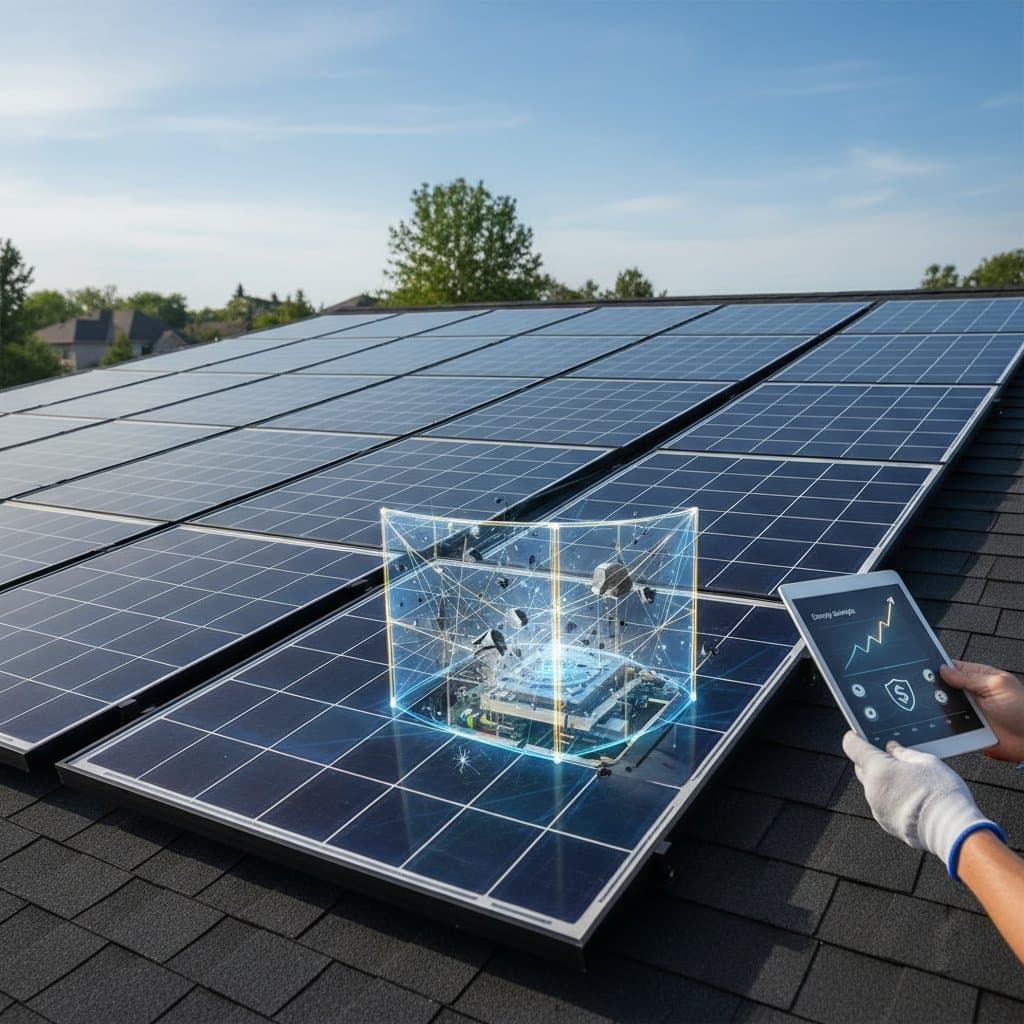
Three main factors affect solar panel failures and warranty applicability: manufacturing quality, environmental conditions, and installation precision. Extreme regional climates hasten degradation, while warranty provisions differ among brands like SunPower, Qcells, and Canadian Solar. Regular maintenance lowers damage risks by up to 40 percent, per Solar Energy Industries Association findings. Grasping these elements under current warranties equips homeowners to sidestep surprises and preserve energy cost reductions.
Cost Breakdown by Damage Type
Repair expenses for solar panels depend on failure nature and warranty status. Without coverage, replacing a single panel, including labor and disposal, costs $250 to $400. A complete array overhaul might total $10,000 to $15,000, varying by system scale and site access. Manufacturers typically provide a 25-year performance warranty and 10- to 12-year product warranty, though fine print distinguishes defects from general damage.
Minor problems, such as loose wiring or microcracks, fall at the 25th percentile with repair costs around $200. Typical glass or cell issues at the 50th percentile average $600 to $800. Major events, like inverter failures or full panel replacements, hit the 75th percentile at $2,000 to $4,000.
Impact of Damage Scale
Costs escalate with the extent of affected areas. Replacing one panel proves less expensive than addressing a series of linked modules. Each additional 100 square feet of damaged array increases expenses by about $500 for materials and labor. Roof-integrated systems, like Tesla Solar Roof tiles, incur higher fees due to specialized parts and installation needs.
Residential setups under 8 kW average $350 per repair incident, while commercial arrays over 25 kW average $2,400, reflecting greater voltage and access challenges.
Panel Material and Quality Levels
Entry-level panels feature polycrystalline cells and standard aluminum frames, which cost less but resist thermal stress and moisture less effectively. Warranty replacements hinge on evident defects verified by manufacturer review.
Mid-range options from Trina or REC, priced 15 to 20 percent higher, incorporate tempered glass and enhanced encapsulants to counter cracking and delamination. These often include 20-year product warranties for better thermal fatigue protection.
Premium panels from SunPower or LG use reinforced frames and efficient monocrystalline cells, enduring hail up to 1 inch and winds over 100 mph. The 30 percent upfront premium yields fewer failures and robust warranties, sometimes covering labor.
Environmental and Site Factors
High ultraviolet radiation, salty air, or temperature fluctuations accelerate panel wear. Coastal setups benefit from corrosion-resistant racking and connectors, adding $500 to $1,000 initially but curbing future repairs.
Site accessibility influences pricing; steep or multi-level roofs raise labor by 25 to 40 percent. Outdated electrical setups may require upgrades costing $300 to $600 for code compliance.
Installer surveys via EnergySage indicate geographic multipliers: 0.8 times in the Midwest, up to 1.4 times in coastal or mountainous areas, due to labor and permitting variances.
Warranty and Service Options
Basic Warranty Provisions
Standard warranties cover defective panel replacements, labor at set rates per watt, 10-year inverter support, and 80 percent output over 25 years. An uncovered service call, lasting two hours, runs $150 to $250. Total claims typically range from $500 to $1,200, including diagnostics and shipping. These suit moderate climates and reputable brands.
Enhanced Warranty Packages
Premium plans from manufacturers or installers extend to full labor coverage, roof leak repairs from mounts, home transferability, and remote monitoring for early detection. They increase system costs by 10 to 15 percent, or $1,000 to $2,500 by array size. Such coverage offsets up to 90 percent of major repair bills, ideal for long-term owners where savings surpass premiums after 10 years.
Service Add-Ons
| Add-On Service | Typical Cost | Bundle Savings | Recommended Timing |
|---|---|---|---|
| Annual inspection | $120 | 10% when bundled | Early spring |
| Cleaning service | $150 | 15% with plan | After pollen season |
| Monitoring system | $300 | N/A | At installation |
| Roof inspection | $200 | 20% with inverter service | Before claim |
Bundling these with warranties cuts lifetime maintenance by 20 to 30 percent. Verified contractors on Thumbtack and Angi offer aligned packages with clear pricing.
Professional Repairs Versus DIY
DIY Repair Expenses
DIY appeals to those skilled in electrical tasks, yet safety risks and indirect costs often negate benefits. Panels from Qcells or Canadian Solar retail at $200 to $350 each. Essential tools like torque wrenches, multimeters, and harnesses total $250 to buy or $75 to rent.
Labor demands six to eight hours per panel for removal, testing, and reinstallation, equating to $400 to $600 in time and materials. Errors in grounding or sealing can invalidate warranties, prompting expensive corrections.
Benefits of Professional Service
Certified technicians provide advanced tools, diagnostics, and training to ensure compliance and safety. Hourly rates average $100 to $150, encompassing warranty processing and records.
Professionals save about 10 hours per job and secure free parts worth $200 to $1,000 under warranty. Their insurance covers potential roof or electrical issues absent in DIY efforts.
Choosing the Right Approach
Opt for professionals when warranties apply, roofs pose risks, or permits demand attention. DIY suits only ground-mounted, out-of-warranty panels. Error costs, including shorts or fires, can soar into thousands, favoring expert intervention.
Strategies to Lower Costs
Time services for off-peak periods or weekdays to gain 10 to 15 percent labor discounts. Obtain three quotes to trim costs by 12 percent, per contractor data.
Negotiate payments post-completion for minor savings or quicker responses. Prepare sites by clearing access and gathering serial numbers to save $100 to $200 in time.
Acquire panels via manufacturer sources to preserve compatibility and warranty terms.
Market Influences and Long-Term Value
Urban areas like Los Angeles or Miami add 15 to 25 percent to maintenance via labor and regulations. Rural spots may incur travel surcharges from scarce providers.
Supply constraints on glass or semiconductors delay claims and impose fees, while renewable labor shortages elevate rates.
Well-maintained systems enhance resale by 3 to 5 percent and yield $800 to $1,200 yearly electricity savings. Warranty adherence and preventive measures secure these gains.
Safeguarding Your Solar System
Key panel failures arise from environmental pressures, flawed installations, or inferior materials, not defects alone. Scrutinize warranty details, retain records, and conduct inspections to uphold coverage.
Select high-quality panels, certified installers, and inclusive service plans. These measures sustain output, validate protections, and deliver enduring clean energy benefits.