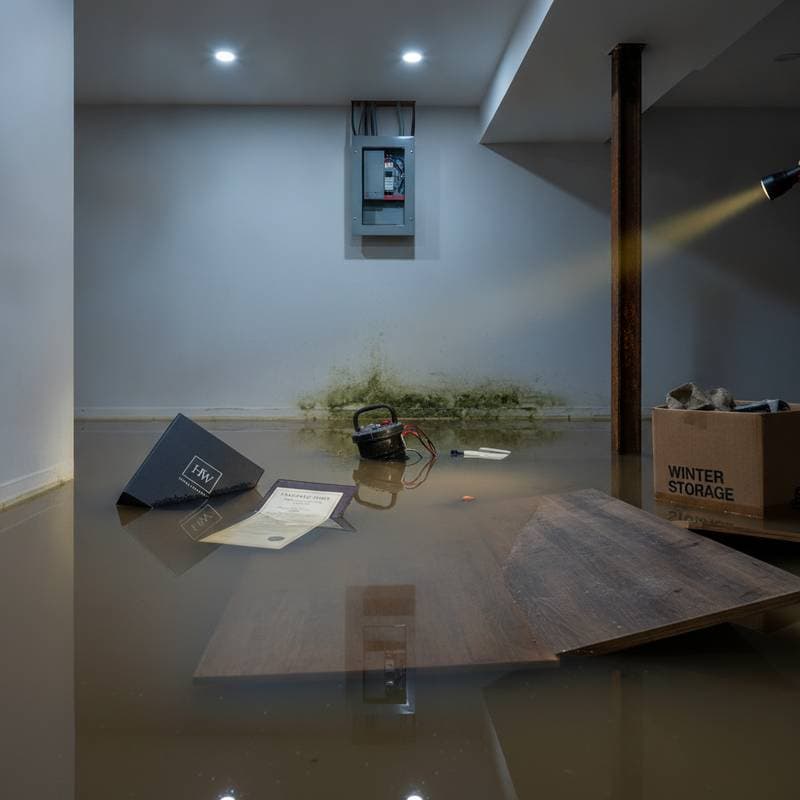
Understanding Mold Coverage: Home Insurance vs. Warranty
Mold growth poses a significant threat to homes, often resulting from sudden water events or gradual neglect. Homeowners frequently wonder whether standard insurance policies or home warranties cover remediation costs. This article clarifies the distinctions, outlines coverage scenarios, and provides strategies to protect property and finances.
Home insurance typically addresses mold damage stemming from covered perils, such as a burst pipe or appliance malfunction. In these cases, remediation qualifies for coverage if the mold arises directly from the initial loss. However, policies exclude mold from chronic issues like ongoing leaks or inadequate maintenance.
Flood-induced mold falls outside standard homeowners insurance unless a separate flood policy exists. Insurers impose payout limits on mold claims, often restricting coverage to a few thousand dollars regardless of the total repair expense. Purchasing an optional mold endorsement can raise these limits, so review policy documents to verify specifics.
Key Differences in Policy Coverage
Home warranties focus on system and appliance repairs rather than structural damage like mold. They may cover mold only if it results from a covered breakdown, such as a leaking water heater. Insurance policies, by contrast, handle broader property damage but with stricter exclusions for preventable moisture problems.
To determine applicability, examine the policy language for terms like "sudden and accidental" water damage. Claims denied due to neglect highlight the importance of proactive upkeep. Consulting an agent ensures alignment between policy terms and home risks.
Cost Breakdown for Mold Remediation
Remediation expenses vary based on infestation size, affected surfaces, and required disposal. Professionals assess the extent to recommend containment, removal, and restoration. Early detection minimizes these costs significantly.
| Scope Item | Material Cost Range | Labor Cost Range | Total Range | Notes on Drivers |
|---|---|---|---|---|
| Small surface cleanup (under 10 sq ft) | $20 to $80 | $100 to $300 | $120 to $380 | Suitable for DIY with proper personal protective equipment; focuses on non-porous surfaces |
| Moderate wall or ceiling removal | $200 to $400 | $800 to $1500 | $1000 to $1900 | Involves plastic sheeting for containment and air filtration to prevent spore spread |
| Full-room remediation with HVAC cleaning | $500 to $1200 | $2000 to $4000 | $2500 to $5200 | Requires specialized tools, post-cleaning air quality tests, and disposal of porous items like drywall |
Factors influencing costs include the moisture origin, access to affected areas, and material porosity. Drywall and carpeting often necessitate full replacement, escalating expenses. Hiring certified remediators ensures compliance with health standards.
Safety Considerations, Permits, and Building Codes
Local regulations rarely mandate permits for small-scale mold removal. Larger projects involving structural alterations or HVAC modifications may require building department approval. Interventions near electrical systems or ventilation demand professional oversight to avoid hazards.
Prioritize safety during cleanup:
- Avoid combining bleach and ammonia, as this produces toxic fumes.
- Utilize outlets equipped with ground-fault circuit interrupter protection for moisture-related equipment.
- Position dehumidifiers at least 18 inches from walls to optimize airflow.
- Follow municipal guidelines for disposing of contaminated waste, often treated as hazardous material.
Neglecting these protocols can invalidate insurance claims. Reporting incidents promptly preserves coverage eligibility and facilitates smoother remediation.
Developing a Maintenance Plan for Mold Prevention
Consistent inspections form the foundation of mold prevention. Addressing moisture sources early extends the lifespan of home systems and reduces claim risks.
Immediate Post-Installation Checks
After plumbing repairs or installations, inspect joints for leaks within 48 hours. Examine pipe insulation for signs of dampness, which can foster hidden growth.
Seasonal Maintenance Tasks
Clear gutters and downspouts regularly to divert rainwater from the foundation. Test sump pumps prior to heavy rains to confirm functionality. Activate exhaust fans during high-humidity activities like bathing or washing clothes.
Annual Inspections
Survey attics and basements for unusual odors indicating moisture. Replace HVAC filters and clean drain pans to maintain efficient operation. Evaluate insurance coverage annually, adjusting mold limits as needed based on home changes.
Maintaining indoor humidity levels between 30 and 50 percent inhibits mold activity. Tools like hygrometers help monitor conditions effectively.
Homeowner Readiness Checklist
- Review insurance and warranty documents for mold-specific clauses and limits.
- Schedule a professional moisture assessment if recent water events occurred.
- Install or upgrade ventilation systems in damp-prone areas like bathrooms.
- Stockpile personal protective equipment for minor cleanups.
- Document all home maintenance activities with photos and dates.
- Contact a certified inspector for baseline mold testing.
Steps to Secure Your Home Against Mold Risks
Begin by scrutinizing current policies to pinpoint gaps in mold protection. Inquire with providers about adding endorsements for enhanced coverage without excessive premiums.
Implement moisture management solutions, such as whole-home dehumidifiers or improved attic venting. Maintain detailed records of upkeep efforts to support future claims and demonstrate diligence.
Arrange yearly professional inspections to identify vulnerabilities early. These measures not only prevent damage but also preserve policy validity, ensuring financial security when issues arise.