Coverage Basics for Solar Systems Under Home Warranties
Home warranties typically protect major household systems and appliances, such as heating units and kitchen equipment. However, solar panels and associated batteries fall outside standard coverage in most policies. Providers classify these components as structural improvements or specialized installations rather than routine home systems. This distinction leads to frequent denials of claims for repairs or replacements related to solar equipment.
Understanding this gap proves crucial for homeowners investing in renewable energy. Solar installations represent significant upfront costs, and unexpected failures can result in substantial financial burdens. Policies vary by provider, but the general rule remains: solar coverage requires explicit inclusion through add-ons or separate agreements.
Common Exclusions and Limitations
Exclusions for solar panels often stem from their status as optional upgrades. For instance, damage from weather events, improper installation, or normal wear on photovoltaic cells receives no coverage under basic plans. Batteries, essential for energy storage, face similar restrictions; providers exclude them due to their technological complexity and high replacement costs.
Limits on coverage, when available, cap payouts at modest amounts, such as a few thousand dollars per incident. Pre-existing conditions or systems installed after policy inception also trigger denials. Homeowners must review policy documents carefully to identify these boundaries and avoid assumptions about protection levels.
Exploring Add-On Options and Alternatives
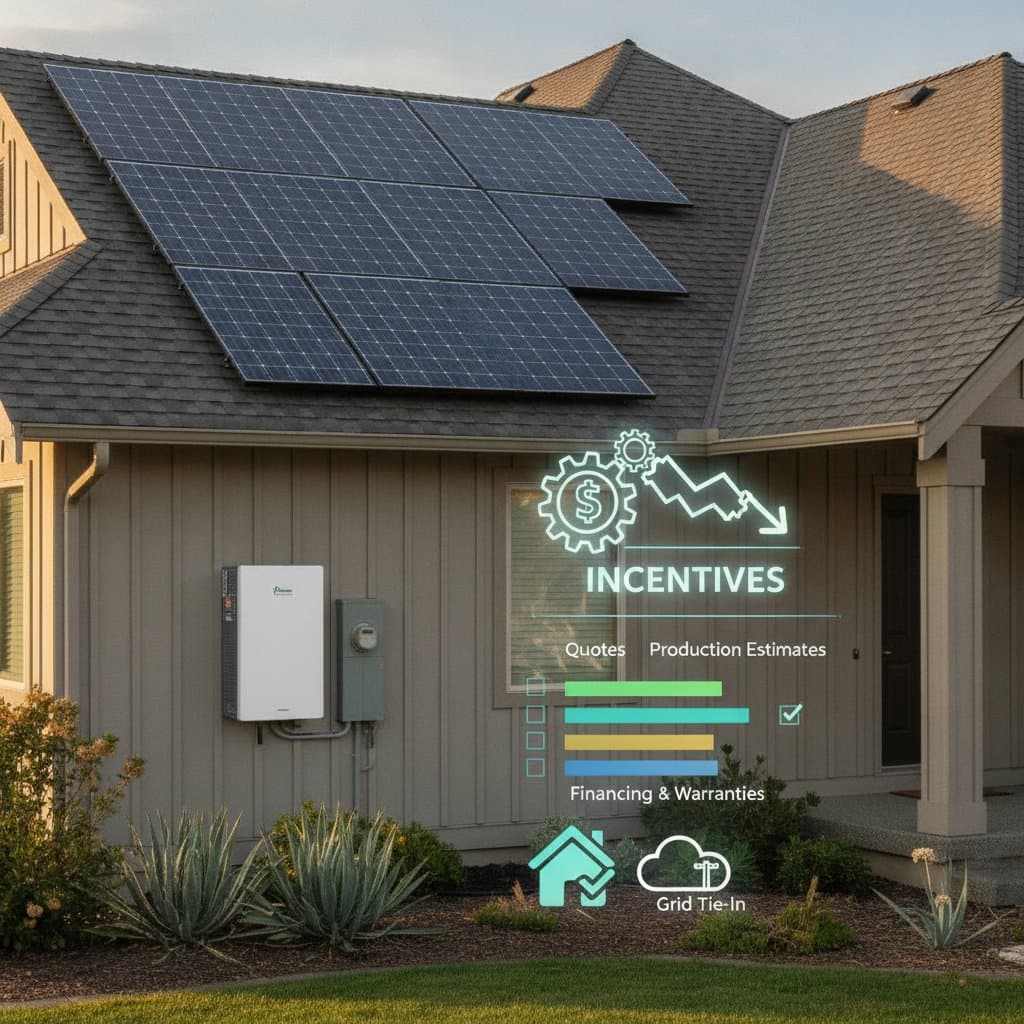
Many warranty providers offer add-ons for renewable energy systems, though availability differs. These endorsements extend coverage to solar panels, inverters, and batteries for an additional premium, often ranging from fifty to two hundred dollars annually. Selecting such an option demands verification of specifics, including deductible amounts and service call fees.
Manufacturer warranties provide a reliable alternative or complement. Solar panel producers typically guarantee performance for twenty-five years, covering defects in materials and workmanship. Installer warranties address mounting and wiring issues for periods of five to ten years. Combining these with a home warranty add-on creates layered protection, minimizing out-of-pocket expenses.
Essential Maintenance to Preserve Warranties
Regular upkeep ensures solar systems operate efficiently and maintains warranty validity. Neglect can void coverage, as providers require proof of adherence to care guidelines. Homeowners should schedule professional inspections annually to detect issues early.
Materials and Tools Checklist
- Soft brush or sponge for gentle panel cleaning to remove dust and debris
- Non-abrasive cleaning solution diluted with water to prevent surface damage
- Work gloves and safety glasses for personal protection during handling
- Multimeter reserved for use by qualified professionals to test electrical output
- Manufacturer manuals kept accessible for reference on specific care instructions
Maintenance and Lifespan Guidelines
Cleaning panels twice yearly preserves efficiency by up to twenty percent. Homeowners inspect wiring and roof mounts quarterly for signs of corrosion or loose fasteners, addressing problems promptly. Battery storage areas require dryness and proper ventilation to avoid overheating or degradation.
These practices extend the average lifespan of solar panels to twenty-five to thirty years and batteries to ten to fifteen years. Documentation of all maintenance activities supports warranty claims, demonstrating compliance with terms.
Steps to Implement Effective Protection
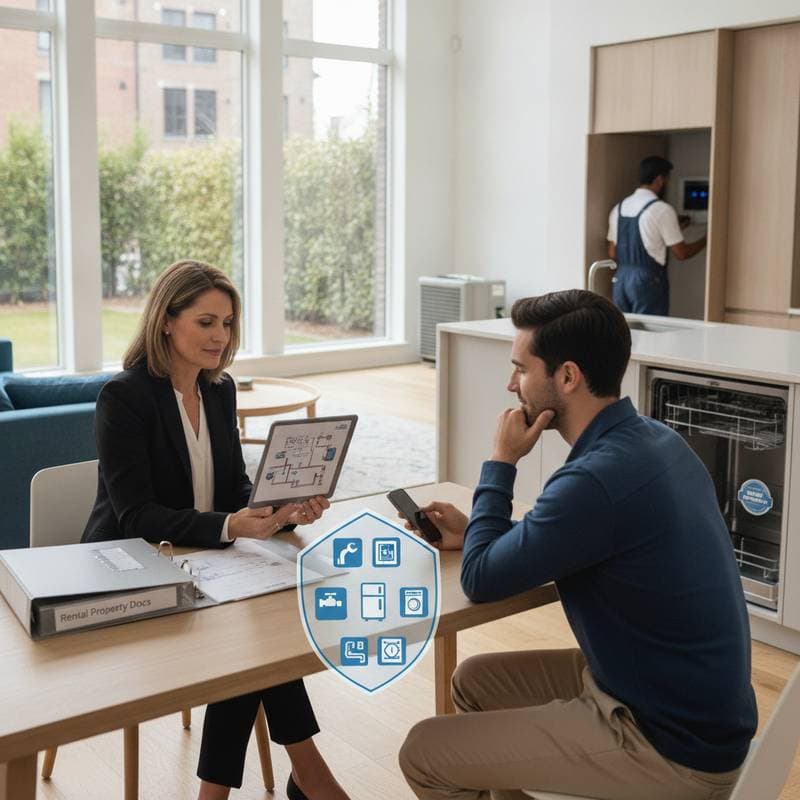
Homeowners begin by contacting their warranty provider to request written confirmation of solar coverage details. If gaps exist, they explore add-on endorsements or switch to providers offering renewable energy inclusions. Gathering quotes from multiple sources aids informed decisions.
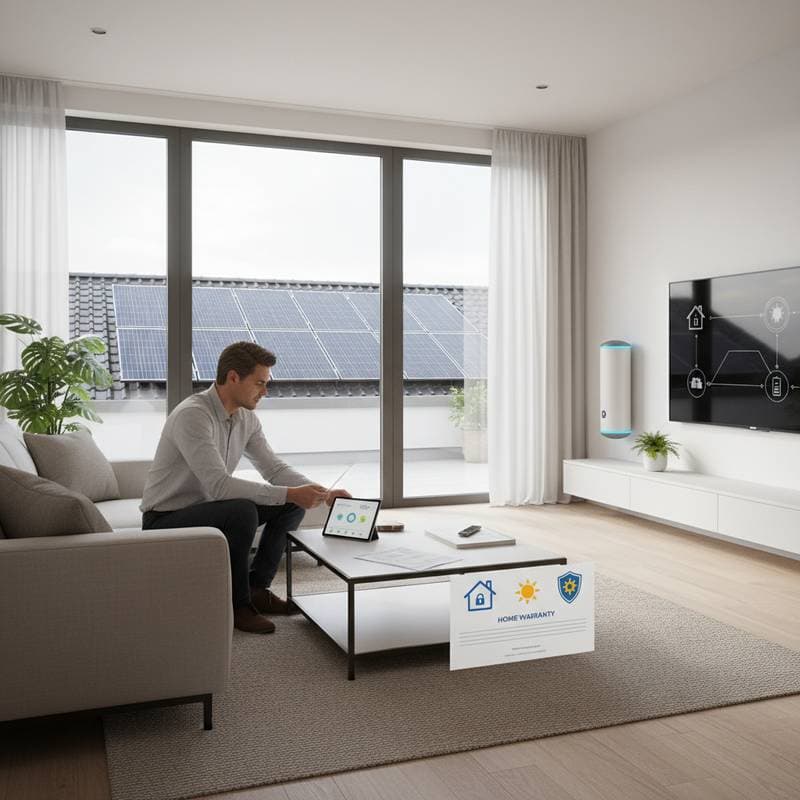
Next, integrate manufacturer and installer warranties into a comprehensive plan. Organizing all documentation in a dedicated file facilitates quick access during claims. Staying proactive with maintenance schedules further strengthens this strategy.
Safeguarding Your Renewable Energy Future
Adopting these measures protects solar investments from unforeseen costs and ensures consistent energy production. Homeowners achieve peace of mind knowing their systems remain operational, contributing to lower utility bills and environmental goals. Long-term savings materialize through reliable performance and minimized repair disruptions.