The Rising Importance of Air Quality in Home Warranties
Indoor air quality affects daily life more than ever. With remote work and home-based activities on the rise, people spend up to 90 percent of their time inside. Poor air can lead to health issues like allergies, respiratory problems, and fatigue. Home warranties that include air quality coverage address these concerns by protecting essential systems.
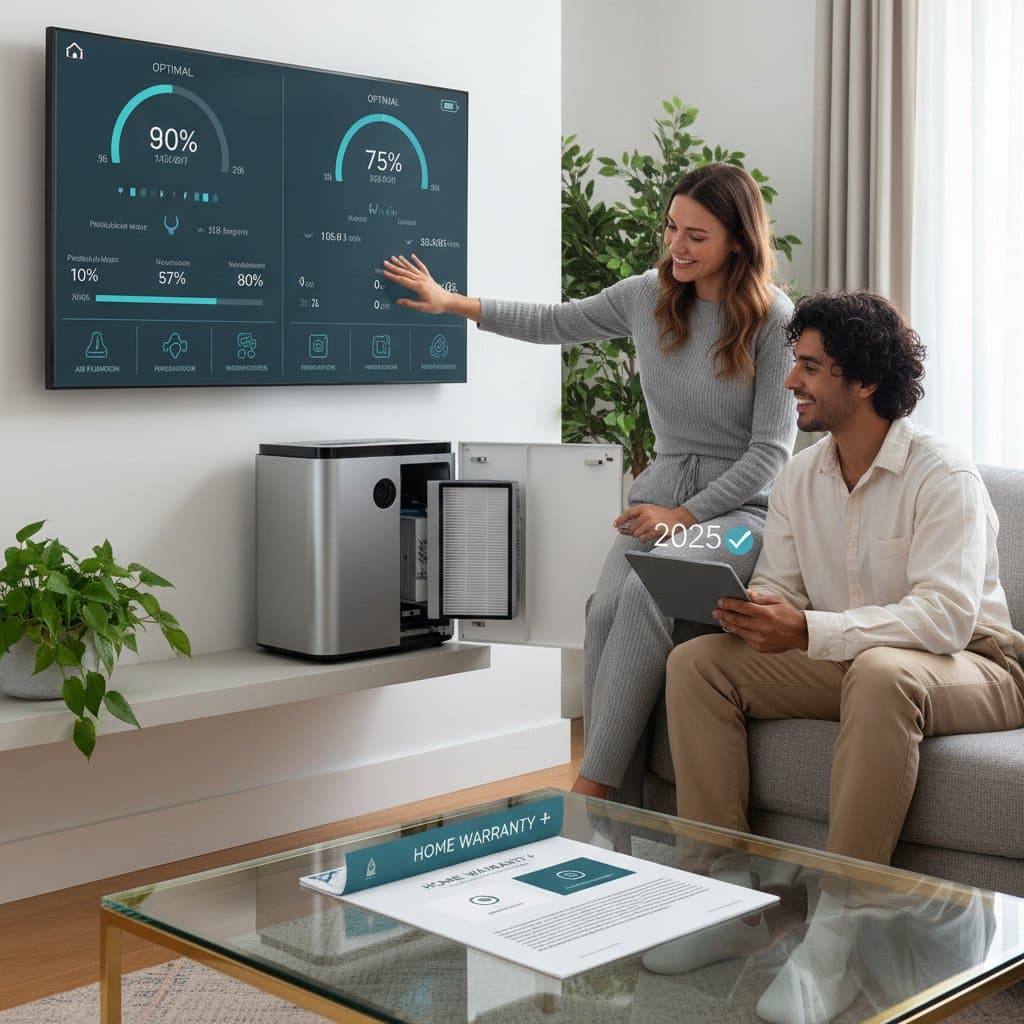
Traditional warranties focus on major appliances and plumbing. However, modern plans extend to HVAC components that maintain clean air. Filters trap dust and pollutants, while purifiers neutralize odors and pathogens. Ventilation systems ensure fresh air circulation without energy loss. This shift reflects growing awareness of environmental factors, such as urban pollution and seasonal allergens.
In 2025, experts predict air quality coverage will become standard. Regulatory changes emphasize healthier homes, and real estate values tie to energy efficiency. Homeowners who invest in these plans report fewer medical visits and lower utility bills. The result is a more comfortable living space that supports long-term wellness.
Benefits of Upgrading to Air Quality Protection
Enhanced coverage starts with health improvements. Clean air reduces exposure to volatile organic compounds from furniture and cleaning products. Families with children or elderly members benefit most, as it minimizes asthma triggers and infections. Studies show that proper filtration can cut airborne particles by 70 percent.
Comfort levels rise with balanced humidity and temperature. Systems covered under these plans prevent dry air in winter or excess moisture in summer. This stability avoids common issues like static electricity or sticky surfaces. Overall, the home feels more inviting year-round.
Long-term value comes from equipment longevity. Regular maintenance under warranty extends HVAC life by five to ten years. Replacement costs for air handlers or ductwork often exceed $5,000 without coverage. Property appraisers now factor in air quality features when assessing market worth.
Financially, the upgrade proves cost-effective. Basic plans cover repairs up to $1,500 per incident, with deductibles as low as $75. Annual premiums range from $450 to $900, depending on home size and location. Many providers offer bundle discounts when combining with standard mechanical protection.
How to Enroll in Air Quality Coverage
Selecting the right plan requires careful evaluation. Begin by assessing your home's current setup. Identify existing HVAC features, such as central air or window units. Note any add-ons like whole-home purifiers or smart thermostats.
-
Research providers: Look for companies specializing in comprehensive HVAC warranties. Check coverage for air handlers, coils, and duct sealing. Verify inclusion of emerging tech like UV lights for pathogen control.
-
Review warranty options: Compare what is covered versus excluded. Ensure filters, purifiers, and ventilation fans fall under protection. Pay attention to limits on frequency of claims and maximum payouts.
-
Schedule an enrollment inspection: A technician confirms condition before approval. This step identifies pre-existing issues that could void claims. Inspections typically cost $100 to $200, often credited toward the first year's premium.
-
Activate coverage: Most plans begin within 30 days. Some offer immediate start for an extra fee. Review the contract for renewal terms and cancellation policies.
-
Set maintenance reminders: Replace filters every 1 to 3 months, depending on system type. Schedule annual professional tune-ups to keep coverage valid. Track usage with apps or calendars for optimal performance.
The enrollment process takes one to two hours for inspection and paperwork. Once active, service calls follow the plan's guidelines, usually with 24-hour response times. Technicians handle diagnostics and repairs at no extra cost beyond the service fee.
Essential Materials and Tools for Maintenance
Homeowners can perform basic upkeep to maximize warranty benefits. Start with quality supplies suited to your system.
- Replacement filters (MERV 8 to 13 recommended for balancing efficiency and airflow)
- Screwdriver set (Phillips and flathead for access panels)
- Flashlight (for inspecting dark ducts and coils)
- Soft brush or vacuum nozzle (to remove surface dust without damage)
- Level and tape measure (for fitting new equipment accurately)
- PPE: gloves, safety glasses, and dust mask (to protect against irritants)
Professional services employ advanced equipment for thorough results. Duct vacuums extract deep debris, while negative air machines contain contaminants during cleaning. Antimicrobial sprays target mold and bacteria in hard-to-reach areas. These methods restore system efficiency but require certified experts to avoid warranty violations.
Regular DIY tasks prevent small problems from escalating. For instance, monthly filter checks ensure consistent air flow. Vacuuming vents quarterly reduces buildup. Always consult your warranty manual before attempting repairs.
Tailoring Coverage to Your Region and Climate
Local conditions influence the best protection choices. Adapt plans to address specific environmental challenges.
-
Humid regions: Prioritize dehumidifier coverage to prevent mold growth and corrosion in ducts. Excess moisture fosters allergens, so integrated systems maintain 40 to 60 percent humidity levels.
-
Dry climates: Add humidifier and filter replacement coverage to combat airborne dust and static. These features protect skin and respiratory health while preventing equipment dry-out.
-
Wildfire or high-pollen zones: Look for HEPA or activated-carbon filtration protection. Such systems capture fine particles from smoke or allergens, improving outdoor-indoor air transitions.
-
Cold climates: Ensure coverage for air exchangers that balance fresh air with heat recovery. Energy recovery ventilators preserve warmth while introducing clean air, cutting heating costs by 20 percent.
Consult local air quality indexes to refine selections. In urban areas, focus on exhaust fan coverage for kitchens and bathrooms. Rural homes may need emphasis on pollen and pesticide filtration.
Steps to Secure Your Upgrade
Examine your existing HVAC warranty for gaps in air quality protection. Contact providers for quotes on enhancements that cover purification and advanced filtration. Evaluate payout caps, service call fees, and access to nearby technicians.
If your home features sealed windows or energy-efficient appliances, comprehensive coverage delivers strong returns. The added premium supports peace of mind and potential resale advantages. Act now to align your warranty with 2025 standards for healthier living.