Secure Power During Outages: Battery Backup Essentials
Summary Box
National average cost: $10,000
Typical range: $6,000 to $17,000
Low end and high end: $3,000 portable unit to $25,000 whole-home system
Time to complete: One to three days for installation
DIY or Pro: Pro installation required for permanent systems
ROI or resale impact: Moderate. Increases energy independence and resilience
Updated: March
Cost Factors
System capacity primarily determines the overall expense. For instance, a compact 5 kWh unit suffices to maintain essential lights, Wi-Fi routers, and small appliances for several hours during an outage. Larger 15 kWh systems support critical loads such as refrigerators, sump pumps, and multiple outlets throughout an entire day, justifying the higher investment for households in outage-prone areas.
Battery type influences both initial and long-term costs. Lithium-ion options command a premium over lead-acid varieties due to their superior longevity and efficiency, often enduring thousands of charge cycles. Opt for sealed enclosures in environments with high humidity or proximity to coastlines to prevent moisture ingress and corrosion, ensuring reliable performance over time.
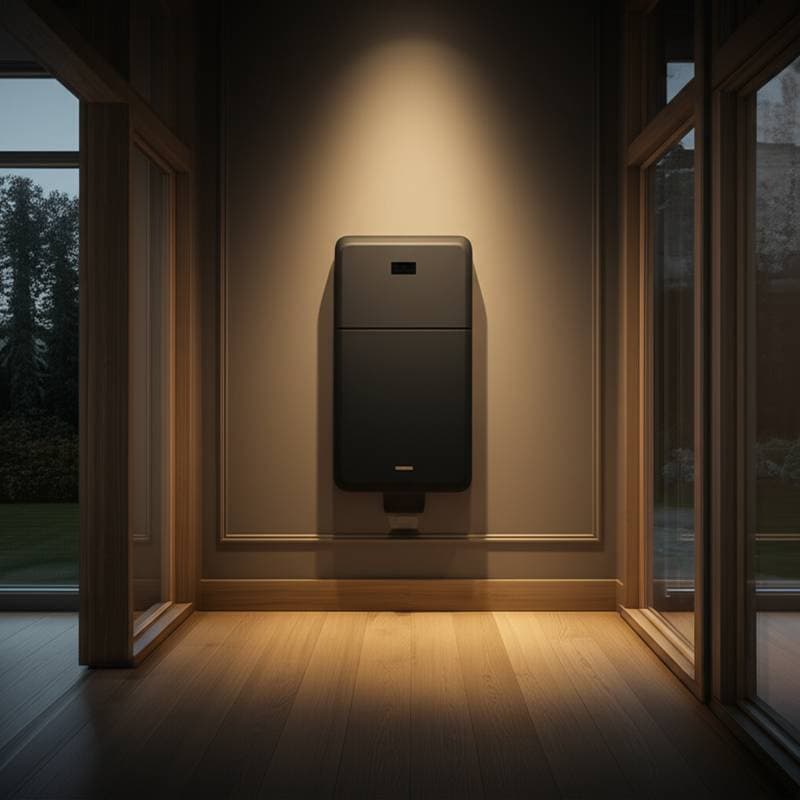
Site-specific challenges can elevate expenses. Outdoor placements require robust, weather-resistant housings compliant with local codes, while indoor configurations demand adequate clearance and ventilation to avoid overheating. Extended wiring distances from the main panel to the installation site increase labor demands, so evaluate accessibility during the planning phase.
Regional labor rates and seasonal demand affect pricing. Electricians face peak workloads during hurricane seasons or summer heatwaves, driving up hourly fees. Schedule installations during quieter periods, such as late fall or early spring, to potentially lower labor costs by 10 to 15 percent without compromising quality.
Additional customizations expand the project scope and budget. Integrating the battery with smart home controls, solar panels, or relocating the main electrical panel requires specialized wiring and testing. Review these elements thoroughly in the contractor's bid to avoid unexpected change orders that could inflate the total by thousands of dollars.
Strategies to Reduce Costs Effectively
Consider alternative battery chemistries for budget-conscious setups. Lead-acid batteries present a lower upfront price tag, though they necessitate more frequent replacements every three to five years. This approach proves viable for regions with infrequent or brief outages, balancing savings against the need for periodic reinvestment.
Streamline the installation process to minimize labor charges. Prepare the site by clearing space on the designated wall and removing any obstacles prior to the crew's arrival. Complete upstream upgrades, such as enhancing the main electrical panel, in advance to avoid delays on installation day.
If local regulations permit, pre-install conduit pathways and mounting hardware during initial site prep. This proactive step reduces on-site time significantly. Coordinate with your electrician to confirm compliance and feasibility.
Timing plays a crucial role in cost management. Target off-peak seasons when contractors maintain lighter schedules and more flexible pricing. Bundle the battery installation with concurrent projects, like solar array additions or HVAC system overhauls, to consolidate permitting, inspections, and mobilization fees across multiple upgrades.
Obtain and evaluate bids from a minimum of three licensed professionals. Use a structured checklist to ensure apples-to-apples comparisons:
- Itemized scope of work detailing all components
- Specified materials, including battery grade and manufacturer brands
- Inclusion of surface preparation, debris cleanup, and site restoration
- Coverage of permitting, disposal, and any regulatory fees
- Clear warranty details, including duration and coverage scope
- Payment terms linked to verifiable project milestones
During consultations, inquire about capacity calculations. Verify whether quotes reference total storage or usable kWh, as the latter directly correlates with actual runtime during power failures. This distinction prevents underestimating system performance.
Installation Timeline and Coordination
Material procurement often sets the project pace. Standard battery units typically arrive within two to six weeks of order placement, with custom-sized configurations extending lead times to eight weeks or more amid supply chain fluctuations.
On-site work unfolds over one to three days for most residential installations. Day one focuses on site preparation and secure mounting of the battery enclosure. The second day involves electrical wiring and connections to the home's power system.
Final testing and commissioning occur on the third day, confirming seamless failover to battery power. Projects incorporating solar integration or advanced monitoring may require an additional day for calibration and synchronization.
Regulatory inspections occur at key intervals. A rough-in electrical review follows conduit installation and initial panel modifications to ensure code adherence. The final inspection verifies full system functionality post-activation, clearing the way for energization.
Ongoing Maintenance and Longevity
Establish routine care to maximize system reliability. Maintain battery charge levels between 50 and 80 percent during periods of inactivity to optimize cell health and prevent deep discharge cycles. Clean vents and exterior surfaces quarterly using a dry, lint-free cloth to remove dust accumulation without introducing moisture.
Leverage manufacturer apps for firmware updates, which enhance efficiency and address software vulnerabilities. Schedule these updates during low-usage times to minimize disruption.
Monitor for indicators of potential issues. Diminished runtime or irregular charging patterns suggest cell degradation or imbalance within the battery pack. Dashboard notifications or illuminated warning lights on the inverter unit signal electrical faults; engage your installer promptly rather than attempting internal diagnostics.
Evaluate repair options judiciously as the system ages. When effective capacity drops below 70 percent of original specifications and the warranty has lapsed, full replacement generally outperforms piecemeal cell repairs in terms of cost and performance restoration. Well-maintained lithium-ion batteries deliver 10 to 15 years of service, supporting 3,000 to 5,000 cycles depending on depth of discharge.
Regional Considerations
Environmental factors influence system design and efficiency. In colder regions, batteries experience up to 20 percent reduced output below freezing temperatures, making indoor installations with temperature-controlled enclosures preferable. Insulate enclosures or pair with heating elements if outdoor placement proves necessary.
Conversely, high-temperature zones demand protection against heat buildup. Position units in shaded areas or incorporate active ventilation to safeguard sensitive electronics from thermal stress, which accelerates degradation. Consult local climate data to select appropriately rated components.
Steps to Implement Your System
Assess your household's critical power needs by inventorying essential devices and their wattage requirements. For example, a standard refrigerator draws 150 to 200 watts continuously, while a sump pump might surge to 800 watts intermittently. Total these loads to determine the minimum kWh capacity required, factoring in your typical outage duration.
Align the system scale with your financial parameters and historical outage frequency. Secure detailed proposals from vetted contractors, emphasizing warranty protections that cover both hardware and workmanship for at least 10 years.
Time the project to precede high-risk seasons, allowing ample buffer for testing. Post-installation, conduct quarterly simulations of power loss to verify automatic transfer and runtime, building confidence in your enhanced resilience.
This investment transforms vulnerability into preparedness, ensuring essential functions persist amid grid disruptions and fostering greater energy autonomy for your home.