
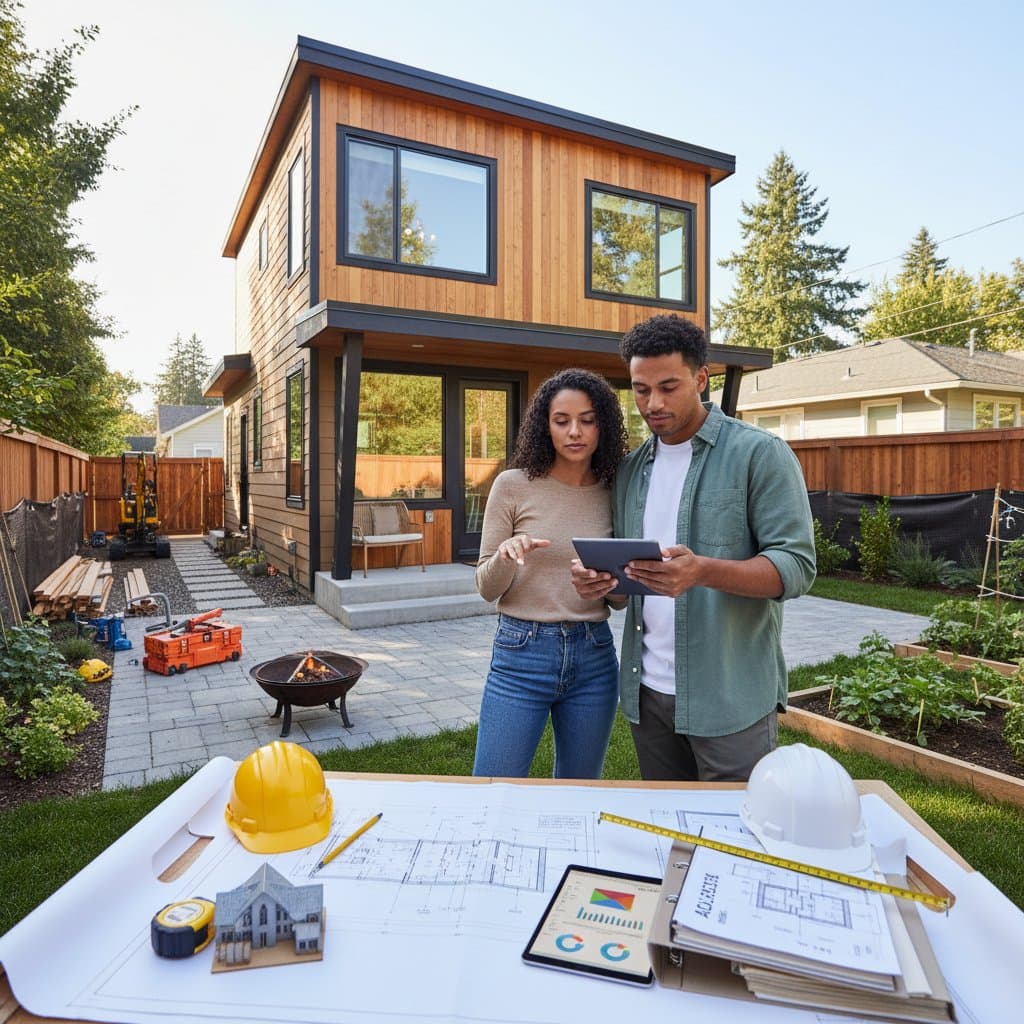
The average cost to build an accessory dwelling unit (ADU) stands at $150,000 in 2025, with ranges from $80,000 for basic setups to $300,000 for custom designs influenced by size, location, and materials. Effective budgeting requires accounting for permits, utilities, and contingencies. This guide outlines strategies to plan efficiently, decide between DIY elements and professional services, and enhance property value without unexpected expenses.
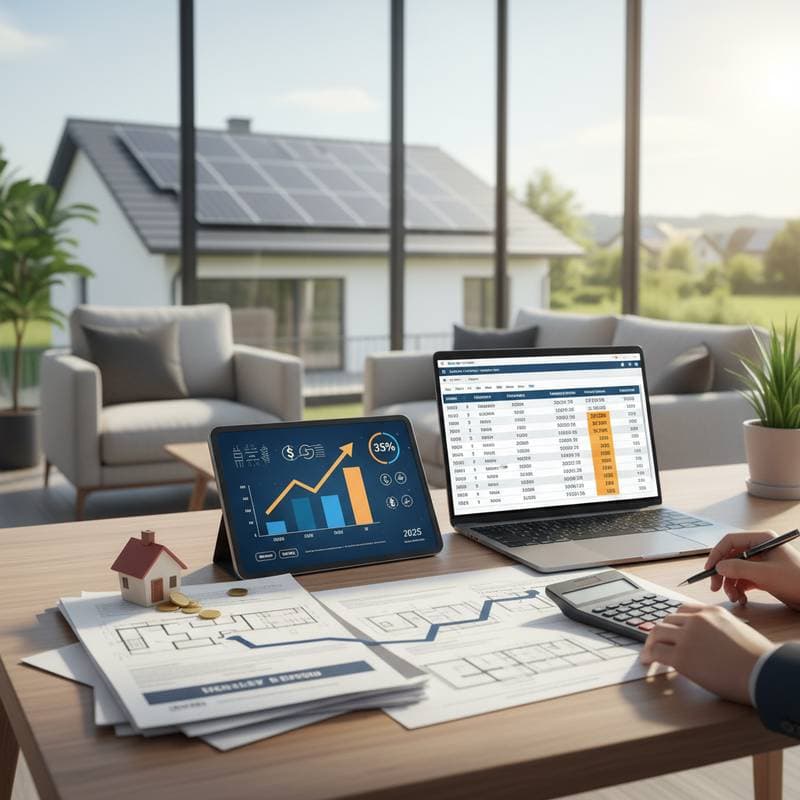
Starting in 2025, solar permit fees will rise 35%, reshaping project budgets and payback timelines. Homeowners face higher upfront costs, extended approvals, and regional disparities. Understanding what these fees cover—and how to minimize their impact—is essential for protecting returns and ensuring solar investments remain financially and environmentally worthwhile.
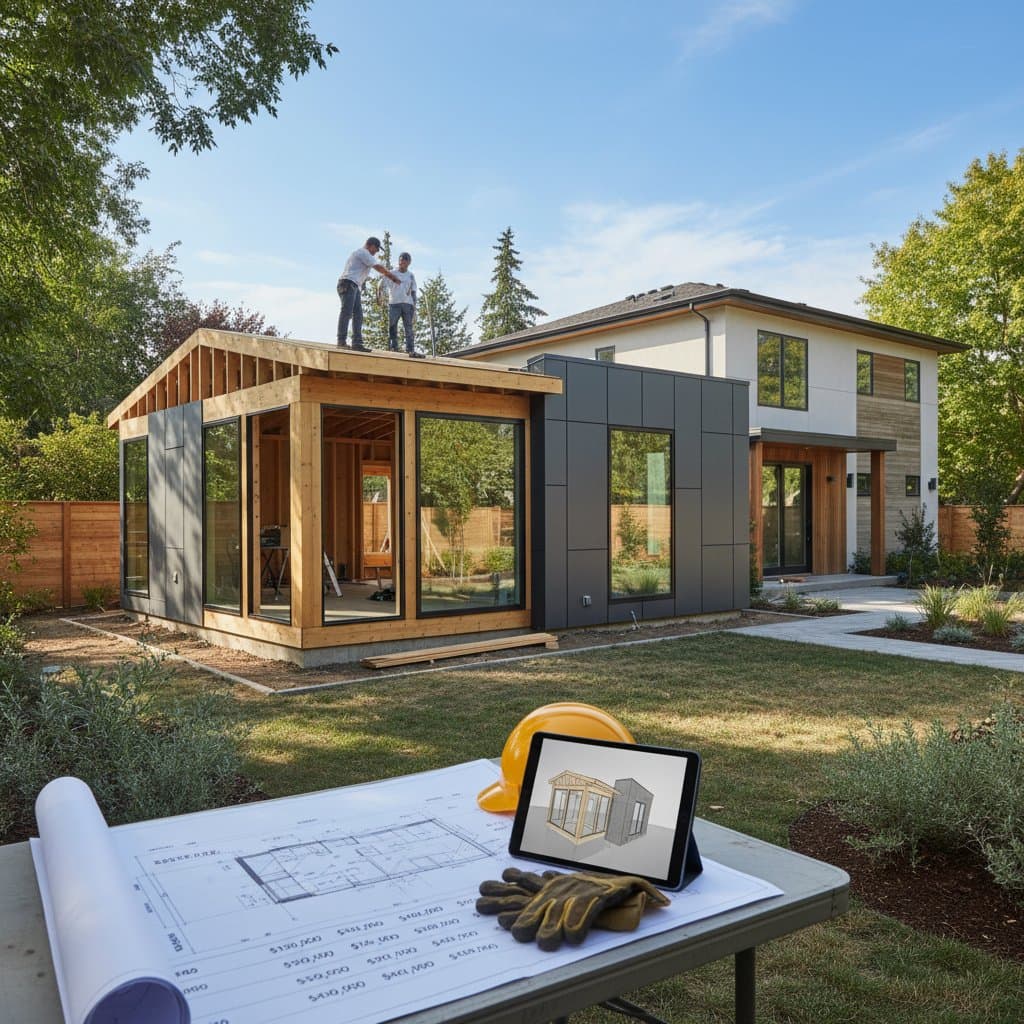
In 2025, constructing an accessory dwelling unit (ADU) typically ranges from $150,000 to $400,000, with additional expenses for design, permits, and site preparation reaching up to 30% of the total. This comprehensive guide details budgeting essentials, comparisons between DIY and professional approaches, viable alternatives, and proven methods to reduce costs while maximizing long-term value.
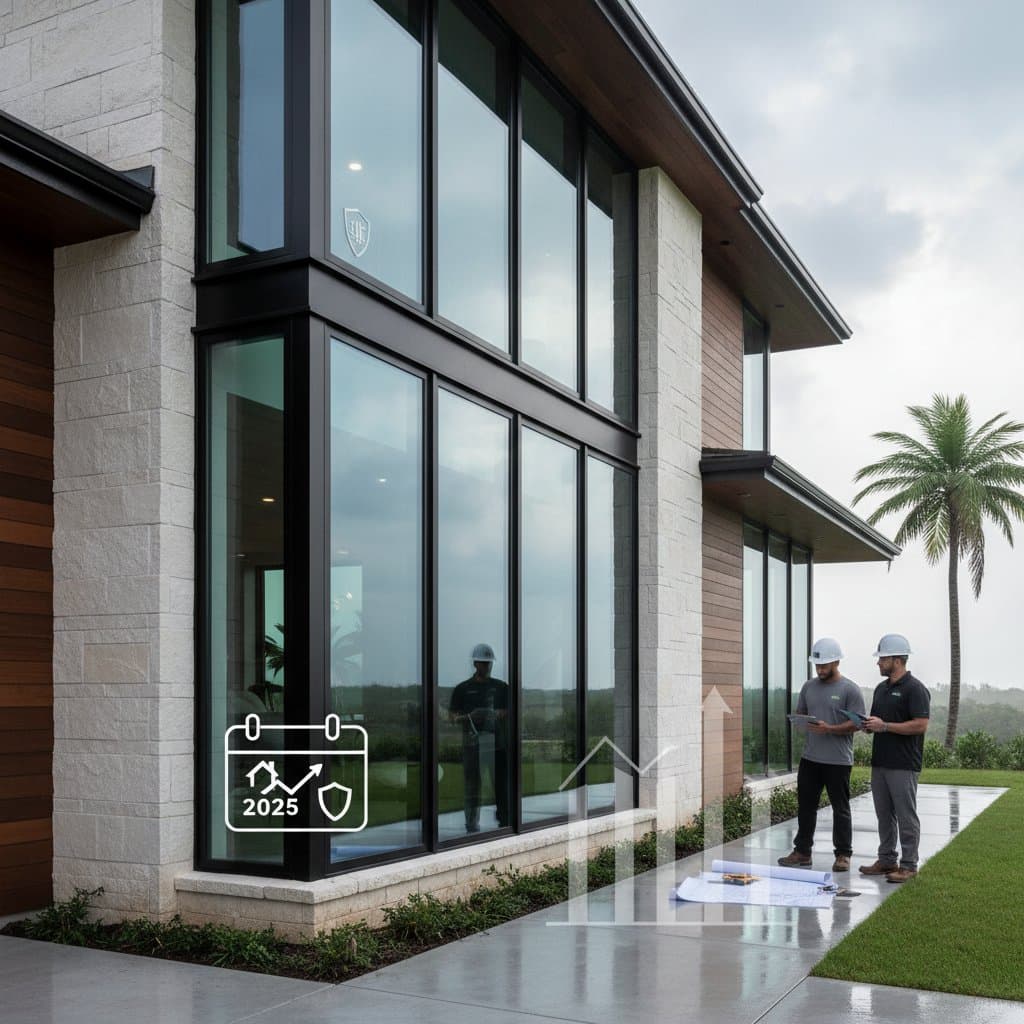
Uncover the key drivers behind 2025 hurricane window installation expenses, from material choices and labor rates to regional regulations. Gain insights into average costs, effective budget strategies, and the critical role of professional installation for optimal safety, warranties, and insurance advantages. Use this comprehensive guide to plan wisely and safeguard your property with durable storm protection.
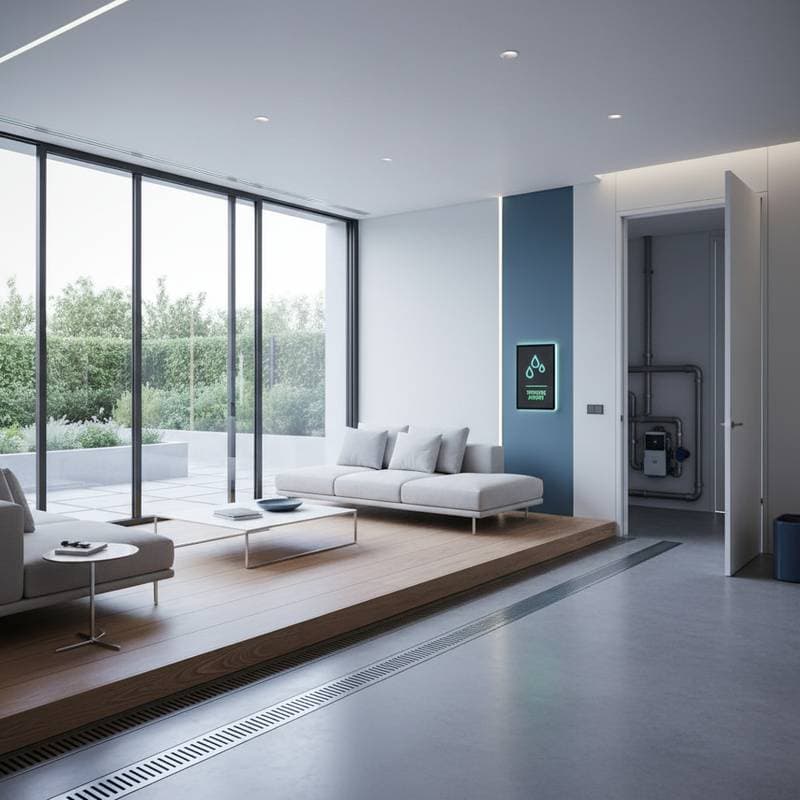
In 2025, flood-proofing your home averages $8,600, varying regionally from $3,000 to $20,000+. Project costs hinge on type, from affordable barriers to extensive elevations. Effective planning, phased implementation, and upkeep maximize savings and property protection.
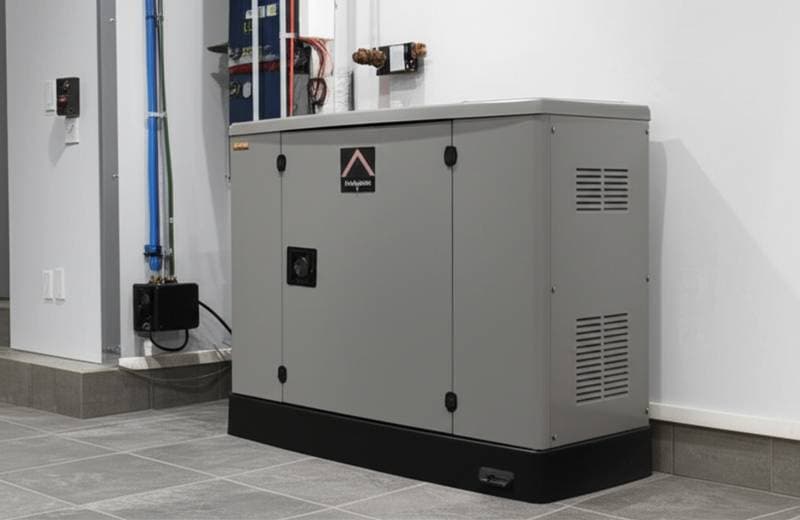
Whole-home generator prices have increased by 35% due to heightened demand and material shortages triggered by frequent power outages. Installation costs now range from $12,000 to $22,000 on average, prompting homeowners to balance dependability with expenses. This guide details pricing factors, installation procedures, safety requirements, and upkeep strategies to inform your decision on standby power investments.
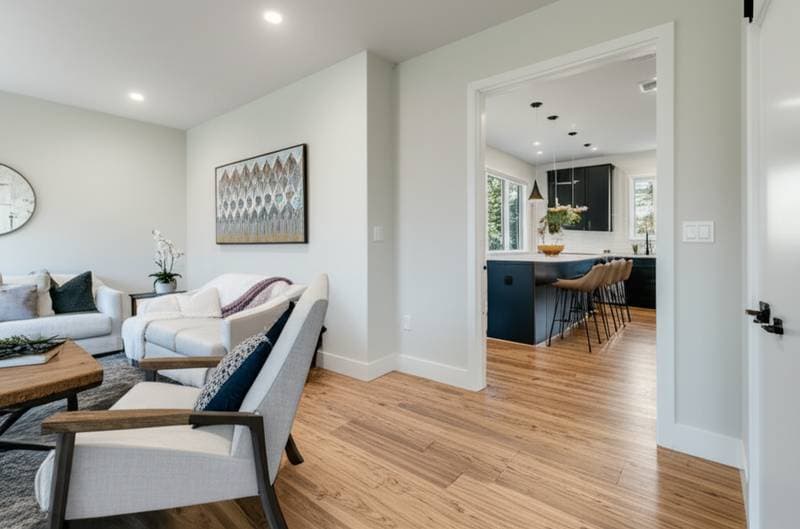
Uncover the true expenses of 2025 multigenerational home transformations, ranging from $80,000 for basement conversions to $300,000 for standalone units. Delve into design influences, permitting hurdles, accessibility priorities, and regional variations shaping efficient, budget-conscious family living spaces.
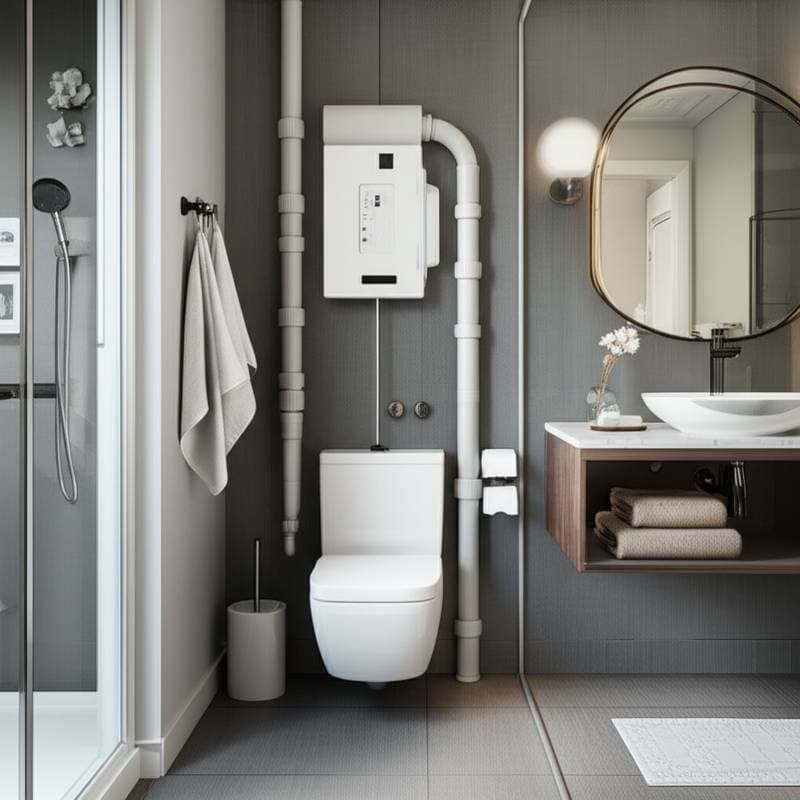
Greywater systems in 2025 cost 30% less, averaging $5,800 for installation and saving up to 45% on water. Modular designs, incentives, and monitoring tech simplify adoption, enhancing home value, cutting bills, and minimizing environmental footprint.
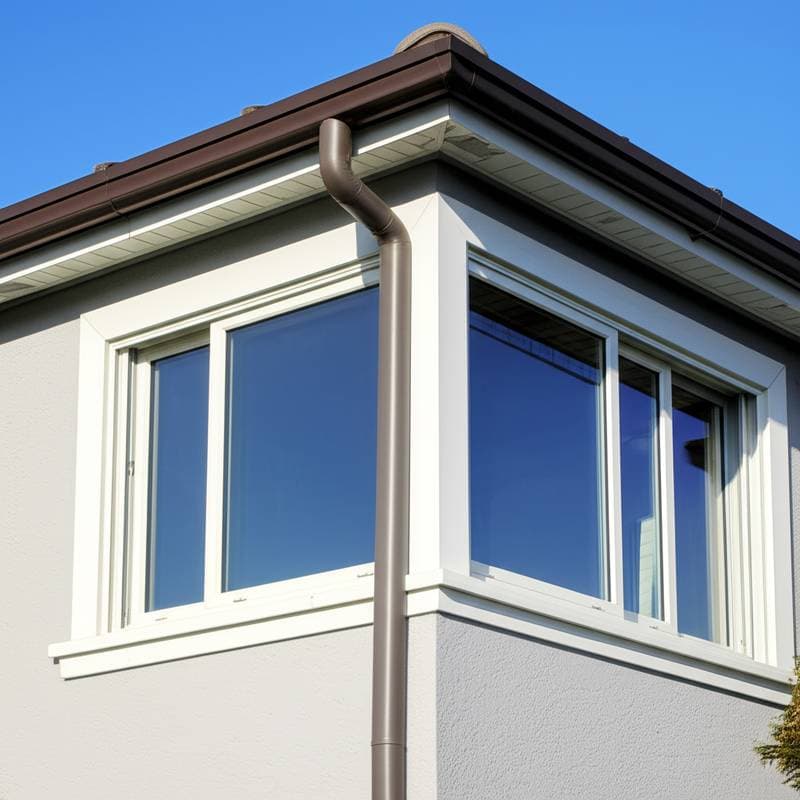
Explore 2025 insights on hurricane windows, covering costs influenced by materials and permits, plus insurance perks, financing options, and upkeep for sustained savings and property protection.
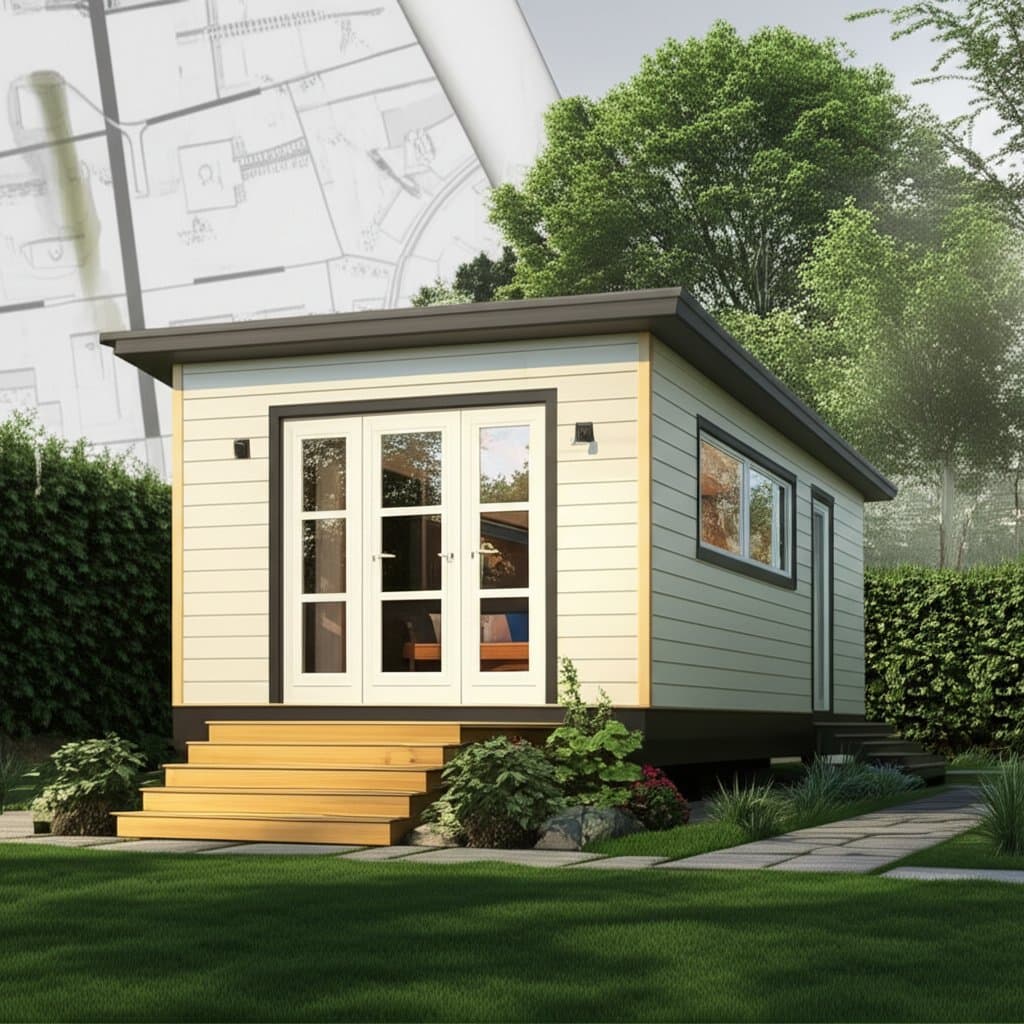
Granny pods deliver innovative, empathetic accommodations for elderly relatives, combining self-sufficiency with family closeness. Installation expenses span $90,000 to $250,000, shaped by zoning restrictions, approvals, and groundwork. Master local accessory dwelling unit policies, safety enhancements, and upkeep to achieve efficient construction and enduring benefits for shared living.
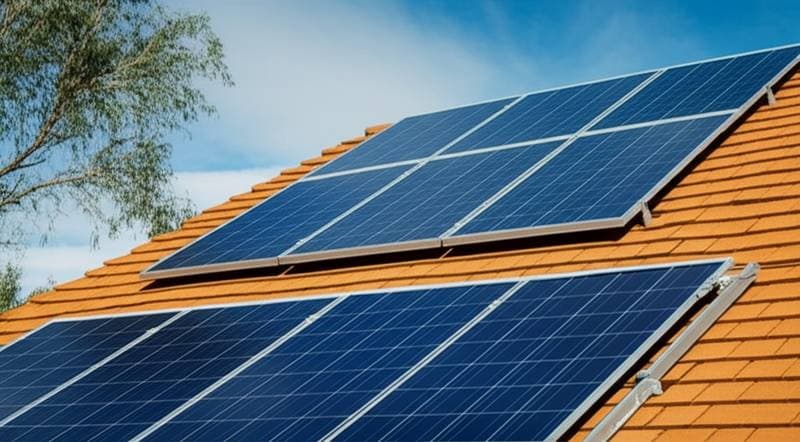
In 2025, residential solar costs decreased by 25%, enhancing accessibility to clean energy for homeowners. Reduced equipment prices, superior incentives, and payback periods of five to nine years boost adoption. Discover methods to evaluate your roof, claim rebates, and decide on DIY or professional installation for optimal savings.
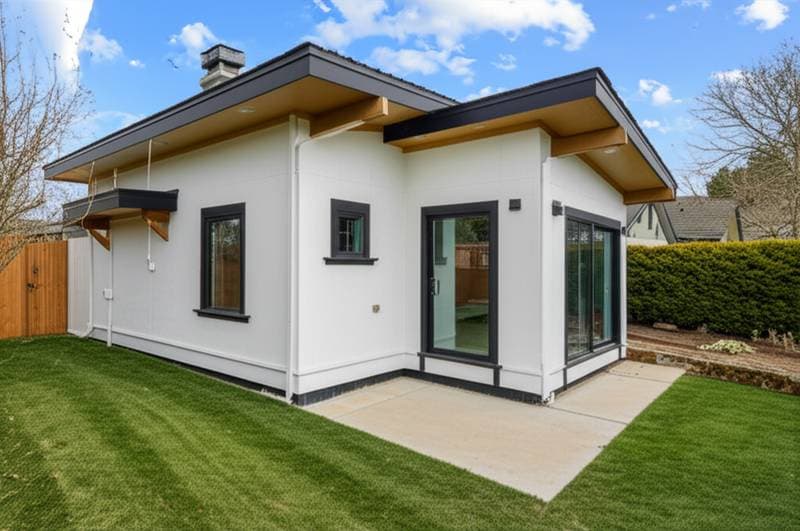
Recent 2025 zoning reforms lower ADU building expenses by 25 percent, enhancing accessibility for backyard dwellings. Simplified permitting, eased parking requirements, and ready-to-use designs accelerate projects and deliver substantial savings. Homeowners gain opportunities to boost property value, generate rental revenue, or accommodate family members more efficiently and economically.
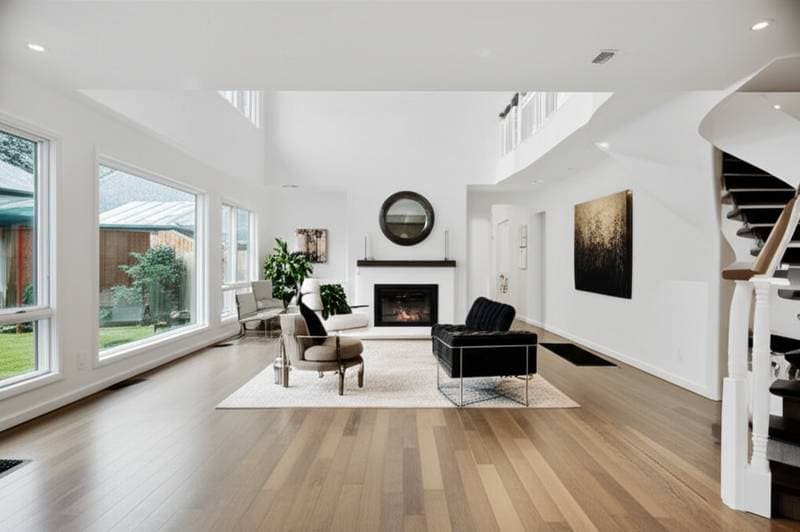
Home elevation projects in 2025 typically range from $100,000 to $250,000, offering substantial protection against flooding and potential reductions in insurance premiums. This comprehensive guide details the circumstances under which elevation proves beneficial, the elements that influence costs, and essential planning steps for a secure implementation. Discover the full process, common challenges, and viable alternatives to determine if elevating your home delivers long-term value.
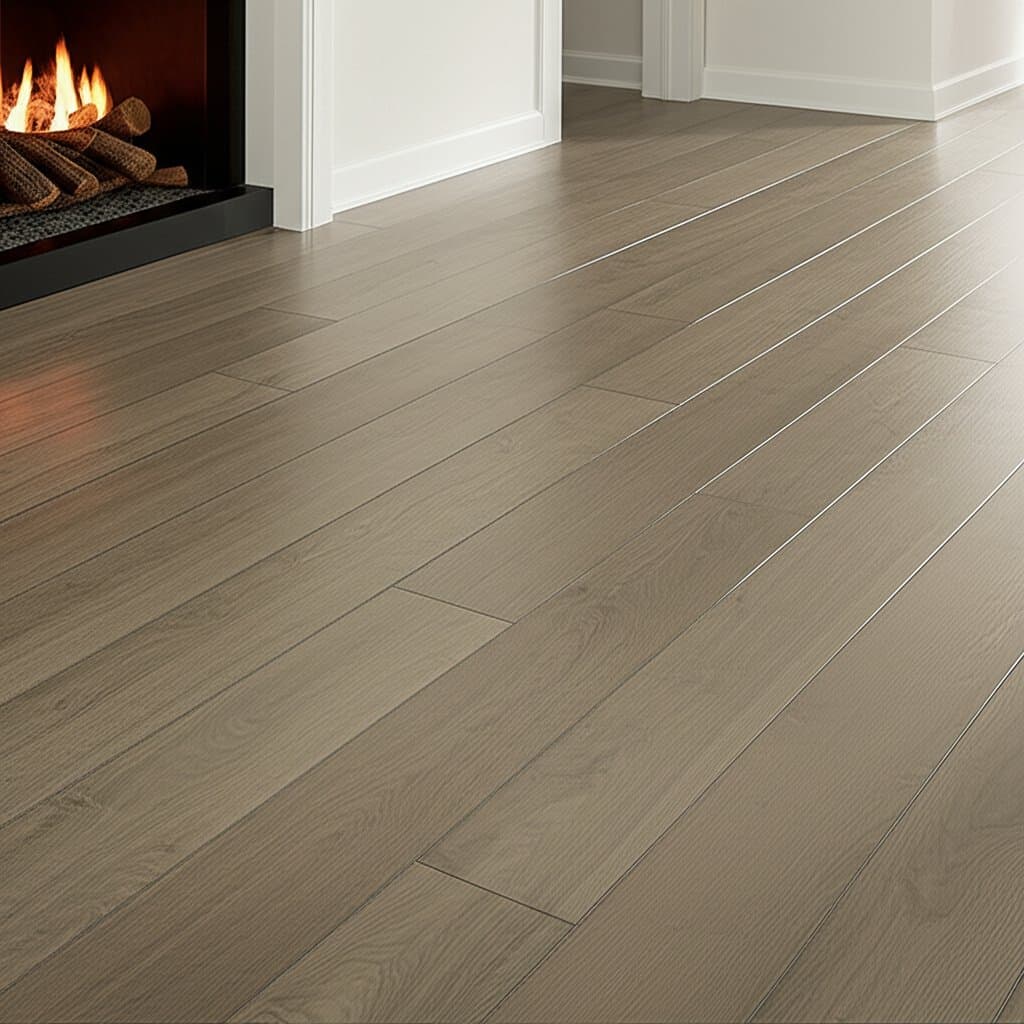
For 2025 home renovations, luxury vinyl plank flooring delivers hardwood aesthetics at budget-friendly prices, averaging $3 to $10 per square foot installed. This guide covers pricing drivers like material types and subfloor preparation, installation techniques, and strategies to optimize costs while ensuring a durable result.
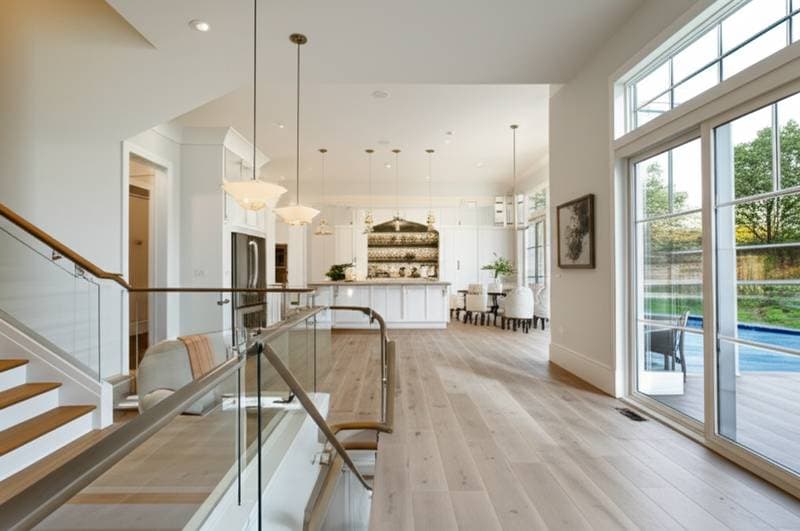
Multigenerational home renovations in 2025 range from $85,000 to $320,000, influenced by project scope, location, and design choices. Options like ADUs or in-law suites require strategic planning for permits, accessibility, and utilities. Discover budgeting strategies, safety essentials, and regional tips to create a supportive, valuable family home.
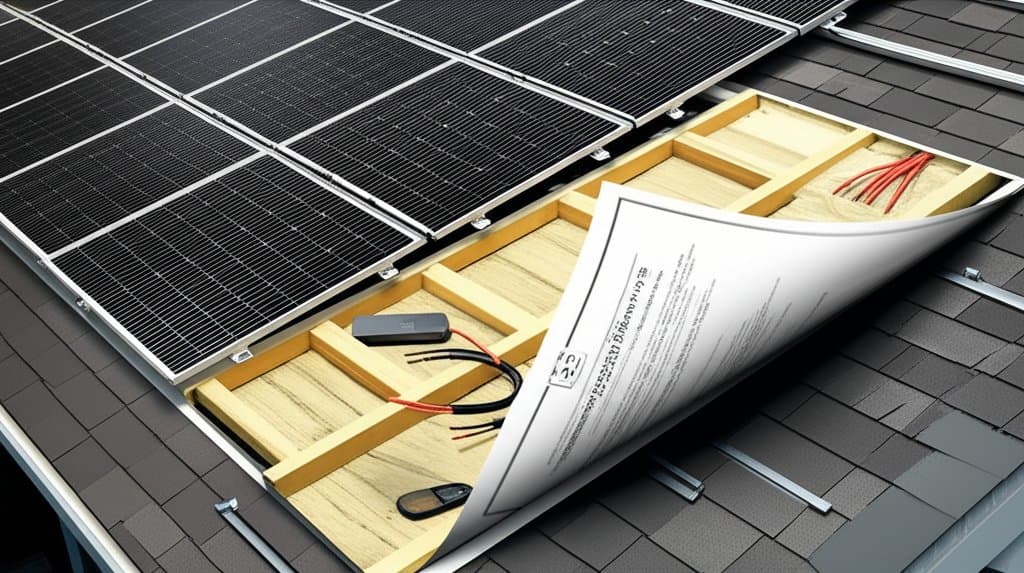
Solar roofs deliver elegant integration and enduring savings, but concealed costs like structural reinforcements, electrical overhauls, permitting hurdles, and warranty nuances can inflate budgets unexpectedly. This guide details cost drivers, evaluates DIY feasibility, and provides strategic planning tips for a successful 2025 solar roof endeavor.
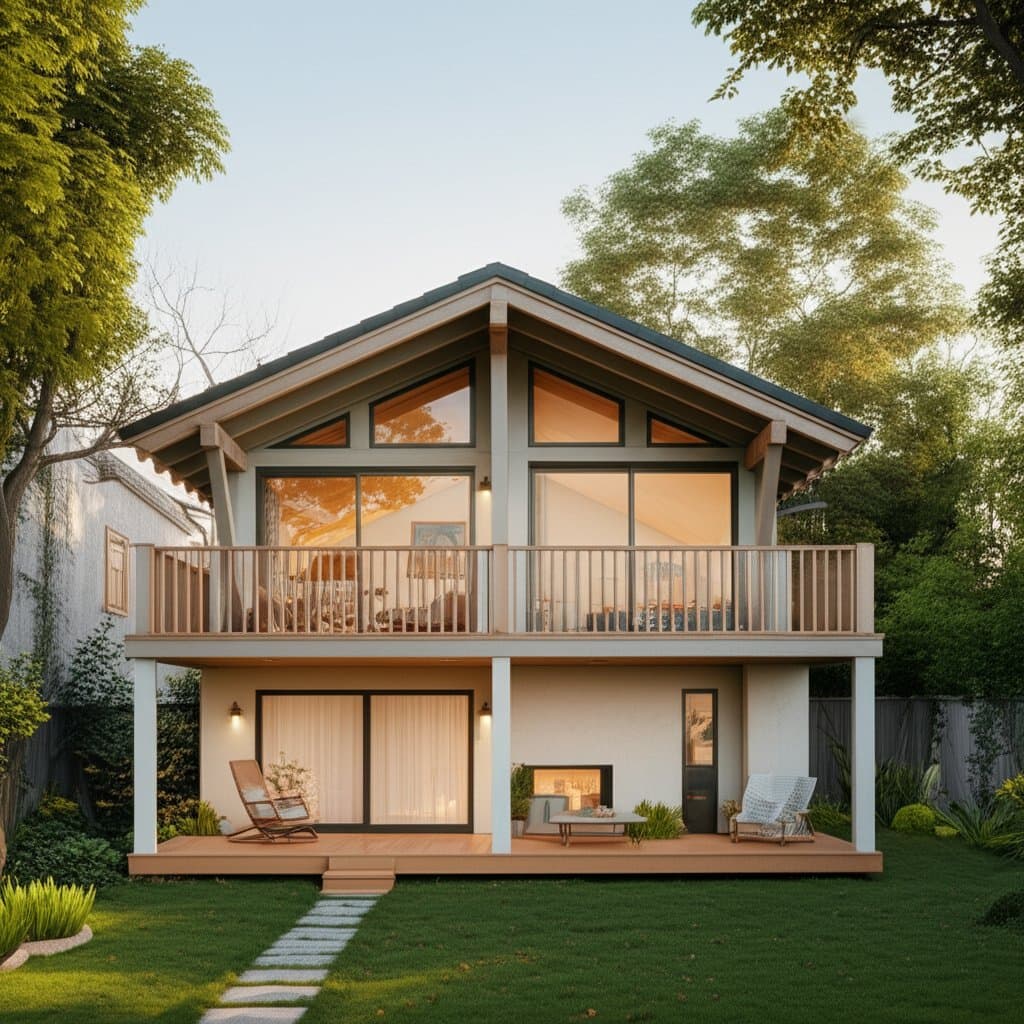
Explore 2025 granny flat costs state by state, from average prices and influencing factors to the full building process and maintenance advice for a successful ADU investment.
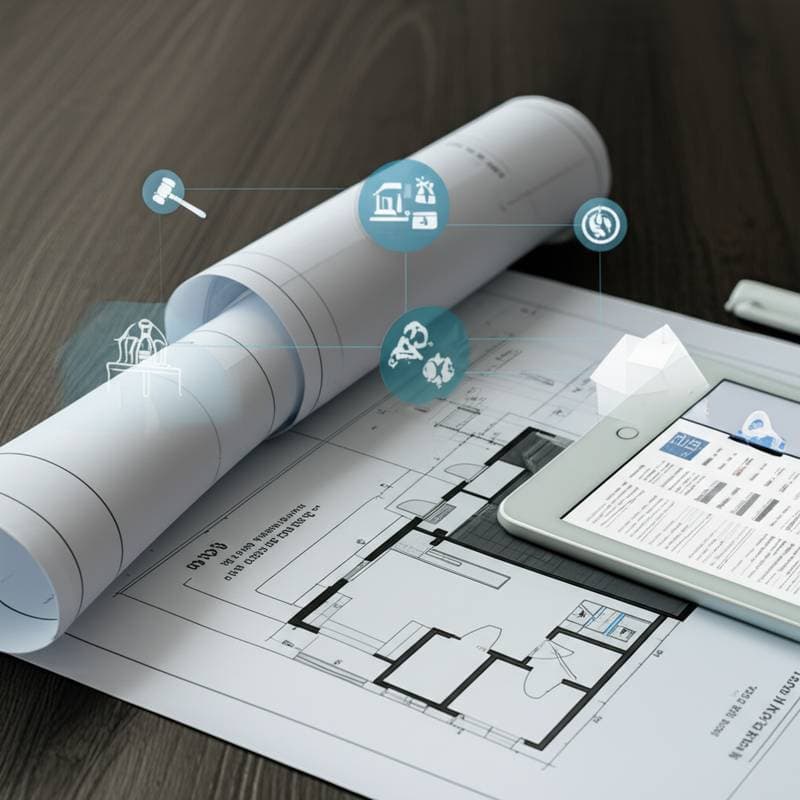
Planning an ADU or backyard studio in 2025? Expect permit costs between $2,700 and $23,000, shaped by project scale, utilities, and regional regulations. This guide details the process, from plan reviews to inspections, highlights pitfalls, and offers strategies for DIY or professional help to maintain compliance and control expenses.
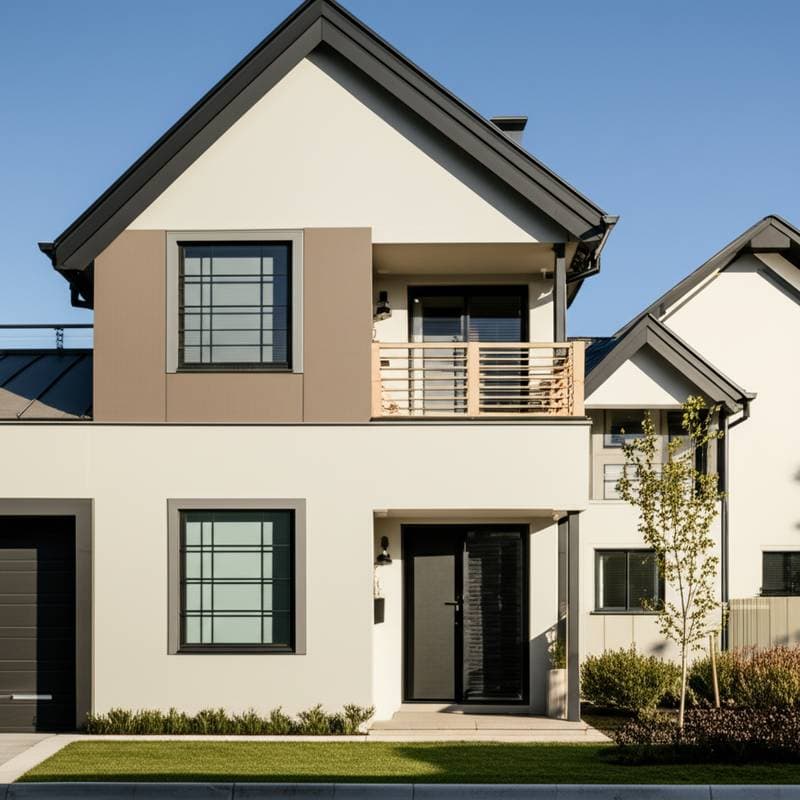
ADU costs in 2025 fluctuate up to 40% across states due to labor, permits, materials, and site factors. With averages at $180,000, discover how design, timing, and location influence your budget and ROI for this smart home addition.
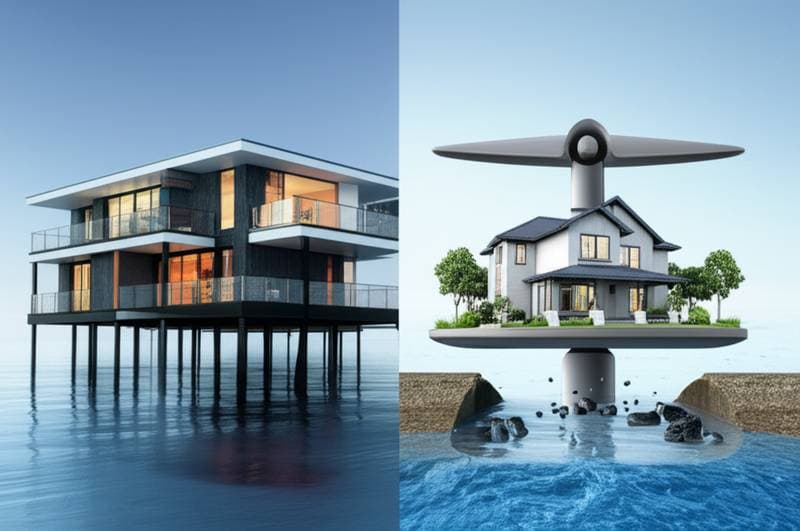
In 2025, effective flood-proofing requires evaluating elevation and drainage options against local codes and budgets. Elevation typically costs $40 to $140 per square foot, whereas drainage improvements range from $3,000 to $15,000. Integrating these approaches enhances protection, extends structural integrity, and qualifies for substantial insurance savings. This guide details suitability, cost drivers, and professional strategies for enduring flood resilience.