

Home Warranty Basics
Mold Coverage Usually Excluded from Home Warranties
Home warranties provide limited safeguards against mold, with coverage often optional and capped well below remediation expenses.
By Leah Rodriguez
4 min read
Showing articles 589 - 600 of 1307
Home warranties provide limited safeguards against mold, with coverage often optional and capped well below remediation expenses.
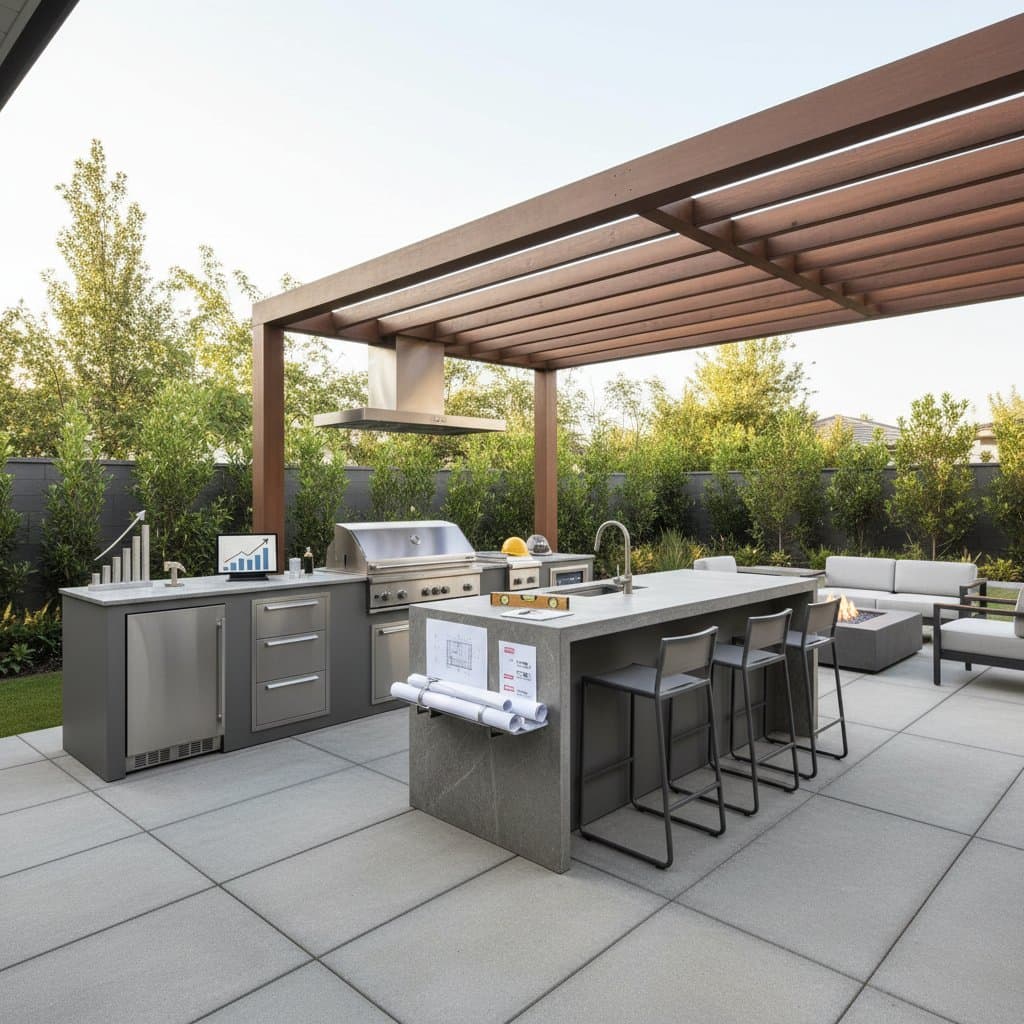
Outdoor kitchens transform backyards into vibrant gathering spots, yet their costs and permit requirements can catch homeowners off guard. This guide details 2025 pricing breakdowns, key regulatory steps, and strategies to avoid surprises while ensuring a durable, code-compliant project.
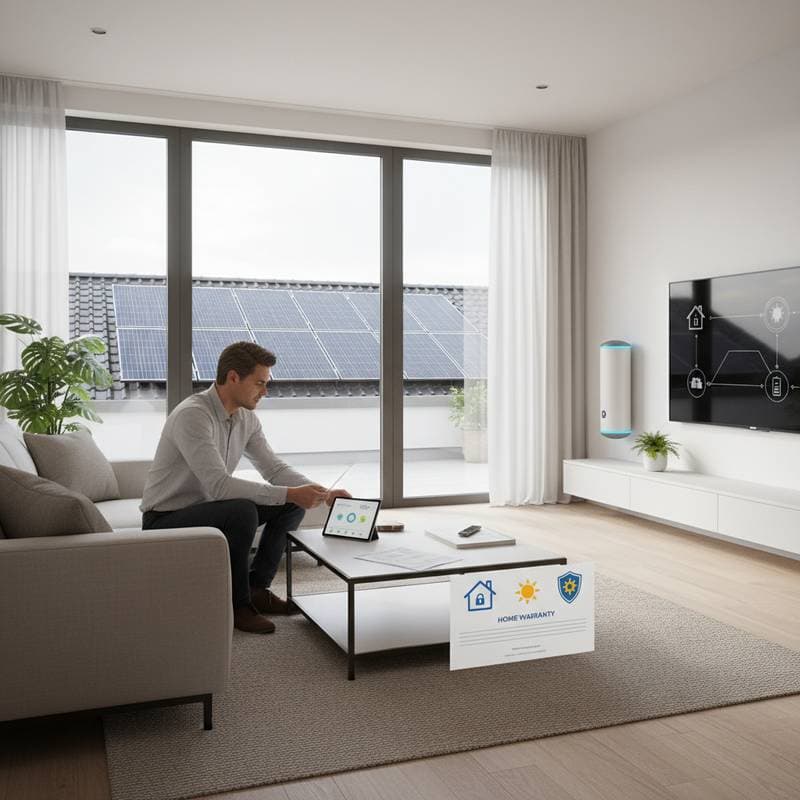
Standard home warranties often exclude solar panels and batteries, yet manufacturer warranties and add-on options provide essential safeguards. Homeowners benefit from reviewing coverage details, adhering to maintenance protocols, and integrating multiple protection layers to prevent unexpected repair expenses and ensure sustained energy efficiency.
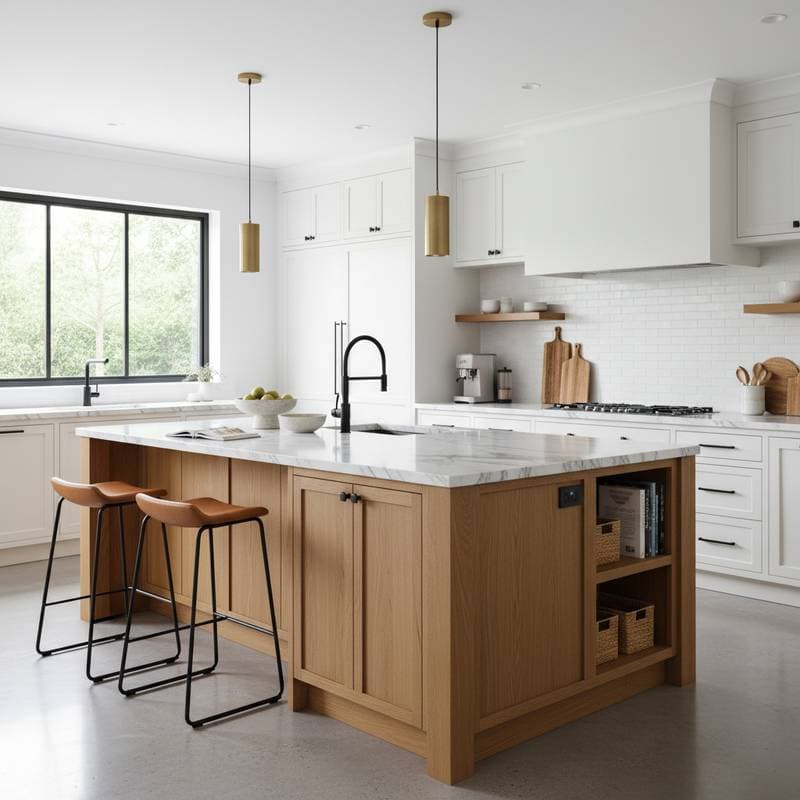
A thoughtfully designed kitchen island enhances home value and daily usability. Homeowners typically recover 60 to 80 percent of the $3,000 to $10,000 investment through improved workflow, added storage, and seating options. Proper integration into the kitchen layout ensures it serves as both a practical asset and an attractive focal point.
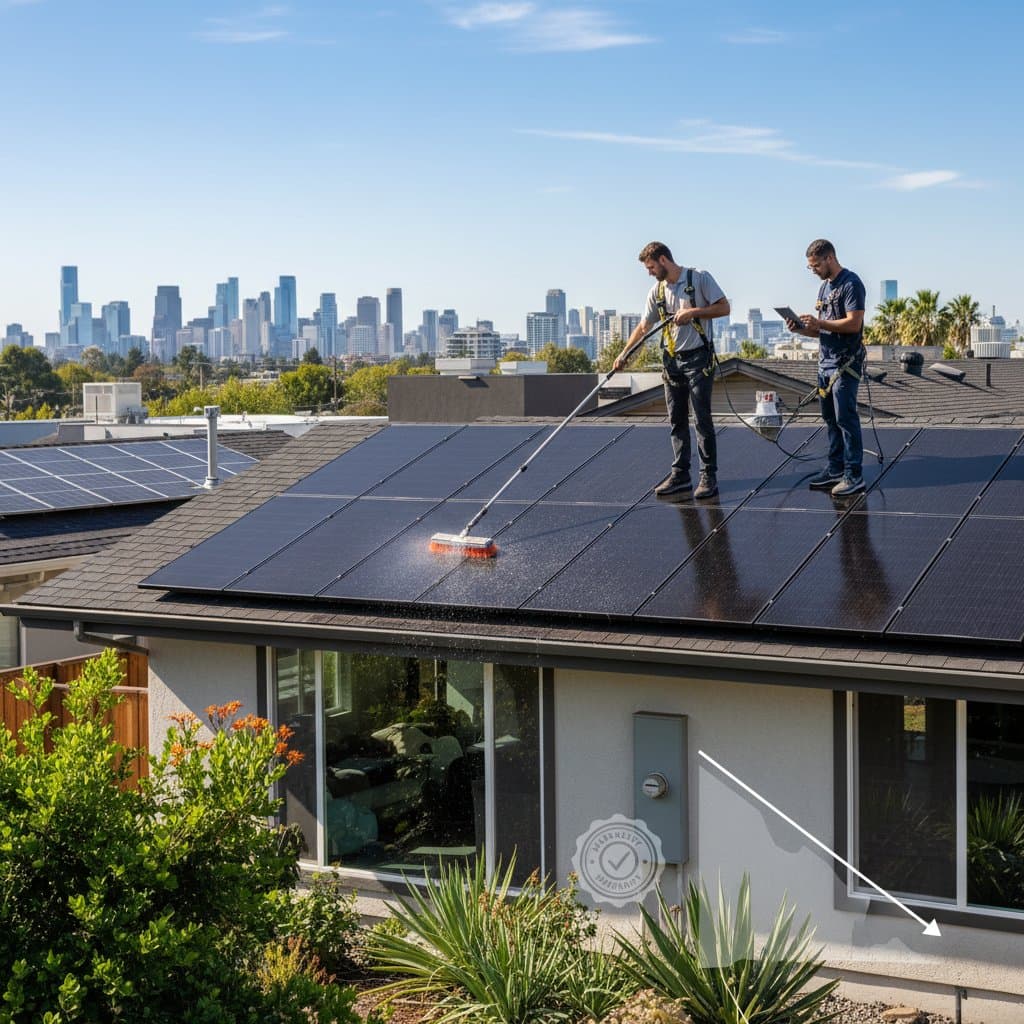
Regular maintenance preserves solar panel efficiency, upholds warranty coverage, and sustains energy savings over time. Professional services typically range from $150 to $400 per visit for cleaning and inspections, while comprehensive system evaluations occur every few years. Knowledge of warranty variations, local influences, and professional hiring criteria supports enduring performance, safety, and optimal returns on solar investments.
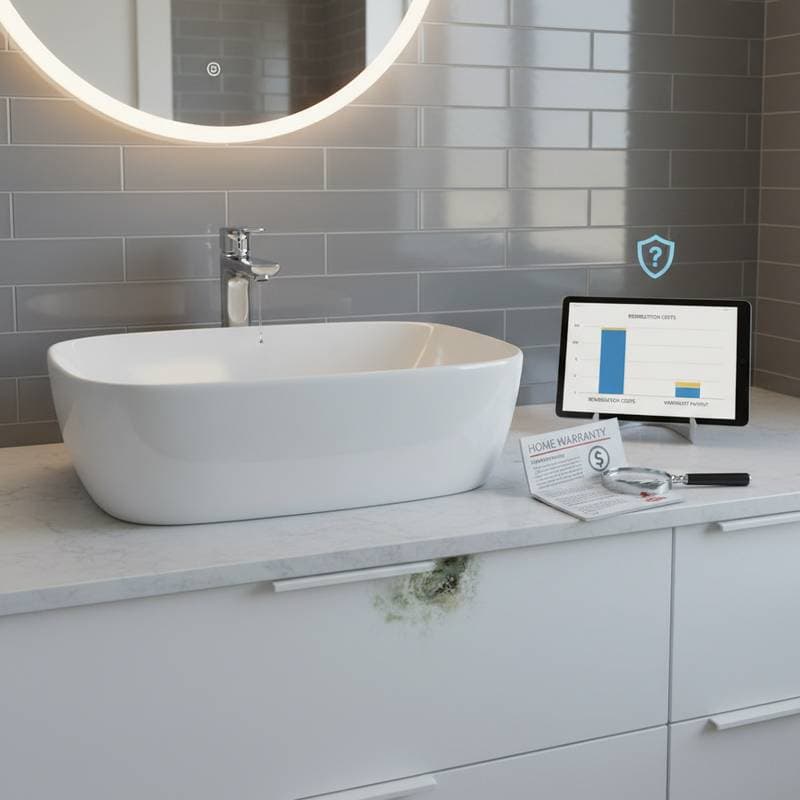
Home warranties generally exclude mold cleanup, focusing instead on the underlying mechanical failures like leaks. Optional add-ons provide limited coverage up to $1,000, while remediation often costs $1,200 to $5,000. Explore exclusions, prevention tips, and strategies to determine the best path for repairs and claims.

Shield your home from flooding with expert guidance on grading, sealing, and drainage. This resource details affordable DIY methods, professional interventions, and maintenance routines to ensure a dry foundation and reduced long-term costs.
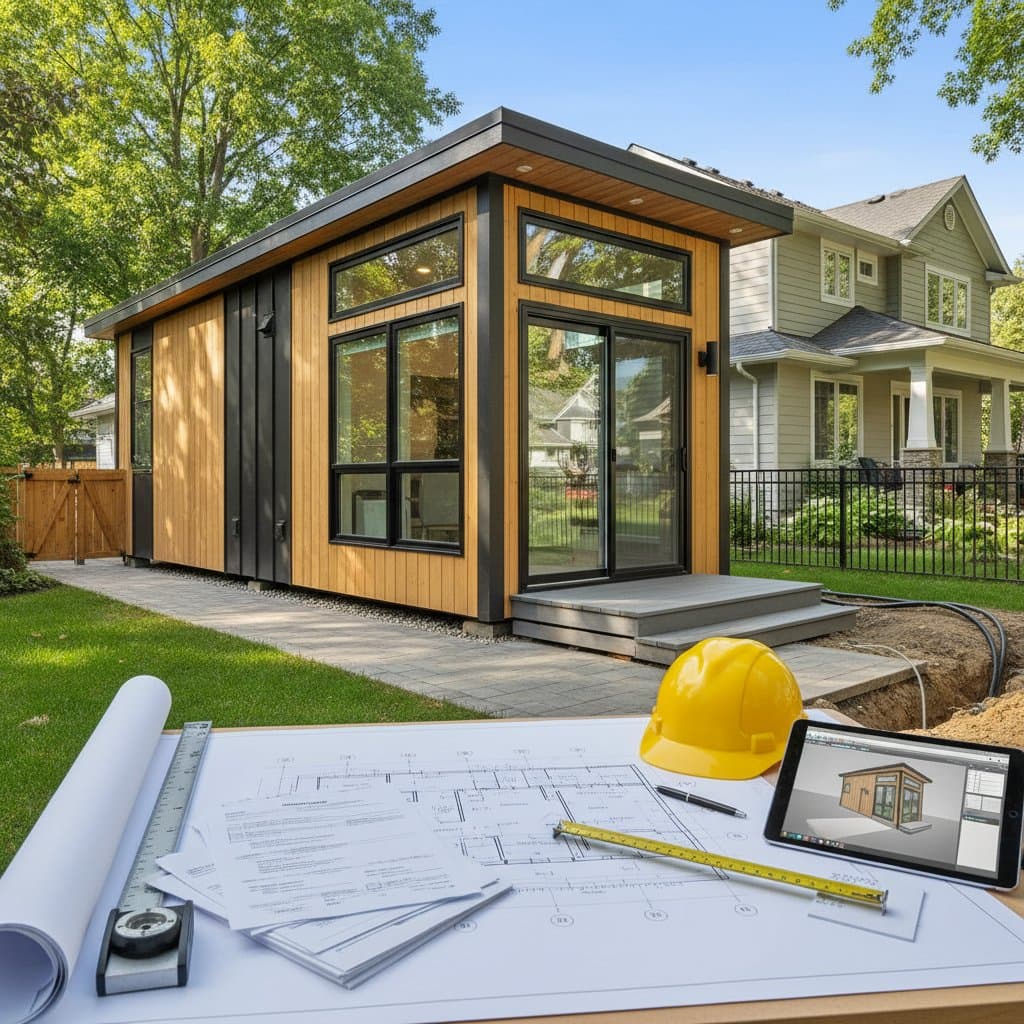
A 2025 granny pod build ranges from $65,000 to $175,000, with permits and zoning boosting costs by 10 to 25 percent. Project success hinges on understanding local regulations, site conditions, and strategic planning. Whether opting for prefab or custom designs, early focus on utilities, approvals, and compliance averts expensive setbacks and delivers a secure, compliant backyard residence.

Consider a kitchen remodel for 2025. Prioritize midrange upgrades that harmonize cost, style, and functionality to achieve optimal ROI, often ranging from 60 to 80 percent. Options such as cabinet refacing, fresh countertops, energy-efficient lighting, and modern appliances lead the way. These selections elevate value, comfort, and marketability while avoiding excessive expenditure or personalization.

Intensifying storms underscore the urgency of flood-proofing homes in 2025. This guide presents practical upgrades across five layers, from grading and sealing to backflow protection, elevation, and recovery systems. Included are cost estimates, DIY guidance, and maintenance protocols to ensure your property remains dry, secure, and resilient amid escalating water threats and variable weather conditions.

Uncover the essential costs involved in creating a multigenerational home that harmonizes privacy, accessibility, and communal areas. This guide covers everything from initial zoning evaluations to architect fees, with budgets typically spanning $150 to $400 per square foot, and explains how thoughtful planning promotes comfort, regulatory adherence, and enduring family adaptability in a single residence.

Solar warranties often hide exclusions that shift unexpected repair costs to homeowners, potentially totaling thousands of dollars.

In 2025, rental warranties offer landlords a smart way to manage repair costs and maintain property value. At an average of $650 per unit annually, these plans provide essential coverage while boosting tenant trust. This guide details how to select the right warranty, avoid common pitfalls, and integrate it into your maintenance strategy for optimal results.
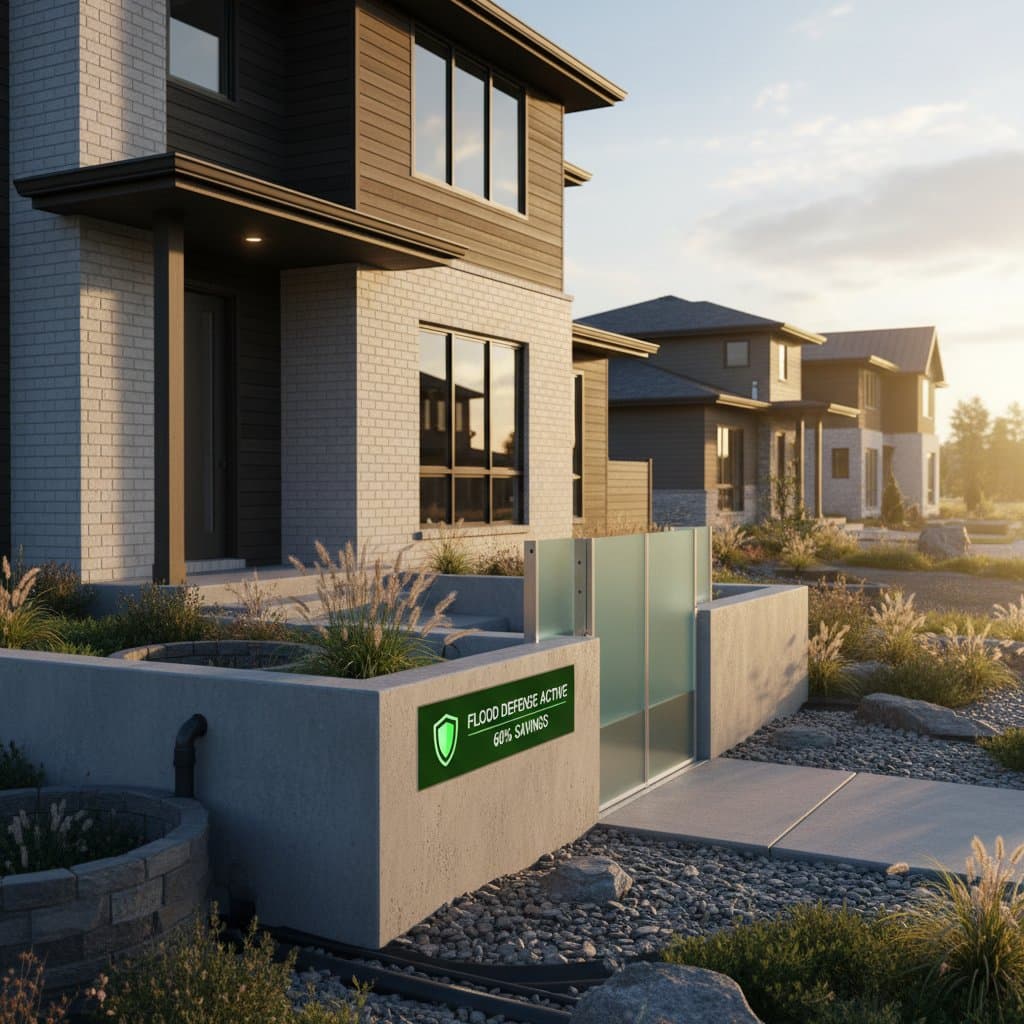
Floodproofing a home in 2025 ranges from $2,000 to $18,000 based on property size, materials, and project complexity. These systems address insurance shortcomings by protecting foundations, increasing property value, and lowering repair costs by 60 percent. Discover ways to optimize timing, select services, and ensure certified installation for maximum savings and flood resilience.

In 2025, navigating solar maintenance involves balancing professional services for warranty compliance against DIY cost reductions. Professional care averages $400 to $650 annually, while DIY options save money but risk voiding coverage. Explore ways to maintain efficiency, avoid pitfalls, and maximize your system's value.

AI thermostats enhance home comfort and energy efficiency, yet understanding warranty terms is crucial for long-term protection. This comprehensive guide covers standard coverage durations, influencing factors on eligibility, and strategies for selecting optimal plans. Explore installation best practices, maintenance routines, and when extended warranties provide the most value.
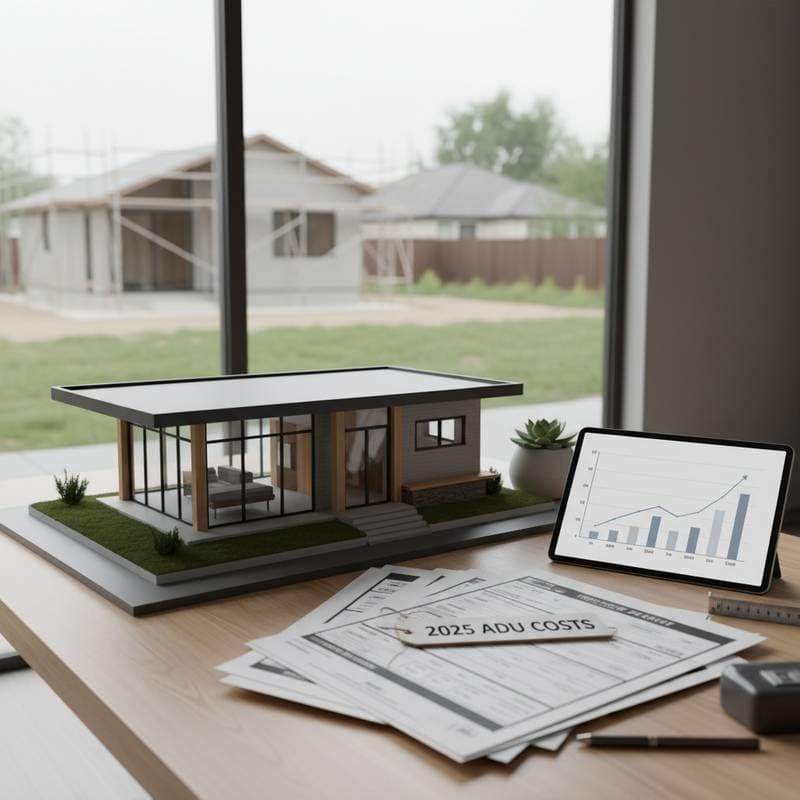
Uncover the true expenses of building a granny flat in 2025, from initial permits to final occupancy. This guide details cost influences like location and design, with ranges from $65,000 to $280,000, plus timelines, funding ideas, build options, and upkeep advice for a seamless accessory dwelling unit project.

Solar panel warranties protect your long-term investment, yet their details on performance, product defects, and installation can vary widely. This guide details coverage periods, potential voids, maintenance essentials, and claim processes to ensure optimal system efficiency and value for homeowners.

Garage conversions offer valuable additional space, yet unforeseen expenses like structural adjustments, utility extensions, and regulatory fees frequently escalate costs. This comprehensive 2025 guide details realistic price ranges, identifies frequent oversights, and provides proven tactics for a compliant, cost-effective project that enhances your home's value.
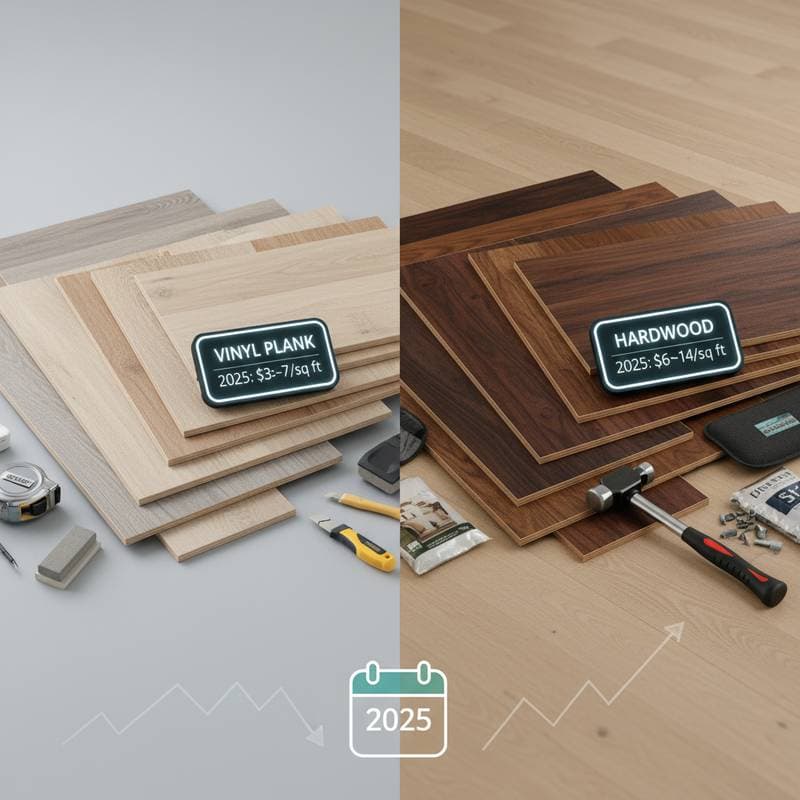
Vinyl and hardwood differ in upfront costs, maintenance, and resale impact. For 2025, vinyl ranges $3–$7 per sq ft with lower upkeep, while hardwood $6–$14 boosts value by up to 5%. Factor in installation, location, and prep to cut expenses and enhance home equity.