Real Costs of Home Office Conversions in 2025
Transforming an unused space into a dedicated home office offers significant advantages in daily life and long-term property worth. Many individuals seek such changes to support remote work trends that persist into 2025. However, the financial commitment requires careful consideration to align with budgets and goals.
Costs fluctuate based on project scope, location, and material choices. Basic enhancements might involve minimal structural work, while extensive renovations demand professional oversight. This guide examines these elements to provide clarity for informed decisions.
Key Factors Driving Home Office Conversion Costs
Several variables determine the overall expense of creating a home office. Geographic location plays a primary role, as labor rates and material availability differ across regions. Urban areas often incur higher fees due to elevated demand and regulatory requirements.
Room size and existing condition also influence pricing. A small, well-maintained space needs fewer modifications than a larger, outdated area requiring foundational repairs. Energy efficiency standards in 2025 further impact costs, with incentives for sustainable features potentially offsetting initial outlays.
Material selections add another layer of variability. Opting for durable, high-quality furnishings elevates expenses but ensures longevity. Conversely, budget-friendly alternatives maintain functionality without compromising essential ergonomics.
Detailed Cost Breakdown for 2025 Projects
Home office conversions span a spectrum of investments, tailored to individual needs. Entry-level projects focus on essential upgrades that deliver immediate improvements. These typically range from $3,000 to $7,000 and include painting, lighting installations, and basic furniture assembly.
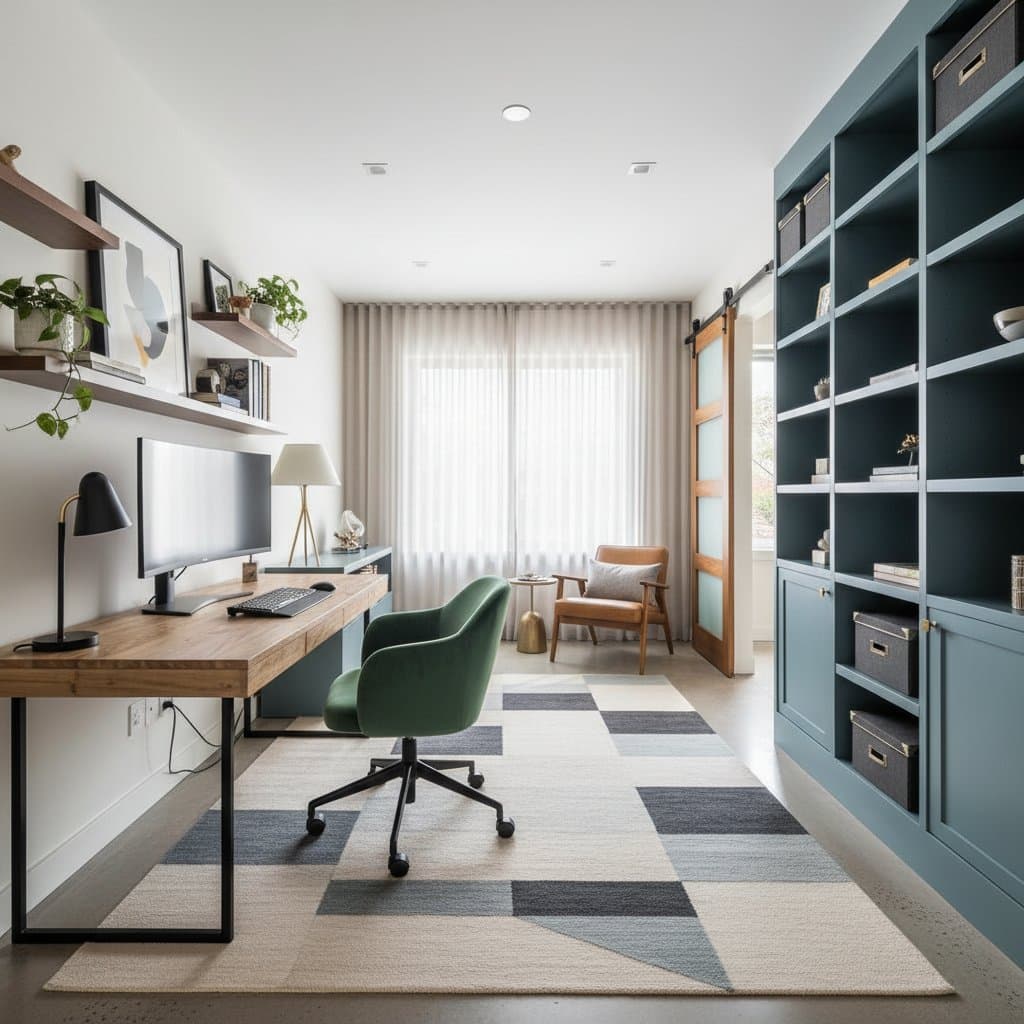
For instance, ergonomic desks and adjustable chairs form the core of such setups. Adding soundproofing panels or cable management systems enhances usability. Professionals recommend allocating 20 percent of this budget to electrical updates for safe device integration.
Mid-range conversions, priced between $8,000 and $15,000, incorporate structural adjustments. Wall modifications for built-in shelving or window treatments for natural light control fall into this category. Heating and cooling enhancements ensure year-round comfort, particularly in variable climates.
Comprehensive remodels represent the upper end, from $16,000 to $25,000 or more. These involve plumbing for a dedicated sink, custom cabinetry, and advanced tech integrations like smart lighting. In 2025, incorporating voice-activated systems aligns with rising automation trends, though installation demands skilled contractors.
- Furniture and Fixtures: $1,000–$5,000, covering desks, chairs, and storage solutions.
- Electrical and Lighting: $500–$3,000, including outlets, LED fixtures, and wiring.
- Painting and Flooring: $800–$4,000, with eco-friendly options gaining popularity.
- Structural Changes: $2,000–$10,000, for walls, doors, and insulation.
- Professional Fees: $1,500–$5,000, encompassing design consultations and labor.
Navigating Permits and Professional Assistance
Local regulations govern home modifications to uphold safety standards. In 2025, zoning laws emphasize energy compliance and accessibility features. Homeowners must consult municipal offices early to identify required permits, which can add $200 to $1,000 in fees.
Electrical and structural work necessitates licensed professionals to avoid hazards. Unpermitted alterations risk fines or insurance complications during resale. Engaging architects or interior designers streamlines the process, ensuring compliance while optimizing space.
Budget for inspections, as they verify code adherence. In regions with strict building codes, such as coastal areas prone to natural events, reinforcements become mandatory. This proactive approach safeguards investments and family well-being.
Strategies to Optimize Costs and Efficiency
Effective planning minimizes unnecessary expenditures while maximizing functionality. Start by assessing current space utility and workflow needs. Sketching layouts helps visualize cable routing and furniture placement before purchases.
Prioritize multifunctional elements, like desks with integrated storage, to conserve space. In 2025, modular systems allow future adaptations without full overhauls. Sourcing materials from sustainable suppliers qualifies for tax credits, reducing net costs.
Compare contractor bids from at least three sources to secure competitive rates. Verify credentials through industry associations for reliability. Phasing the project, such as completing essentials first, spreads payments and tests usability.
- Conduct a space audit to identify must-have versus nice-to-have features.
- Research local incentives for green upgrades, potentially saving 10–20 percent.
- Schedule work during off-peak seasons for discounted labor.
- Invest in quality basics to avoid frequent replacements.
Enhancing Productivity and Property Value
A well-designed home office directly improves daily output and focus. Proper lighting reduces eye strain, while ergonomic setups prevent health issues over time. These elements contribute to sustained remote work effectiveness in 2025's hybrid environments.
Beyond personal benefits, strategic conversions elevate home appeal. Buyers increasingly value dedicated workspaces, with studies showing up to 10 percent resale value increases. Neutral designs and smart features attract a broader market.
Document all improvements for future appraisals. This not only justifies higher listing prices but also highlights energy savings. Ultimately, thoughtful investments yield returns in comfort, efficiency, and financial gain.
Invest in Your Space for Lasting Impact
Approaching a home office conversion with diligence transforms potential challenges into opportunities. By understanding cost drivers and implementation steps, individuals achieve environments that support professional success. The result is a home that works as hard as its occupants, fostering balance and prosperity well into the future.