Loading...

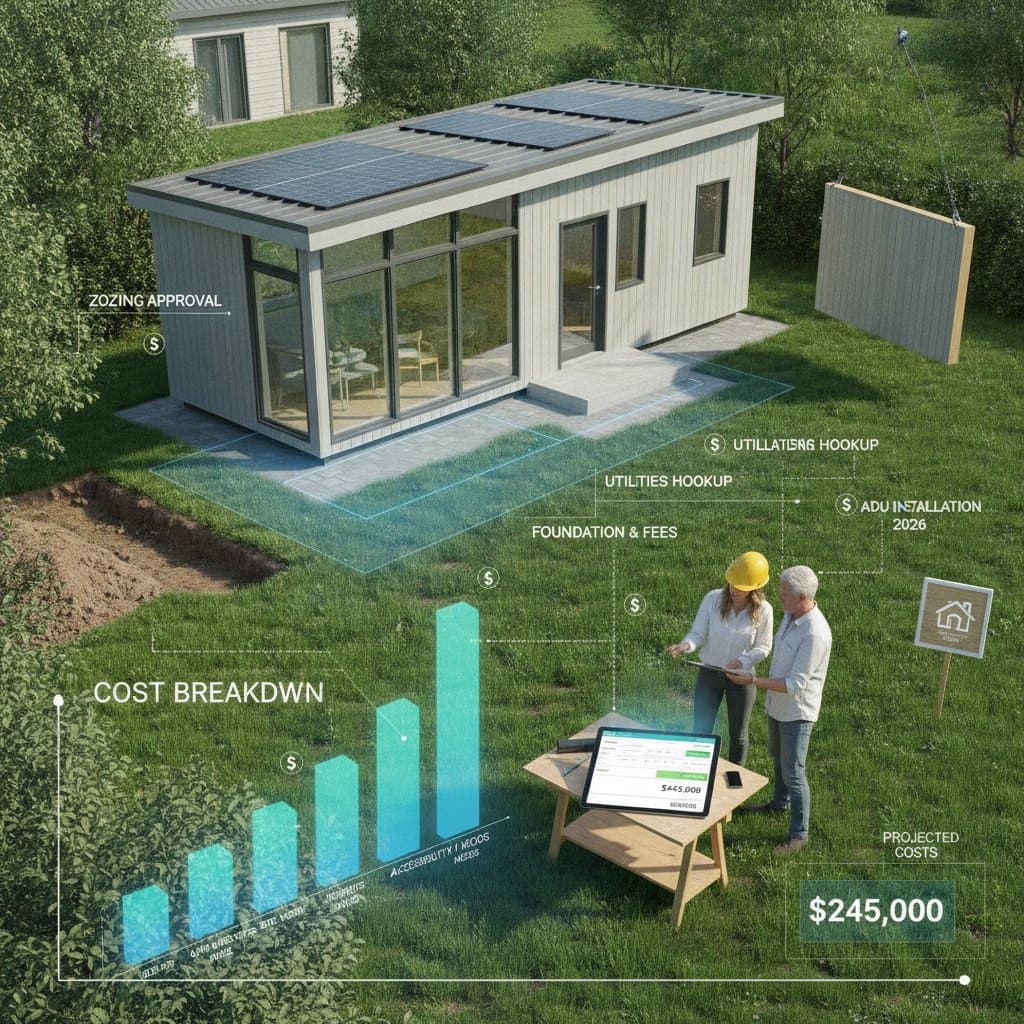
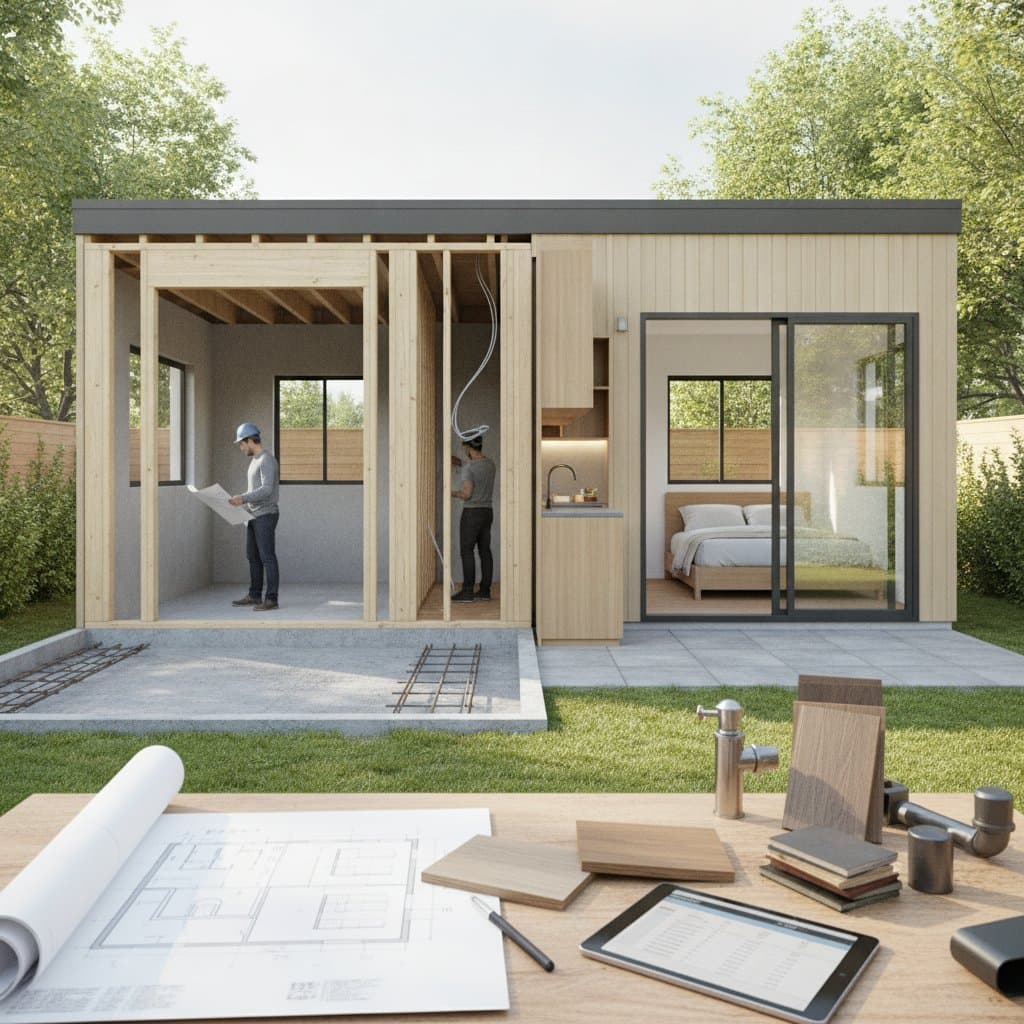
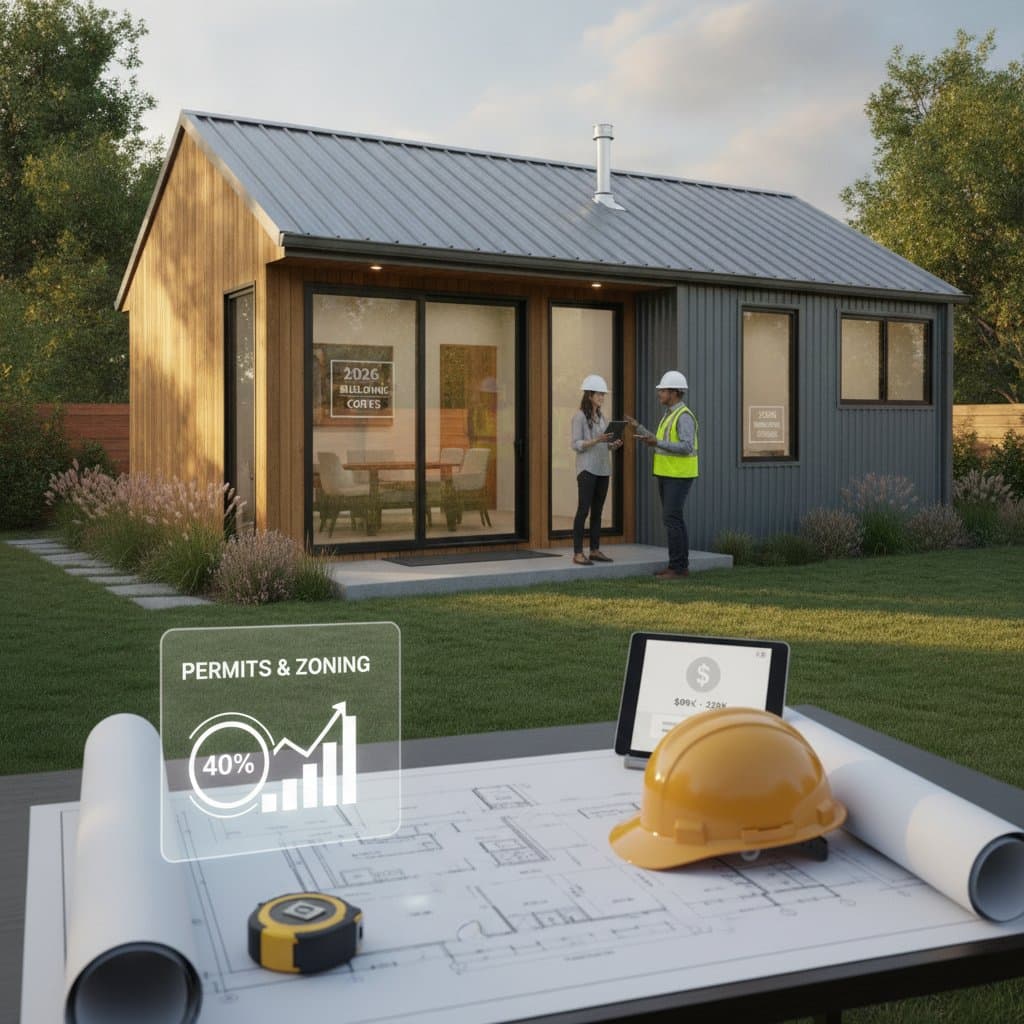
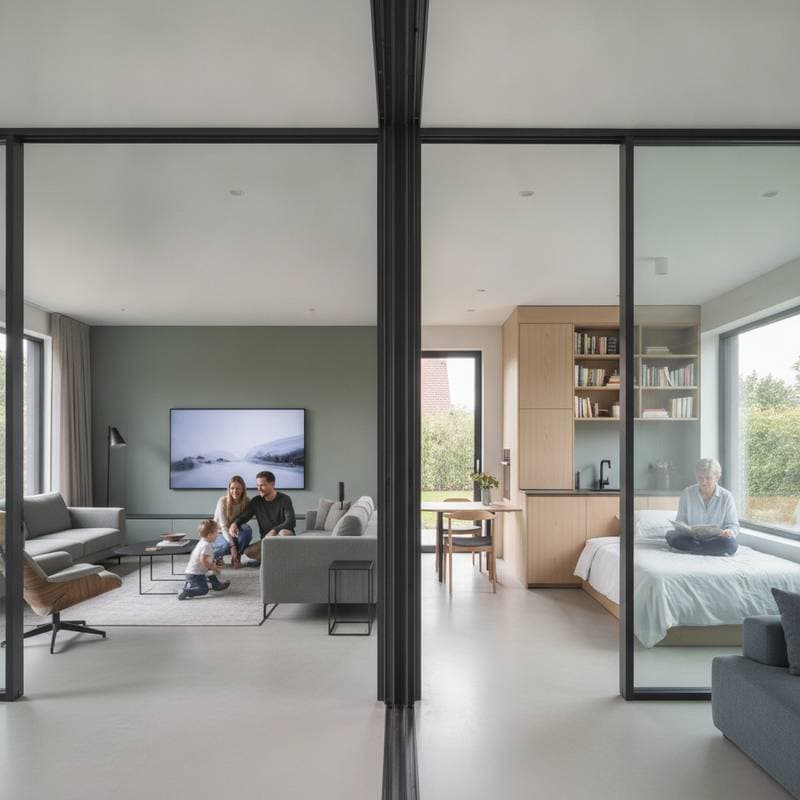
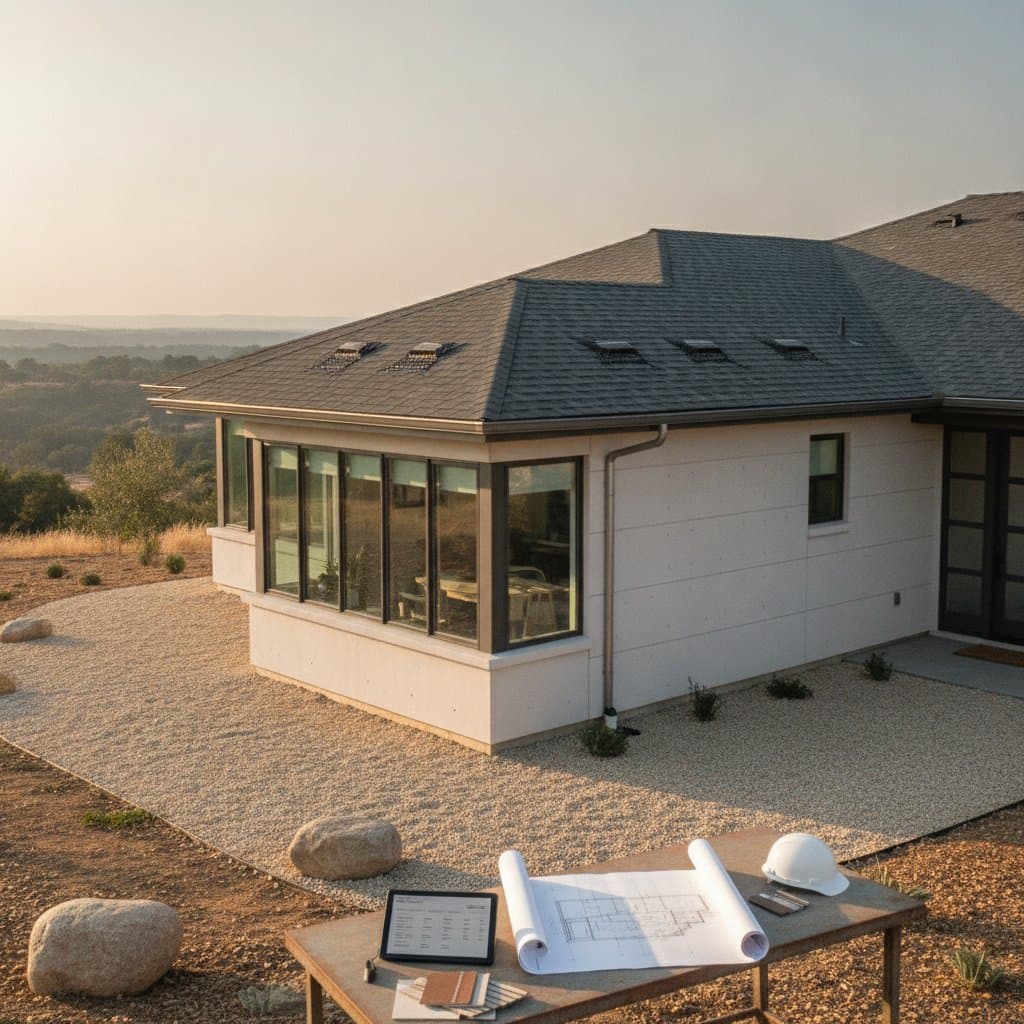
A granny pod typically costs $100,000–$300,000, with size, finishes, site conditions, utilities, and local approvals driving the final price. Before buying, confirm zoning, setbacks, permits, and fees. Compare itemized professional bids, budget 10–15% for surprises, and plan accessibility features early to create affordable, compliant, long-term housing.
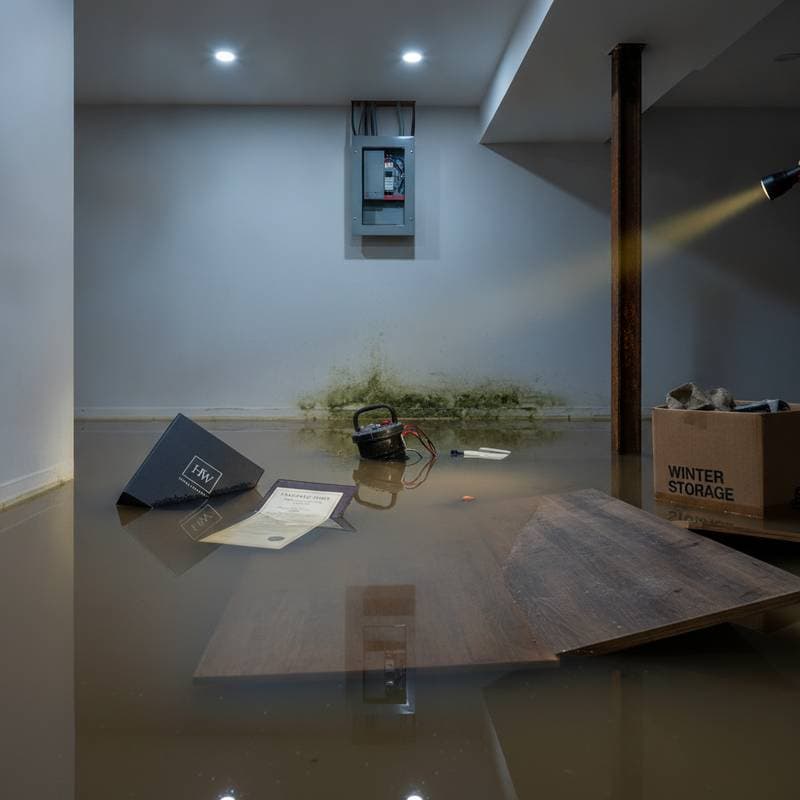
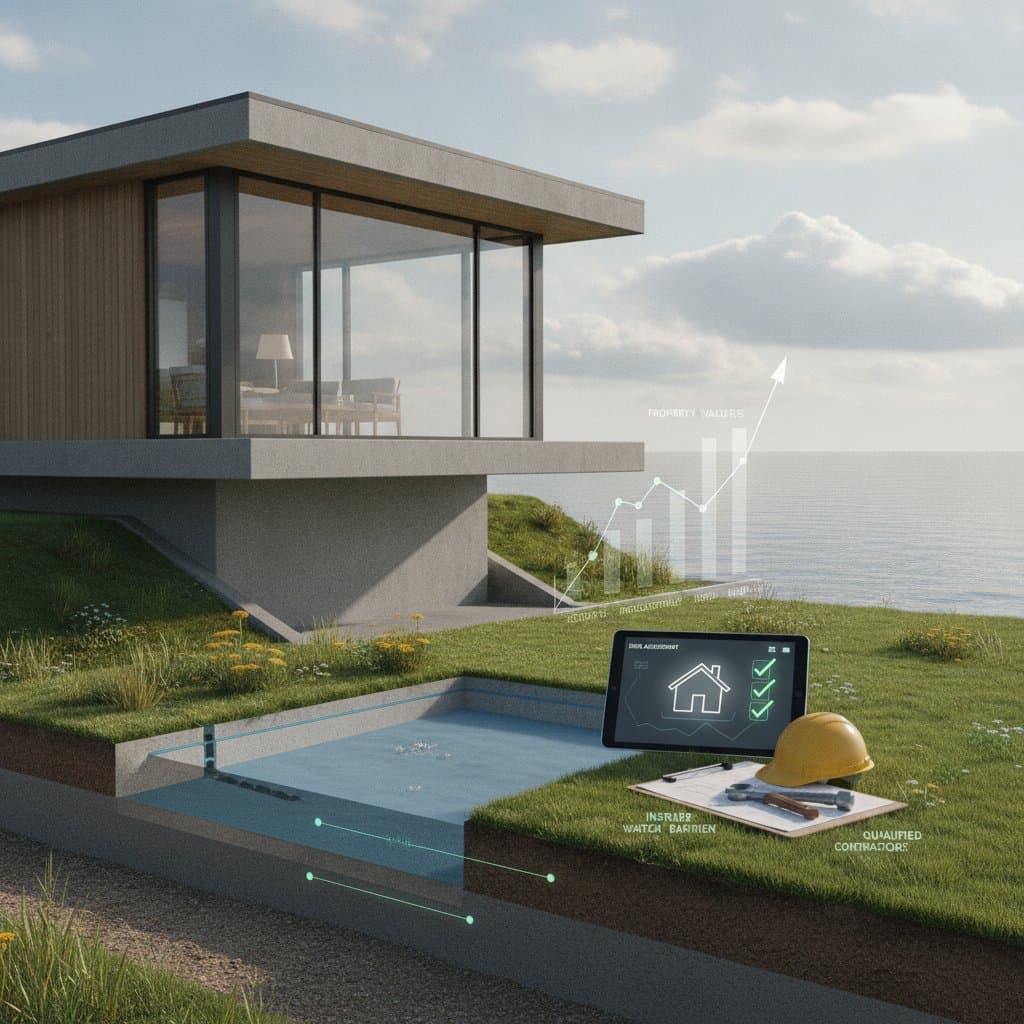
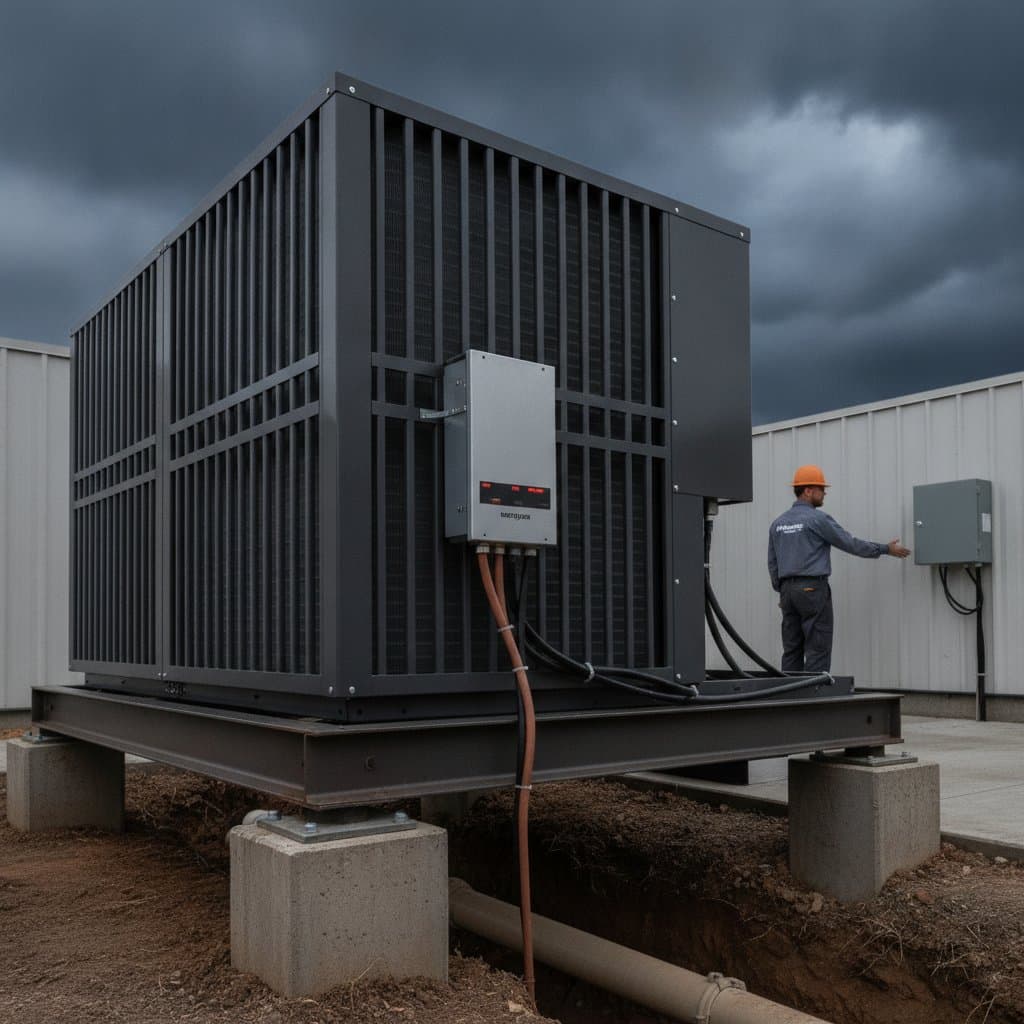
Flood upgrades can reduce damage, improve safety, and strengthen resale appeal—but savings are never automatic. Start with a professional risk assessment, prioritize targeted improvements, confirm insurer recognition in writing, and calculate total costs, financing, maintenance, and break-even time. Proper documentation, qualified contractors, and ongoing testing are essential to protecting both coverage and value.
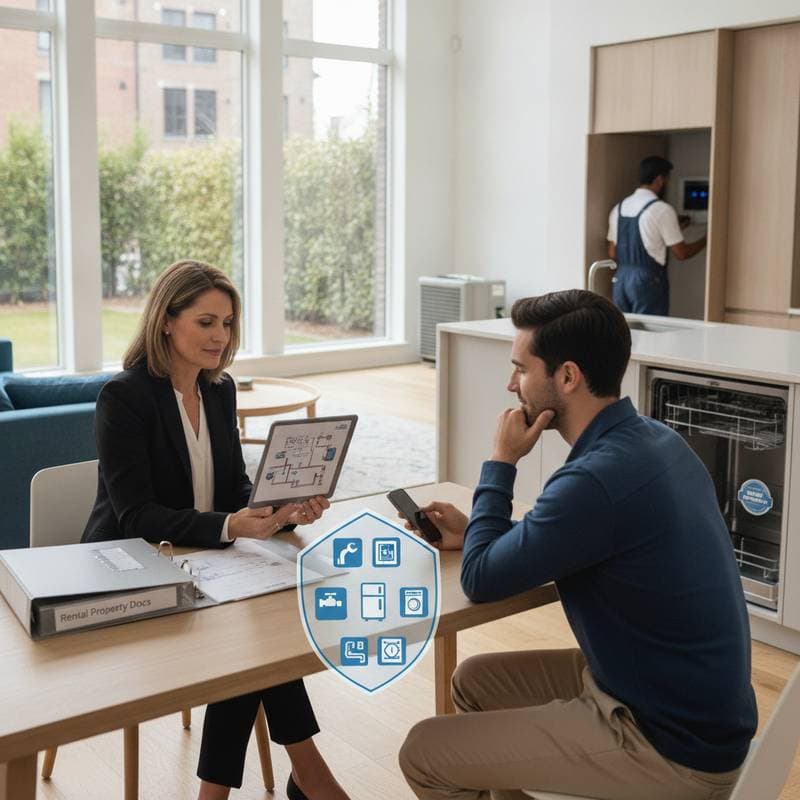
Converting a room into a home office may offer tax savings, but eligibility depends on self-employment, regular exclusive use, documented expenses, and income limits. Compare simplified and actual methods, separate repairs from improvements, allocate shared costs, and preserve detailed records. Before spending, weigh deductions, depreciation, financing, and future sale consequences carefully.
Learn the true expenses involved in building a granny flat in 2026. This guide details costs from design through final finishes, explains timeline factors, and outlines key decisions that influence total investment and property value.
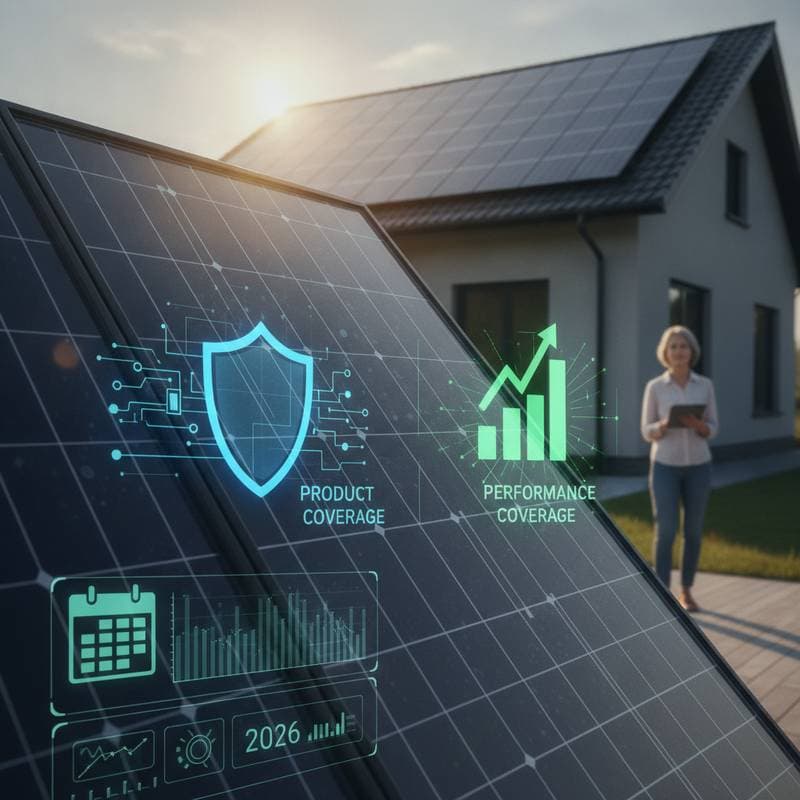
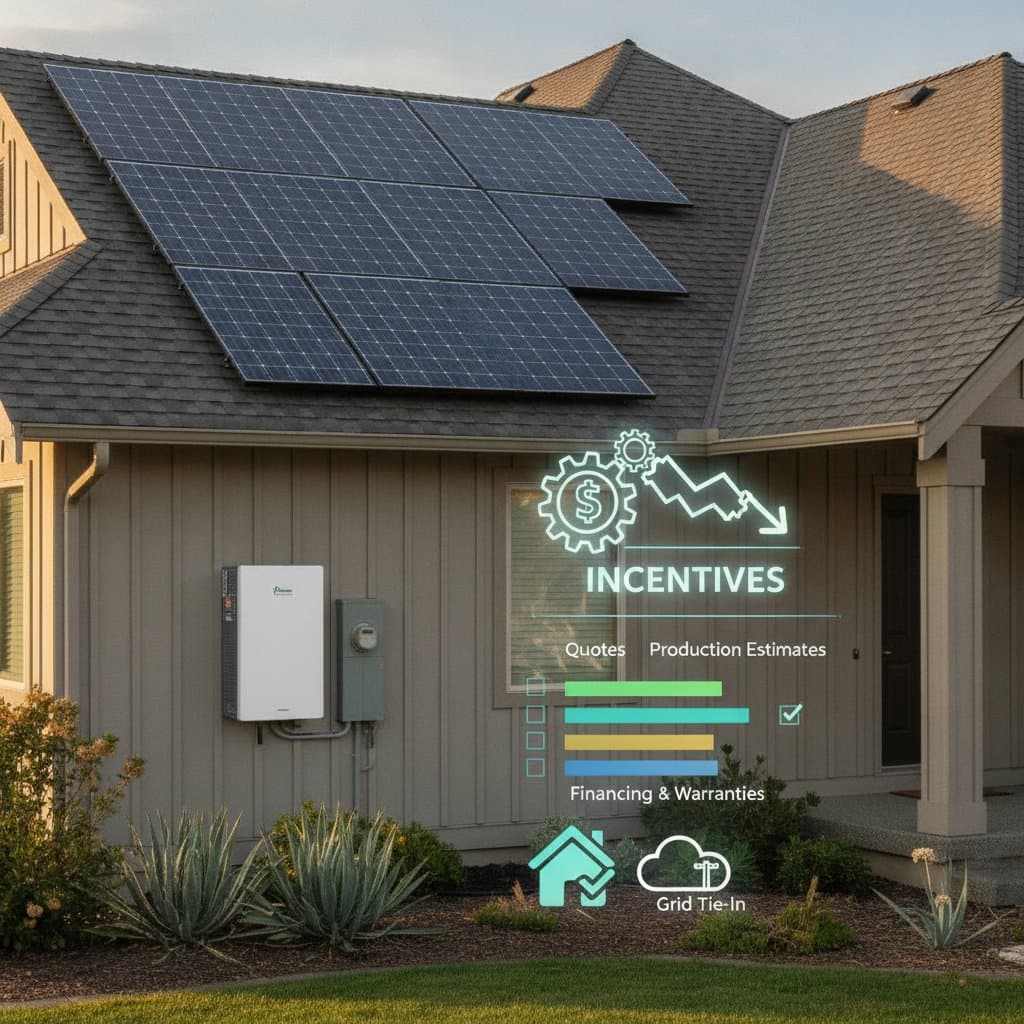
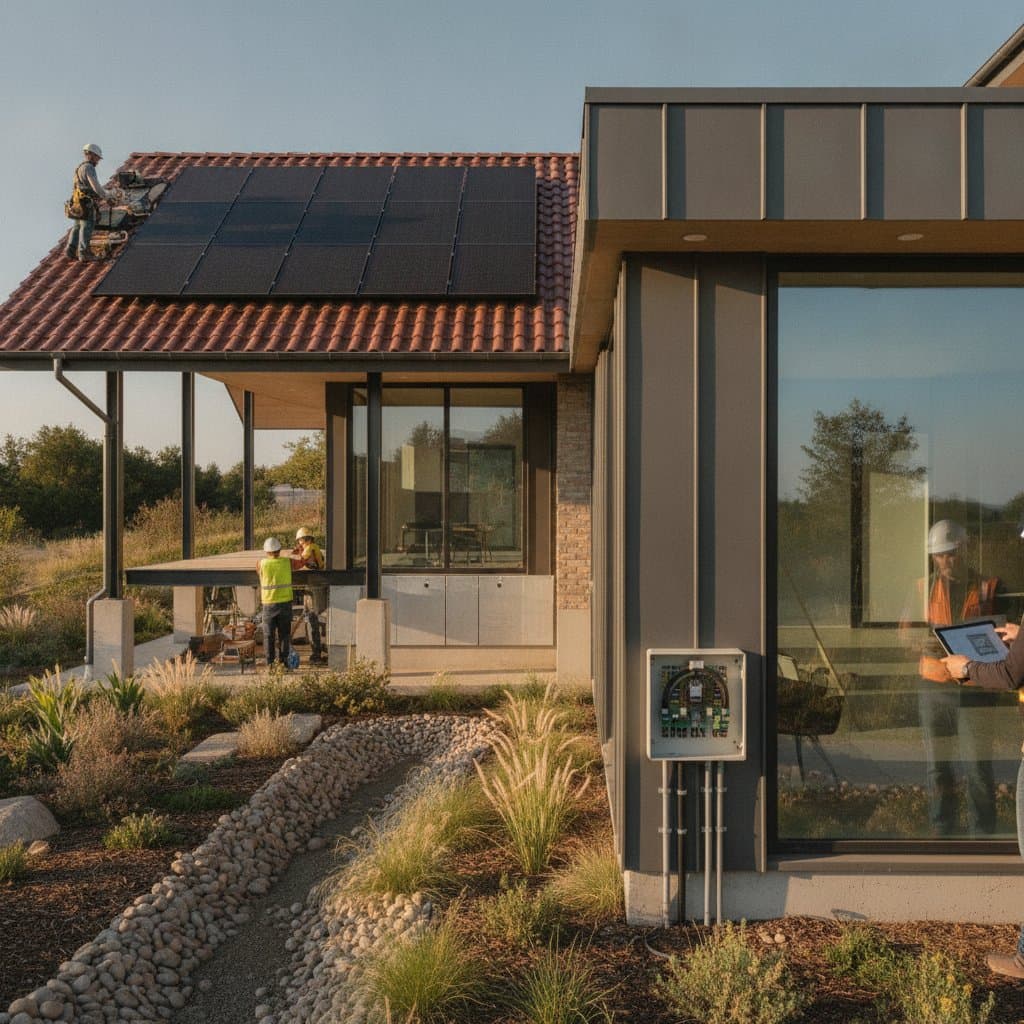
Solar panel warranties define long-term value through product defect protection and performance guarantees. Exclusions, service fees, and claim processes vary widely. Understanding coverage levels and fine print helps homeowners avoid costly surprises.
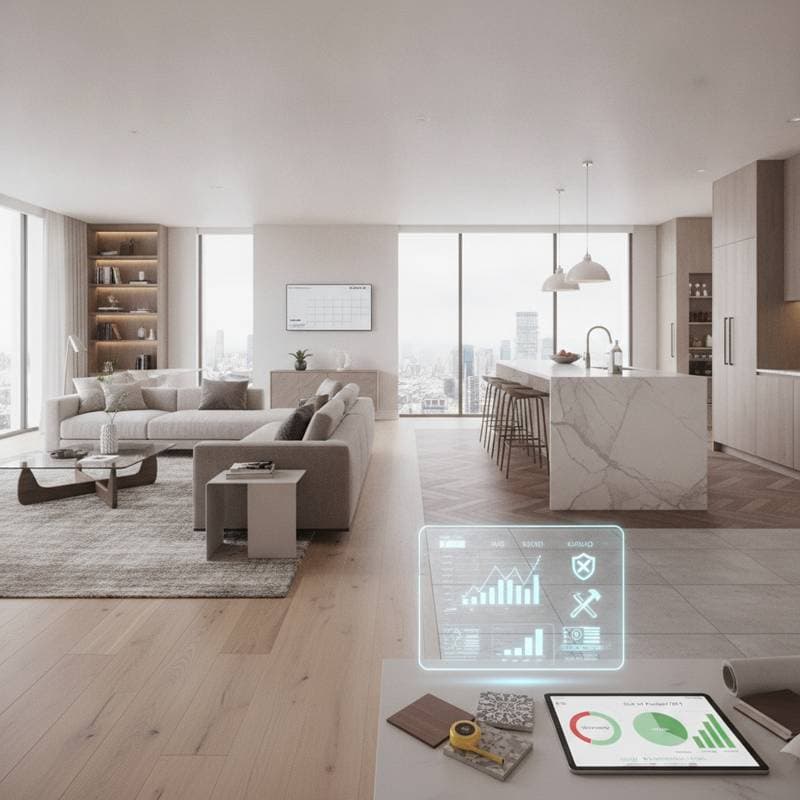
Learn current flooring costs from vinyl to hardwood, see what home warranties actually cover, and find clear steps to choose materials, control expenses, and maintain value.
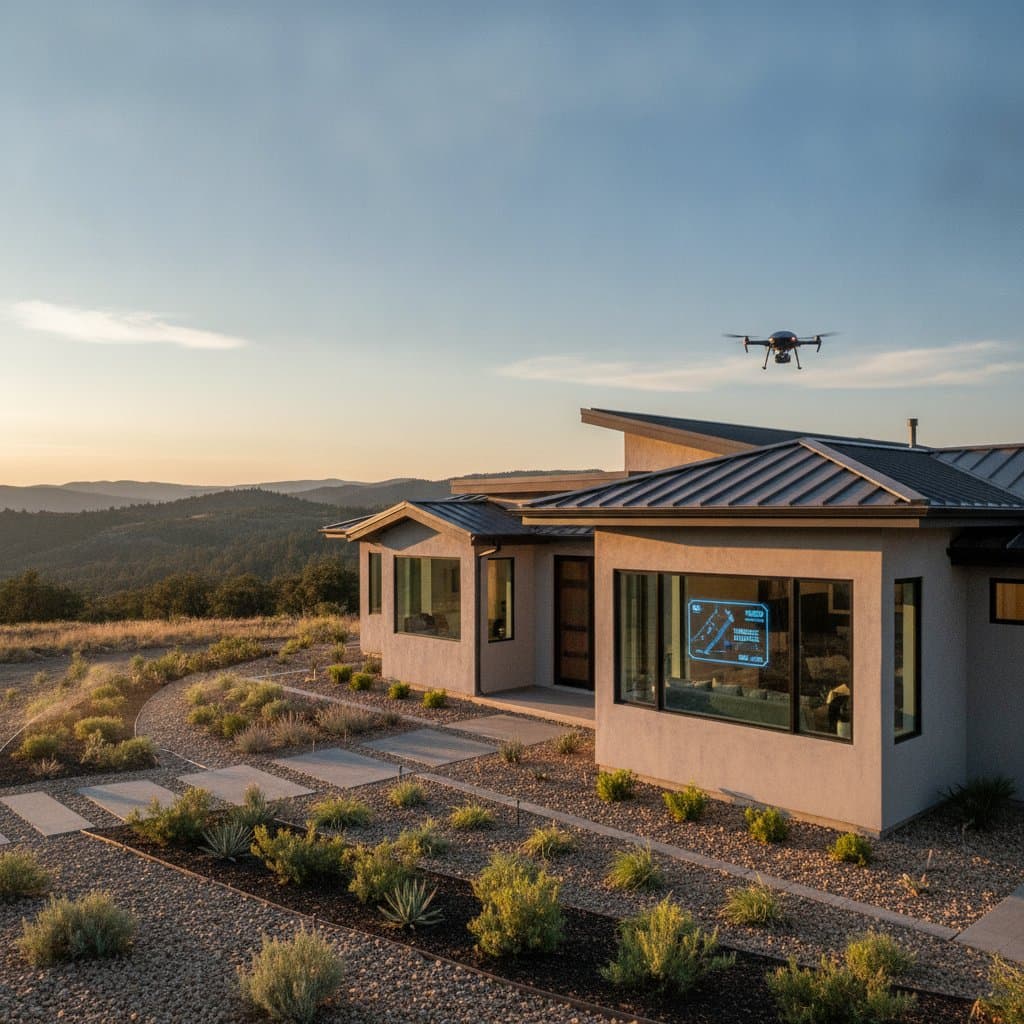
Wildfire defense zones cost $3,000 to $18,000 based on size, materials, and terrain. Professional installation raises survival odds by 75 percent, aids insurance approval, and preserves home value. Explore pricing tiers, regional differences, and scheduling tips for 2026.
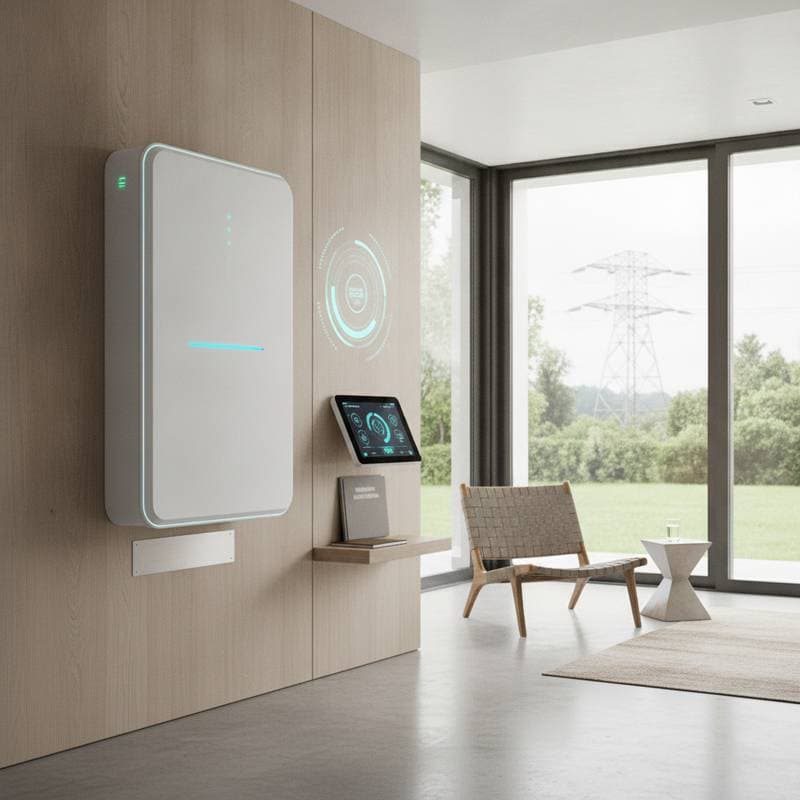
Home battery warranties in 2026 run 10 years or a set cycle count and focus on retained capacity. Review transfer rules, labor coverage, and claim procedures to protect your backup power investment and avoid coverage gaps.
Building an ADU in 2026 involves more than construction. It requires careful attention to design, permits, site preparation, and inspections. Costs range widely based on size, location, and materials. Understanding each expense category, planning contingencies, and managing approvals carefully helps homeowners avoid surprises and achieve realistic, financially sound results.
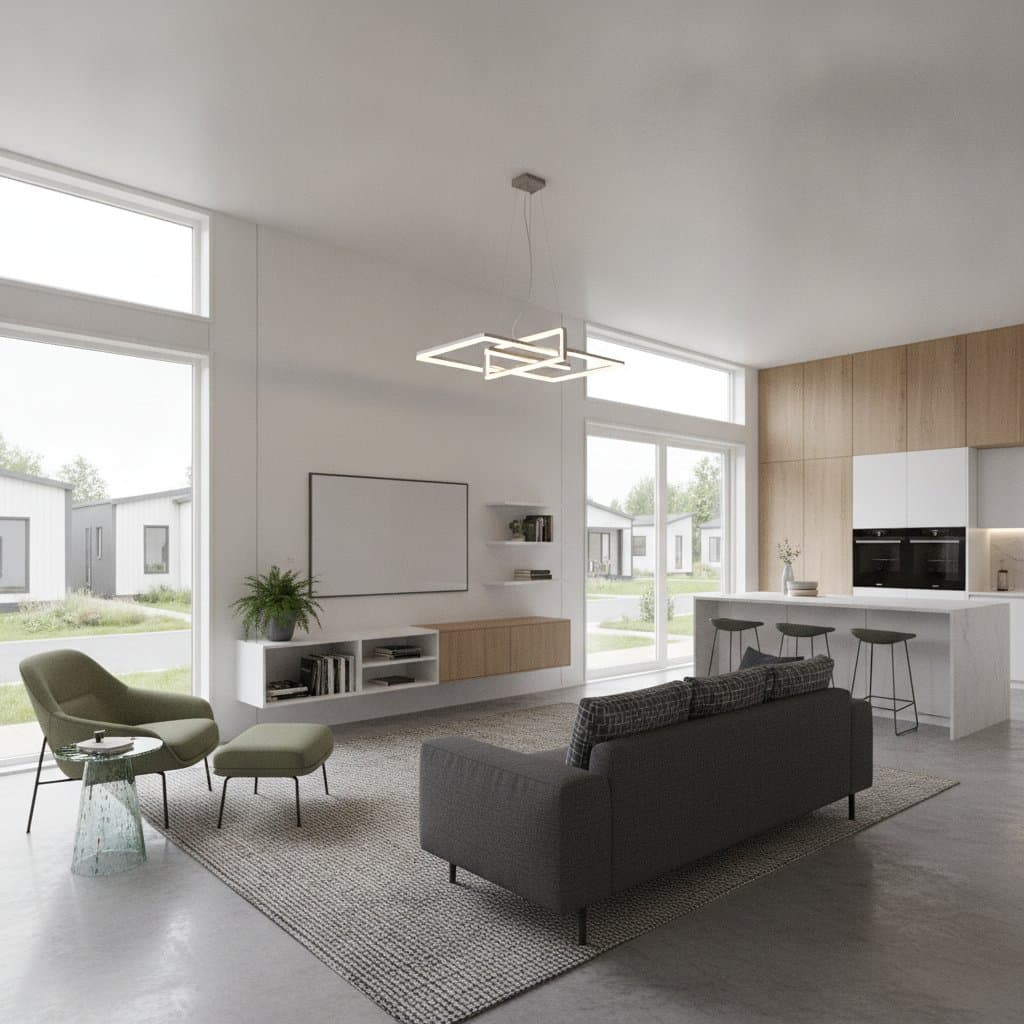
Modular home prices may drop 25 percent by 2026 due to automation and supply improvements. Buyers must examine contracts, site conditions, and warranties to capture lasting value.
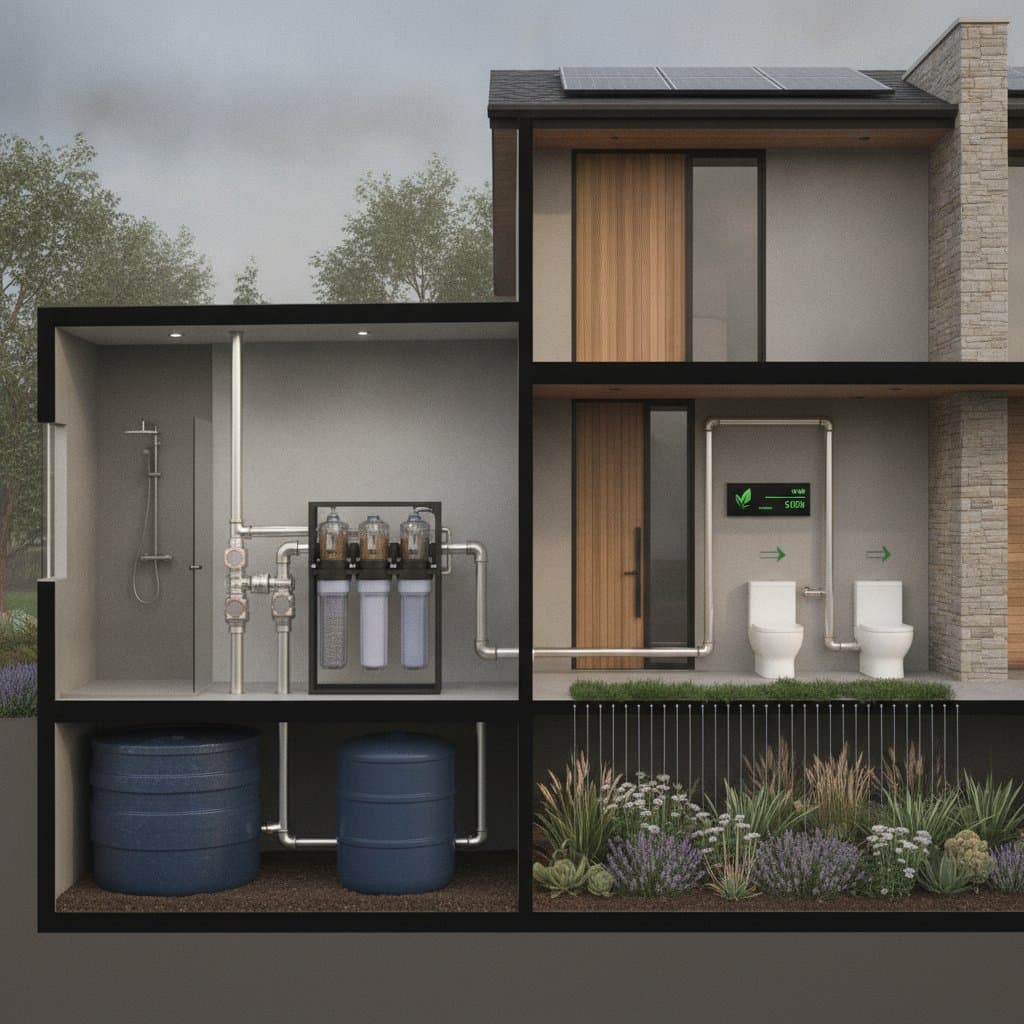
Greywater recycling turns everyday wastewater into a reusable resource that lowers utility bills and conserves water. This guide covers system types, installation steps, costs, and maintenance requirements for homeowners seeking greater efficiency.
Learn the real expenses of building a granny pod in 2026, including permit processes, zoning constraints, and site conditions. Follow practical steps for design, construction, and compliance to create a durable accessory dwelling unit.